- See more Daily Mail on Google - save us as a Preferred Source
Germany stands on the brink of a political earthquake as a hard-Right nationalist party looks set to take control of a regional parliament for the first time since the end of Nazi rule eight decades ago.
Last night an official exit poll showed that 44.5 per cent of voters in the sprawling eastern state of Saxony-Anhalt backed the xenophobic and anti-migration party Alternative for Germany (AfD).
asserted
cent → see → Germany
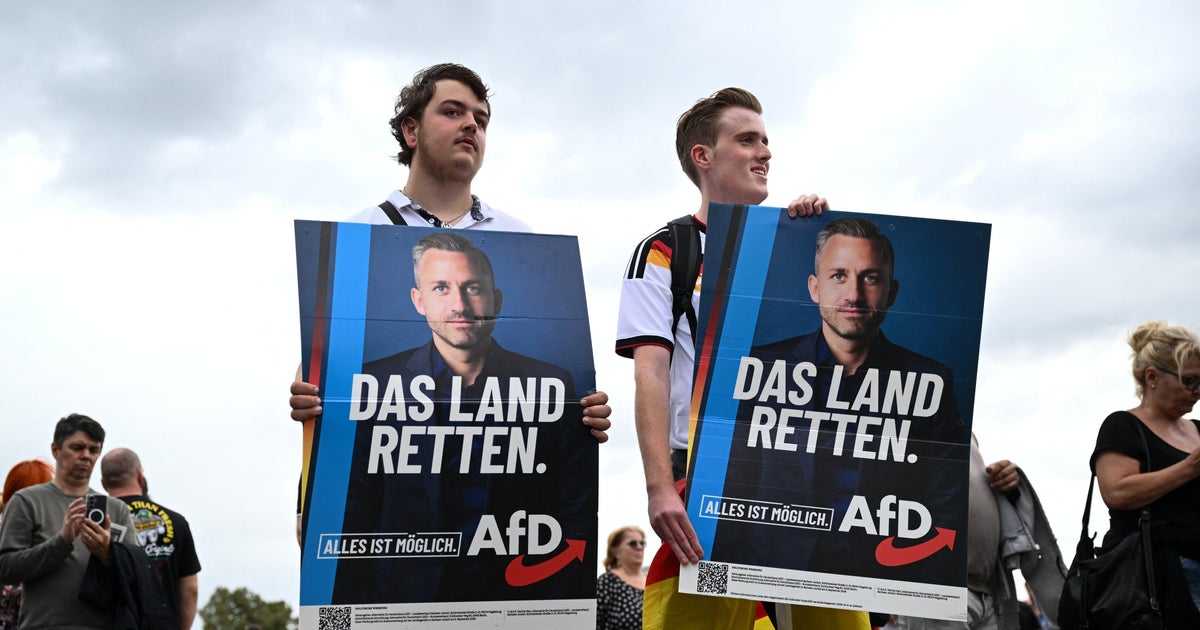
The projected victory set alarm bells ringing in Berlin and Brussels as the AfD has pledged to 'protect the homeland' by deporting all illegal migrants, shutting the border, banning LGBTQ rainbow flags in state schools and halting the construction of new wind farms.
asserted
AfD → project → farms
Its leader in the state, 35-year-old Ulrich Siegmund, also wants to reform the public broadcasters, end compulsory school attendance and rewrite school history books, which focus too much for his liking on the crimes of the Third Reich.
asserted
which → want → Reich
The AfD feeds on a sense of nostalgia for communist East Germany in Saxony-Anhalt and simmering resentment over the wealth gap between it and the former West Germany decades after the fall of the Berlin Wall in 1989.
asserted
AfD → feed → 1989
The prospect of a hard-Right state drew thousands of the AfD's opponents to a rally on Saturday in Magdeburg, the regional capital, with banners saying 'Life is better without Nazis'.
asserted
Life → draw → Nazis
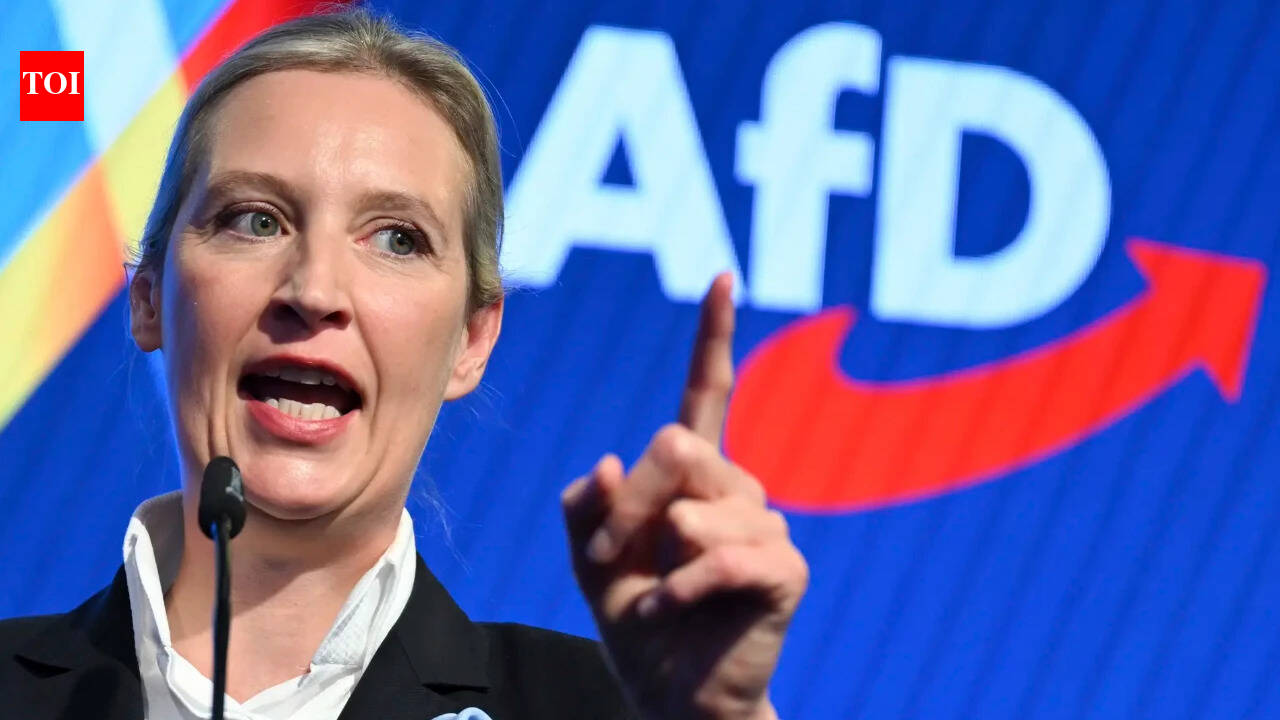
Alternative for Germany (AfD) national co-leaders Alice Weidel (left) and Tino Chrupalla (right) congratulate Ulrich Siegmund (centre), the party's victorious candidate in Saxony-Anhalt
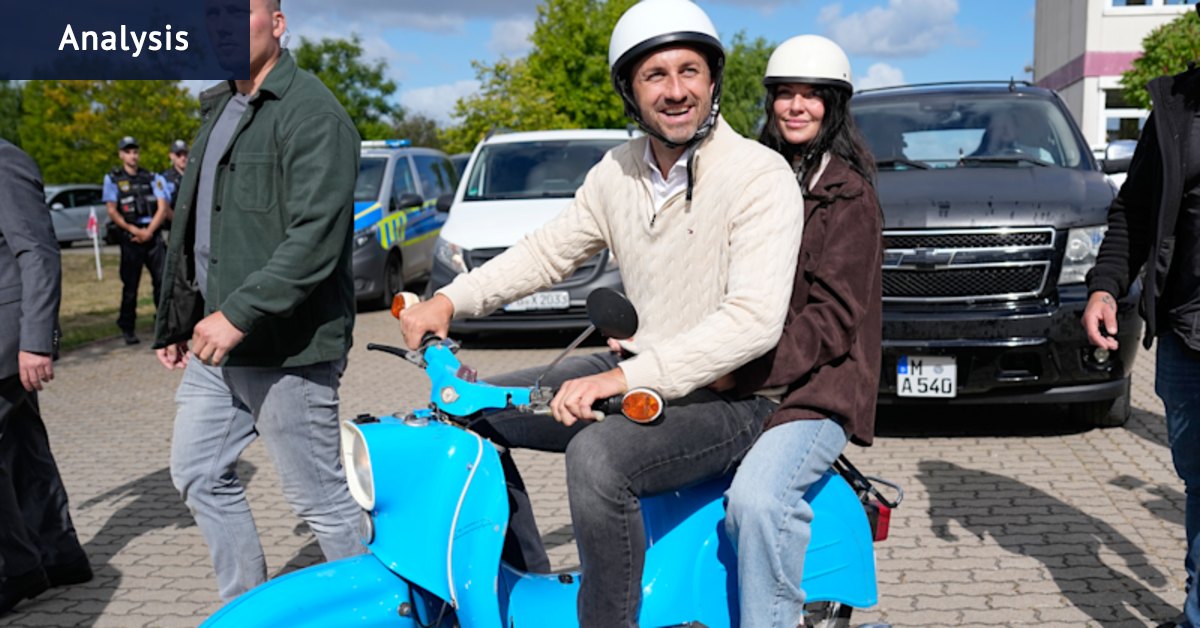
AfD has tapped into a sense of nostalgia for communist East Germany, using props like the Simson scooter Ulrich Siegmund and his wife arrived at the polling station in Tangermuende on
asserted
Siegmund → congratulate → Tangermuende
'No matter the outcome of tomorrow's election, we have already made history,' Siegmund told cheering supporters.
asserted
Siegmund → make → supporters
'Because what we have started here in Saxony-Anhalt – that is currently sweeping across all of Germany – can no longer be stopped.
asserted
that → start → Germany
The official result will be announced early today, but the German Chancellor Friedrich Merz, the CDU leader, is already tipped to cut state funds to Saxony-Anhalt if AfD does win.
asserted
AfD → announce → Anhalt
He is expected to create a so-called 'firewall', in alliance with Left-wing parties, that would exclude the AfD's politicians from sensitive government intelligence briefings due to alleged, but unproven, links to Russia.
asserted
that → expect → Russia
But with the CDU expected to lose power in the region after its share of the vote, according to the exit poll, plunged from 36 per cent four years ago to 18 per cent, Merz has never been more at risk.
uncertain
Merz → expect → risk
'If the AfD wins in Saxony-Anhalt, Merz's critics will become even more vocal and calls for better leadership will become impossible to ignore,' said political scientist Wolfgang Schroeder of Kassel University.
asserted
Schroeder → win → University
The AfD's star has risen as fast as the CDU's has fallen in recent months, with Merz's popularity rating at the lowest level ever recorded for a German Chancellor in post-war history.
asserted
CDU → rise → history
It stems from his failure to control immigration, with 15million migrants entering the country, many illegally, since 2015 when the then Chancellor Angela Merkel, one of his predecessors as leader of the CDU, opened the border to Syrians fleeing civil war – a move that provoked a mass inrush from not just Syria but the Middle East, Africa and Balkans.
asserted
that → stem → Syria
Germany has since been plagued by rapes and sexual assaults, often perpetrated by individuals who entered the country as part of the migrant surge, police figures show.
asserted
figures → plague → surge
Members and supporters of the hard-Hard Alternative for Germany (AfD) party react after the first exit poll results were announced at the AfD's election party on September 6, 2026
The prospect of a hard-Right state drew thousands of the AfD's opponents to a rally on Saturday in Magdeburg, the regional capital, with banners saying 'Life is better without Nazis'
The result was a stinging rebuke to German Chancellor Friedrich Merz (pictured), whose centre-Right Christian Democratic Union (CDU) finished far behind AfD on around 17 per cent
In 2024, a Saudi refugee ploughed a BMW 4X4 into crowds at the Christmas market in one of Magdeburg's squares.
asserted
refugee → react → squares
Six were killed, including a nine-year-old boy, and hundreds injured.
asserted
hundreds → kill → boy
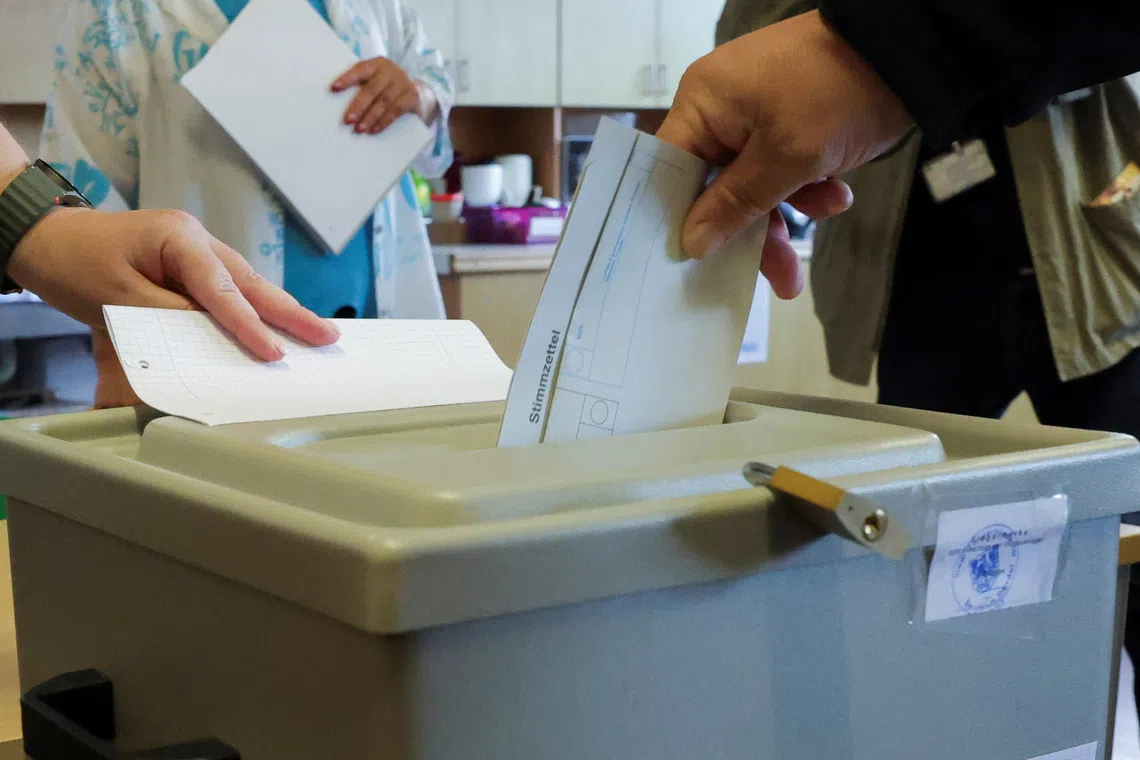
Yesterday, in the same square, voters emerging from a polling booth told me they wanted no more atrocities.
asserted
they → emerge → atrocities
Alexander von alten Blaskowitz, 76, said: 'These attacks have happened way too often.
asserted
attacks → say → ?
Christian, 40, and Katharina, 37, said immigration had to stop: 'Criminals should be kicked out and a person's religion considered when deciding who to let in.'
asserted
religion → say → who
The AfD has become the main opposition in German parliament, polling nationally at more than 20 per cent.
asserted
AfD → become → cent
In Magdeburg, AfD supporters sang the national anthem and listened to leaders' speeches at the final rallies before polling began.
But tensions were high with opponents watching nearby amid a huge police presence.
asserted
opponents → sing → presence
When a German woman in a burka tried to enter the AfD zone to 'talk to a politician', she was refused entry by security and led away by police as she screamed: 'I'm afraid they will expel all Muslims.'
asserted
they → try → Muslims
When Hans-Thomas Tillschneider, the region's AfD vice-chairman, was later asked about the confrontation, he said: 'We would send back all who don't have legal status.
asserted
who → ask → status
Saxony-Anhalt should think more German, be proud of their German identity.
asserted
Anhalt → think → identity
Even Elon Musk says it's OK to be German.'
asserted
it → say → ?
 The Aporia