Far-right AfD wins German state election but falls short of majority
No far-right party has taken power at the state level since the Second World War
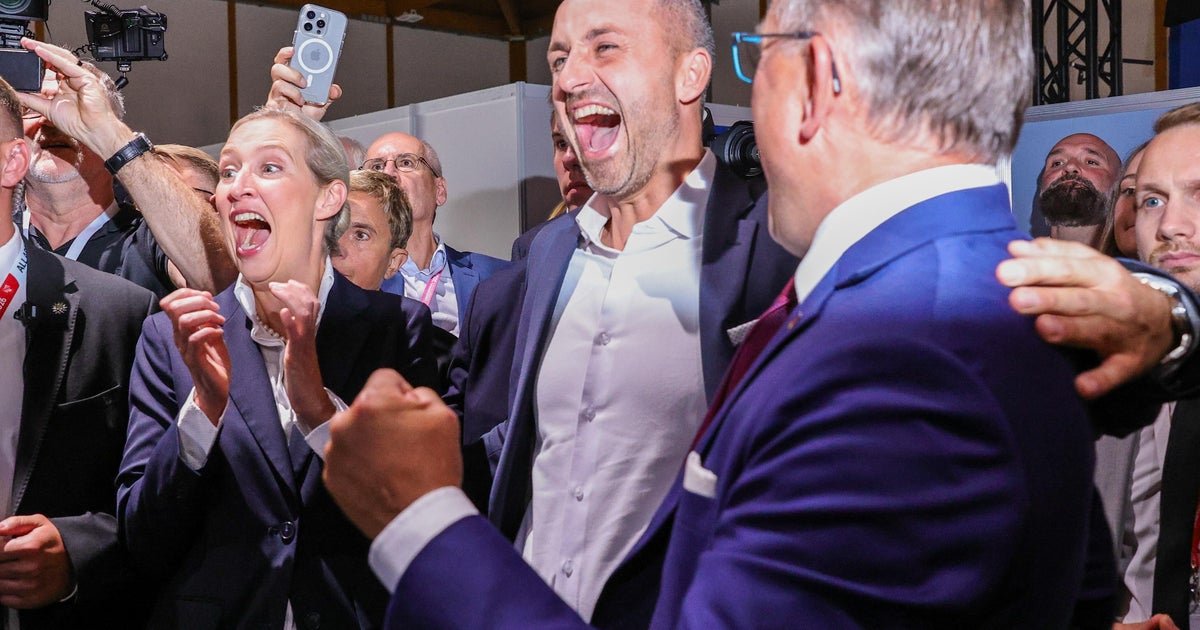
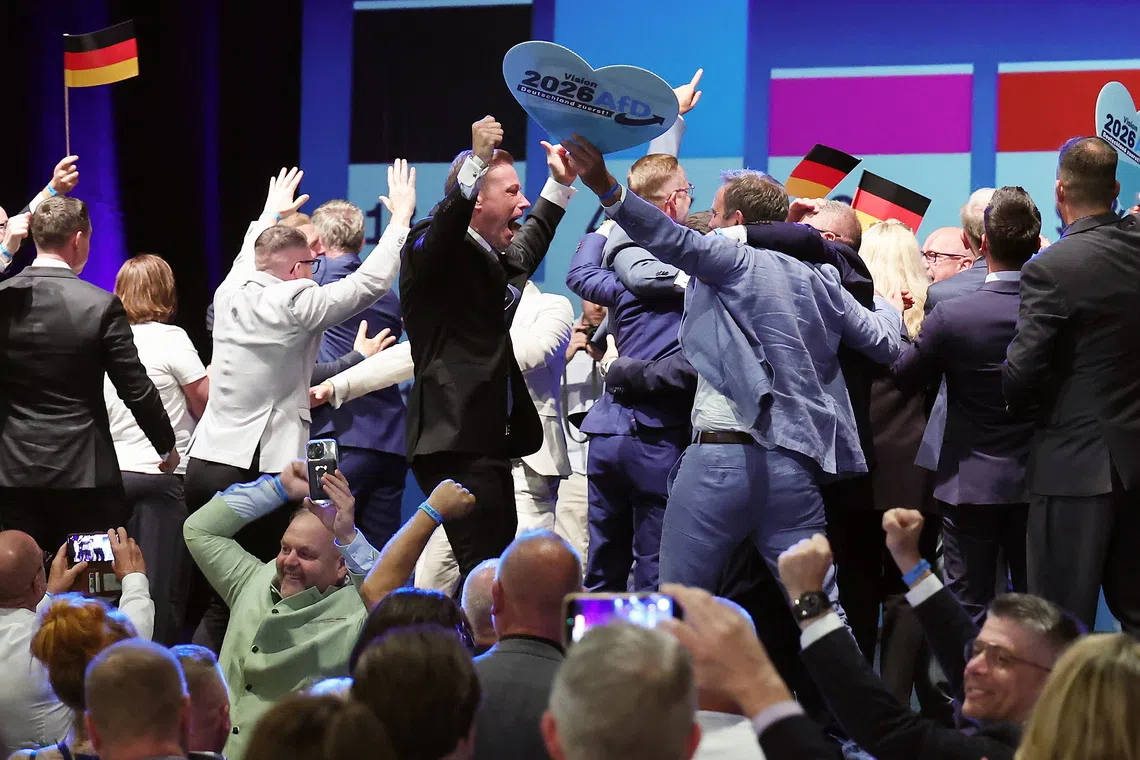
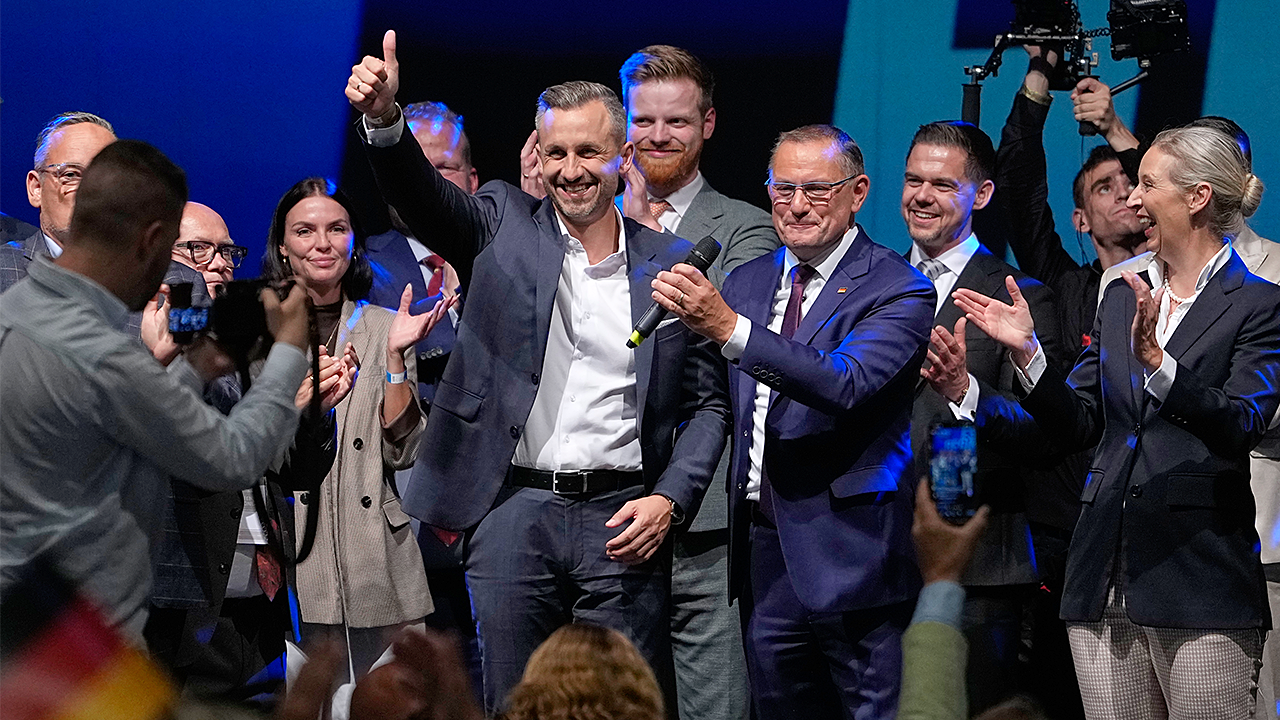
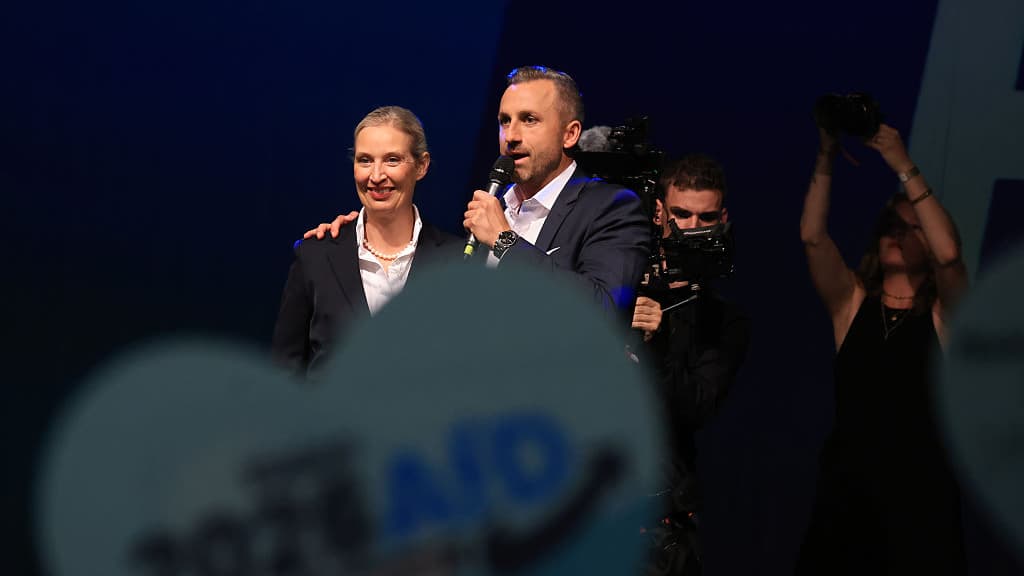
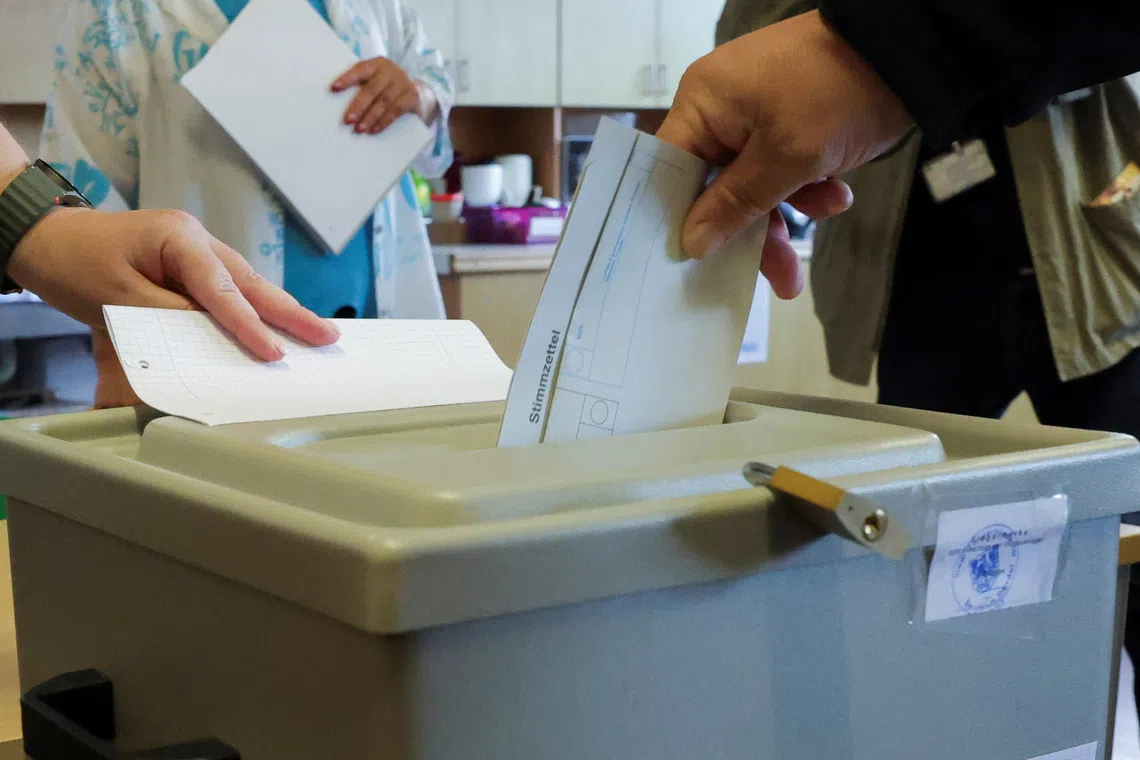
The far-right Alternative for Germany (AfD) surged to a resounding victory in a regional election on Sunday but fell a little short of winning a majority in its quest to form the country's first far-right state government since the Second World War.
asserted
Alternative → win → War
The party of Germany's unpopular leader, Chancellor Friedrich Merz, slumped to a disastrous result in the eastern state of Saxony-Anhalt.
asserted
party → slump → Anhalt
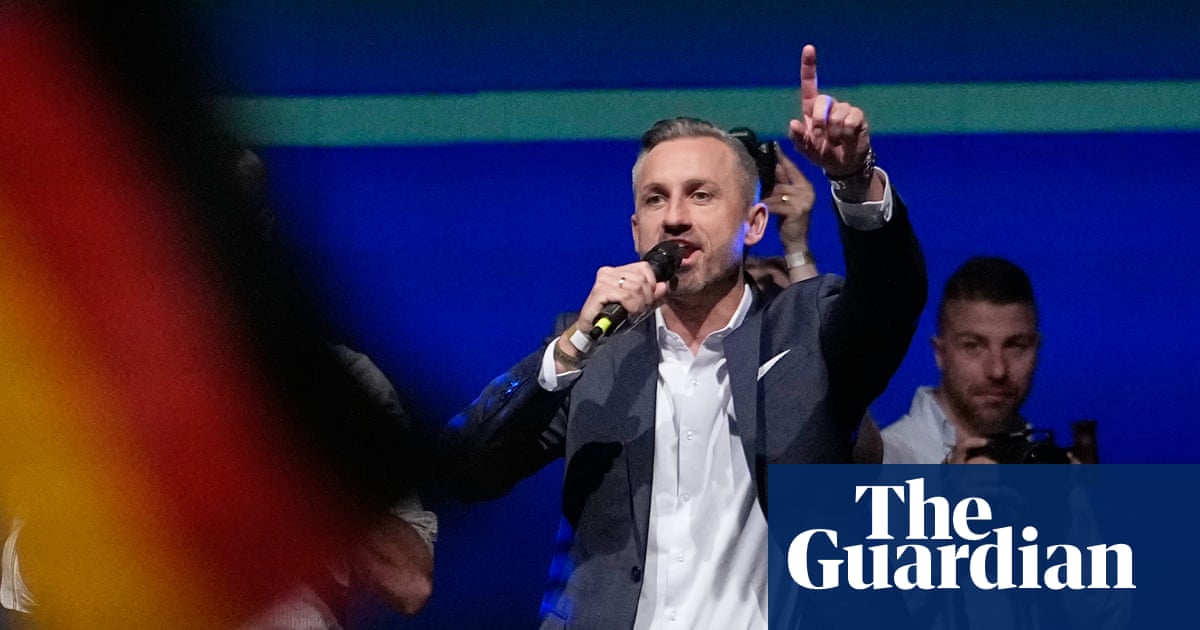
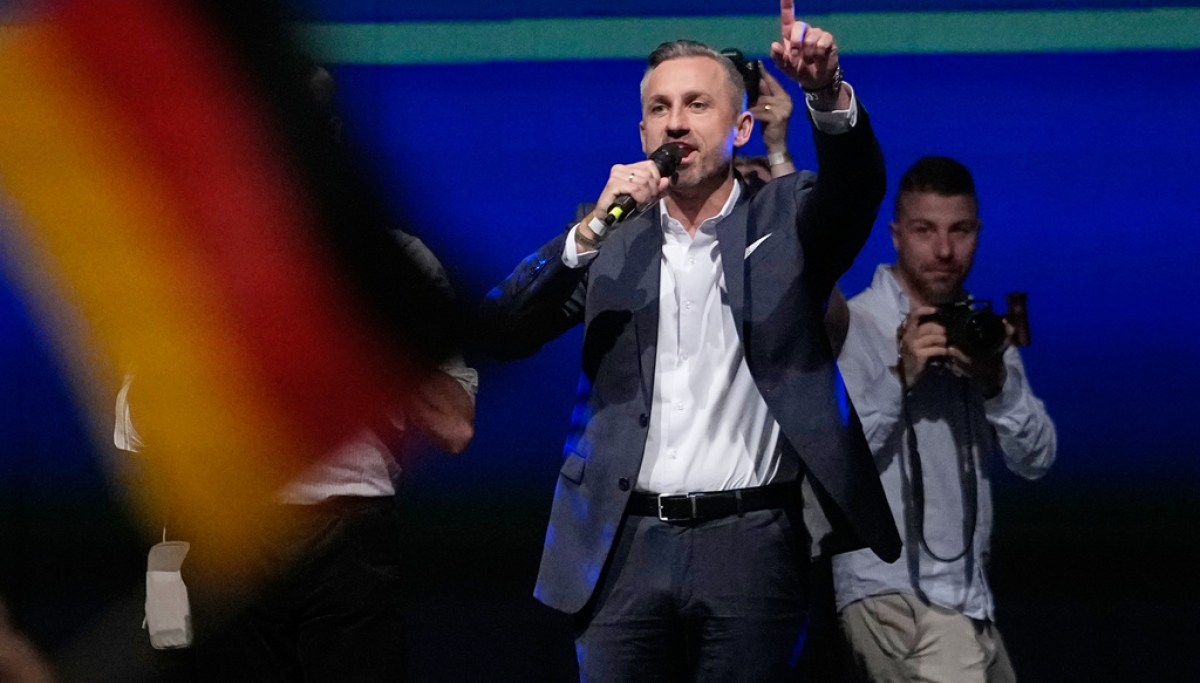
The anti-immigration and Russia-friendly AfD's candidate for governor said, "We have written history" and that the party has a clear mandate to govern.
asserted
party → say → mandate
Ulrich Siegmund, 35, told public broadcaster ARD that voters had sent a signal that "things cannot carry on like this."
asserted
things → tell → this
He said that "a very good campaigner for us in this election campaign was Friedrich Merz."
asserted
campaigner → say → campaign
- Analysis
Germany's AFD could become 1st far-right party to hold state power since WWII.
uncertain
AFD → become → WWII
What could that mean?
uncertain
that → mean → What
- Analysis
65 years after the Berlin Wall was built, Germany’s east-west scars help feed a rising far-right party
Alternative for Germany was seeking an absolute majority in the state legislature to govern alone and overcome the so-called firewall of mainstream parties' refusal to work with AfD.
Final results showed AfD falling three seats short, with 39 lawmakers in an 83-member parliament.
asserted
AfD → build → parliament
Siegmund said it wouldn't engage in "games" such as a minority government.
asserted
it → say → government
But it wasn't evident how its divided opponents could assemble any stable government without it.
uncertain
opponents → assemble → it
Blow to Chancellor Merz
A first state government would be the biggest prize in the anti-migration party's 13-year history, at a time of widespread discontent with a national government that has yet to persuade voters that it can get the country's sluggish economy moving.
asserted
economy → have → voters
Whether or not AfD ends up governing, the result is a blow to Merz, whose centre-right party has led Saxony-Anhalt for 24 years.
asserted
party → end → years
Unlike other countries in Europe, modern Germany hasn't yet had a far-right or right-wing populist party leading a national, state or major-city government.
asserted
Germany → have → government
The AfD is already Germany's most popular party at the national level and is seeking to secure a foothold for advancing its agenda, which includes heavy restrictions on immigration, restoring ties with Russia, cutting support to Ukraine and quitting the euro.
asserted
which → seek → euro
A poll from the ARD broadcaster showed 87 per cent of the state's voters were unhappy with the federal government.
asserted
cent → show → government
Siegmund has described Merz as the AfD's best campaigner, given his unpopularity in the state.
asserted
Siegmund → describe → state
"This election result is, above all, a vote of no confidence in the federal government," Marcel Fratzscher, the president of the German Institute for Economic Research, told Reuters.
asserted
Fratzscher → tell → Reuters
Merz, who leads the centre-right Christian Democratic Union, has vowed to revive Europe's largest economy with business-friendly reforms and increased spending while warning that an AfD win in Saxony-Anhalt would damage the state and deter foreign companies from investing there.
asserted
win → lead → companies
Germany's mainstream parties have all refused to work with the AfD, which has been classified as right-wing extremist by the local office of Germany's domestic intelligence service.
asserted
which → refuse → service
One outlier is the small Sahra Wagenknecht Alliance party (BSW), which looked set to clear the threshold to enter parliament.
asserted
which → set → parliament
The BSW has floated the idea of rule for Saxony-Anhalt by a non-partisan state premier relying on shifting majorities, including with votes from the AfD.
Siegmund, however, rejected the BSW's idea as a "mess" and ruled out any arrangements with other parties that would prevent the AfD from delivering on his promise of change.
asserted
that → float → change
"If push comes to shove, there will simply be new elections," he said.
asserted
he → come → shove
Merz's conservatives said they would explore talks with other parties, although that could require pulling together parties with vastly different policy agendas.
uncertain
that → say → agendas
In the neighbouring eastern German state of Thuringia, the conservatives run a minority government with passive tolerance from the Left party.
asserted
conservatives → neighbour → party
Although Saxony-Anhalt, formerly part of communist-run East Germany, is one of the smaller German states with a population of just over two million, the result underlines the rapid advance of the AfD since it was created in 2013.
asserted
it → run → 2013
The AfD is now Germany's most popular party nationally, polling at 28 per cent, according to a recent INSA poll — putting it comfortably ahead of the conservatives with 20 per cent.
uncertain
AfD → poll → cent
While hard-right parties have gained ground elsewhere in Europe, Germany's Nazi past has contributed to a reluctance among mainstream parties to co-operate with the AfD.
The AfD has dismissed accusations of extremism as scaremongering and an insult to the party's millions of supporters.
During the campaign, the AfD tapped into growing disillusionment with established parties, which it characterizes as tired and out of touch, offering instead a range of hardline policies and a nostalgic vision of a return to cleaner and safer streets and taking pride in being German.
asserted
it → gain → pride
"It is clear that we need change in Germany and in western Europe.
asserted
we → need → Europe
And I believe a starting signal is definitely going out from here — whether you like it or not," said Antony Lee, an attendee at the AfD's election party.
asserted
Lee → believe → party
"I am a father, I am an entrepreneur, and I know that things cannot continue like this in Germany."
asserted
things → know → Germany
The AfD's program includes plans to push schools and cultural institutions toward what it views as more traditional values, while curbing immigration and overhauling public broadcasting.
asserted
it → include → broadcasting
It wants the children of refugees to be taught in segregated classes.
asserted
children → want → classes
It has called for rainbow flags in schools to be banned and for the German national flag to be hoisted every day.
asserted
flag → call → schools
The national anthem would be sung by students and staff at school celebrations.
asserted
anthem → sing → celebrations
Other proposals include citizen patrols, more teaching of Russian in schools and a halt to building new wind farms.
asserted
proposals → include → farms
 The Aporia