Claims extracted
20
sentences that state something as happening or true
Uncertain
10%
2 of 20 hedged
("reportedly", "may", "according to")
Leaning
Leans left
of the writing, not the subject · beta estimate
Publisher signals
60/100
Al Jazeera's corrections and
hedging, across everything collected from it. Not a measure of accuracy.
Outlets on this story
64
Politics
Same framing elsewhere
1
articles that frame the event the way this one does
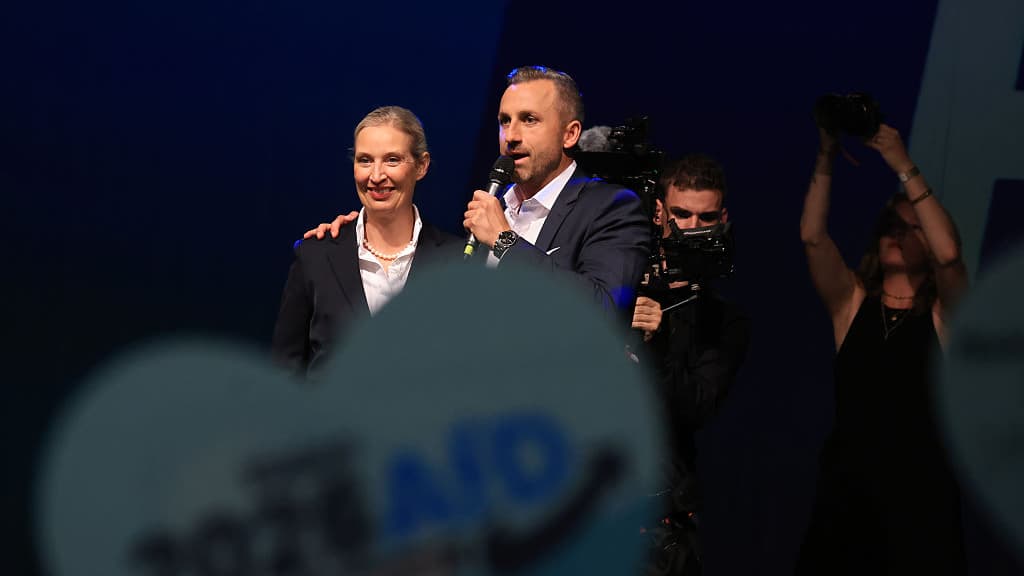
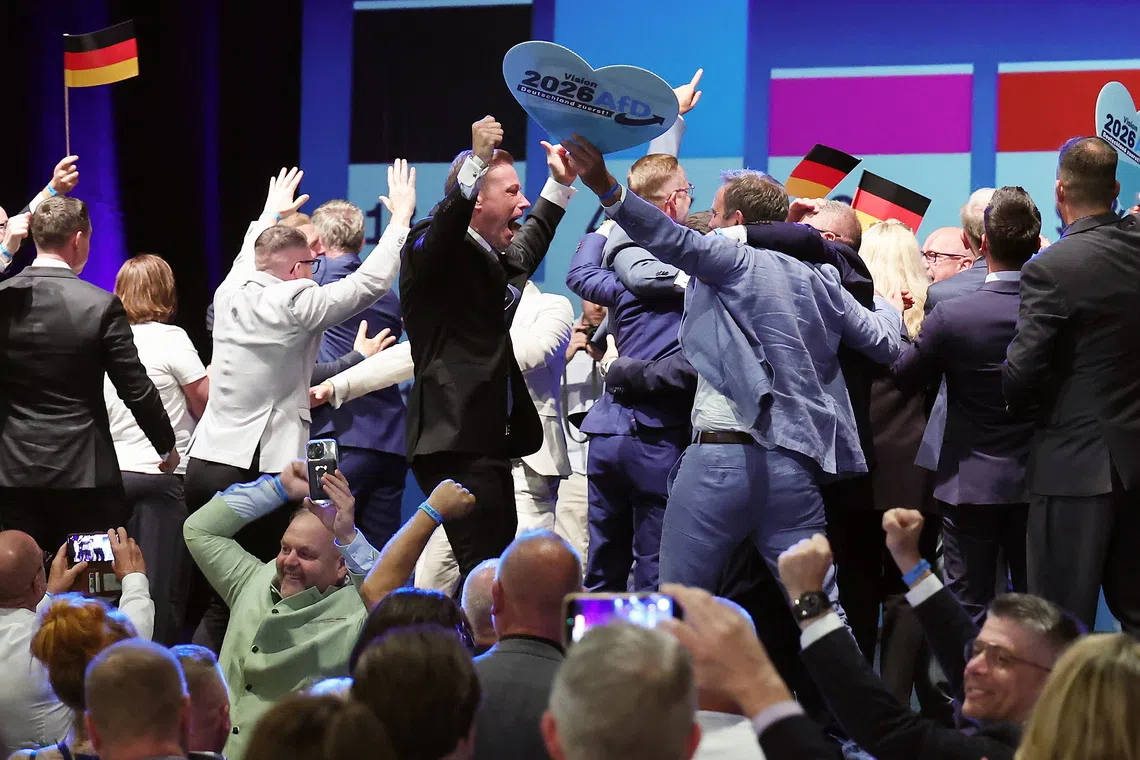
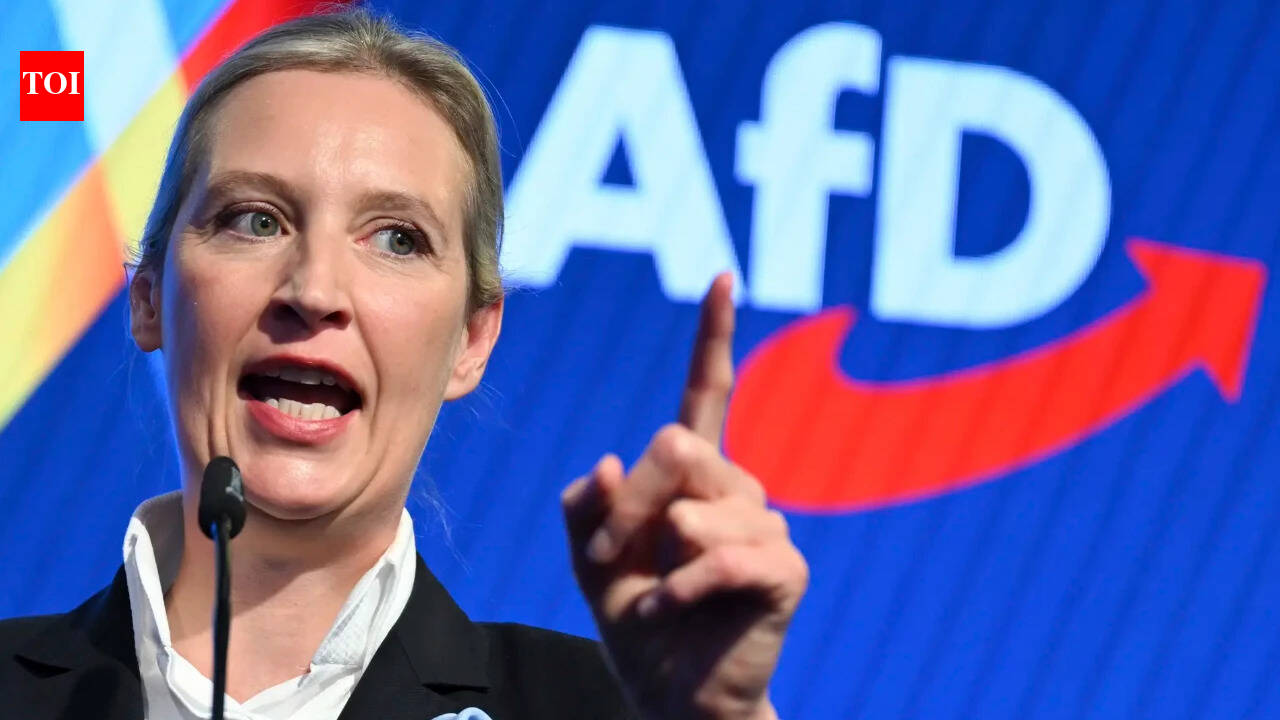
Voting is under way in the eastern German state of Saxony-Anhalt that could see the Alternative for Germany (AfD) become the first far-right party to take power at a state level since World War II.
uncertain
Alternative → see → II
Recent surveys place AfD at 40 percent, ahead of the centre-right Christian Democrats (CDU) at 23 percent.
asserted
surveys → place → percent
Recommended Stories
list of 3 items- list 1 of 3Germany’s far right AfD eyes election breakthrough in Saxony-Anhalt
- list 2 of 3Germany’s far-right AfD eyes historic first in state election
- list 3 of 3Thousands
asserted
AfD → eye → 3Thousands
protest in Germany as far-right AfD party meets
AfD has led comfortably in the pre-election opinion polls for months and has a chance at winning an absolute majority if several smaller parties fail to clear the 5 percent threshold to enter the parliament.
asserted
parties → protest → parliament
A CDU-led administration under incumbent state premier Sven Schulze is the most likely outcome if the AfD does not win a majority.
asserted
AfD → lead → majority
Weeks of coalition talks could follow the vote, depending on which parties surpass the 5 percent minimum.
uncertain
parties → follow → minimum
AfD candidate Ulrich Siegmund, who was previously a member of the CDU, predicted gaining an absolute majority that would lead the anti-establishment party to national victory in 2029.
asserted
that → predict → 2029
He was named “Germany’s most dangerous man” by the influential magazine Der Spiegel.
asserted
He → name → magazine
“It was the others who erected the firewalls,” he told German tabloid Bild.
asserted
he → erect → Bild
“If no one wants to work with us, then we’ll just have to do it alone.”
asserted
we → want → it
An absolute majority would allow AfD to bypass mainstream parties’ “firewall” noncooperation policy, which the far-right party has already done at the local level.
asserted
party → allow → level
For the AfD, the Saxony-Anhalt elections are a stepping stone towards its larger ambition: securing national power in the 2029 federal elections.
asserted
elections → secure → elections
The CDU is led by deeply unpopular German Chancellor Friedrich Merz.
asserted
CDU → lead → Merz
At a local campaign rally in Lower Saxony a week before the election, Merz urged other politicians to engage with AfD more effectively.
asserted
Merz → urge → AfD
“We must address the issues at hand.
asserted
We → address → hand
We must also address our choice of words,” Merz said, referring to a statement by the AfD’s state leader in Saxony-Anhalt, Martin Reichardt.
asserted
Merz → address → Anhalt
Reichardt previously told the AfD’s youth organisation that Germany had become “a lazy, anti-social bum reeking of dope”.
asserted
Germany → tell → dope
Thousands of demonstrators gathered for a festival in support of democracy the night before the crucial election.
asserted
Thousands → gather → election
Rally organisers estimated that between 15,000 and 20,000 people attended the demonstration.
asserted
people → estimate → demonstration
Initial results are expected at about 16:00 GMT (6pm local time) on Sunday.
asserted
results → expect → Sunday
 The Aporia