What did Palestinians take when they fled after October 7?

Read the original at Al Jazeera ↗
Al Jazeera · collected 2026-10-08 · by Maram Humaid

Quick Summary

The article focuses on the possessions Palestinians took with them when they were displaced after the October 7, 2023 conflict in Gaza. It highlights two stories: Omar Abdel Hakim Hamad, who prioritized saving his extensive personal library of about 500 books despite repeated displacements, and Shahd Abu Khosa, who brought her dogs Lily and Bobby with her through difficult conditions, including a famine-like period where food was scarce. The piece explores the emotional significance these items held for the individuals beyond their material value.
Written locally by qwen2.5:14b on 2026-10-08, using this article's own text rather than the other coverage of the same event (that is the story summary below).

AI analysis runs on qwen2.5:14b, locally

Story summary

Palestinians were forced to flee their homes in the Gaza Strip after October 7, 2023, when Israel launched an offensive. At least 74,018 Palestinians had been killed and 175,079 injured by September 27, 2026, according to Gaza’s Ministry of Health. Some left with nothing, while others managed to take small personal items like books, musical instruments, toys, pets, or keepsakes. For example, Huda Helassa, a 20-year-old from Tal al-Hawa in southern Gaza City, took a signed T-shirt from the Access Microscholarship Program. Another person, Omar Abdel Hakim Hamad from Beit Hanoon, prioritized collecting about 200 books from his personal library of around 500 volumes when he was ordered to leave under threat of bombardment.

Written for “Palestinians Items Seized” on 2026-10-08, grounded in this article and the 0 other(s) covering the same event.
Why this leaning score
The article's own words the score was based on. Each is quoted verbatim and was checked against the article text before being stored, so you can find it in the original.
Reading Leans left (beta estimate) Confidence high
Leaning: leans left for article 64949 (high confidence, 1 verified quote) · logged 2026-10-08

Signals How these are calculated →

Claims extracted
54
claim-shaped sentences
Uncertain
11%
6 of 54 hedged
Leaning
Leans left
of the writing, not the subject · beta estimate
Correction & hedging signals
60.3
corrections and hedging in what we collected; not a measure of accuracy
Outlets on this story
1
World
Narrative spread
1
articles carrying this framing
Analyzed 2026-10-08 · how these are computed

Story

📰 Palestinians Items Seized
World · 1 article(s) covering the same event.

How this is being covered How these are calculated →

Article leaning vs. publisher reliability
Source leaning vs. consistency

Compared with similar articles

This article reads leans left and hedges 11% of its claims. Each row says how that neighbour differs.
ABC News (AU)
⚖️ Leans left 🔴 5% hedged 2 of 40 📰 publisher trust 61
“The articles describe different phases and perspectives of the aftermath related to the October 7, 2023 incident; Article A focuses on the first anniversary mourning in Israel and Gaza's current state, while Article B discusses Palestinians' experiences when fleeing their homes during the conflict.”
CBS News
⚖️ leaning not scored 🔴 0% hedged 0 of 2 📰 publisher trust 66
“The articles describe different phases and aspects of the aftermath of the Hamas attack on Oct 7, 2023, rather than the same specific incident.”
Times of India
⚖️ leaning not scored 🔴 7% hedged 5 of 69 📰 publisher trust 59
“The articles discuss different phases of the ongoing conflict: Article A focuses on the initial attack and its immediate aftermath, while Article B addresses the displacement and possessions left behind by Palestinians after the war began.”
Dawn
⚖️ Leans strongly left further left than this 🔴 15% hedged 3 of 20 📰 publisher trust 71
“The articles discuss different phases and aspects of Palestinians' displacement from Gaza; Article A focuses on displaced Gazans waiting overseas for return, while Article B discusses what people took when they fled after the war began.”
Al Jazeera
⚖️ Leans strongly left further left than this 🔴 6% hedged 2 of 35 📰 publisher trust 60
“The articles describe different aspects of the broader situation following the Hamas-led attacks on October 7, 2023. Article A focuses on the impact and aftermath in Israeli society, while Article B discusses the displacement and possessions left behind by Palestinians during their forced evacuation.”
CBS News
⚖️ leaning not scored 🔴 2% hedged 1 of 43 📰 publisher trust 66
“The articles discuss different time periods and aspects of the conflict: Article A focuses on how Israeli and Palestinian children are coping three years after the initial October 7, 2023 event, while Article B discusses what Palestinians took when they fled their homes immediately following the October 7, 2023 incident.”
Euronews
⚖️ Leans left 🔴 14% hedged 1 of 7 📰 publisher trust 60
“Article A describes Palestinians searching through rubble after a specific building demolition in Jerusalem, while Article B discusses general evacuations and losses during Israel's conflict with Gaza, involving different locations and broader context.”
The Guardian
⚖️ Leans strongly left further left than this 🔴 5% hedged 3 of 55 📰 publisher trust 68
“While both articles discuss the impact of events following October 7, 2023, they describe different aspects: one focuses on a specific family's situation in Gaza, while the other is about Palestinians' belongings and experiences during forced displacement.”
The Straits Times
⚖️ Leans left 🔴 12% hedged 3 of 24 📰 publisher trust 59
“While both articles discuss Palestinians fleeing from Gaza after the October 7, 2023 incident, they describe different aspects and time periods of the broader situation.”
BBC News
⚖️ leaning not scored 🔴 1% hedged 1 of 67 📰 publisher trust 72
“The articles describe different aspects of events related to October 7 attacks but do not focus on the exact same incident or time.”

Publisher

Al Jazeera · 2409 article(s) · 2 correction(s) detected
Running correction rate · 2 correction(s)
2026-10-03
Tennessee prisons official resigns after Christa Pike’s failed US execution
2026-09-30
Indonesia suspends five officials over luxury apartments for inmates

Who wrote this

Maram Humaid
11 article(s) here · 1 carrying a prediction
🔮 Others managed to grab just what they could not bear to leave behind: A book, a musical instrument, a toy, a pet or a keepsake.
🔮 In May 2024, Israel’s military operation in Rafah displaced more than 800,000 people, according to the UN.
🔮 “I could not speak.
🔮 “I want to leave, but who will give me an alternative?”
🔮 On October 27, Israelis will vote in a national election that will determine the next government and shape the country’s policies on Gaza.
🔮 “Sometimes there would be months when I stopped taking them altogether,” Totah said.
🔮 “If I could afford it, I would send them to private school,” 39-year-old Khadija told Al Jazeera.
🔮 “If I could, I would lower the price as much as possible,” he says.
🔮 Whenever Mervat Radwan hears the community kitchen in her displacement camp will serve lunch that day, she breathes a sigh of relief.
🔮 I struggled to cope with my condition and couldn’t find the right support or suitable medical creams,” she says, as Israeli restrictions on imports into Gaza made the lotions hard to obtain.
Also by Maram Humaid
Nothing else under this byline is closely related to this article, so these are simply their most recent.
All 11 articles by Maram Humaid →

Topics

Beit Hanoon Gaza Gaza City Gaza Strip Palestinians

Subjects

Gaza GPE · 11× Lily PERSON · 7× Shahd PERSON · 6× Bobby PERSON · 3× Beit Hanoon GPE · 2× Gaza City GPE · 2× Omar PERSON · 2× Palestinians NORP · 2× Yaseen PERSON · 2× Gaza Strip GPE · 1×

Narrative

When Huda Helassa, 20, left her home in Tal al-Hawa, southern Gaza city, in the first hours of the war, she took a signed T-shirt from the Access Microscholarship Program, a United States-funded programme that provides English-language and cultural education to young people.
framing: assertive · carried by 1 article(s) · first seen 2026-10-08
🔮 Others managed to grab just what they could not bear to leave behind: A book, a musical instrument, a toy, a pet or a keepsake.
2026-10-08 · Al Jazeera
What did Palestinians take when they fled after October 7? · assertive framing

Claims (54 extracted, 6 hedged)

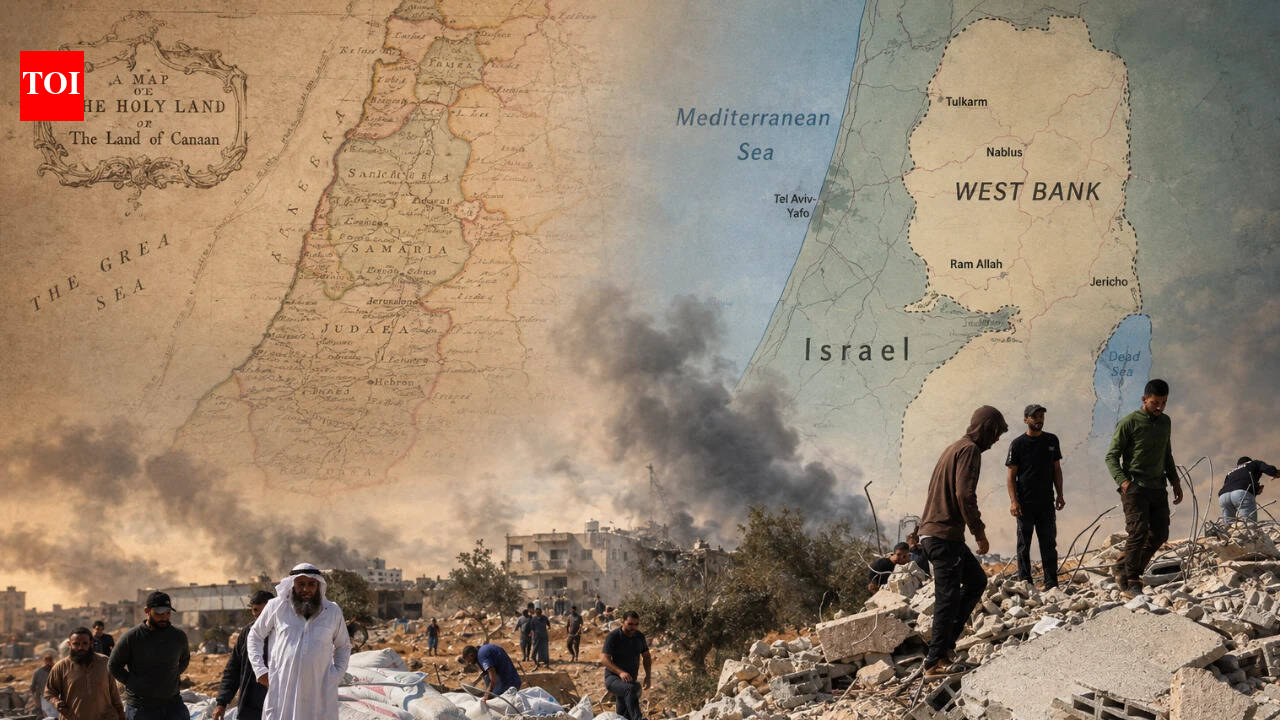
When Israel’s genocidal war on Gaza began after October 7, 2023, hundreds of thousands of Palestinians were forced to leave their homes, many under forced displacement orders to move south. asserted
many → begin → orders
By September 27, 2026, at least 74,018 Palestinians had been killed and 175,079 injured in Gaza since the start of the war, according to Gaza’s Ministry of Health. uncertain
175,079 → kill → Health
Some fled with nothing, leaving behind homes, belongings and memories. asserted
Some → flee → homes
Others managed to grab just what they could not bear to leave behind: A book, a musical instrument, a toy, a pet or a keepsake. uncertain
they → manage → what
We asked people in Gaza what they took with them when they fled their homes after October 7 - and what stays with them after repeated displacements during the war. asserted
what → ask → war
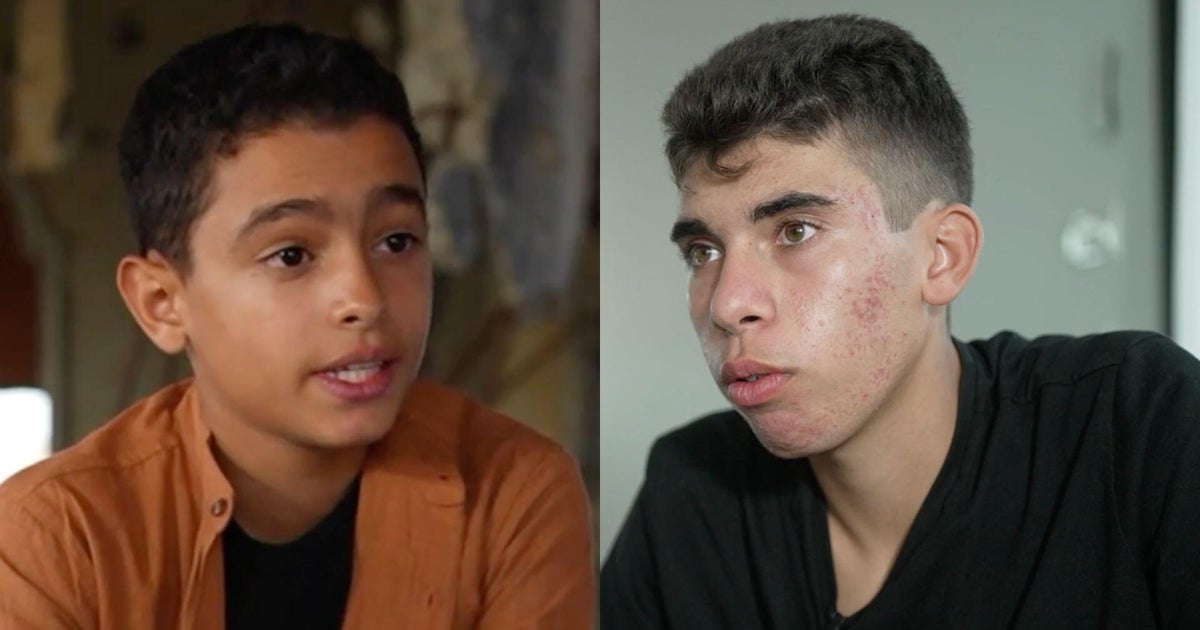
When Omar Abdel Hakim Hamad, 30, received a displacement order in Beit Hanoon, north of Gaza, at about midnight, he decided to stay a little longer despite the heavy bombardment. asserted
he → receive → bombardment
He wanted to collect what he could from his home, fearing he might never return. uncertain
he → want → home
The first thing he thought of saving was his personal library of about 500 books. asserted
he → think → books
He managed to take about 200, prioritising old and rare books that he felt could not be replaced. uncertain
he → manage → books
Since leaving Beit Hanoon on October 30, 2023, Omar has been displaced 13 times, moving first to Gaza City and later south to the Maghazi refugee camp, where he remains displaced. asserted
he → leave → camp
“They are part of who I am,” he says, describing how his love of reading began at 15. asserted
love → say → 15
Among the books he carried with him is a 1933 edition of Kalila wa Dimna. asserted
edition → carry → Dimna
During the famine-like conditions that plagued Gaza for large parts of the war, he even considered exchanging his entire library for one or two kilogrammes of flour, but says he is grateful that he managed to keep most of it. asserted
he → plague → it
Today, his Phoenix Library (at the centre of Gaza city) contains about 7,000 books, including about 3,000 rescued from libraries destroyed during the war and another 4,000 that were bought. asserted
that → contain → war
When Shahd Abu Khosa, 30, left her home in Gaza’s al-Jalaa neighbourhood on October 16, 2023, she took her two dogs, Lily and Bobby, with her. asserted
she → leave → her
Her displacement took her from al-Shifa Hospital to Tal al-Hawa south of Gaza City, then to a house and finally to a school shelter. asserted
displacement → take → shelter
The journey was difficult for both dogs, especially Lily, who was frightened by the sound of bombardment and would hide whenever shelling began. asserted
shelling → frighten → bombardment
Bobby died of starvation after food became unavailable. asserted
food → die → starvation
“I never thought of leaving Lily behind,” Shahd says, describing her as part of the family. asserted
Shahd → think → family
During the famine, Lily survived by eating what the family ate, including lentils and bread, while Shahd continued to share what little food they had with her. asserted
they → survive → her
Shahd says she had once been afraid of dogs, but that changed after her sister brought Lily and Bobby from Egypt. asserted
sister → say → Egypt
Lily became especially close to her, spending much of her time with Shahd and sharing her food. asserted
Lily → become → food
She describes Lily as loyal and gentle, saying the dog would sense when Shahd was in danger and try to protect her. asserted
Shahd → describe → her
Shahd hopes all pets in Gaza can find a safe place where they have food, water and somewhere to sleep, “away from fear and harm, and without being thrown out”. asserted
they → hop → fear
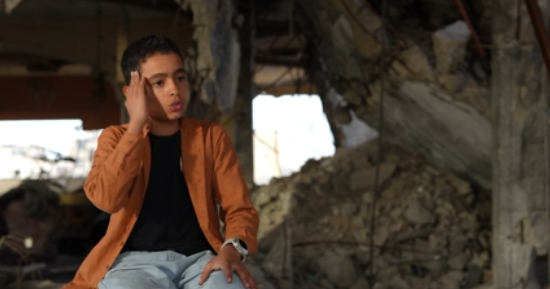
As Yaseen al-Qubt, 16, left his home in Beit Lahiya on October 12, 2023, he took his oud with him. asserted
he → leave → him
His family moved to az-Zawaida in central Gaza, while their home was later bombed and the instrument was left beneath the rubble. asserted
instrument → move → rubble
Yaseen had owned the oud since January 2023 and had learned to play with the help of a neighbour who was an oud player. He later managed to recover his oud from under the ruins. asserted
He → own → ruins
He picked it up again and continued playing. asserted
He → pick → it
For Yaseen, playing is also a way to comfort children in the displacement camp. asserted
playing → comfort → camp
When the sound of Israeli drones frightens them, he plays the oud to give them a few moments of calm. asserted
he → frighten → calm
He dreams of leaving Gaza to continue studying music, playing on large stages and eventually owning a professional oud that will help him develop his skills. asserted
him → dream → skills
For now, he says, he remains attached to the instrument because “we still have something beautiful to offer.” asserted
we → say → something
When Huda Helassa, 20, left her home in Tal al-Hawa, southern Gaza city, in the first hours of the war, she took a signed T-shirt from the Access Microscholarship Program, a United States-funded programme that provides English-language and cultural education to young people. asserted
that → leave → people
Her classmates had signed the shirt on September 15, 2023, during their final class, two years before she graduated on September 27. asserted
she → sign → September
“When we left our home on the first day of the war, the T-shirt was one of the first things that came to my mind,” Huda says. asserted
Huda → leave → mind
She put it in her bag almost instinctively, wanting to hold on to something from a part of her life that had ended just days earlier. asserted
that → put → life
Huda and her family first moved to her grandmother’s house in Gaza City, then were displaced south, walking part of the way, and eventually reached Rafah in the south of the Palestinian territory. asserted
Huda → move → territory
In May 2024, they were displaced again, this time to Khan Younis. uncertain
they → displace → Younis
When they returned to Gaza in January 2025, they found their home completely burned. asserted
home → return → January
“There was nothing left of the life we had there,” she says. asserted
she → be → life
…and 14 more, not listed.

💬Give feedback
🕘History 🎫Support