Story summary
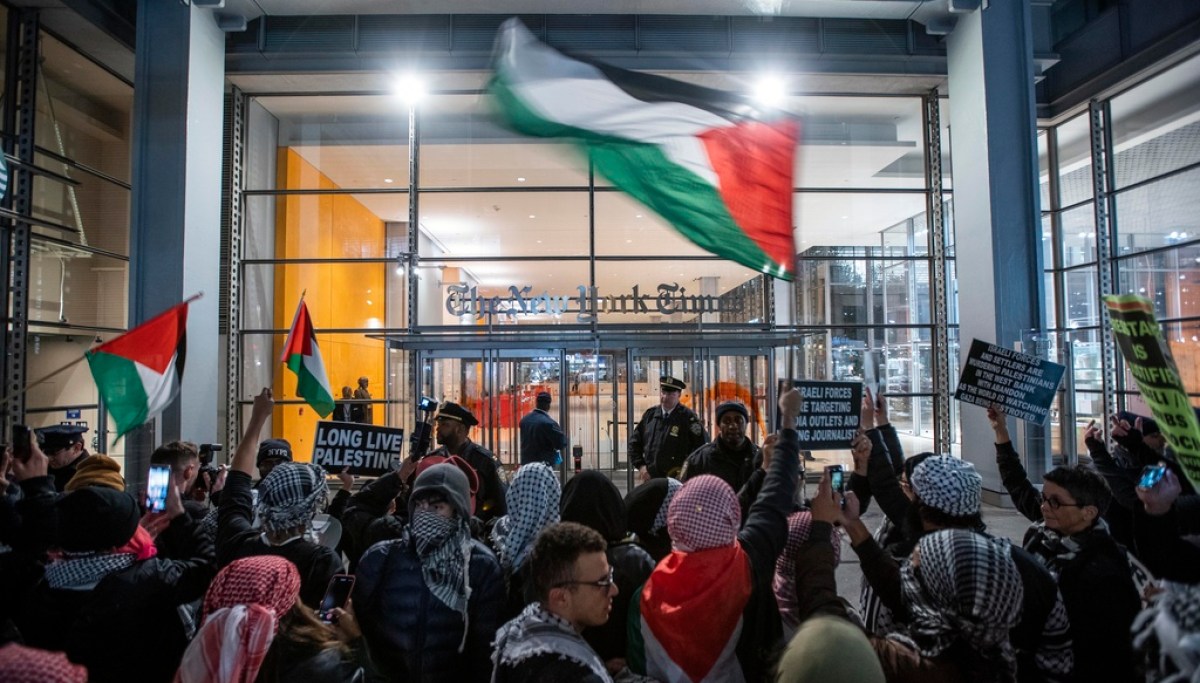
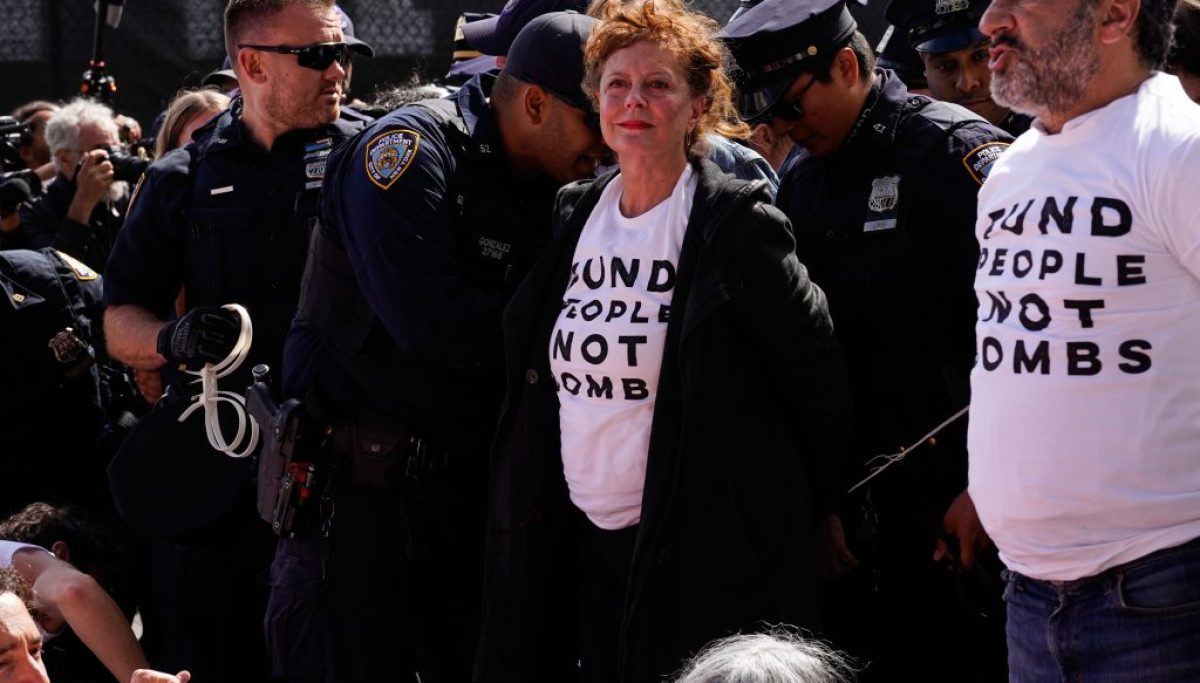
On October 7, 2023, Hamas-led militants breached Israel’s border and attacked southern Israeli communities, killing approximately 1,200 civilians and taking roughly 250 hostages. This event remains a defining moment for both Israelis and Palestinians. In the years since, celebrities like John Cusack, Roger Waters, Susan Sarandon, Cynthia Nixon, Mark Ruffalo, Macklemore, and others have increasingly inserted themselves into the Israeli-Palestinian conflict, often criticizing Israel or supporting Palestinian causes despite lacking expertise on the matter.
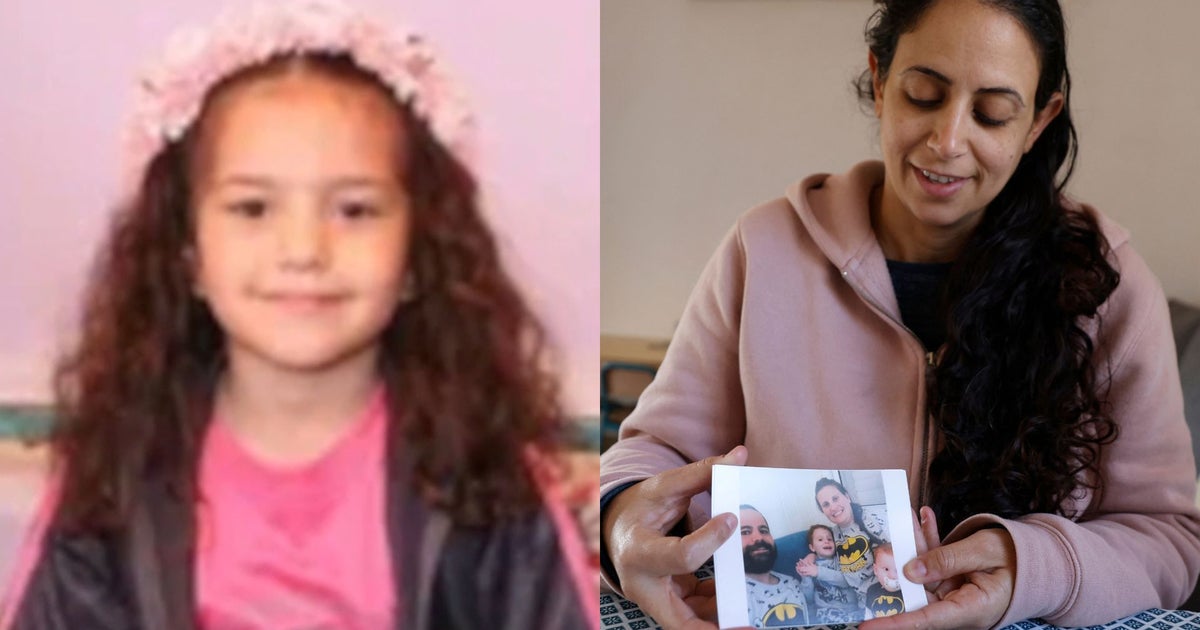
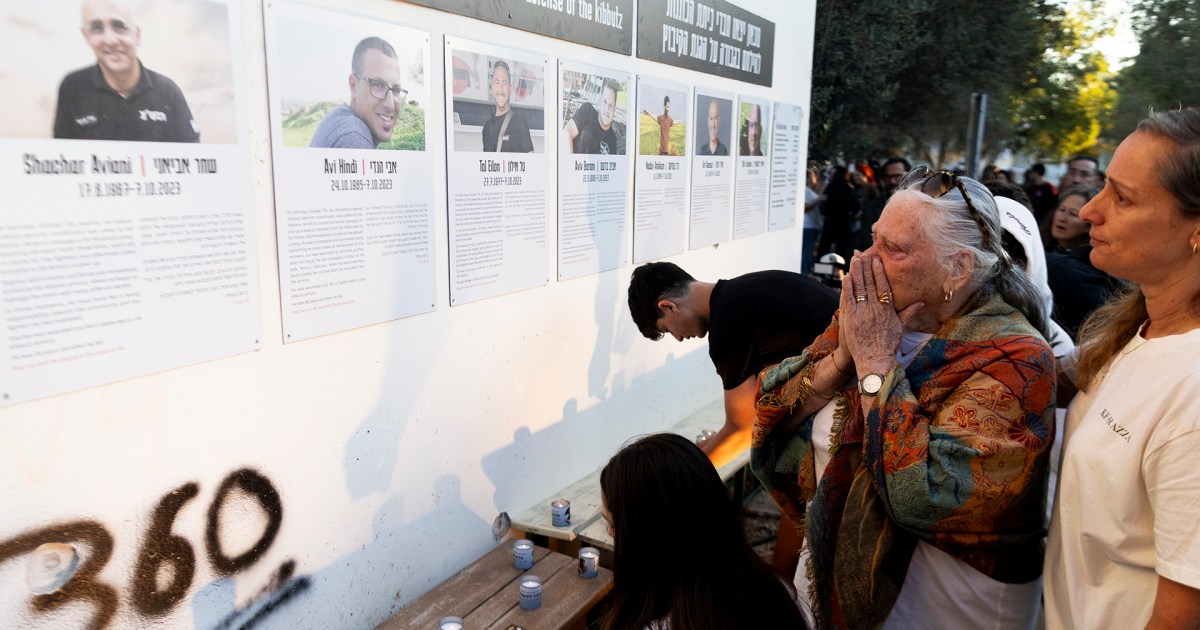
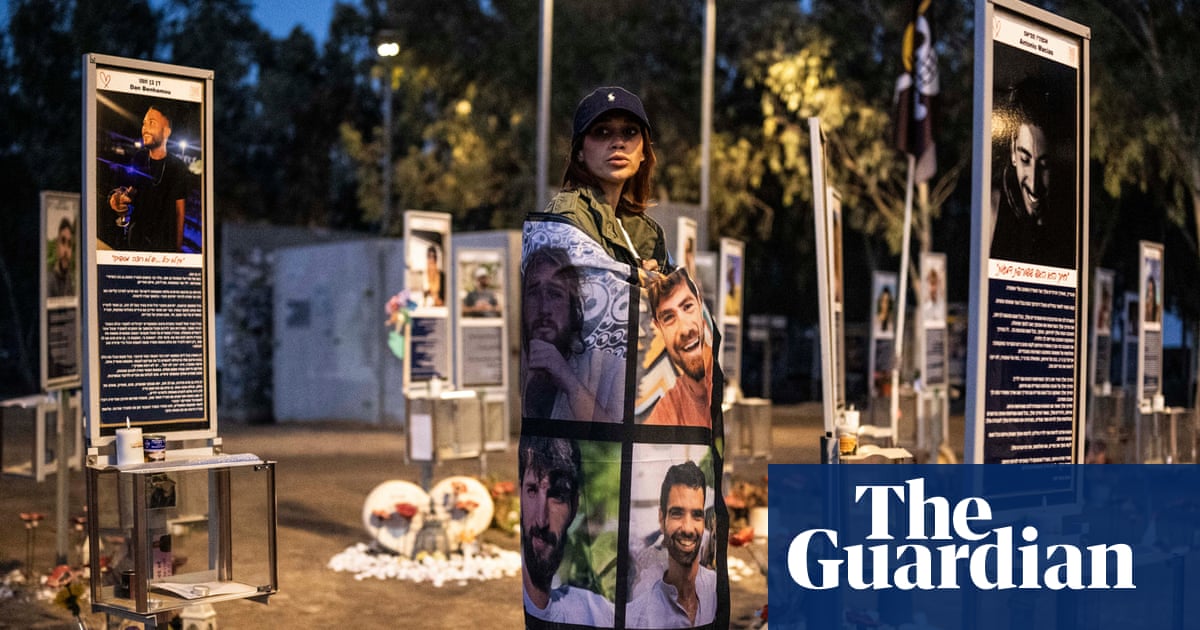
For Israel, October 7 marks a day of intense mourning; memorials are held to commemorate those killed and taken hostage. Bereaved families like Sigal Manzuri fear their loved ones' memories will fade over time and urge others to remember the human impact behind statistics. Meanwhile, Palestinians continue to grapple with the aftermath of Israel's retaliatory campaign that has caused significant destruction in Gaza, where tens of thousands have died and many more remain displaced.
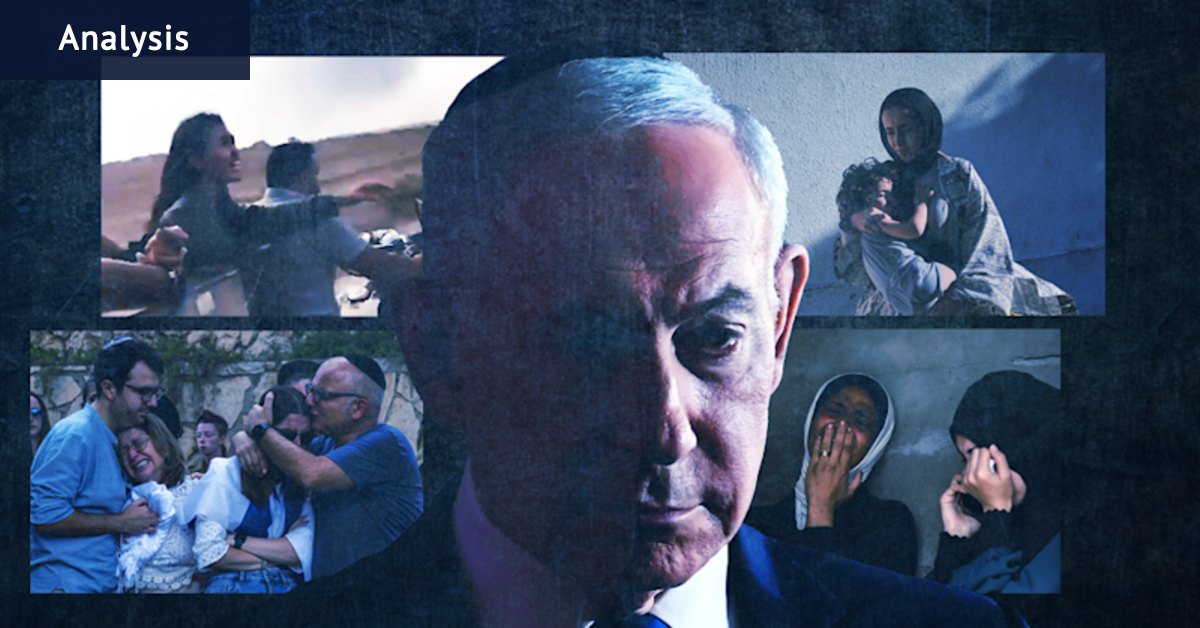
The event also reshaped Israeli politics; Benjamin Netanyahu, despite overseeing the worst security failure in the country’s history, remains Prime Minister. Security officials involved in the response lost their jobs, but Netanyahu managed to maintain his political power amidst widespread criticism. The attack has drawn international attention, with some celebrities using their platforms to voice opinions on the conflict without necessarily having deep expertise on Middle Eastern affairs.
Written for “October 7 Anniversary Events” on 2026-10-07,
grounded in this article and the 40 other(s) covering the same event.
Three years ago, Israel experienced one of the deadliest days in its modern history.
asserted
Israel → experience → history
Hamas and other Palestinian armed groups launched a large-scale attack from Gaza, crossing the border and attacking Israel during a music festival.
asserted
Hamas → launch → festival
More than 1,200 people were killed and 251 people were taken hostage on October 7, 2023, according to the United Nations.
uncertain
people → kill → Nations
The attack led Israel to launch a massive attack in Gaza that has since reshaped the region but remains unresolved.
asserted
that → lead → region
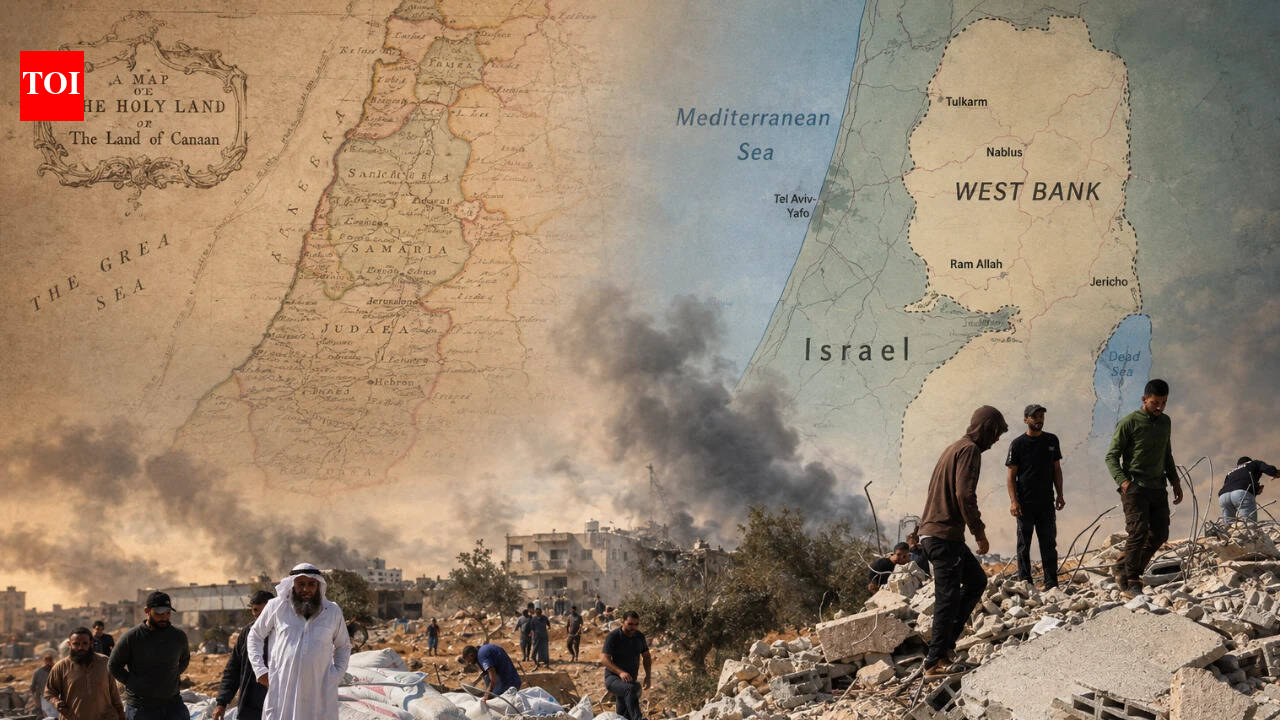
The reasons include the history of the two much before October 7, starting with a “promised land”.
asserted
reasons → include → land
In modern political and popular discourse, the Jewish connection to the land is said to be going back 3,000 years.
asserted
connection → say → land
The figure refers to the history of the ancient Israelites and the long-standing Jewish religious connection to the land.
asserted
figure → refer → land
It all begins with Abraham, a biblical patriarch, and the Jewish belief of the “Promised Land”.
asserted
It → begin → Land
Abraham and the 'Promised Land'
Abraham is one of the central figures in the Hebrew Bible and is regarded in Jewish tradition as the first of the three patriarchs of the Jewish people, followed by his son Isaac and grandson Jacob.
asserted
Abraham → regard → son
According to the Book of Genesis, God tells Abraham to leave his homeland and travel to a land that God will show him.
uncertain
God → accord → him
That land is subsequently identified in the biblical account as Canaan, an ancient name for a region encompassing parts of present-day Israel and the Palestinian territories, although biblical descriptions of its boundaries vary.
asserted
descriptions → identify → boundaries
God then promises the land to Abraham's descendants.
asserted
God → promise → descendants
This becomes the basis of the Jewish concept of the “Promised Land”.
asserted
This → become → Land
For all the land which thou seest, to thee will I give it, and to thy seed for ever.
asserted
I → seest → seed
The biblical story continues through Abraham's son Isaac and grandson Jacob, who is given the name Israel.
asserted
who → continue → name
Thus, Jacob's descendants became known as the ‘Children of Israel’.
asserted
descendants → know → Israel
The modern State of Israel was established only in 1948.
asserted
State → establish → 1948
The biblical story belongs to an ancient religious tradition dating back thousands of years.
asserted
story → belong → years
For centuries, however, the land remained central to Jewish religious memory.
asserted
land → remain → memory
Even after Jews were dispersed across different parts of the world, prayers and religious traditions continued to focus on Jerusalem and the Land of Israel.
asserted
prayers → disperse → Israel
For centuries, the Jewish connection to the Land of Israel remained deeply rooted in religion, history and identity.
asserted
connection → remain → religion
Even after Jewish communities were dispersed across different parts of the world, Jerusalem and the land remained central to Jewish religious memory and prayer.
asserted
Jerusalem → disperse → memory
By the late 19th century, that ancient connection began to take on a modern political form.
asserted
connection → begin → form
Zionism emerged in Europe as a movement seeking Jewish national self-determination and a homeland for Jews, amid growing antisemitism and persecution.
asserted
Zionism → emerge → antisemitism
And the territory at the centre of that movement was Palestine, which encompassed much of the land Jews regarded as their historic homeland.
asserted
Jews → encompass → homeland
But Palestine was not an empty land waiting for a new population.
asserted
Palestine → wait → population
It was home to a predominantly Arab population, including Muslims and Christians, as well as a longstanding Jewish community.
asserted
It → include → Muslims
As Jewish immigration increased, particularly from Europe, two national movements increasingly came to see the same territory as their homeland: the Zionist movement seeking a Jewish national home, and Palestinian Arabs seeking political self-determination in the land where they lived.
asserted
they → increase → land
That claim to the same territory would become the central question of the conflict that followed.
uncertain
that → become → conflict
1917: Britain promises a Jewish national home
The First World War transformed the region.
asserted
War → promise → region
During the war, Britain fought the Ottoman Empire and eventually took control of the territory.
asserted
Britain → fight → territory
In 1917, Britain issued the Balfour Declaration, expressing support for the establishment in Palestine of a “national home for the Jewish people”.
asserted
Britain → issue → people
At the same time, the declaration said that nothing should be done to prejudice the civil and religious rights of the existing non-Jewish communities in Palestine.
asserted
nothing → say → Palestine
For the Arab population of Palestine, however, the prospect of a Jewish national home in a territory where they were already the majority gave rise to concerns and opposition.
asserted
they → give → concerns
Britain subsequently governed Palestine under a League of Nations mandate.
asserted
Britain → govern → mandate
Jewish immigration increased, while relations between Jewish and Arab communities became increasingly tense and violent.
asserted
relations → increase → communities
The UN proposes two states
asserted
UN → propose → states
After the Holocaust and the devastation of European Jewry during World War II, international support for a Jewish state grew.
asserted
support → grow → state
Britain eventually handed the Palestine question to the newly established United Nations.
asserted
Britain → hand → Nations
In 1947, the UN proposed partitioning Palestine into two independent states - one Jewish and one Arab.
asserted
UN → propose → states
…and 29 more, not listed.
 The Aporia