The Guardian
· collected 2026-10-07 · by Seham Tantesh in Gaza and Jason Burke
Ahmed Ishtaiwi has six chairs.
asserted
Ishtaiwi → have → chairs
Ishtaiwi lives in a tent near Deir al-Balah in central Gaza with his two daughters.
asserted
Ishtaiwi → live → daughters
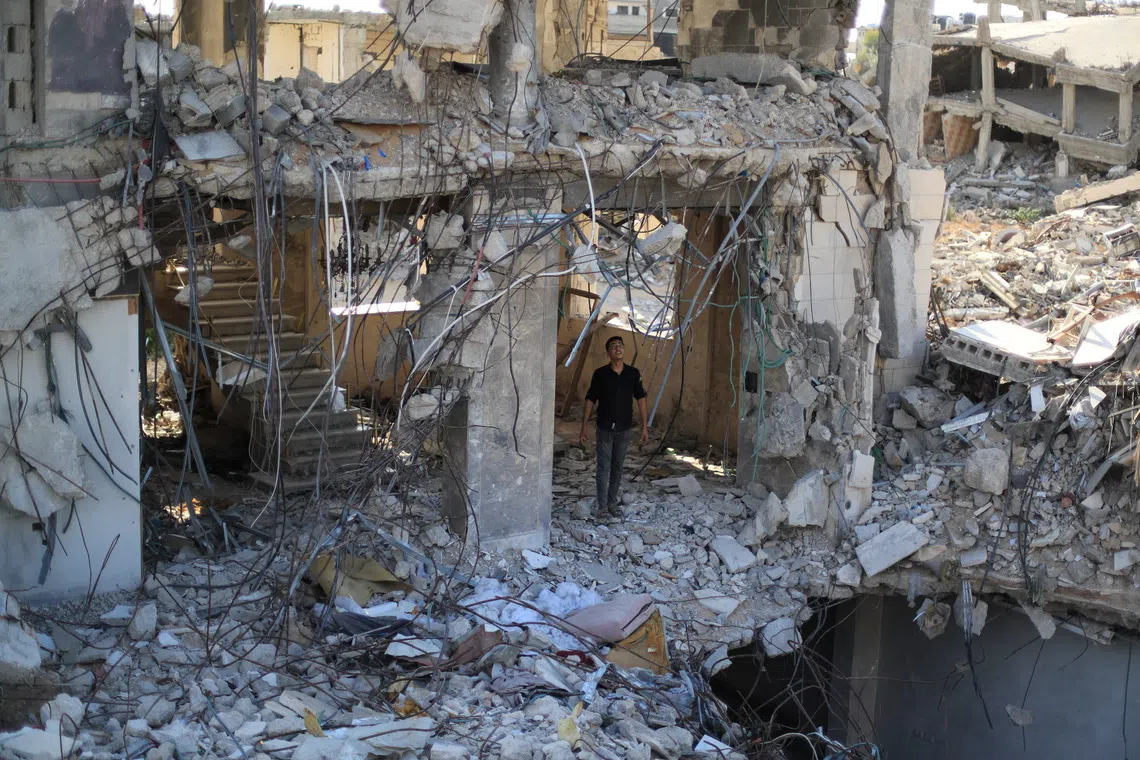
Their former home is far to the north, in the now ruined town of Beit Lahiya, uninhabitable and impossible to reach.
asserted
home → ruin → Lahiya
“When I sit on those chairs, I remember sitting in the garden at home, having breakfast and drinking tea.
asserted
I → sit → tea
They remind me of my life there,” he said last week.
asserted
he → remind → life
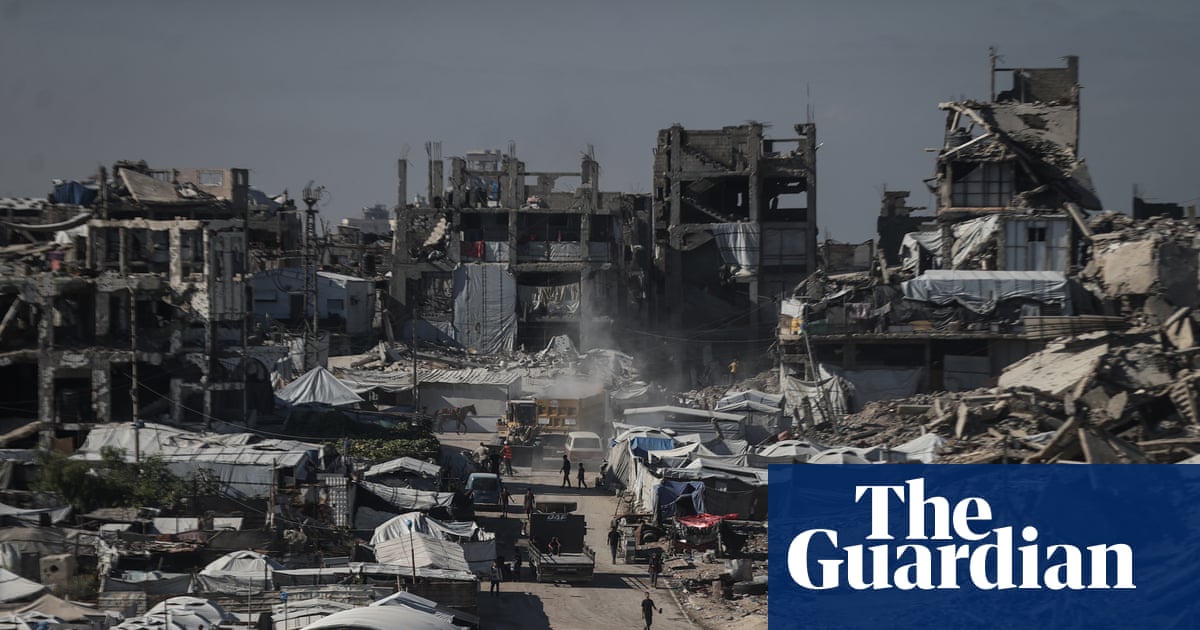
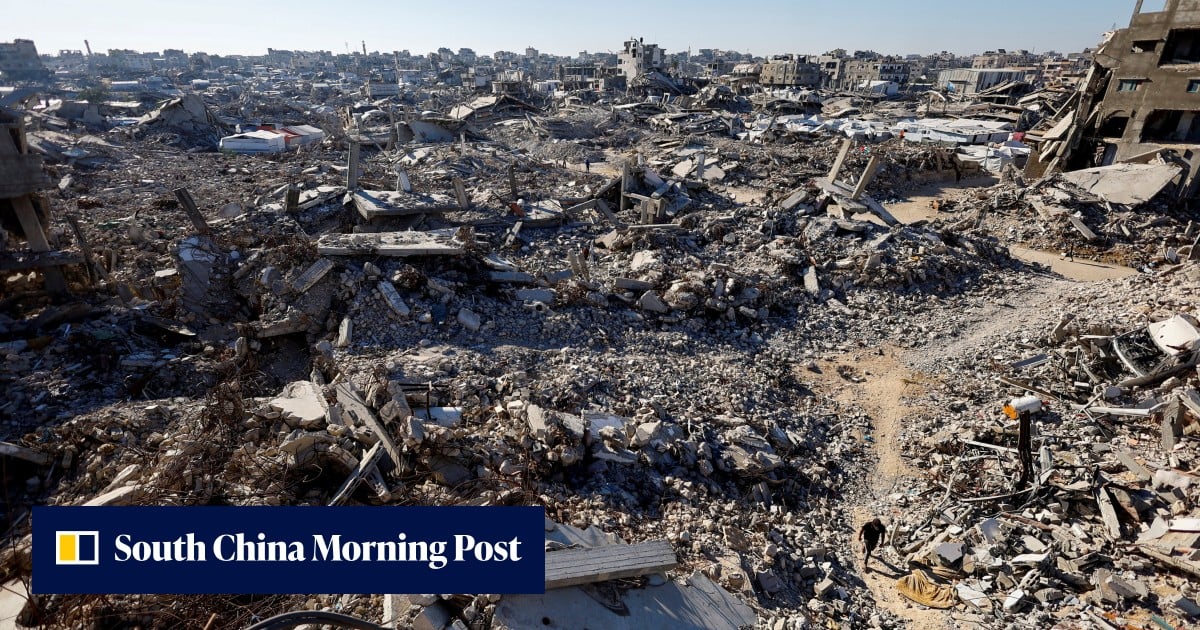
Wednesday is the anniversary of the raid on 7 October 2023 by Hamas militants into southern Israel that killed 1,200 people, mostly civilians, and triggered a relentless Israeli military offensive that killed 73,000 Palestinians, mostly civilians, wounded many more and reduced swathes of Gaza to rubble.
asserted
that → kill → rubble
When Layan al-Jbour, a 15-year-old from the southern city of Khan Younis, tries to bring some order to the crowded makeshift shelter she shares with her parents, brothers and sisters in al-Mawasi, a strip of coastline at the southernmost end of Gaza, she recalls life before the war.
asserted
she → try → war
“When I tidy the tent, I remember our home and how I used to tidy it.
asserted
I → tidy → it
I remember my room and how I used to make my bed.
asserted
I → remember → bed
When I put a sheet over a table and arrange the bedding, the place looks like our old home,” al-Jbour said.
asserted
Jbour → put → home
“We hardly took anything with us from our home.
asserted
We → take → home
We left everything behind, and the only thing I took was my schoolbag.
asserted
I → leave → everything
It is the most precious thing I own now.
asserted
I → own → ?
It reminds me so much of my school days.
asserted
It → remind → days
I loved going to school and meeting my friends there.”
asserted
I → love → friends
Across Gaza, Palestinians describe daily routines full of challenges that nothing in their former lives prepared them for: shortages of water and of nourishing food, minimal healthcare, disease, unemployment, economic collapse and the continuing threat of death or injury.
asserted
nothing → describe → death
Despite a ceasefire a year ago, Israel’s airstrikes continue.
asserted
airstrikes → continue → ceasefire
Palestinians who have approached the “yellow line” that divides Gaza into zones controlled by the Israeli military and by Hamas have been shot dead.
asserted
that → approach → Hamas
In the last year, the overall death toll has risen by a further 1,400 people.
asserted
toll → rise → people
In recent days, Israeli attacks have intensified, killing at least two Palestinians in Gaza on Tuesday, according to health officials.
uncertain
attacks → intensify → officials
The Israeli military said the strikes targeted militants.
asserted
strikes → say → militants
On Wednesday, Gaza medics said at least two Palestinians were killed and others wounded in airstrikes in Beit Lahiya and Khan Younis.
asserted
others → say → Lahiya
“It is what we feared … a ceasefire that just isn’t a ceasefire,” said one international aid worker now based in Amman, Jordan, who worked in Gaza throughout much of the conflict.
asserted
who → fear → conflict
Our local staff are telling us that this is just the next stage of the conflict.”
asserted
this → tell → conflict
Ramiz Alakbarov, the UN’s humanitarian coordinator for the Occupied Palestinian Territory, told the UN security council last month that despite the increase in supplies entering Gaza, the health situation remained critical, with “infectious diseases … widespread amid overcrowded displacement sites and inadequate water, sanitation and hygiene conditions”.
asserted
situation → tell → sites
Inadequate funding for relief efforts exacerbated the “shortages of medical supplies, fuel and the overall humanitarian response”, Alakbarov said, while “restrictions on the entry of critical humanitarian items imposed by Israel” were slowing preparations for cold weather.
asserted
restrictions → exacerbate → weather
Israeli authorities deny shortages and say adequate supplies are reaching Gaza, with more than 600 trucks entering the territory each day.
asserted
trucks → deny → territory
Saleh Kilani, 70, from Beit Lahiya, used to have a farm and olive trees before the war.
asserted
Kilani → use → war
“Around this time of year, I used to press about 60 containers of olive oil.
asserted
I → use → oil
But I lost all of that too.
asserted
I → lose → that
If I go to my home I may die, and if I go to my farm, I may die too.
uncertain
I → go → farm
We are exhausted and we have lost hope.”
asserted
we → exhaust → hope
Kilani said life before the conflict seemed very distant.
asserted
life → say → conflict
“We never used to think twice about seeing orange and peach trees, green fields, grapes and figs.
asserted
We → use → trees
Now when we see them, we are surprised,” he said.
asserted
he → see → them
Hamas, which swiftly reimposed its authority over the 2.3 million Palestinians who live in the third of Gaza not under the control of the Israeli military, has rebuilt a rudimentary administration which provides patchy education, some healthcare services and limited policing based on deterrence through often arbitrary punishment.
asserted
which → reimpose → punishment
Donald Trump’s plan to definitively end the war in Gaza has stalled, with little progress towards disarming Hamas, securing the withdrawal of Israeli troops and beginning the vast job of reconstruction.
asserted
plan → end → reconstruction
“My biggest fear is that this situation will continue.
asserted
situation → continue → ?
We are living through a period that can be described as neither war nor peace,” said Kilani.
asserted
Kilani → live → war
The only time Esraa Abu Taiba recalls her prewar existence is when she gets to practise her former profession: beautician.
asserted
she → recall → profession
…and 15 more, not listed.
 The Aporia