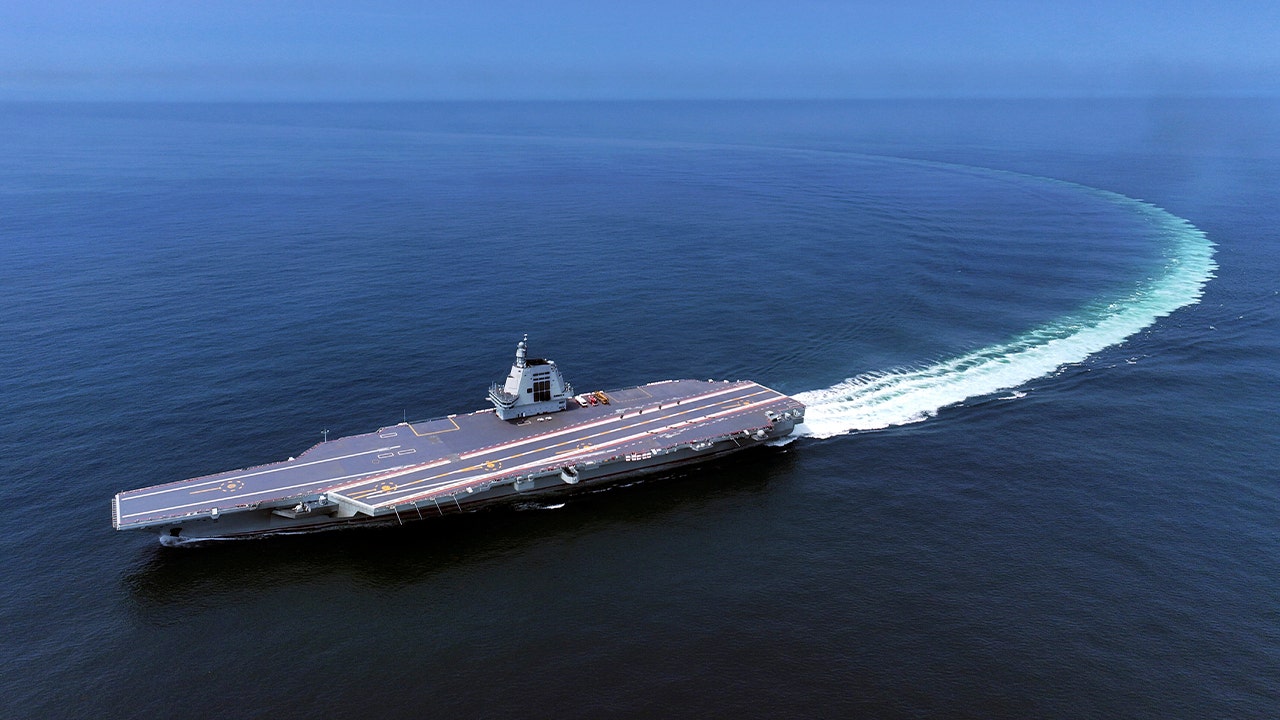
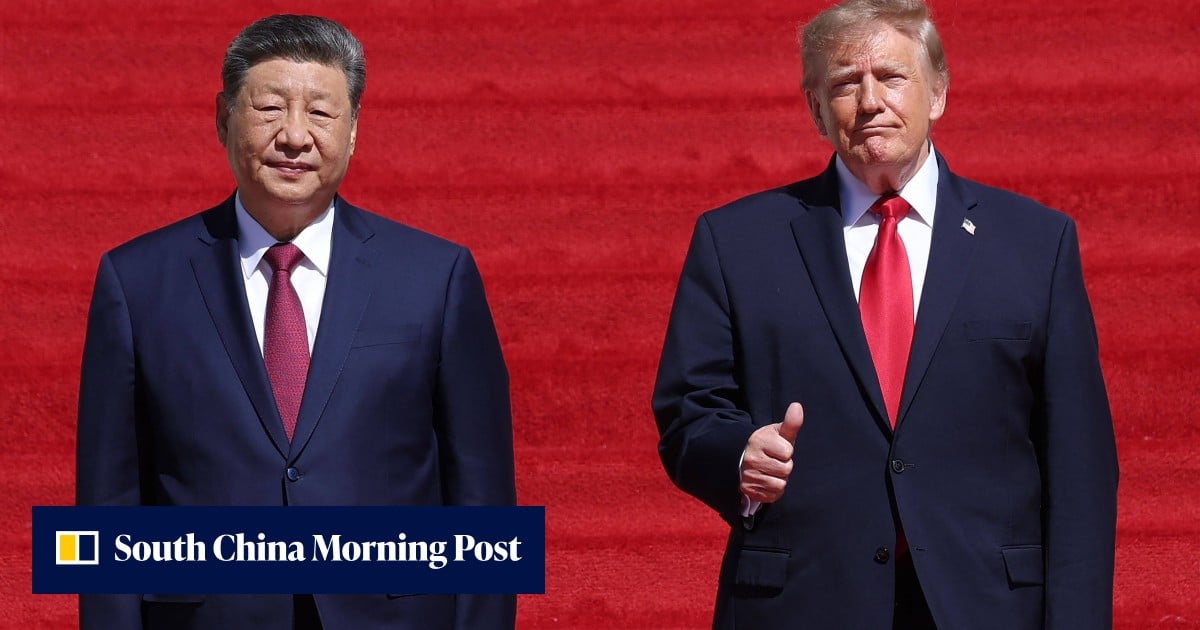
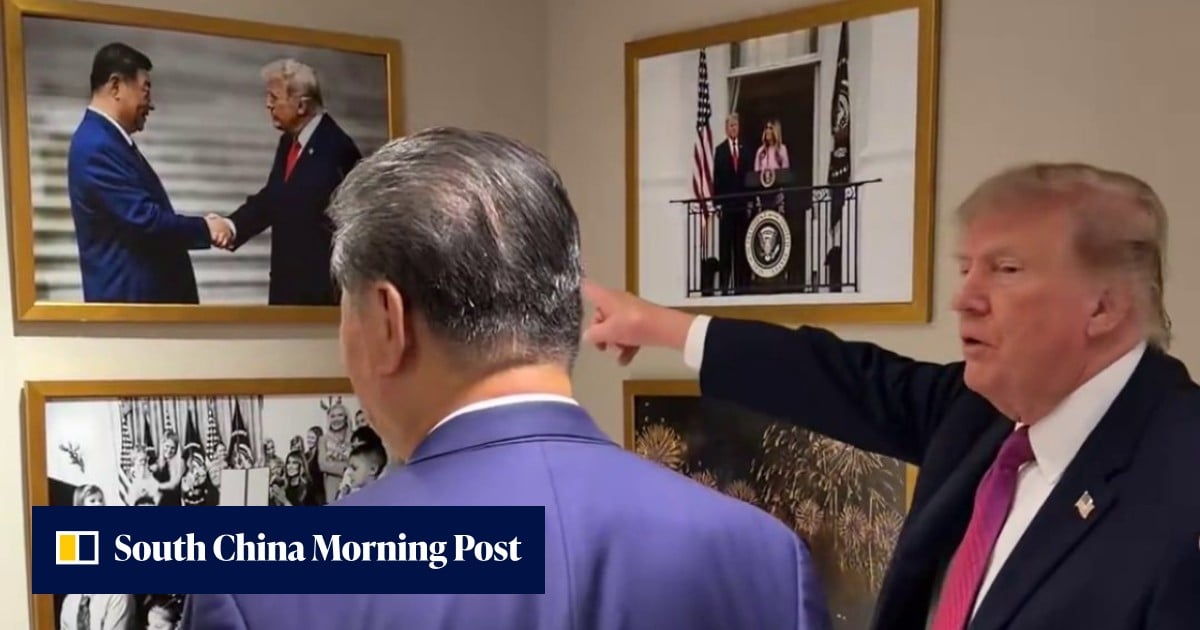
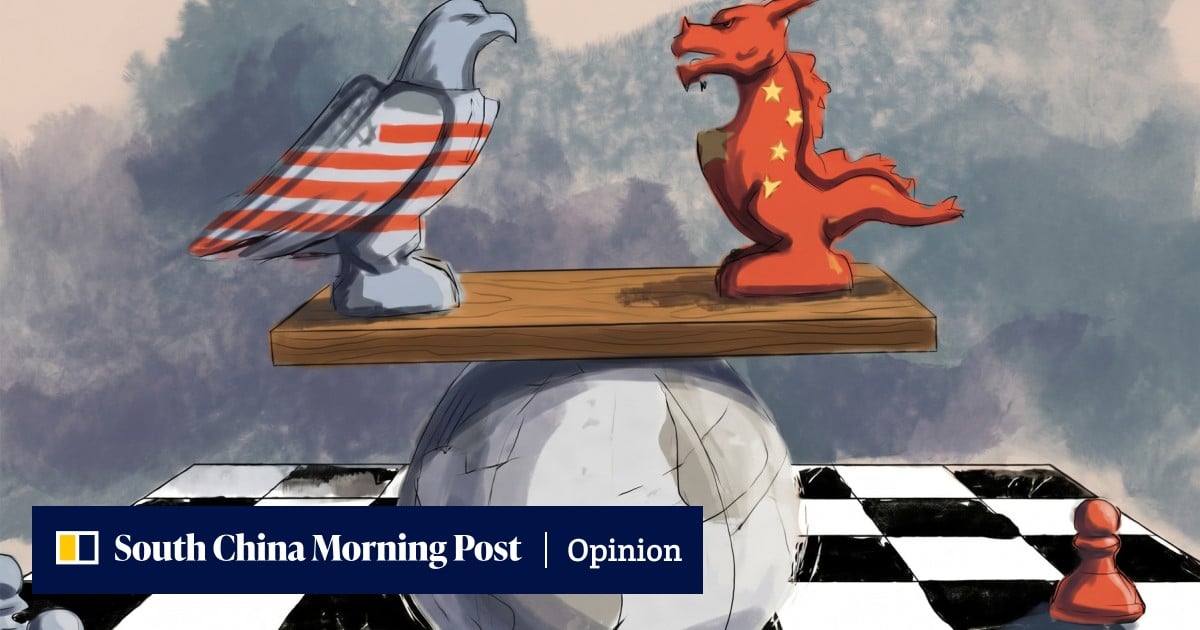
Chinese President Xi Jinping's recent state visit to the United States bought temporary trade peace but did not address long-term financial concerns regarding China’s rapidly expanding navy. The article highlights that while China has successfully built a significant naval fleet, maintaining this fleet will become increasingly expensive starting around 2031 when major overhauls begin for the newly constructed ships. This maintenance period coincides with economic pressures in China, including local revenue shortfalls and declining land sales, raising questions about Beijing’s ability to sustain such high military expenditure.
Written locally by qwen2.5:14b on 2026-10-06,
using this article's own text rather than the other coverage of the
same event (that is the story summary below).
China’s recent state visit bought two months of trade peace.
asserted
visit → buy → peace
But it did not buy Beijing time on the fleet it has already launched and will soon be unable to afford.
asserted
it → buy → fleet
Chinese President Xi Jinping walked a red carpet in Washington for his first state visit to the United States in more than a decade.
asserted
Jinping → walk → decade
President Donald Trump greeted him at Joint Base Andrews.
asserted
Trump → greet → Andrews
Xi told the cameras the two powers "should coexist in peace."
asserted
powers → tell → peace
He also pressed Trump to handle Taiwan with "prudence" and oppose independence.
asserted
He → press → independence
On the minerals that make missiles, drones and warships work, Beijing’s readout went silent.
asserted
readout → make → minerals
The White House said only that the two sides would "continue to work on" rare-earth shortages — practically meaning, America will press hard to address its supply vulnerabilities.
asserted
America → say → vulnerabilities
Beyond the pleasantries in Washington — it costs little to be polite and talk is far cheaper than war — China continues to press forward on a war footing, launching warships at a breathtaking pace.
asserted
China → cost → pace
Communist China’s problem is no longer whether it can build a navy.
asserted
it → build → navy
It built one.
asserted
It → build → one
The problem is whether it can keep one after 2031.
asserted
it → keep → 2031
For a modern navy, operating and support costs commonly consume 60% to 70% of a ship’s life-cycle cost.
asserted
costs → consume → cost
The People’s Liberation Army Navy spent a decade in series production: destroyers, frigates, carriers, conventional and nuclear submarines.
asserted
Navy → spend → production
But if overhaul rates on these new ships resemble the old ones, the heaviest work on China’s most capable surface combatants begins around 2031 and runs for a decade.
asserted
work → resemble → decade
This will force repair yards to compete with new-build demand.
asserted
This → force → demand
The maintenance workforce is already stretched.
asserted
workforce → stretch → ?
Fuel, munitions and realistic training hours add considerably to the cost.
asserted
Fuel → add → cost
That bill lands on a fiscal system already cracking at the local level.
asserted
bill → land → level
In 21 provincial-level regions, local revenue covers less than half of spending.
asserted
revenue → cover → spending
Land sales, the main source of provincial income, have collapsed.
asserted
sales → collapse → income
Beijing has spent two years swapping "hidden" local debt onto official books, which lowered interest rates and raised the visible pile.
asserted
which → spend → pile
Beijing can still issue bonds and order state banks to roll paper.
asserted
Beijing → issue → paper
But it cannot restore 2010s’ growth or a healthy property market.
asserted
it → restore → growth
Deflation makes every yuan of debt heavier.
asserted
yuan → make → debt
History has seen this movie.
asserted
History → see → movie
In the 1930s, German Minister of the Economy Hjalmar Schacht hid Nazi rearmament behind Mefo bills — phony promissory notes a shell company issued so the official deficit looked respectable — and stayed hidden from the requirements of the Versailles treaty.
asserted
deficit → hide → treaty
By late 1938, the trick was exhausted.
asserted
trick → exhaust → 1938
The first bills were coming due.
asserted
bills → come → ?
Schacht warned that arms spending would have to be cut or the Reich would go broke.
asserted
Reich → warn → ?
Adolf Hitler fired him.
asserted
Hitler → fire → him
What kept Germany solvent afterward was loot: Austria, then Czechoslovakia’s gold and Skoda arms works, then Poland.
asserted
kept → keep → Germany
Plunder postponed insolvency.
asserted
Plunder → postpone → insolvency
Xi is not running a Mefo scheme.
asserted
Xi → run → scheme
Local-government financing vehicles were built to pave roads and hit GDP targets, not to conceal a Versailles-illegal Wehrmacht.
asserted
vehicles → build → Wehrmacht
The parallel that matters is the maturity date.
asserted
that → matter → ?
A built force starts to demand a flow of money the buildup years did not require.
asserted
years → build → money
Hitler could rob neighbors.
uncertain
Hitler → rob → neighbors
Xi cannot cash a Czech National Bank.
asserted
Xi → cash → Bank
He can try coercion, blockade or a short, violent fait accompli against Taiwan before the sustainment wall arrives — and before American industry finishes rerouting the supply chains his predecessors spent 20 years capturing.
asserted
predecessors → try → years
…and 17 more, not listed.
 The Aporia