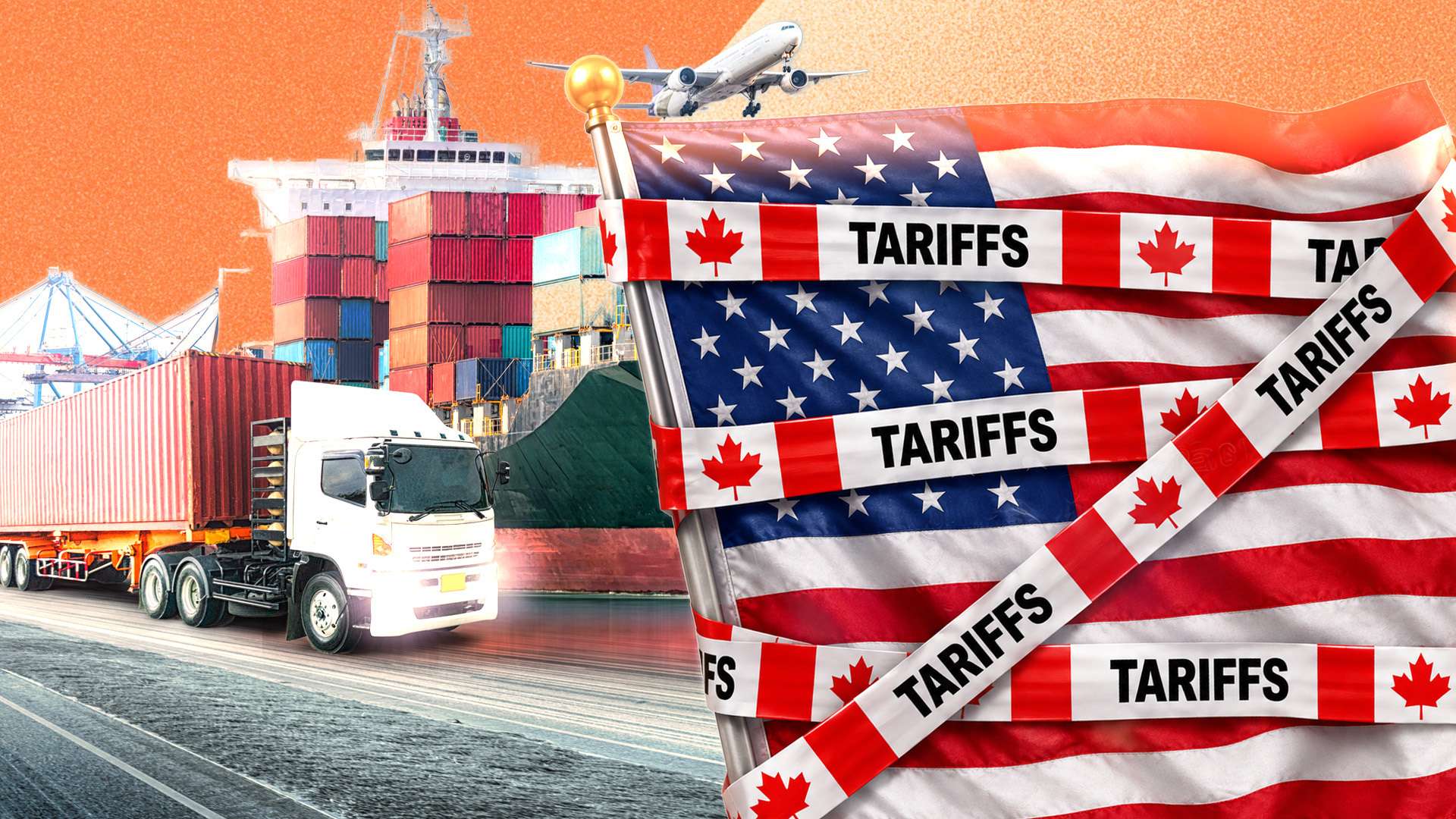
Boosting trade with a more diverse array of international partners would only plug part of the hole in Canada’s economy if the U.S. were to withdraw from the North American trade pact, says a new Deloitte Canada report.
asserted
report → boost → pact
So Canada must look at measures beyond trade diversification to help make up the difference, such as removing interprovincial trade barriers and fostering new industries, wrote the authors of “Tariffs: A Rough Road Leads to New Destinations,” released Thursday.
asserted
Road → look → Destinations
It lays out a best- and worst-case scenario for the domestic economy amid the cross-border trade maelstrom.
asserted
It → lay → maelstrom
“What we wanted to do is to get a better picture around what’s the impact if the worst happens and the (United-States-Mexico-Canada) agreement falls apart, and then how much can we offset of the negative impact?” report co-author Matthew Stewart, a partner at Deloitte Canada, said in an interview.
asserted
Stewart → want → interview
The worst scenario would be the dissolution of the USMCA, which the report’s authors call “a possibility that cannot be dismissed.”
asserted
that → call → which
The U.S. accounted for about 70 per cent of Canada’s exports in 2025.
asserted
U.S. → account → 2025
If that were to happen, Canada’s real gross domestic product would fall by 1.6 per cent, or $402-billion, over the next decade relative to the status quo baseline – U.S. tariff levels as of July 1 of this year and USMCA intact.
asserted
product → happen → year
It projects employment would shrink by 163,000 jobs annually on average, dragging wages and consumer spending along with it.
asserted
employment → project → it
“The bottom line is a severe but not cataclysmic impact on Canada’s overall economy, although perhaps cataclysmic for some sectors,” wrote Stewart and co-authors Danielle Bochove and Trevin Stratton.
asserted
Stewart → write → sectors
Manufacturing would bear the brunt.
asserted
Manufacturing → bear → brunt
Motor vehicles and parts would see a 28-per-cent plunge in real GDP compared to the baseline, while electronics, machinery and equipment would lose 21 per cent, rubber and plastics products 20 per cent and chemicals 13 per cent by 2036.
asserted
electronics → see → 2036
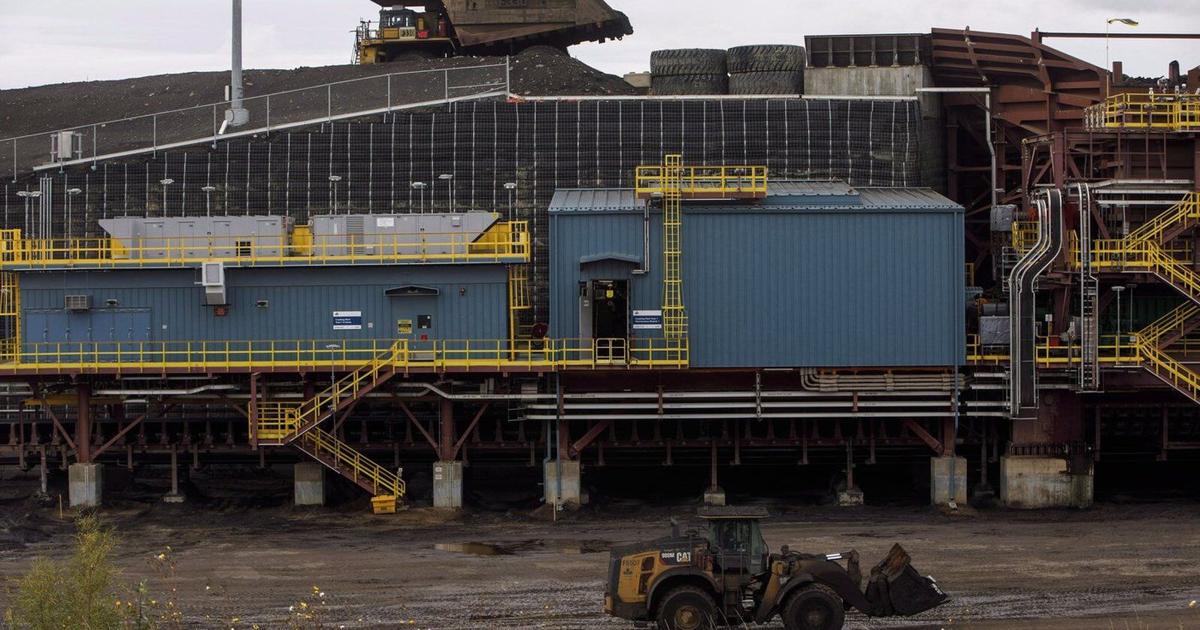
The model also accounts for the oil and gas sector, which would no longer be shielded from a 10-per-cent global tariff imposed by the U.S.
asserted
which → account → U.S.
Oil sales to the U.S. would drop 11 per cent and natural gas would see a 30-per-cent decline.
asserted
gas → drop → decline
The best-case scenario would see Canada maintaining its existing free-trade agreements – including the USMCA – while forging new ones.
asserted
Canada → see → ones
“The model suggests that the gains from export diversification, while encouraging, are smaller in scale than the consequences of the breakdown in preferential trade with the U.S. envisioned in Scenario One.”
uncertain
gains → suggest → Scenario
Under this case, Canada’s real GDP would grow by 0.6 per cent, or $141-billion, in the next decade.
asserted
GDP → grow → decade
Almost 53,000 jobs a year would be created.
asserted
jobs → create → ?
The sectors most likely to gain in this scenario would be agriculture, particularly with greater trade with China and India, as well as manufacturing of various goods.
asserted
sectors → gain → goods
The report’s authors argue Canada needs to do more than find new markets for established products.
asserted
Canada → argue → products
“It also needs to lean into policies that enable greater self-sufficiency … by breaking down internal barriers and developing new areas of specialization at home that lay the basis to competitively serve world markets.”
asserted
that → need → markets
The report highlighted Ottawa’s massive investments in defence and support for new export infrastructure and critical minerals refining as positive steps.
Deloitte research from 2025 suggests that completely phasing out interprovincial trade barriers over five years would generate an additional $881 billion in economic output by 2040 and create 133,000 new jobs.
“I don’t think all of this would be easily attainable, but I think we could at least achieve half of that,” Stewart said.
uncertain
Stewart → highlight → that
“Together with the diversification and more open internal trade, we could offset most of the decline from a worsening situation with the United States.”
uncertain
we → offset → States
 The Aporia