You’re reading Dispatch Markets, a weekly dive into the forces driving economic growth—and those holding it back—featuring Scott Lincicome, Kyla Scanlon, Karl Smith, Marian Tupy, and Adam Ozimek.
asserted
You → read → Lincicome
As the evidence mounts that President Donald Trump’s tariffs have been a legal, economic, and fiscal miss, their defenders have retreated to foreign policy.
asserted
defenders → mount → policy
Sure, the argument goes, the tariffs raised prices without meaningfully changing the trade balance or reviving American manufacturing.
asserted
tariffs → go → manufacturing
But they nevertheless pushed dozens of foreign governments to open their markets, to invest trillions of dollars here, and to fall in behind Washington on China and other geopolitical priorities.
asserted
they → push → China
Three events from the last few weeks have shown some of the flaws with this story:
asserted
events → show → story
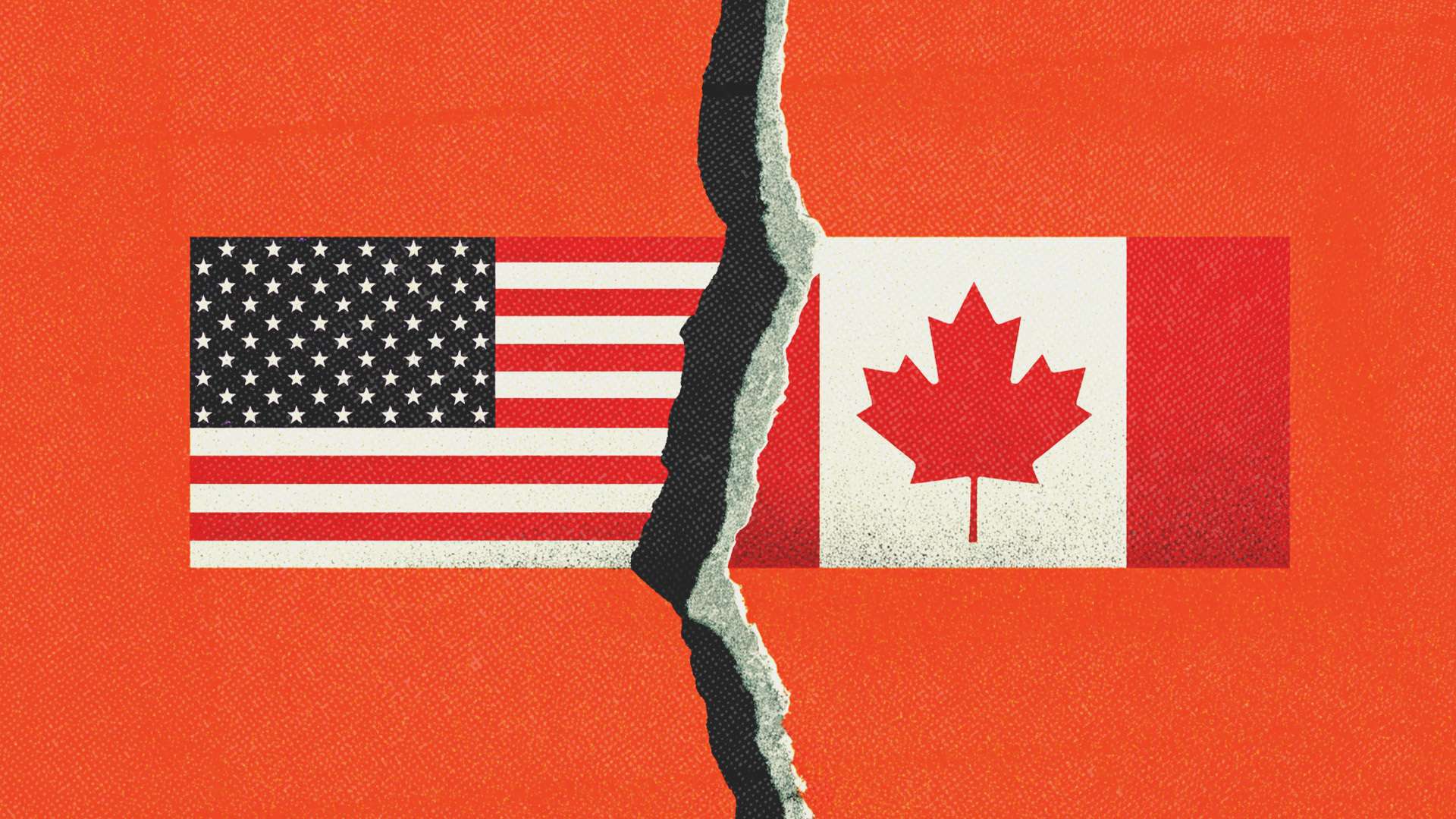
- On August 22, U.S.-Canada negotiations—prompted by new Trump tariff threats—collapsed hours before an already-extended deadline, causing not only the U.S. tariffs to enter into force but also Canadian retaliation, U.S. retaliation for that, and the clear risk of a spiraling trade conflict that threatens almost $1 trillion in annual commerce and one of the United States’ closest military alliances.
asserted
that → prompt → alliances
- Days earlier, something even weirder had happened.
asserted
something → happen → ?
Citing his “very good relationship” with North Korea’s murderous Kim Jong Un, Trump ordered the Pentagon to scale back joint exercises with South Korea—a move reportedly motivated by U.S. officials’ frustration with Seoul slow-walking the $350 billion investment pledge it made as part of a tariff-fueled trade deal with Washington.
uncertain
it → cite → Washington
And just this past Tuesday, the United Kingdom announced that, thanks to Canadian approval in July, it became a full member of the Comprehensive and Progressive Agreement for Trans-Pacific Partnership (CPTPP)—a sprawling trade deal that broadly liberalizes trade among 11 other economies (and that Trump abandoned in 2017).
asserted
Trump → announce → 2017
This is the “foreign policy case for U.S. tariffs” in practice, and it’s hardly an outlier.
asserted
it → ’ → practice
Get the U.S. Chamber’s free newsletter for insights on the economic policy, workforce trends, and regulatory landscape that affect businesses and markets.
asserted
that → get → businesses
By subscribing you agree to receive communications from the U.S. Chamber of Commerce.
asserted
you → subscribe → Commerce
Arguably the centerpiece for Trump’s tariff regime was the 20-plus “trade deals” his team announced last year to great fanfare.
asserted
team → announce → fanfare
Yet many of them have turned out to be little more than press releases, if that.
asserted
many → turn → releases
Several promised deals were never finished.
asserted
deals → promise → ?
The U.S.-India agreement, which U.S. Trade Representative (USTR) Jamieson Greer’s team called “99 percent” done last June, remains on hold.
asserted
team → call → hold
Brazil got tariffs instead of a deal after its negotiations collapsed.
asserted
negotiations → get → tariffs
South Africa’s talks are stalled.
asserted
talks → stall → ?
Kenya is starting over (again).
asserted
Kenya → start → ?
Free-trading New Zealand never got anything at all; Chile didn’t either.
asserted
Chile → trade → anything
Other deals were announced as finished but never actually materialized.
asserted
deals → announce → ?
Malaysia’s trade minister declared his country’s October 2025 agreement null and void after the Supreme Court’s ruling against Trump’s “emergency” tariffs in February.
asserted
agreement → declare → February
Indonesia signed its deal a day before the ruling, but Jakarta now says it never entered into force.
asserted
it → sign → force
The U.S. announced deals with the Philippines and Pakistan, but those governments never confirmed the same terms.
asserted
governments → announce → terms
Bangladesh signed its deal three days before a major national election, and the new government says it’s now under review.
asserted
it → sign → review
Thailand’s still negotiating the implementation of its October 2025 framework deal, and North Macedonia … who knows, man.
asserted
who → negotiate → deal
Also into this category fall my personal favorites, the U.S. “trade deals” with Saudi Arabia, the UAE, and Qatar.
asserted
favorites → fall → Arabia
Those have no treaty text or signed framework (let alone formal approval by the governments’ respective advisory councils) and are instead simply White House fact sheets touting non-binding investment pledges worth a ridiculous $4 trillion—almost double the nations’ collective GDP in 2026 and far greater than anything they’ve ever invested here before.
asserted
they → have → anything
Here, history seems to be repeating: In 2017 the Saudis announced U.S. investments worth $350 billion ($110 billion of it “immediate”), yet measured Saudi direct investment rose by just $5 billion through 2024.
asserted
investment → seem → 2024
Four deals have progressed beyond the press release stage, but weaknesses abound here, too.
asserted
weaknesses → progress → stage
The U.S.-U.K. “economic prosperity deal” was signed on May 8, 2025, but remains incomplete.
uncertain
deal → sign → May
In July, the House of Commons Business and Trade Committee reported that the EPD, the follow-on (and now paused) “technology prosperity deal,” and a December 2025 pharmaceutical deal are all legally non-binding because they weren’t enacted into law, though a few elements—on expanded beef and ethanol quotas and pharmaceutical pricing—were implemented via secondary legislation.
asserted
elements → report → legislation
(In exchange, the U.S. gave the U.K. a lower 10 percent baseline tariff rate and preferential treatment for British aerospace, agriculture, pharmaceuticals, and automotive goods.)
asserted
U.S. → give → aerospace
On nontariff barriers (including regulatory standards) and digital trade, the committee’s report shows no progress, while services were never in the deal.
asserted
services → include → deal
Notably, the U.K.’s discriminatory digital services tax is still in place, leading Trump to threaten new tariffs over it and similar European DSTs back in April.
asserted
tax → lead → April
The U.S. implemented its July 2025 framework with Japan by executive order, while Japan never ratified anything.
asserted
Japan → implement → anything
In fact, Japan told WTO members earlier this month that it has made no tariff concessions, and that the agreement is not legally binding.
asserted
agreement → tell → concessions
Instead, the deal—including $550 billion in promised Japanese spending and investments—is an “administrative understanding” that Japan can terminate at any time.
asserted
Japan → include → time
The Japanese government promised to buy more American rice but told the WTO that procurement would still be by open tender, with no preference given to any country and no additional quota allocation to the United States.
asserted
procurement → promise → States
Its promised defense purchases were already planned as part of its defense buildup program.
asserted
purchases → promise → program
…and 97 more, not listed.
 The Aporia