President Donald Trump stated that the United States is prepared to assist Russia with a suspected pneumonic plague outbreak reported in Siberia's Irkutsk region. The incident involves a laboratory worker at an anti-plague institute who died of the disease; around 200 people are under medical observation. Russian authorities have quarantined a local hospital while tracing contacts, though details remain limited and official information from Russia has been sparse. Trump emphasized that despite advancements in medicine, treating such diseases remains challenging, indicating readiness to support countries facing similar issues.
Written locally by qwen2.5:14b on 2026-10-05,
using this article's own text rather than the other coverage of the
same event (that is the story summary below).
Story summary
A 28-year-old lab technician named Darya Shipilova died of pneumonic plague in Siberia after breaking a test tube at the Irkutsk Anti-Plague Institute on September 29, prompting health officials to quarantine around 200 people who had been in contact with her. The incident raised concerns about a potential wider outbreak and prompted Russia’s Chief State Sanitary Doctor Anna Popova to travel from Moscow to manage the situation personally. Hospitals and facilities were placed under quarantine measures, with Irkutsk Governor Igor Kobzev urging residents to remain calm despite widespread fears of another pandemic scenario similar to Wuhan in 2019. The U.S. government is closely monitoring developments through its embassy and federal agencies like the CDC, while calling for transparency from Russian authorities regarding the full extent of the situation. Cooler temperatures are expected to mitigate any potential spread of the disease. Despite these measures, there remain concerns about the broader implications should the outbreak escalate further.
Written for “Plague Outbreak in Siberia” on 2026-10-05,
grounded in this article and the 28 other(s) covering the same event.
Why this leaning score
This article does not take a side on a contested political
question, so it has no leaning score. That is an
answer rather than a gap: a match report or a rescue can be warmly
or critically written without being left or right, and scoring it
anyway is how approval of a subject gets recorded as a political
position.
No political leaning scored for article 58580 · logged 2026-10-05
President Donald Trump says the United States is ready to help Russia with a suspected pneumonic plague outbreak.
asserted
States → say → outbreak
“We are looking at it very strongly.
asserted
We → look → it
We just heard about it,” Trump said, adding that he had not spoken to Russian President Vladimir Putin about it but is prepared to offer US support.
asserted
he → hear → support
Recommended Stories
list of 3 items- list 1 of 3Ebola death toll surpasses 4,000 as DR Congo struggles to suppress outbreak
- list 2 of 3WHO warns of ‘devastating consequences’ due to delayed aid entry into Gaza
- list 3 of 3Russian lab worker dies of suspected plague in Siberia; US monitoring case
“It’s a disease we used to be able to control,” Trump said.
asserted
Trump → surpass → Siberia
“Even with great advancement, the germs have really become relatively stronger than they were, and things that used to work on pneumonia don’t work anymore …
asserted
that → become → pneumonia
anyone that has that kind of problem, we will help.”
asserted
we → have → problem
The World Health Organization (WHO) said based on unofficial information it has received, the “public health risk to the general population appears to be low”.
asserted
risk → say → population
Earlier on Monday, US Secretary of State Marco Rubio downplayed the danger as well.
asserted
Rubio → downplay → danger
“I don’t think it’s cause for alarm, but it is cause for focus and a cause to just keep an eye on it,” Rubio said.
asserted
Rubio → think → it
Russian authorities have quarantined a hospital and are tracing the contacts of an employee at a plague research institute in the remote Siberian region of Irkutsk who died of a suspected pneumonic plague infection.
asserted
who → quarantine → infection
Local media identified the employee as 28-year-old laboratory technician Darya Shipilova.
asserted
media → identify → Shipilova
Official details about the incident have been limited, and Russian media reports say authorities in Irkutsk have placed nearly 200 people under medical observation.
On Sunday, Russia’s official TASS news agency reported that the country’s consumer protection agency, Rospotrebnadzor, said an employee at the Irkutsk Anti-Plague Research Institute of Siberia and the Far East was diagnosed with “pneumonia of unknown aetiology” or origin.
asserted
employee → limit → aetiology
The agency also said it had expanded sample testing from the patient and found no microorganisms associated with her work.
asserted
it → say → work
On Saturday, the governor of neighbouring Buryatia region said in a post on his Telegram channel that a woman in Irkutsk had “died, maybe of the plague”.
asserted
woman → neighbour → plague
In a statement to Al Jazeera, a US State Department official said: “We encourage Russian authorities to share accurate information quickly and openly.”
asserted
We → say → information
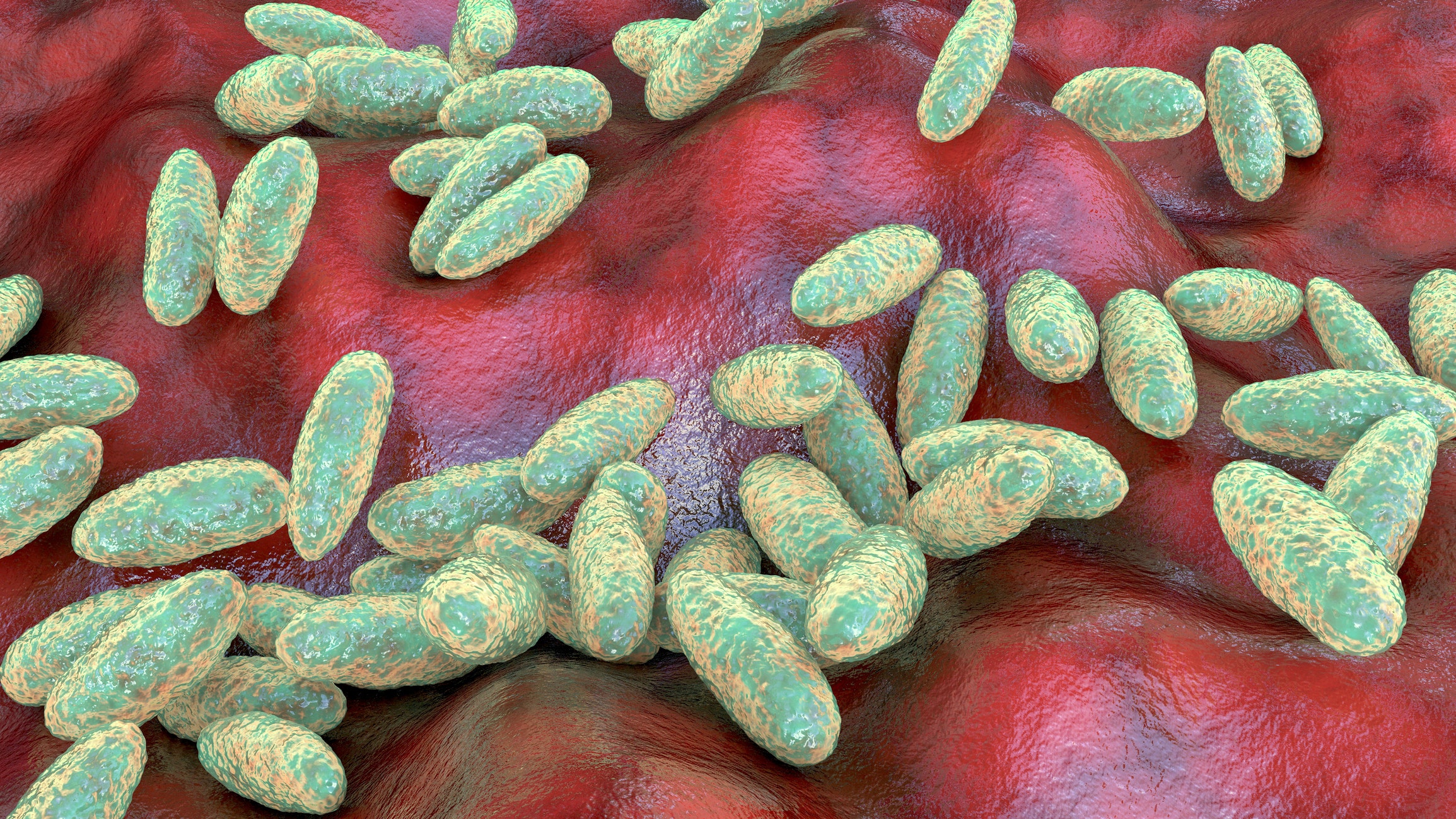
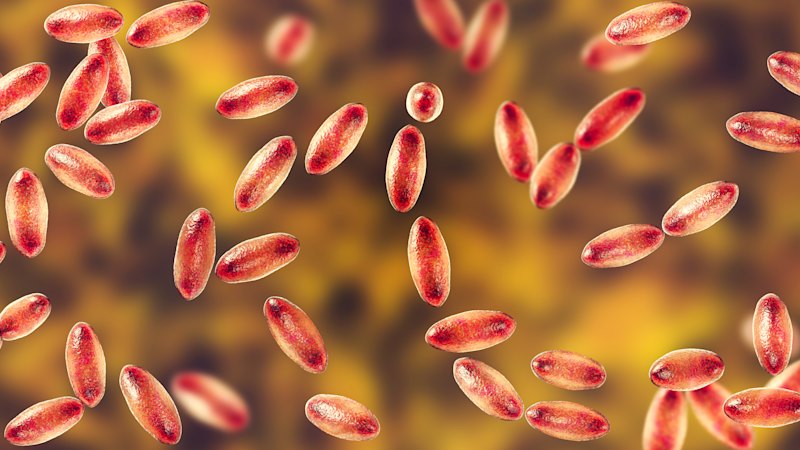
Pneumonic plague is caused by the bacterium Yersinia pestis, usually found in small mammals and their fleas.
asserted
plague → cause → mammals
According to the WHO, the plague is highly infectious and can be fatal if not treated early.
uncertain
plague → accord → WHO
The plague comes in three forms affecting different parts of the body.
asserted
plague → come → body
Pneumonic plague, an infection of the lungs, triggers the patient to cough out infectious airborne droplets.
asserted
plague → trigger → droplets
If identified quickly, antibiotics can treat the disease.
asserted
antibiotics → identify → disease
Left untreated, it can be fatal in one to six days.
asserted
it → leave → days
 The Aporia