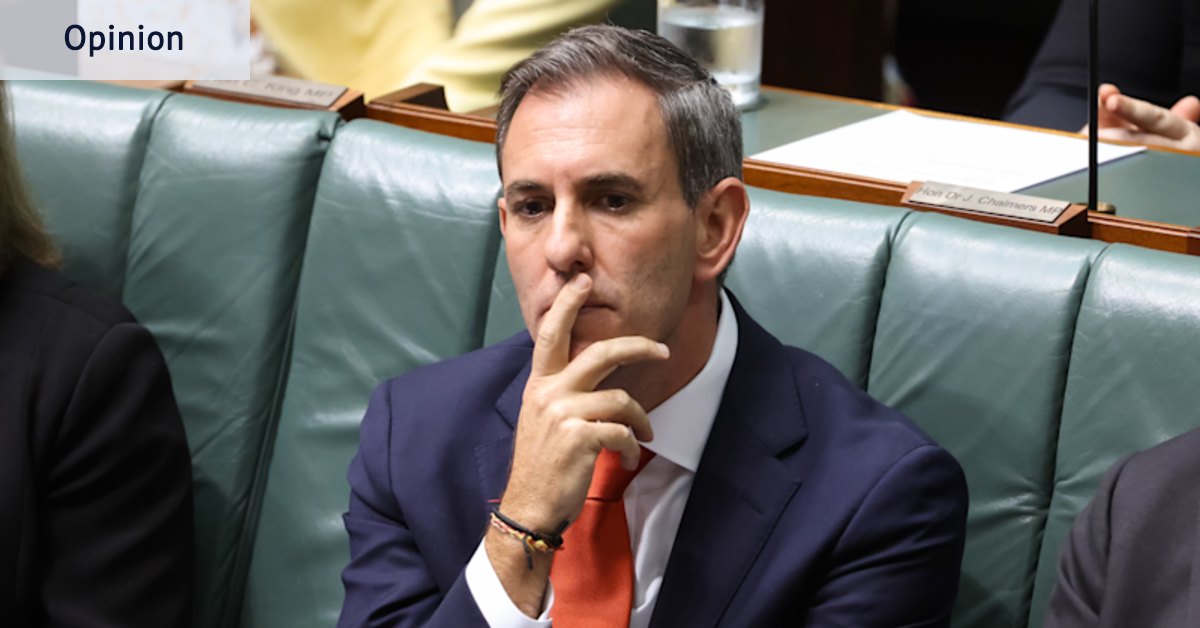
Photo via The Sydney Morning Herald

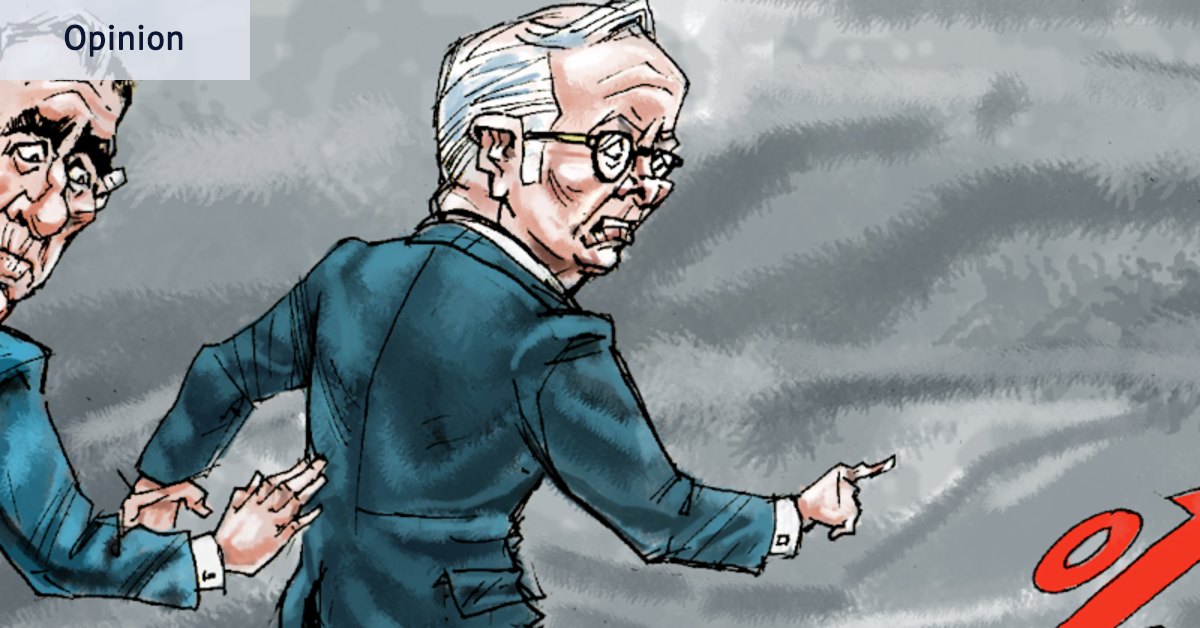
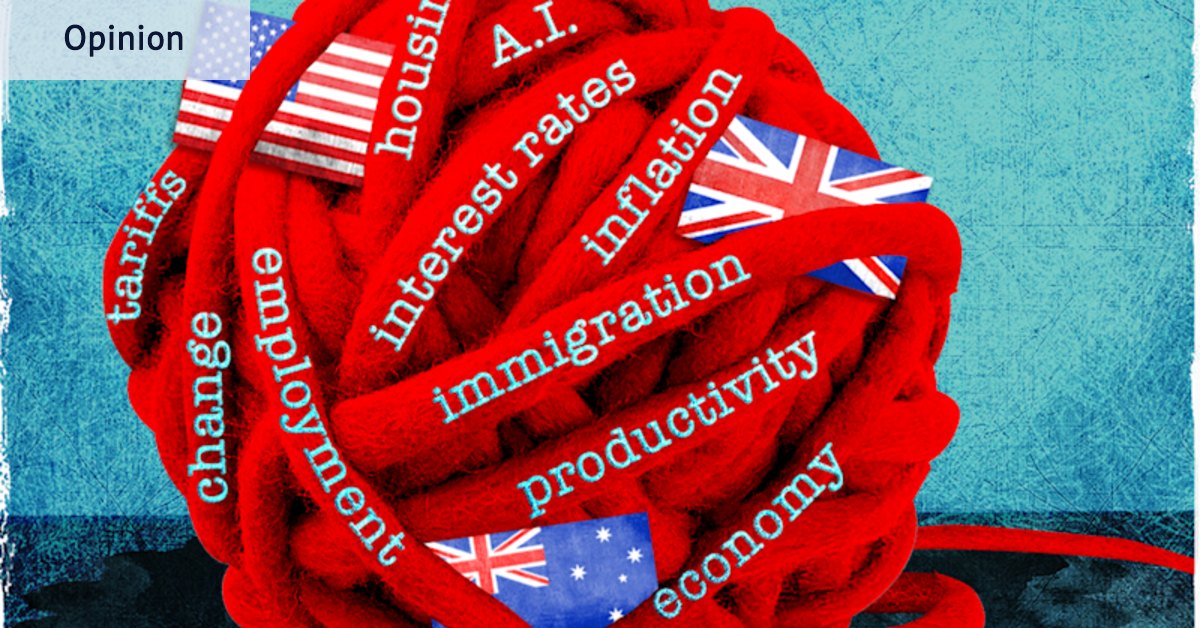
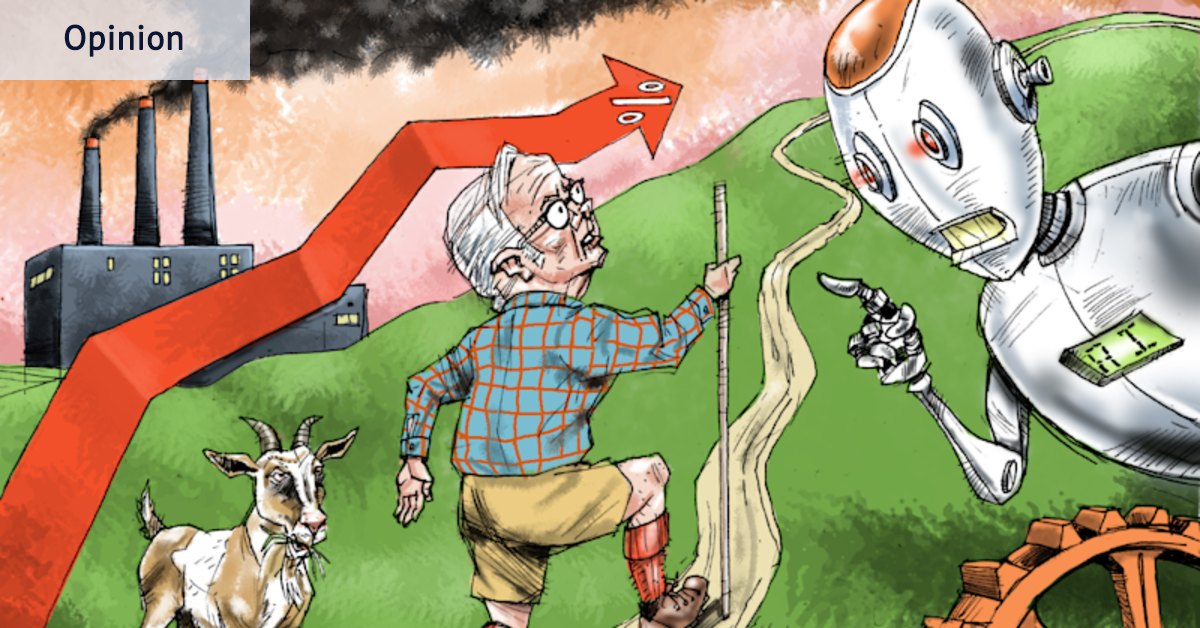
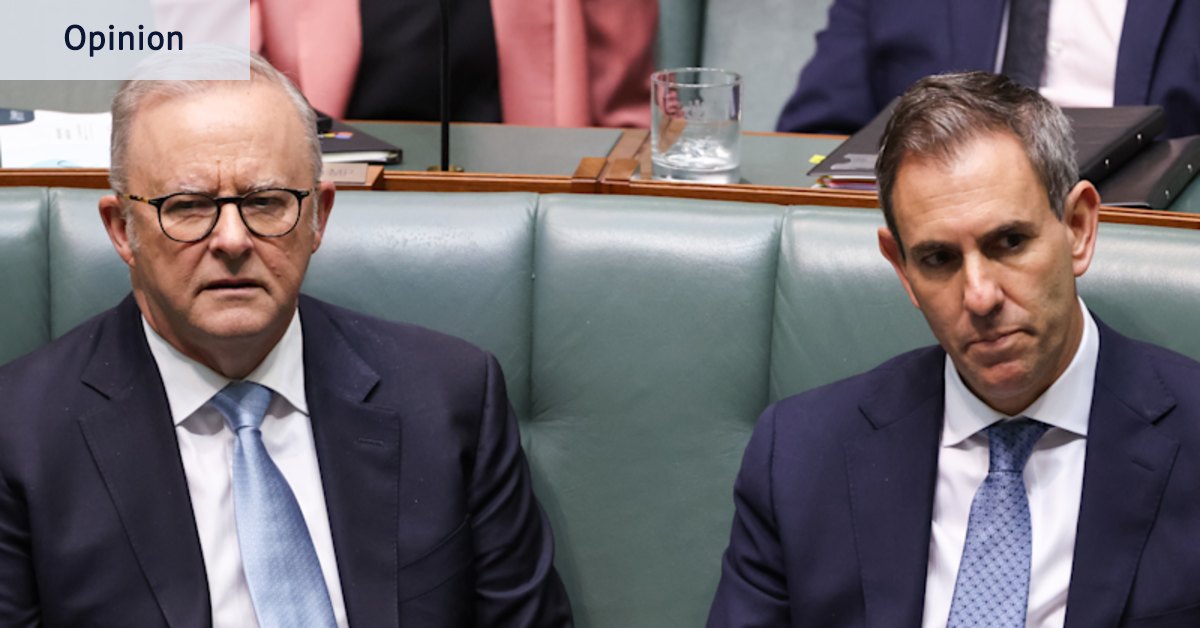
Last week’s ‘tipping point’ might have obscured an earlier, more important moment

Read the original at The Sydney Morning Herald ↗
Cite

Kelly, S. (2026, October 4). Last week’s ‘tipping point’ might have obscured an earlier, more important moment. The Sydney Morning Herald. https://www.smh.com.au/national/last-week-s-tipping-point-might-have-obscured-an-earlier-more-important-moment-20261005-p612oy.html?ref=rss&utm_medium=rss&utm_source=rss_feed

Dated when The Aporia collected the article, usually within hours of publication. Check the original for its exact date and byline.

The Sydney Morning Herald · collected 2026-10-04 · by Sean Kelly

Quick Summary

The article discusses the delicate balance of Labor Party ministers in Australia addressing economic concerns like immigration and government spending without contradicting each other's positions. Tony Burke emphasized that while immigration isn't causing housing issues, it could be part of the solution now, while Jim Chalmers acknowledged more work is needed on cutting spending but defended current efforts as responsible. The piece also notes media overreaction to Reserve Bank Governor Michele Bullock’s comments following a recent interest rate hike and highlights her call for loosening regulations to improve business lending and productivity.
Written by AI on 2026-10-04, from this article's own text only (the story summary below draws on all the coverage).

AI analysis

Story summary

The Australian government, particularly ministers Tony Burke and Jim Chalmers, is facing criticism over their economic policies. Three weeks ago, Burke emphasized that while immigration was not the cause of housing supply issues, it could be part of the solution. Recently, Chalmers defended Labor’s spending practices by acknowledging there's "more work to do" on cutting expenses, without fully accepting blame for inflation. Both ministers argue their positions are valid: Burke points out a post-pandemic shift in Australian lifestyle preferences as the primary factor affecting housing demand, while Chalmers notes uncertainties related to events in Iran that made immediate drastic spending cuts less clear-cut. Critics contend these statements might contradict each other but acknowledge both have reasonable arguments under current economic conditions.

Written for “Climate Change Tipping Point” on 2026-11-18, grounded in this article and the 0 other(s) covering the same event.

Compared with similar articles

This article reads leans left and hedges 11% of its claims. Each row says how that neighbour differs.
Daily Mail
Hedges 4 of 32 claims Outlet record 70/100
“The articles discuss different aspects of migration and housing policies without clearly referencing the same specific incident or time.”
The Guardian
Leans right further right than this Hedges 6 of 57 claims Outlet record 64/100
“The articles discuss different aspects of immigration policy and economic concerns without clearly reporting on the same specific incident or occurrence.”
The Sydney Morning Herald
Leans right further right than this Hedges 3 of 58 claims Outlet record 61/100
“The articles discuss different political contexts and ministers from Australia, with no overlap in specific events or times.”
The Guardian
Hedges 0 of 21 claims Outlet record 64/100
“The articles discuss different policy announcements by government ministers regarding immigration and housing supply, not the same specific event.”
BBC News
Outlet record 65/100
“The articles discuss different aspects of government policy and ministerial statements without clearly describing the same specific incident or moment.”
The Sydney Morning Herald
Leans strongly right further right than this Hedges 3 of 25 claims Outlet record 61/100
“The articles discuss different political statements regarding immigration but do not describe the same specific incident or occurrence.”
The Sydney Morning Herald
Leans strongly left further left than this Hedges 7 of 66 claims Outlet record 61/100
“The articles discuss different aspects and time periods related to political issues in Australia but do not describe the same specific incident.”
Daily Mail
Leans left Hedges 4 of 68 claims Outlet record 70/100
“The articles discuss different political strategies and comments by various figures over distinct time periods.”
The Sydney Morning Herald
Leans right further right than this Hedges 0 of 20 claims Outlet record 61/100
“Article A focuses specifically on Chalmers' warnings about higher bond yields and their impact on the budget, while Article B discusses broader policy lines being walked by Labor ministers regarding immigration and spending.”
The Guardian
Leans strongly right further right than this Hedges 3 of 27 claims Outlet record 64/100
“The articles discuss different aspects of immigration policies and their political implications without clearly referring to the same specific incident or time.”

Story

Climate Change Tipping Point
Politics · 1 article(s) covering the same event.
How this article was measured signals, leaning charts, publisher record, byline, topics and claims

Signals How these are calculated →

Claims extracted
53
sentences that state something as happening or true
Uncertain
11%
6 of 53 hedged ("reportedly", "may", "according to")
Leaning
Leans left
of the writing, not the subject · beta estimate
Publisher signals
61/100
The Sydney Morning Herald's corrections and hedging, across everything collected from it. Not a measure of accuracy.
Outlets on this story
1
Politics
Same framing elsewhere
1
articles that frame the event the way this one does
Analyzed 2026-10-04 · how these are computed

How this is being covered How these are calculated →

Article leaning vs. publisher reliability
Source leaning vs. consistency

Publisher

The Sydney Morning Herald · 7597 article(s) · 15 correction(s) detected
Running correction rate · 15 correction(s)

Who wrote this

Sean Kelly
7 article(s) here · 1 carrying a prediction
Two weeks ago, Australian technology juggernaut Canva announced it would sack, restructure or relocate more than 1200 of its employees.
It’s mostly forgotten now, but Whitlam could be a sharp critic of the Hawke government.
In his new history of Wikipedia, journalist Richard Cooke writes that we may be witnessing the “beginning of the end of the encyclopaedic age”.
When, they asked, would Labor come to its senses and realise it needed to break its promise to deliver Scott Morrison’s stage 3 tax cuts?
Still, unless Labor can find a way of seizing the initiative, it will be wishing those months away.
So immigration, which has recently fallen, wasn’t the cause – but cutting it could now help.
On Saturday, the Coalition announced a solution: it would hire military veterans.
Also by Sean Kelly
Nothing else under this byline is closely related to this article, so these are simply their most recent.
All 7 articles by Sean Kelly →

Topics

Australians Iran Labor Reserve Bank

Subjects

Bullock PERSON · 6× Iran GPE · 4× Wood PERSON · 3× Chalmers PERSON · 2× Labor ORG · 2× Australians NORP · 1× Burke PERSON · 1× Jim Chalmers PERSON · 1× Reserve Bank ORG · 1× Tony Burke PERSON · 1×

Narrative

This doesn’t let the government off the hook – the Commission has plenty of recommendations for Labor (including doing more to challenge the cosy oligopolies in this country, another thing business and its backers in the press don’t like to talk about).
framing: assertive · carried by 1 article(s) · first seen 2026-10-04
So immigration, which has recently fallen, wasn’t the cause – but cutting it could now help.
2026-10-04 · The Sydney Morning Herald
Last week’s ‘tipping point’ might have obscured an earlier, more important moment · assertive framing

Claims (53 extracted, 6 hedged)

The government is having to walk some fine lines at the moment. asserted
government → have → moment
Three weeks ago, announcing Labor’s migration policy, Tony Burke was keen to stress that the housing supply problem was not caused by immigration. asserted
problem → announce → immigration
But, he said, immigration was part of the answer. asserted
immigration → say → answer
Then last week deja vu – as Jim Chalmers, seeking to get ahead of Tuesday’s interest rate rise, leaned away from suggestions government spending was driving up inflation. asserted
spending → seek → inflation
At the same time, he recognised there was “more work to do” on cutting spending. asserted
he → recognise → spending
Are the two ministers contradicting themselves? asserted
ministers → contradict → themselves
No – in fact, both have legitimate cases. asserted
both → have → cases
Burke squared his circle by arguing the major factor that changed was not immigration but the fact Australians, post-pandemic, wanted to live with fewer people. asserted
Australians → square → people
So immigration, which has recently fallen, wasn’t the cause – but cutting it could now help. uncertain
cutting → fall → it
Similarly, Chalmers’ argument effectively is that Labor has been cutting spending as quickly as is responsible in a changing environment. asserted
Labor → cut → environment
The fact more can be done doesn’t automatically mean that more should have been done already – especially given the fact nobody knew how events in Iran would play out. asserted
events → do → Iran
You can disagree with both men on the numbers involved – there are plenty who think both migration and spending should be lower than they are – but there is nothing wrong with the fundamental logic. asserted
they → disagree → logic
Still, you can see from the nuances involved how delicately balanced the current political situation is. asserted
situation → see → nuances
There is an old political adage that when you are explaining, you are losing. asserted
you → be → ?
That probably goes double for an environment as feverish as this one. asserted
That → go → one
You could observe this fever in the overwrought media response to the Reserve Bank governor’s comments following the rate hike. uncertain
You → observe → hike
Much coverage suggested Michele Bullock had dealt the government a significant blow by pointing to the fact that inflation “has been driven by domestic capacity pressures”, added to by events in the Middle East. uncertain
inflation → suggest → East
But how could she have said otherwise, given the fact – which she pointed out – that interest rates began rising before the Iran war? uncertain
rates → say → war
Chalmers, it should be noted (as Barrie Cassidy did) had been careful in interviews before the hike to stress the Middle East had made an existing inflation problem worse – precisely what Bullock then said. asserted
Bullock → note → what
“Much worse” were the words both used. asserted
both → use → ?
Bullock’s point is an important one because if Iran were resolved tomorrow, it would be dangerous for people to simply assume inflation was fixed. asserted
inflation → resolve → ?
There are clearly inflationary pressures that are not to do with Iran. asserted
that → be → Iran
That is not the same thing as Bullock pinning it all on government spending. asserted
Bullock → pin → spending
Remarkably, while all this reading of tea leaves was going on, more direct messages from Bullock went largely ignored. asserted
messages → go → Bullock
Asked about productivity, she made three clear recommendations. asserted
she → ask → recommendations
Regulations should be loosened so that financial institutions could more easily lend money to businesses. uncertain
institutions → loosen → businesses
And she said this: “it’s also incumbent upon businesses to take opportunities to improve productivity … asserted
it → say → productivity
So businesses need to step up to the plate as well.” asserted
businesses → need → plate
Her other recommendation was that journalists ask the Productivity Commission chair, Danielle Wood. asserted
journalists → ask → chair
Really, she was just pointing out the appropriate person to ask. asserted
she → point → person
Still, it’s worth noting that Wood, like Bullock, has been arguing businesses could do more, saying that on AI we “need businesses willing to take a swing”. uncertain
we → ’ → swing
It’s not the only area of convergence. asserted
It → ’ → convergence
Wood has been saying we should loosen housing regulations – and this, too, was something Bullock was quite direct about in her press conference, saying governments needed to continue working to encourage higher-density housing. asserted
governments → say → housing
Wood has made many other points, some of which get overlooked. asserted
some → make → which
She has emphasised the gap between advantaged and disadvantaged school students – something you’d hope a country priding itself on “the fair go” would care more about. asserted
country → emphasise → go
One of her most important points is that acting on productivity now is a “game of inches”. asserted
acting → act → inches
As she says, those inches can add up – but the truth of making a difference is that lots of smaller actions are needed. asserted
lots → say → actions
This doesn’t let the government off the hook – the Commission has plenty of recommendations for Labor (including doing more to challenge the cosy oligopolies in this country, another thing business and its backers in the press don’t like to talk about). asserted
business → let → press
But it undermines the current strain of debate implying Labor should fix productivity this minute. asserted
Labor → undermine → productivity
Which brings us to the other big demand being made of Labor right now: that it act immediately to fix inflation by cutting spending. asserted
it → bring → spending
…and 13 more, not listed.

Give feedback · no sign-in needed

No sign-in needed for now. Your note is sent without a name, so it cannot be answered.

History Support