The article discusses the interconnected challenges facing contemporary politics, focusing on issues like inflation, interest rates, AI ethics, and immigration policies in Australia. It argues that these problems are complex and often worsen each other, leading to public anxiety and a sense of political desperation as solutions come with significant trade-offs. The author highlights specific examples such as government spending cuts for the National Disability Insurance Scheme (NDIS) and potential economic risks associated with proposed changes to immigration policies.
Written locally by qwen2.5:14b on 2026-10-08,
using this article's own text rather than the other coverage of the
same event (that is the story summary below).
This week it’s immigration.
asserted
it → ’ → ?
These issues are never neatly confined to a single political week, of course.
asserted
issues → confine → course
They don’t come and go away.
asserted
They → come → ?
They’re more like the clamour of an unruly classroom: always rumbling away, driving the background noise from which there is no respite, occasionally piercing the din to demand attention like fingernails down the blackboard.
asserted
They → ’re → blackboard
But look at them all at once, and you see why we have the political mood we do: fevered, anxious, tumultuous.
asserted
we → look → mood
That’s because none of these is a discrete issue.
asserted
none → ’ → these
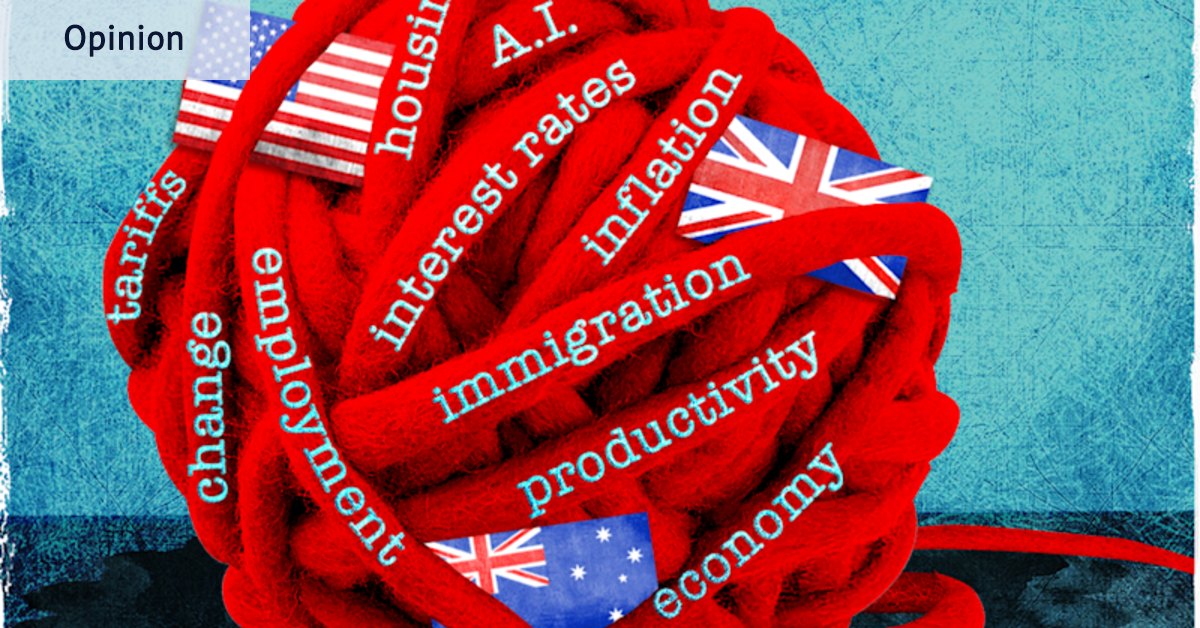
They are instead wickedly integrated, such that they crash into one another, each demanding a solution that has a real risk of making things worse.
asserted
things → integrate → risk
I don’t mean to say politics was ever neat, or issues hermetically sealed.
asserted
issues → mean → ?
I mean only to say we’ve approached a critical point where the trade-offs seem intolerable.
asserted
offs → mean → point
And that shows up politically in voters’ desire for constant change.
asserted
that → show → change
Let’s start with inflation.
asserted
’s → start → inflation
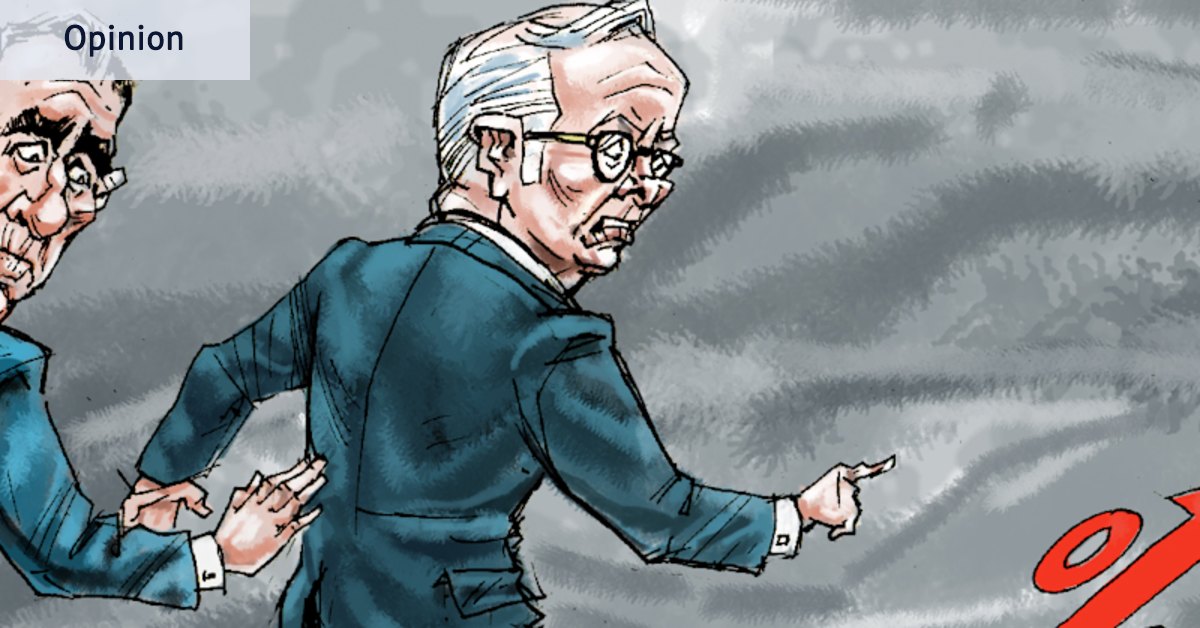
It’s about the worst economic problem a government can have because the responses we demand either make the problem worse and more enduring, or plunge us into acute misery.
asserted
problem → ’ → misery
We demand cost-of-living relief from government, which is inflationary.
asserted
which → demand → government
Or we demand reduced government spending – though very rarely by specifying the cuts – which will almost certainly deny people cherished services.
asserted
which → demand → services
If the government slashed these, it would receive no thanks.
asserted
it → slash → thanks
Even its huge NDIS cuts don’t reduce today’s spending: they mean NDIS spending still grows, just slower than originally forecast.
asserted
spending → reduce → spending
Still, they bring political pain.
asserted
they → bring → pain
But cut too much, or at the wrong time, and you end up in recession.
asserted
you → cut → recession
Normally when you have an inflation problem, you have high economic growth and low unemployment, so removing government money from the economy should do the trick.
asserted
removing → have → trick
House prices are falling.
asserted
prices → fall → ?
One clear possibility, which the Reserve Bank acknowledges, is that the economy is about to dip, and that the recent interest-rate hikes haven’t yet done their work.
asserted
hikes → acknowledge → work
Maybe that’s wrong.
asserted
that → ’ → ?
But if it’s right, and you slash government spending to fight inflation, the whole thing might crash.
uncertain
thing → ’ → inflation
Especially if you’re about to slash immigration
asserted
you → ’re → immigration
We’ve already seen One Nation wave away economists who say its policy of depopulation would cause a recession.
asserted
policy → see → recession
Now the Coalition is waving away similar warnings its newly announced policy – the greatest cut in Australian history, it boasts – would damage economic growth and leave us with a skills shortage.
asserted
it → wave → shortage
Labor’s version diminishes the workforce on which rural businesses especially rely.
asserted
businesses → diminish → which
Economists broadly agree this reverse auction carries serious economic risk.
asserted
auction → agree → risk
The central problem is this: anything more than slight economic growth in our economy causes inflation.
asserted
anything → cause → inflation
As things stand, we have a choice between a stagnant economy and an inflationary one.
asserted
we → stand → economy
The solution is to boost productivity, which the Reserve Bank lamented last week “is doing nothing”.
asserted
Bank → boost → nothing
But throughout human history, advances in productivity have come overwhelmingly from new technology, like the plough or the steam engine.
asserted
advances → come → plough
Today’s version is AI, which is why governments are so keen to extract its benefits.
asserted
governments → extract → benefits
The Albanese government’s rosy productivity forecasts rely on it.
asserted
forecasts → rely → it
The problem, as the Reserve Bank has warned, is it might turn out to be a bubble.
uncertain
it → warn → ?
Oh, and that it might kill us all.
uncertain
it → kill → us
To summarise then, we have a diabolical economic problem that is inflicting all sorts of pain, and our response is either to reach for tools that will probably make it worse, or to seek refuge in what might destroy us.
uncertain
what → summarise → us
An Australian problem suggests an Australian cause.
uncertain
problem → suggest → cause
One like this suggests something far deeper: a system that has reached critical instability, offering only bad choices.
uncertain
that → suggest → choices
Whoever can untie it will rule.
asserted
untie → untie → it
…and 26 more, not listed.
 The Aporia