That is 0 articles you have read today.
The Aporia is free and carries no advertising, so readers are the only
thing paying for it. If you are getting this much out of it, a small
donation is what keeps it independent.
Daily limit reached
You have read 0 articles today.
That is more than the 15 a day The Aporia gives away,
and well past what it can carry on nothing. Your allowance resets at
midnight.
There is no advertising here and nothing about you is sold, so readers
are the only thing paying for it. If the site is worth this much of
your day, it is worth a few dollars.
Everything else stays open: the
maps, the
directory and
search do
not count against this, and neither does re-opening something you have
already read today.
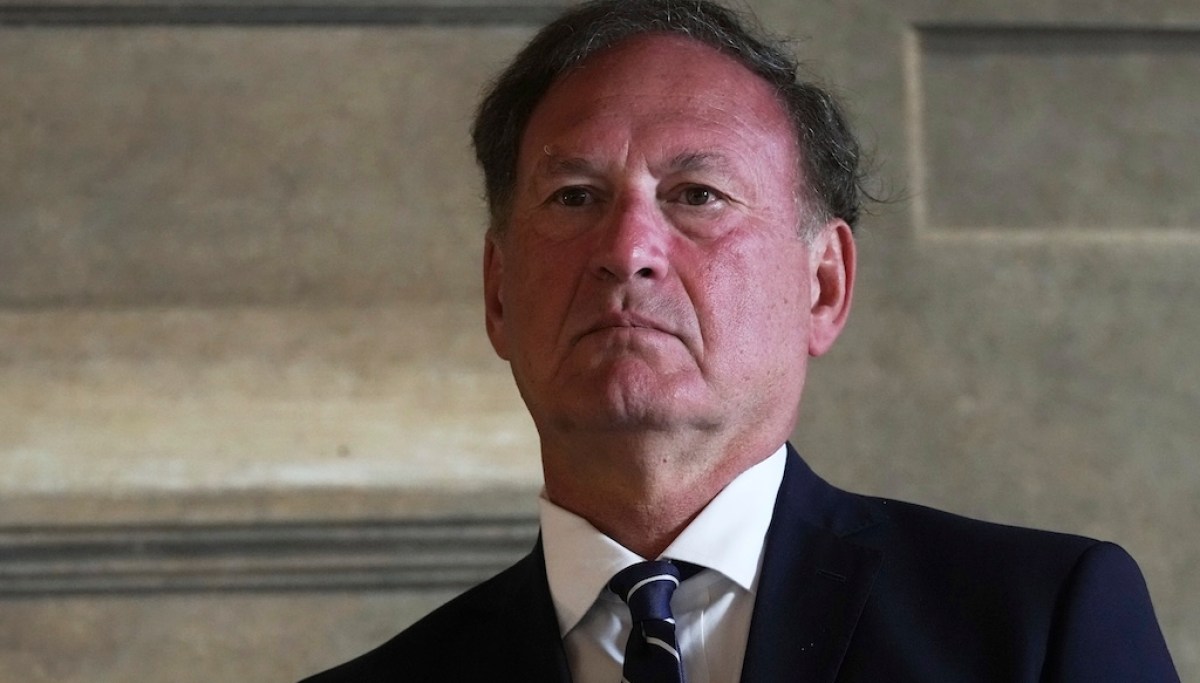
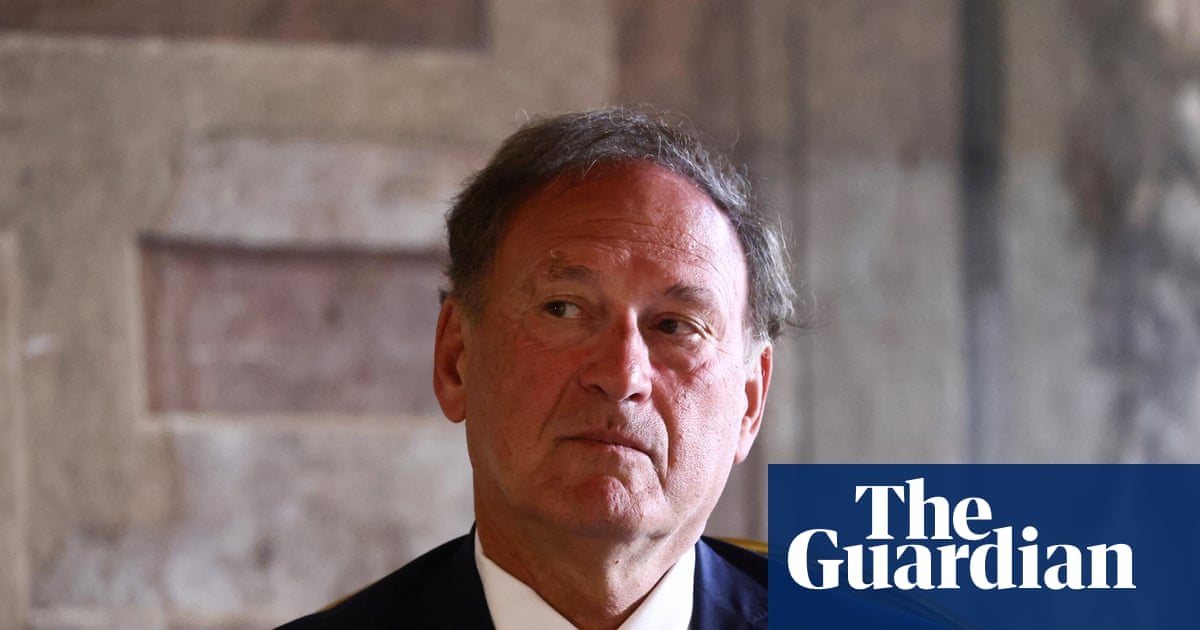
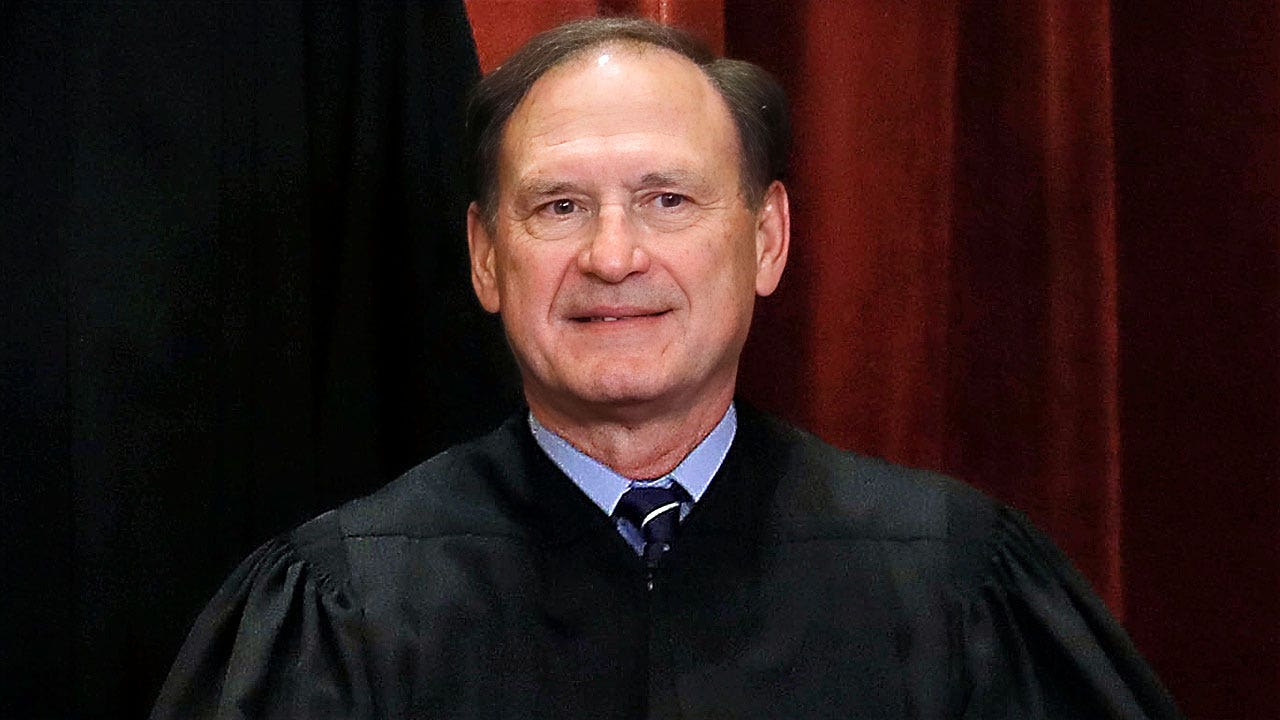
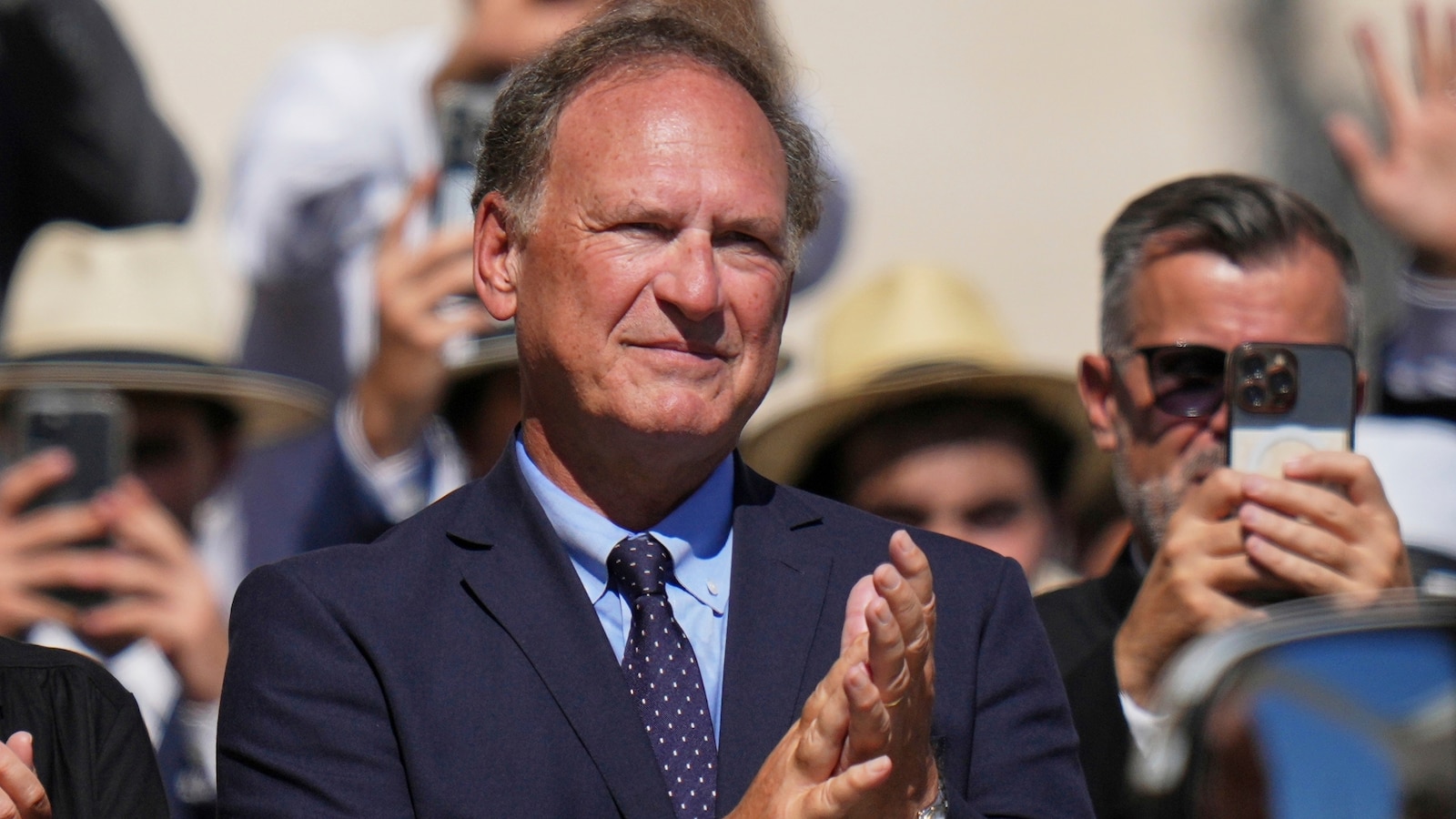
Justice Samuel Alito announced his recusal from the Suncor Energy v. County Commissioners of Boulder County case just a week before oral arguments were set to begin, following pressure from left-wing groups. This leaves the possibility for a 4-4 deadlock if another justice also recuses themselves or abstains, which would uphold the lower court’s decision without setting new precedent. Alito previously recused himself last term in a similar case due to financial interests in ConocoPhillips. The upcoming arguments will determine whether lawsuits against oil companies for their role in climate change can proceed.
Written locally by qwen2.5:14b on 2026-09-28,
using this article's own text rather than the other coverage of the
same event (that is the story summary below).
Story summary
Justice Samuel Alito recused himself from Suncor Energy v. Boulder County, a major climate change case set to be heard by the Supreme Court on October 5th. The case involves state efforts to sue fossil fuel companies over alleged contributions to global warming, and Alito's decision comes after facing pressure from environmental groups due to his stock holdings in oil companies. In a letter posted to the court’s docket, the Clerk of the Supreme Court stated that Justice Alito "has determined that he will not continue to participate in this case." This recusal could leave the case with only eight justices, potentially leading to a 4-4 deadlock, which would uphold the lower court's ruling. The decision is seen as significant given Alito’s history of dissenting in preemption cases and his conservative judicial stance.
Written for “Alito Recuses In Climate Case” on 2026-10-05,
grounded in this article and the 8 other(s) covering the same event.
Claims extracted
14
claim-shaped sentences
Uncertain
21%
3 of 14 hedged
Leaning
Leans right
of the writing, not the subject · beta estimate
Correction & hedging signals
72.3
corrections and hedging in what we collected;
not a measure of accuracy
Outlets on this story
9
Politics
Narrative spread
1
articles carrying this framing
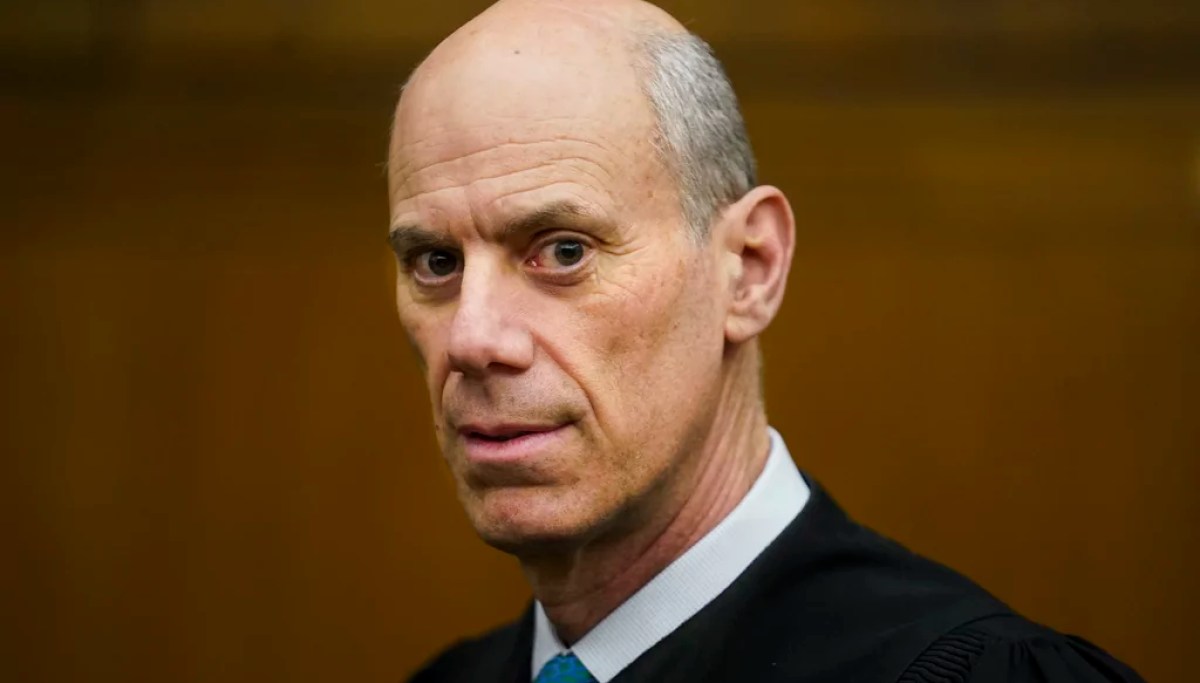
Justice Samuel Alito announced Monday he would be recusing himself from a major Supreme Court climate change case a week before oral arguments, after facing pressure from left-wing groups to do so.
asserted
he → announce → groups
Alito, who has served on the Supreme Court since 2006 after being appointed by then-President George W. Bush, did not offer an explanation for his recusal, with the Clerk of the Supreme Court Scott Harris saying in a letter posted to the high court’s docket that the justice “has determined that he will not continue to participate in this case.”
asserted
he → serve → case
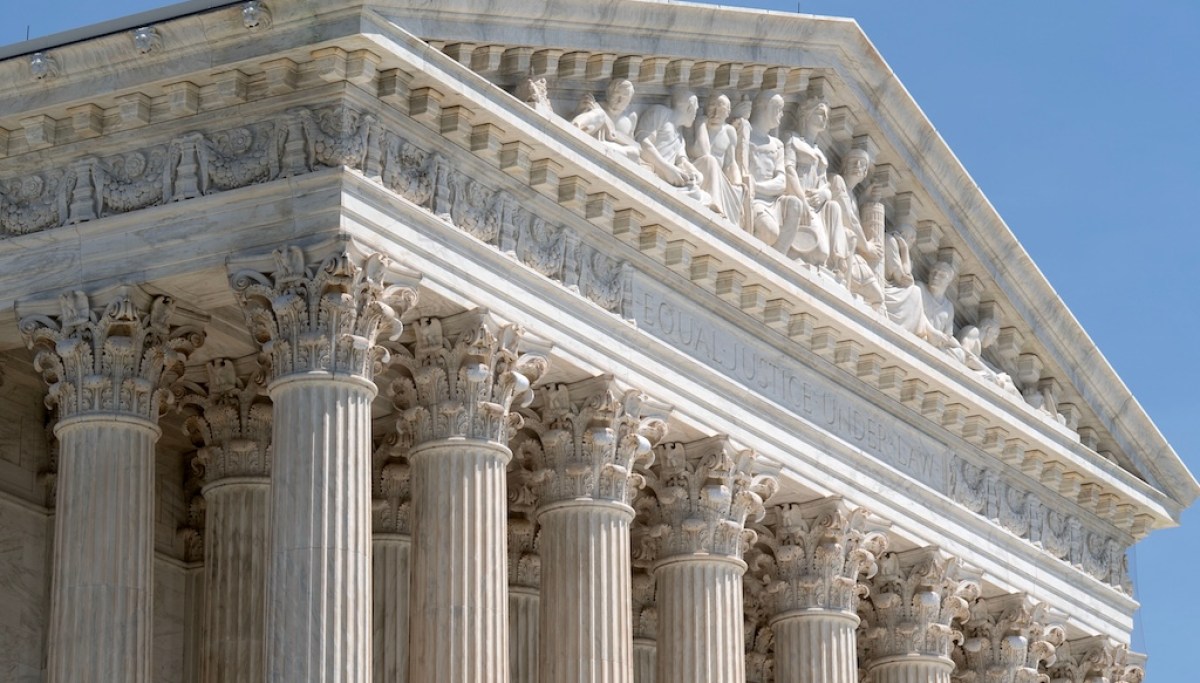
The upcoming arguments in Suncor Energy v. County Commissioners of Boulder County will see the justices decide whether a lawsuit brought by Boulder County, Colorado, seeking to hold oil companies accountable for their alleged role in global climate change, may move forward, with major ramifications for similar lawsuits that climate activists and Democratic-led jurisdictions have attempted to bring against oil companies.
uncertain
activists → see → companies
Alito’s recusal means oral arguments next Monday will include only the other eight justices, leaving open the possibility of a 4-4 deadlock.
asserted
arguments → mean → deadlock
If the high court comes to a 4-4 split, the lower court’s ruling would remain in place, and it would be as if the Supreme Court never took up the case for oral arguments, a scenario which occurred in May 2025 when Justice Amy Coney Barrett recused herself from a case over a Catholic charter school seeking admission into the Oklahoma charter school system.
uncertain
Barrett → come → system
Alito previously recused himself from another climate change lawsuit last term, citing his financial interest in ConocoPhillips, the parent corporation for Burlington Resources Oil and Gas Company, which remained a party to the case Chevron USA v. Plaquemines Parish.
asserted
which → recuse → Parish
Similar to his recusal announcement on Monday, Alito announced his recusal from the Chevron case days before oral arguments.
asserted
Alito → announce → arguments
Alito explained that, at the time, he was informed that ConocoPhillips had fully withdrawn from the case, but later learned the company was still part of the lawsuit in the lower court, so he elected to recuse himself.
asserted
he → explain → himself
In the Chevron case, the Supreme Court later ruled 8-0 in favor of the oil companies’ bid to move a lawsuit seeking damages for coastline damage caused by oil production in Louisiana from state court to federal court.
asserted
Court → rule → court
Left-wing legal groups had pointed to Alito’s past rationale as a reason for him to recuse himself from the Suncor case, something he had resisted doing until Monday.
asserted
he → point → Monday
Justice Elena Kagan has similarly received pressure from right-wing legal groups to recuse herself from the Suncor case after she wrote the forward to the Reference Manual on Scientific Evidence, which included a chapter on climate science that critics claim addresses issues in dispute in the upcoming case.
uncertain
critics → receive → case
Kagan has declined to recuse herself, telling senators during a hearing over the summer she did not review that section of the manual and did not reference climate science in her foreword.
asserted
she → decline → foreword
The Supreme Court will open its upcoming term next Monday with oral arguments in the Suncor Energy case, with oral arguments in a variety of cases continuing through the end of April 2027.
asserted
arguments → open → April
The high court is expected to issue rulings in all cases, including the Suncor case, by the end of June 2027.
asserted
court → expect → June
 The Aporia