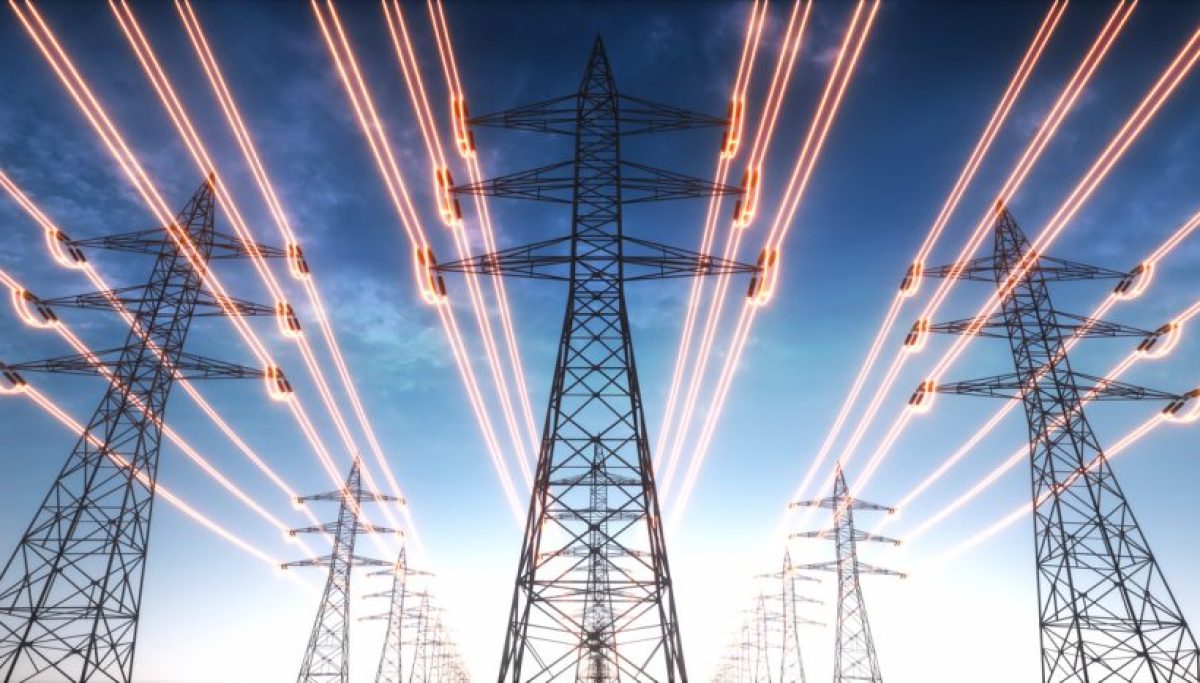
Republicans and Democrats in the Senate are hopeful that a 417-page bill introduced this week will be exactly what the country needs to build power lines, pipelines, highways, and other essential infrastructure faster than ever before.
asserted
country → introduce → lines
The legislation, dubbed the Bipartisan American Affordability and Jobs Act, was introduced on Wednesday by a bipartisan group of senators, who said the bill would make it easier to build in the United States. without sacrificing protections to the environment.
asserted
it → dub → environment
The draft bill aimed at reforming the federal permitting process was months in the making, with both parties being forced to make concessions to get their colleagues across the aisle to agree to a deal.
asserted
colleagues → aim → deal
The Senate is not scheduled to vote on the legislative bill until after the November midterm elections, and it will be subject to various amendments and changes to the text.
asserted
it → schedule → text
As it stands, however, the lengthy legislation covers sweeping territory from reforming bedrock environmental laws to establishing new permitting processes for some energy projects, and providing permit certainty for those already under construction.
asserted
legislation → stand → construction
The crux of the permitting reform bill unveiled this week is to reform the National Environmental Policy Act, a 55-year-old law that requires federal agencies to evaluate the environmental effects of major actions and decisions relevant to their departments, such as issuing permits and licenses for large projects.
asserted
that → unveil → projects
Lawmakers across the aisle have said the law causes decades of additional red tape and legal delays, specifically through its judicial review requirements.
asserted
law → say → requirements
Under BAAJA, the deadline for legally challenging an environmental review for projects is set to just 150 days.
asserted
deadline → challenge → days
Shrinking judicial review marks a major win for Republicans, who have repeatedly attempted to restrict environmental groups’ ability to use the courts to block the development of fossil fuel projects such as natural gas pipelines.
asserted
who → shrink → pipelines
The law would also narrow the circumstances that trigger an environmental review, such as by exempting projects associated with repairing, restoring, or replacing lifeline infrastructure, such as transmission lines, phone lines, and pipelines.
asserted
that → narrow → lines
It would also bar federal agencies from delaying the issuance of an environmental review to wait for new scientific and technical research.
asserted
It → bar → research
The law does also include new requirements under NEPA, mandating that project developers submit stakeholder engagement reports, not exceeding 20 pages, with their permit applications.
asserted
developers → include → applications
It also codifies comment periods of 45 to 60 days.
asserted
It → codify → days
In addition to NEPA, the BAAJA would reform several measures of the Clean Water Act, the Endangered Species Act, and the National Historic Preservation Act.
asserted
BAAJA → reform → Act
Specifically, it would limit states’ ability to block federally permitted projects that may discharge in their waters, narrowing part of the CWA.
uncertain
that → limit → CWA
If the legislation passes, the CWA would only allow a state to deny a project if it had “clear and convincing evidence” that the project could not be modified to meet water-quality standards.
uncertain
project → pass → standards
Additionally, reviews under the CWA would be restricted to discharges into the waters under federal jurisdiction.
asserted
reviews → restrict → jurisdiction
As for endangered species, the Senate bill would give states more authority in consultations reviewing a project’s impact on imperiled species and critical habitats.
asserted
bill → give → species
It would also cut consultation periods from 90 days to 60 days and impose a 150-day statute of limitations for legal challenges.
asserted
It → cut → challenges
The NHPA, which requires the analysis of a project’s effect on historic properties, would also be narrowed.
asserted
which → require → properties
The bill would specifically require analyzed effects to be “reasonably foreseeable,” essentially barring reviews from including downstream effects.
asserted
effects → require → effects
For example, if a pipeline were to undergo an NHPA review, agencies would be required to focus only on the effect of the actual construction, not including the transport of oil or gas through the pipeline, or emissions associated with those operations.
asserted
agencies → undergo → operations
Modernization of the permitting system
Not only would the bill aim to accelerate permitting through existing laws, but it would also call for the modernization of the entire federal system.
asserted
it → aim → system
This includes issuing new data standards and automated systems, allowing federal agencies to share permitting data with one other and move paper-based reviews and applications online.
asserted
agencies → include → reviews
This also aims to increase public transparency by establishing an online permitting database.
asserted
This → aim → database
This database, called “The Environmental Review and Permitting Tracker,” would track the status of federal reviews and include searchable features for project developers.
asserted
database → call → developers
One top priority for Democratic negotiators was to include provisions that would make it easier to construct and upgrade transmission infrastructure.
asserted
it → include → infrastructure
This would allow thousands of gigawatts worth of solar, storage, and wind capacity to connect to the broader electric grid.
asserted
thousands → allow → grid
As written, the BAAJA would give the Federal Energy Regulatory Commission more authority to approve interstate power lines, as well as process applications concurrently with a state review.
asserted
BAAJA → write → review
If a state fails to approve a transmission line within one year, FERC would then be granted the authority to step in and approve the project if it is deemed to have “national interest.”
asserted
it → fail → interest
Additionally, FERC would be able to mandate that only the customers who receive benefits of a transmission would be required to cover the costs.
asserted
who → mandate → costs
It would also require regular transmission planning every three years and ban the first right of refusal.
asserted
It → require → refusal
This would essentially block utilities from having the automatic right of first refusal to build a transmission line in a region, forcing competitive bidding.
asserted
This → block → bidding
Cracking down on data centers
While the BAAJA would make it easier to build data centers, it would also force the large-load facilities to pay for the energy and transmission infrastructure needed for their operations.
asserted
it → crack → operations
The legislation orders utilities to ensure that transmission costs are fully assigned to these large load operators to “minimize or avoid cost burden on other customers.”
asserted
costs → order → customers
It would also require that these large facilities incur the “full cost” of the transmission services they require and mandate that no incremental costs are passed on to other customers.
asserted
costs → require → customers
Data centers must also provide utilities with financial assurances or contributions sufficient to cover the cost of the project before construction on a generating, transmission, or distribution facility begins.
asserted
construction → provide → facility
Additionally, the bipartisan bill would require data centers to report their energy use to the Department of Energy’s Energy Information Administration.
asserted
bill → require → Administration
One of the most highly anticipated provisions included in the bill would provide certainty that already-permitted projects would not be at risk of losing their approvals.
asserted
projects → include → approvals
These provisions mark a major win for Democrats, who had long hesitated to give their full support for the deal without certainty that permits for wind and solar projects would not be revoked by the Trump administration.
asserted
permits → mark → administration
…and 17 more, not listed.
 The Aporia