The Guardian
· collected 2026-09-30 · by Gabrielle Canon in San Francisco
Communities across California are rushing to prepare for the imminent arrival of the so-called “Kelvin wave”, a massive underwater band of warm water threatening to inundate swaths of the vast North American shoreline.
asserted
Communities → rush → shoreline
The wave is nearing southern California and expected to reach the San Francisco Bay Area by early October, as it crawls toward Alaska.
asserted
it → near → Alaska
Waters could rise by a foot along the California coast, according to scientists, who have warned that this could dramatically double the 8-12in rise in sea levels already caused by climate change over the last century.
uncertain
this → rise → century
The Kelvin wave doesn’t climb and crash like a typical ocean wave; rather, it swells the tides from beneath the surface.
asserted
it → climb → surface
It’s effectively a massive slosh of warm water, driven by El Niño conditions, that moves across the Pacific before colliding with the South American coastline and surging north.
asserted
that → ’ → coastline
It also won’t transport water in the way a tsunami might, but creates conditions that enable higher sea levels to linger.
uncertain
levels → transport → conditions
On their own, Kelvin waves aren’t always hazardous, according to Mike Jacox, a research oceanographer with the National Marine Fisheries Service, though they can reduce the growth of phytoplankton that form the base of the marine food web.
uncertain
that → accord → web
“But when there are very high tides or storm surges, their effects can be amplified,” he said.
asserted
he → be → ?
If the rising waters coincide with other climatic events, such as rainstorms and high tides, the phenomenon could swallow beaches, chew away bluffs and coastlines, and submerge streets, homes and businesses.
“This coming Kelvin wave is just the beginning,” said Dr Jonathan Warrick, a research geologist at the US Geological Survey.
uncertain
Warrick → rise → Survey
“The thing to look out for is what will happen in January, February and March – that’s when we get the biggest storms, we get our largest waves and we have some very large tides.
asserted
we → look → tides
If these events align, their effects will compound, setting the stage for a tumultuous winter.
asserted
effects → align → winter
Together, Warrick said, the systems will pack a far bigger punch.
asserted
systems → say → punch
“When it comes to these storms and the tides,” he said, “we really are kind of rolling the dice.”
asserted
we → come → dice
Excess warmth in the ocean, caused by the human-caused climate crisis, has already turned up the dial, supercharging weather events around the world.
asserted
warmth → cause → world
But a “super” El Niño that’s brewing in the Pacific – which could become the most severe ever recorded – has layered on top of that warming, and increased the likelihood that the higher sea levels will overlap with severe storms.
uncertain
levels → brew → storms
The climate pattern characterized by high sea surface temperatures in the central and eastern tropical Pacific is already spurring extreme weather around the world, fueling destructive storms in Hawaii and unleashing Pacific hurricanes that have hammered beach towns.
asserted
that → characterize → towns
California will likely see the worst effects this winter when the state could get pummeled by moisture.
uncertain
state → see → moisture
Storms do damage on their own, but the most destructive occur alongside high tides, according to a recent memo from the California Coastal Commission – and the “super” El Nino will increase the severity of both.
uncertain
Nino → do → both
The highest tides of the year in areas of California will occur in November and December, further increasing water levels during the months when the state tends to be hit by wet weather.
“Coastal flooding is at this point practically certain,” climate scientist Daniel Swain said in an interview with Inside Climate News.
asserted
Swain → occur → News
He added that a wetter-than-average winter would also bring increased inland flooding risk.
asserted
winter → add → risk
“Both of these in some places can combine where you have freshwater outflows and saltwater inflows mingling,” he said.
asserted
he → combine → places
Swain pointed to the winter of 1997-1998, which exhibited similar hazards.
asserted
which → point → hazards
Heavy storms caused massive coastal erosion, as enormous landslides ruptured and buried highways, and huge waves swept into harbors across Santa Cruz and the San Francisco Bay Area.
asserted
waves → cause → Cruz
Levees failed north of Sacramento and seawalls were overwhelmed, while relentless rains tore into thousands of homes and businesses.
asserted
rains → fail → homes
Twenty-one of California’s 58 counties were declared disaster areas.
asserted
one → declare → counties
It’s impossible to predict how exactly the season will unfold, but the El Niño forming now is swirling off the charts.
asserted
Niño → ’ → charts
Several areas are already feeling the effects.
asserted
areas → feel → effects
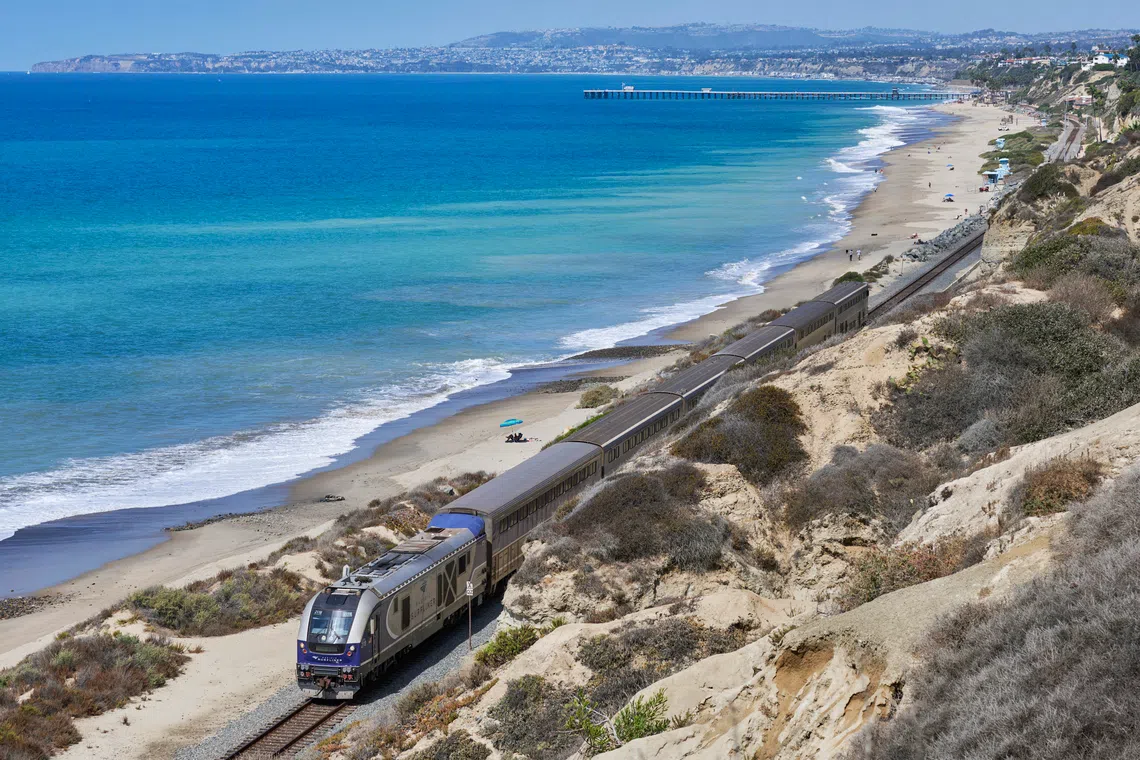
“Just the first few inches of elevation in southern California have already caused enough erosion to close the Amtrak line along the coast, and this is just the beginning,” Swain said.
asserted
Swain → cause → coast
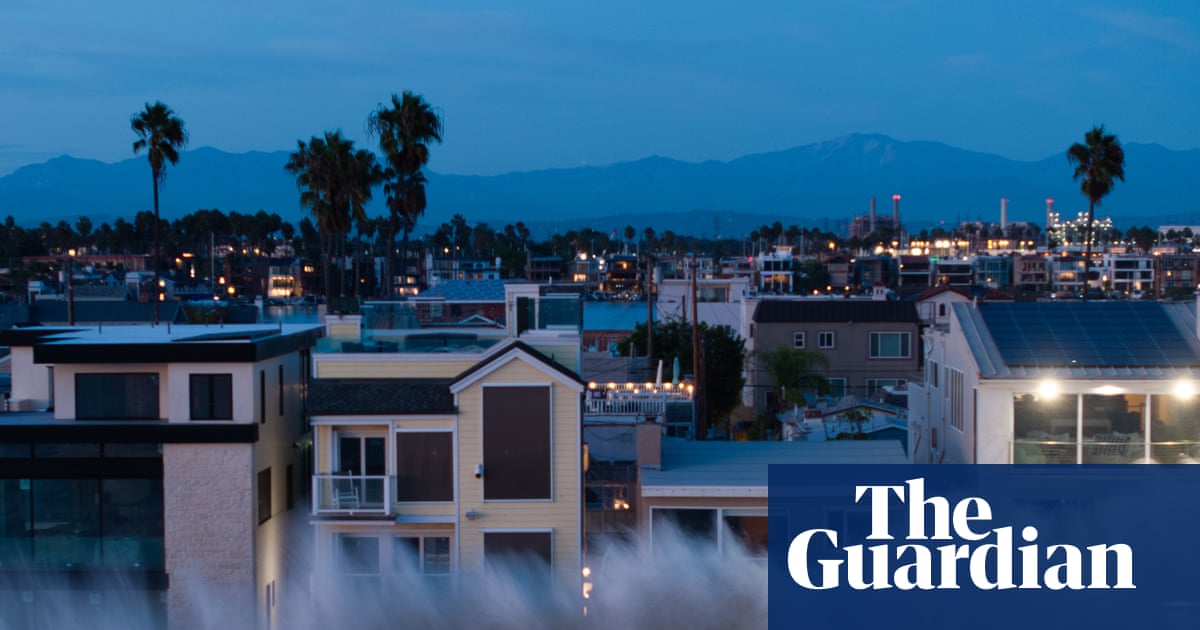
He noted that the San Francisco Bay Area is particularly vulnerable, due to the critical transportation arteries, population centers and big tech firms at risk of flooding, saying: “There’s a huge amount of people and infrastructure within 6ft of sea level there.
asserted
Area → note → level
Across the Bay Area, sandbags are already being supplied as emergency managers and local governments work to secure infrastructure and inform businesses and residents about the incoming dangers.
asserted
managers → supply → dangers
Nick Brubaker, the chief resilience officer for the office of emergency management in Marin county, just north of San Francisco, said preparations were already under way for El Niño when they received reports about how high sea levels will rise.
asserted
levels → say → reports
“It certainly changes our baseline assumptions on how we’re going to be planning for impact,” he said, noting that in January of this year, there was flooding from high tides without the added effects from the Kelvin wave.
asserted
he → change → wave
Engorged creeks and streams will be less able to drain out in the face of rising sea levels.
asserted
creeks → engorge → levels
“We could see some significant flooding,” Brubaker said.
uncertain
Brubaker → see → flooding
Checklists have been issued, and emergency alert signups encouraged.
asserted
signups → issue → ?
Similar strategies are unfolding in cities up and down the coast, as teams brace for what’s an all-but-guaranteed rise in the risks, but a lot of uncertainty over what exactly will unfold.
asserted
what → unfold → uncertainty
“We’re using all of the data that we can, but we don’t have a perfect measure,” Brubaker said.
asserted
Brubaker → use → measure
He’s been focused on outreach and communication, “to make sure that people are aware that this may be one of the most significant El Nino years that we’ve seen”.
uncertain
we → focus → that
 The Aporia