That is 0 articles you have read today.
The Aporia is free and carries no advertising, so readers are the only
thing paying for it. If you are getting this much out of it, a small
donation is what keeps it independent.
Daily limit reached
You have read 0 articles today.
That is more than the 15 a day The Aporia gives away,
and well past what it can carry on nothing. Your allowance resets at
midnight.
There is no advertising here and nothing about you is sold, so readers
are the only thing paying for it. If the site is worth this much of
your day, it is worth a few dollars.
Everything else stays open: the
maps, the
directory and
search do
not count against this, and neither does re-opening something you have
already read today.
California's coast is experiencing an unusual surge caused by a "Kelvin wave," which can raise sea levels up to one foot and increase flood risks significantly. This phenomenon, combined with elevated sea temperatures and recent hurricane impacts, could lead to record-high sea levels along the state’s coastline. Oceanographers warn that every two to four inches of additional sea level rise doubles the flood risk for coastal areas already battered by unusual ocean events like waves crashing over Pacific Coast Highway in Malibu last month.
Written locally by qwen2.5:14b on 2026-10-03,
using this article's own text rather than the other coverage of the
same event (that is the story summary below).
Story summary
Communities in California are preparing for the arrival of a massive underwater band of warm water known as the "Kelvin wave," expected to reach the state's coast by early October. This phenomenon is driven by El Niño conditions, causing sea levels along the California coast to rise by up to a foot, doubling existing 8-12 inch increases due to climate change over the past century. The wave moves north and could affect coastal areas from southern California through the San Francisco Bay Area into Alaska.
Kelvin waves are not like tsunamis; instead, they create a bulge of water under the surface that can persist for months, raising sea levels significantly during periods when the coast is also hit by wet weather. This surge will travel north at approximately 6 miles per hour, or 150 miles per day, affecting Oregon and Washington state through February.
Scientists warn that higher sea levels combined with larger waves from North Pacific swells expected during El Niño could cause severe beach erosion and flooding in areas already vulnerable to climate change impacts. According to experts like Sean Vitousek of the U.S. Geological Survey, these conditions significantly increase flood risks.
Written for “Kelvin Wave Hits California Coast” on 2026-10-05,
grounded in this article and the 4 other(s) covering the same event.
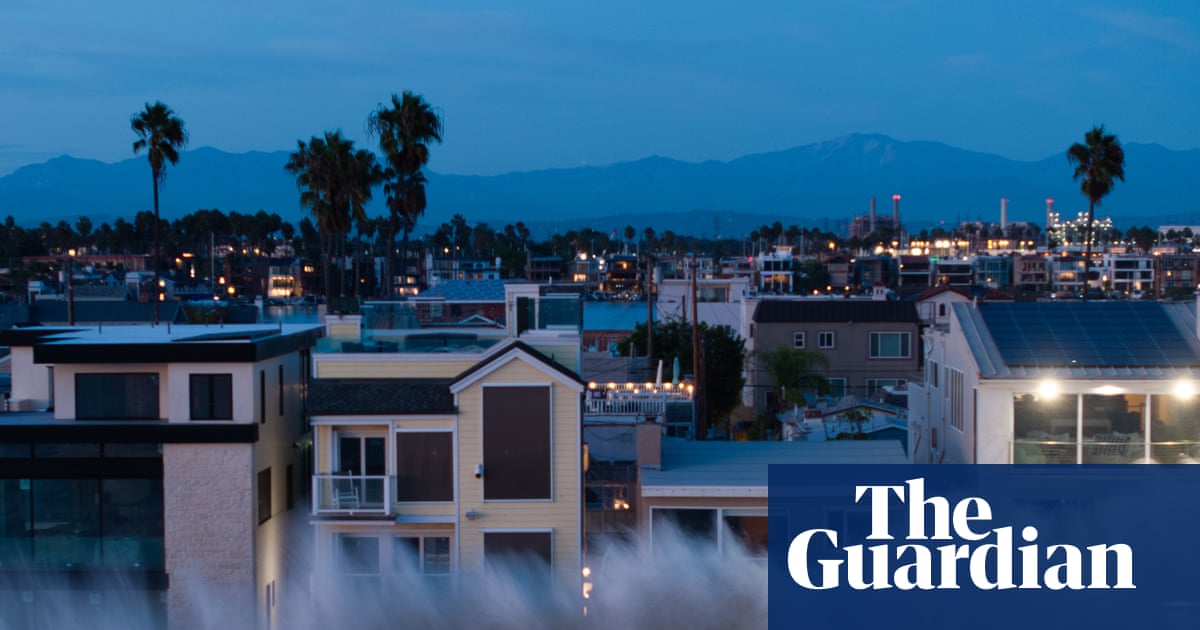
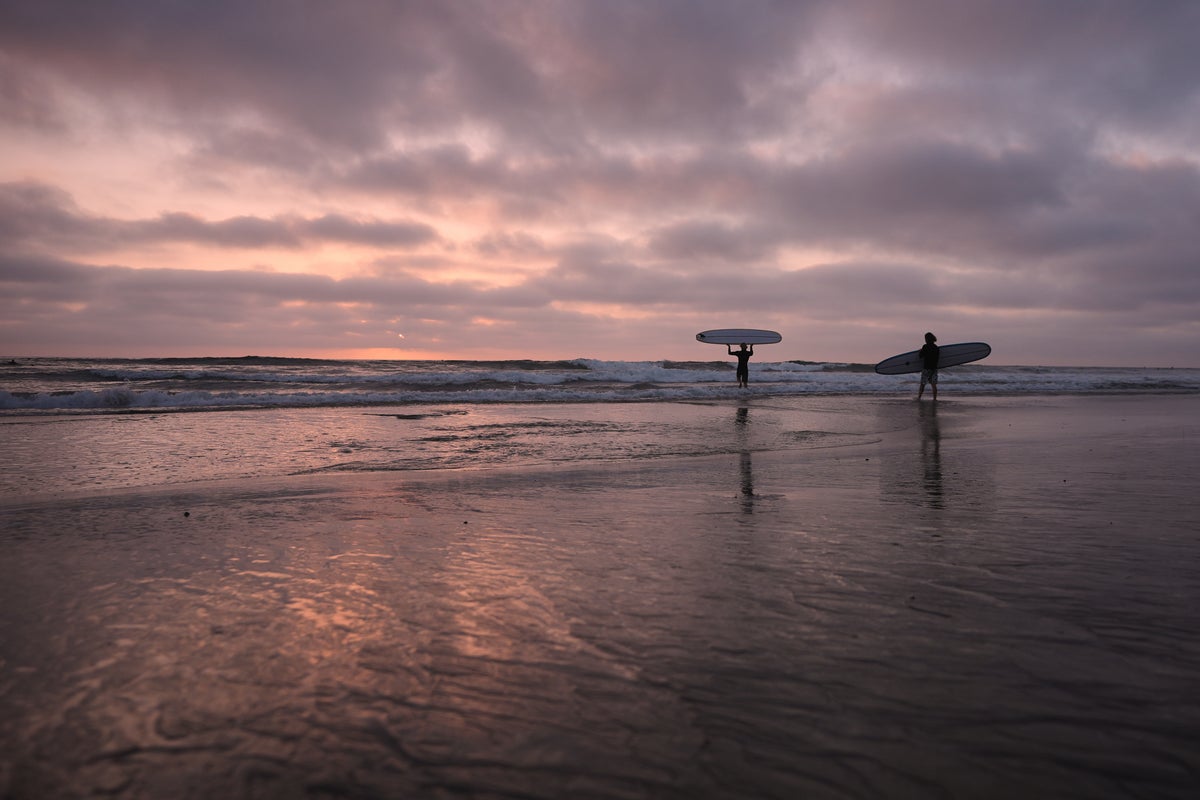
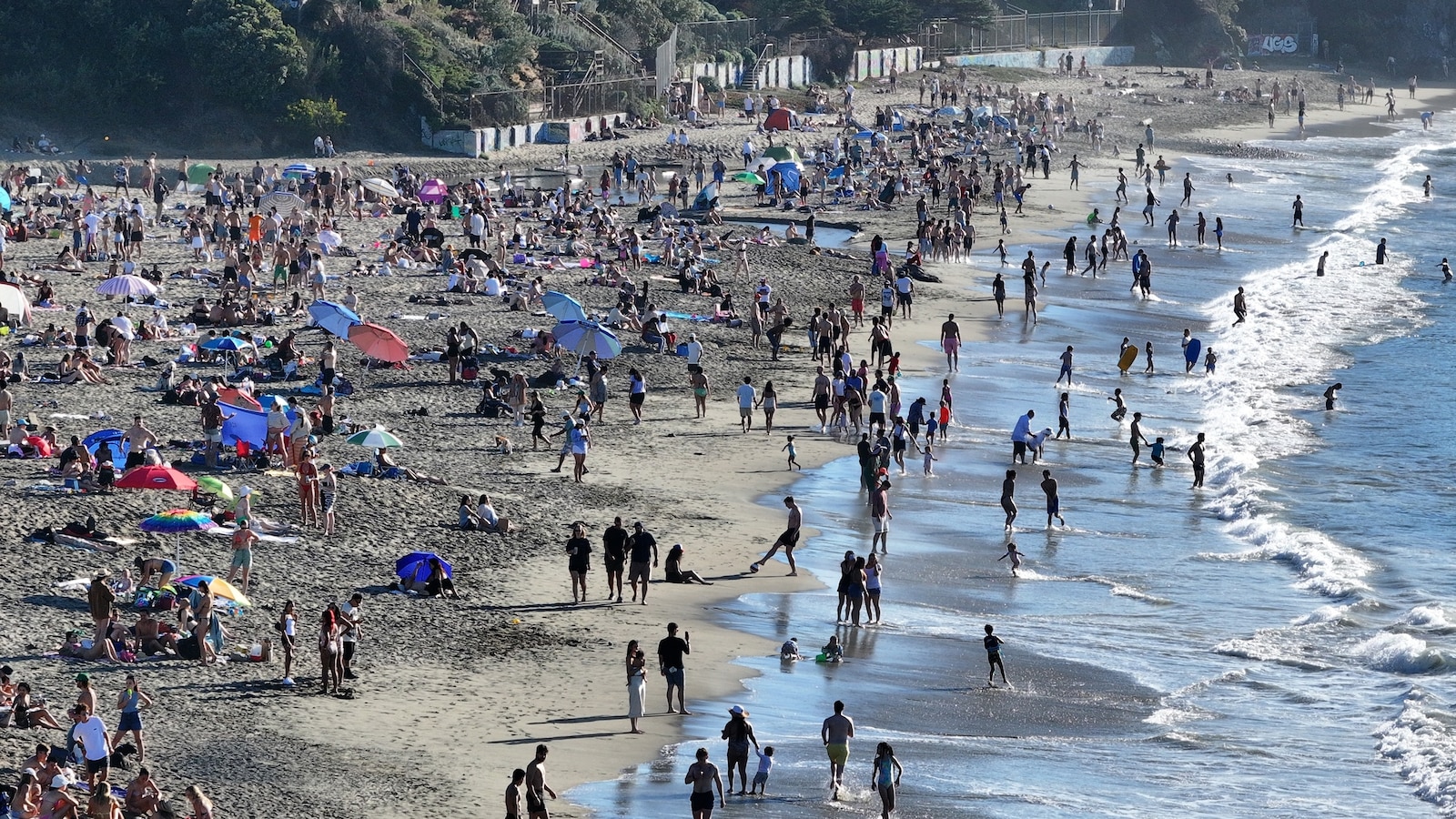
California’s coast is bracing for a massive surge that could push sea levels up by as much as a foot in the coming days, piling onto already battered beaches and raising the risk of flooding and erosion.
uncertain
that → brace → flooding
The surge, known as a “coastal trapped wave” or “Kelvin wave,” is one of the effects of El Niño that has been building along the California coast in recent weeks.
And this is no ordinary wave.
asserted
this → know → weeks
Sign up for the California Morning Report newsletter
The biggest news, opinion and culture shaping California right now.
Thanks for signing up!
asserted
Sign → sign → California
The Kelvin wave is a massive, sustained bulge of water that will raise ocean levels across an area stretching 12 to 18 miles offshore — with potentially serious consequences for California’s coastline.
asserted
that → raise → coastline
It comes after a string of unusual ocean events battered coastal communities, including waves that crashed over Pacific Coast Highway in Malibu last month.
asserted
that → come → Malibu
“The general rule of thumb is that every two to four inches of sea level rise that we see in that background state essentially doubles your flood risk,” Dillon Amaya, an oceanographer at North Carolina State University, told AFP.
asserted
Amaya → see → AFP
What makes the current situation particularly concerning is the combination of the wave with other factors already hammering the California coast.
asserted
situation → make → coast
Download The California Post App, follow us on social, and subscribe to our newsletters
With those conditions stacking up, California could soon see its highest sea levels ever recorded, Mark Merrifield, director of the Center for Climate Change Impacts and Adaptation at the Scripps Institute of Oceanography in La Jolla, told the New York Times.
uncertain
Merrifield → download → Times
Sea temperatures are already elevated, while several Southern California beaches are dealing with erosion and recovering from the effects of recent hurricanes.
asserted
beaches → deal → hurricanes
The Kelvin wave is both a cause and a symptom of El Niño, Amaya said.
asserted
Amaya → say → Niño
As the enormous bulge of water moves across the Pacific, it suppresses the cold water that normally rises from the ocean depths, helping drive warmer surface temperatures — a hallmark of El Niño.
asserted
that → move → Niño
 The Aporia