That is 0 articles you have read today.
The Aporia is free and carries no advertising, so readers are the only
thing paying for it. If you are getting this much out of it, a small
donation is what keeps it independent.
Daily limit reached
You have read 0 articles today.
That is more than the 15 a day The Aporia gives away,
and well past what it can carry on nothing. Your allowance resets at
midnight.
There is no advertising here and nothing about you is sold, so readers
are the only thing paying for it. If the site is worth this much of
your day, it is worth a few dollars.
Everything else stays open: the
maps, the
directory and
search do
not count against this, and neither does re-opening something you have
already read today.
Hurricane Polo has weakened but continues to threaten parts of the United States with severe rainfall and potential flash flooding after hitting Mexico's Pacific coast with Category 2 strength winds. Crisis Response International reports that up to "34 trillion gallons of rainfall" could affect the Southwest and Central U.S. as the storm moves eastward, causing significant flood risks in Texas, New Mexico, and Oklahoma through Thursday. Additionally, Tropical Storm Rachel is nearing hurricane status off Mexico’s southwestern coast, expected to bring larger swells to Southern California early next week.
Written locally by qwen2.5:14b on 2026-09-30,
using this article's own text rather than the other coverage of the
same event (that is the story summary below).
Story summary
Hurricane Polo, a powerful Category 3 hurricane, was barreling towards Mexico's Baja California Sur state on September 28, threatening high winds, floods, and mudslides. The storm had maximum sustained winds near 115 mph (185 km/h) and was expected to make landfall later that day or early Tuesday morning. Residents stocked up on essentials like drinking water and food as the hurricane approached, while officials warned of life-threatening conditions due to heavy rainfall and potential flash flooding.
The storm forced evacuations in some areas, such as Puerto San Carlos, a fishing town with around 5,700 people, where residents feared seawater could breach barriers. Meanwhile, forecasters predicted Polo would dump between 6 to 12 inches (15 to 30 cm) of rain across Baja California Sur, raising the risk of life-threatening flooding and mudslides.
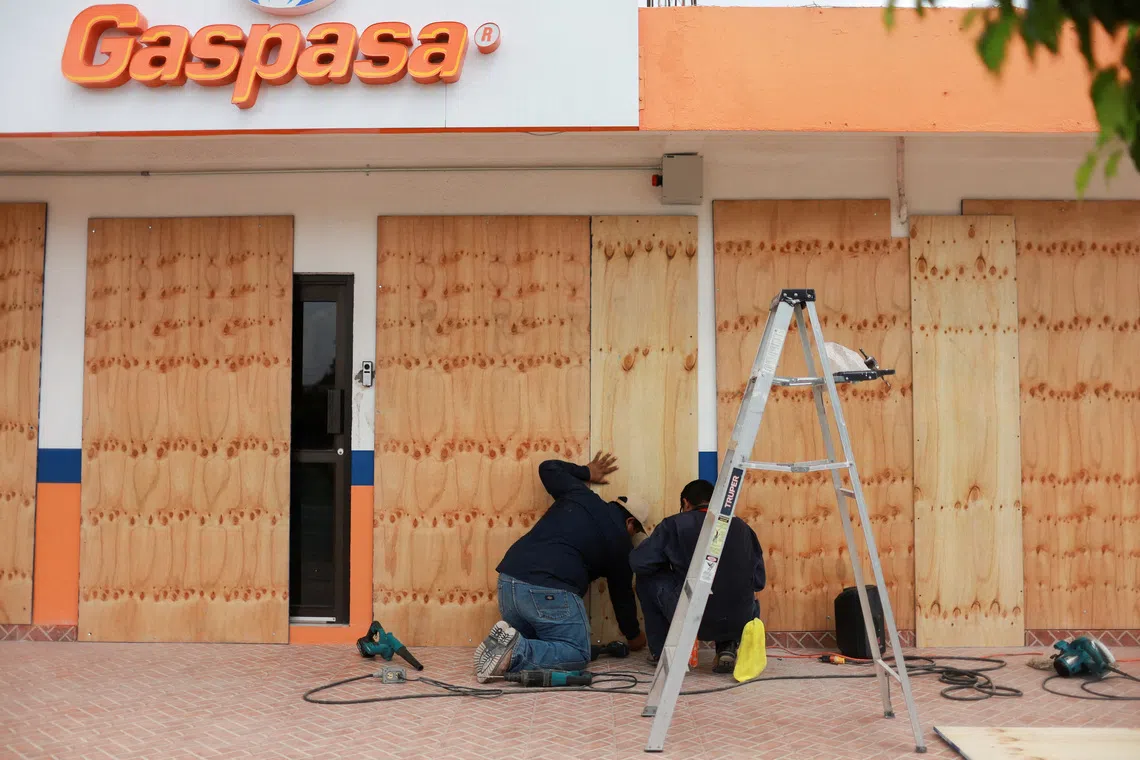
As Hurricane Nolo moved away from Hawaii, it still posed a threat with potential torrential rain. Mexican authorities urged residents to prepare for the imminent arrival of Hurricane Polo by unplugging electrical appliances and securing their homes against strong winds and heavy rains that could cause power outages. Local businesses boarded up doors and windows overnight in coastal cities like Loreto and Ciudad Constitucion, as worsening weather conditions hampered further preparations. Schools were ordered closed on Monday to ensure public safety.
Written for “Hurricane Polo Threatens Mexico” on 2026-10-05,
grounded in this article and the 19 other(s) covering the same event.
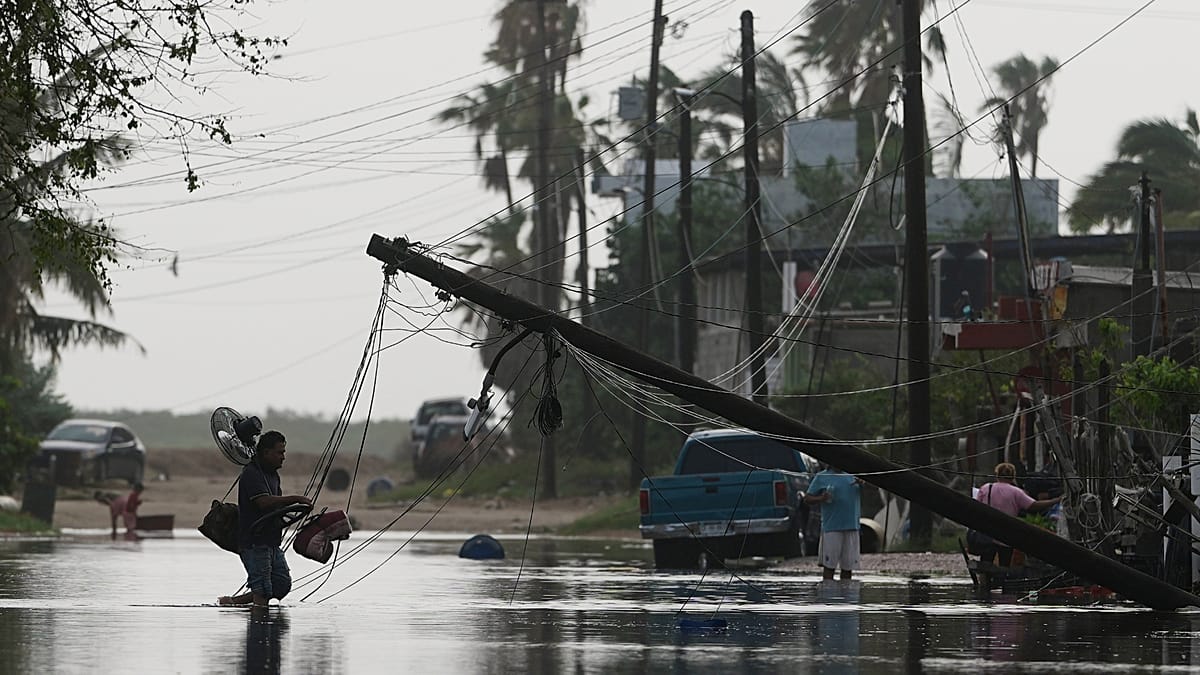
Hurricane Polo is barreling towards the US after slamming the Pacific coast of Mexico with powerful winds, torrential rain and pounding surf — with officials warning about possible life-threatening flash flooding.
asserted
officials → barrel → flooding
The storm was likely a Category 2 hurricane when it came ashore, packing maximum sustained winds of roughly 105 to 110 mph.
asserted
it → come → mph
By early Tuesday, Polo had weakened after moving over land but was still producing hurricane-force winds, with sustained winds of 75 mph and higher gusts, the NHC said.
asserted
NHC → weaken → mph
Now forecasters are warning that Polo’s soaking rains could trigger life-threatening flash flooding and mudslides, particularly in mountainous areas.
uncertain
rains → warn → areas
As the storm moves across Mexico, as much as “34 trillion gallons of rainfall headed toward the Southwest and Central U.S,” could be on the way, Crisis Response International said in a social media post.
uncertain
International → move → post
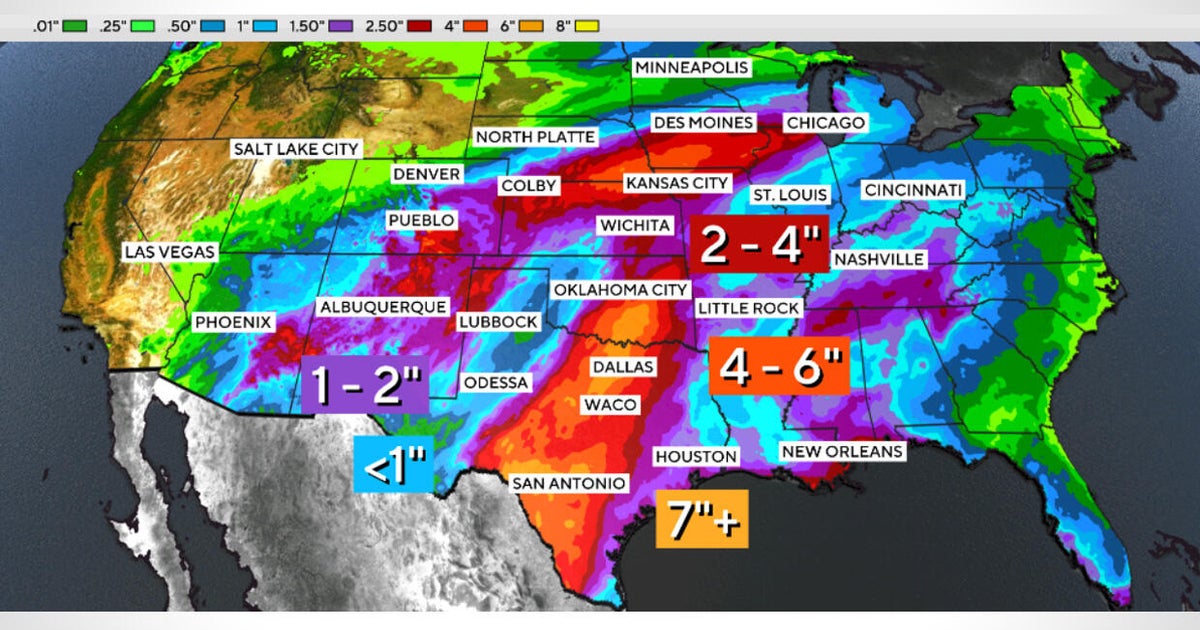
The National Weather Service issued a bulletin for parts of west Texas and New Mexico warning of “potentially life-threatening flash flooding” through early Wednesday.
asserted
Service → issue → Wednesday
Flash flooding has already been seen in parts of New Mexico as the Rio Grande swells beyond its banks.
asserted
Grande → see → banks
The threat will then shift farther east, with the agency warning of possible flash flooding from central Texas to central Oklahoma into Thursday.
asserted
agency → shift → Thursday
“Several inches of rain are possible, with 5–6+ inches possible across parts of Texas,” one meteorologist wrote on social media.
asserted
meteorologist → write → media
“Repeated rounds of storms could cause rainfall to pile up quickly, leading to life-threatening flash flooding.”
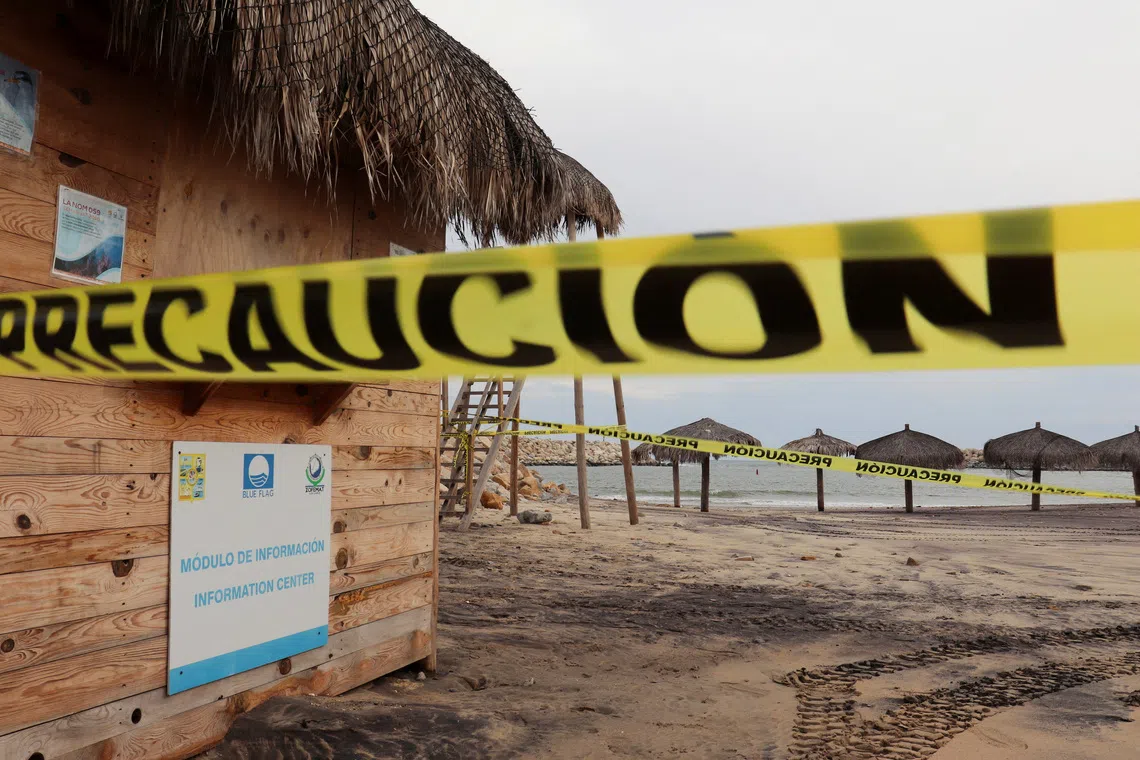
And while Polo’s worst effects may be moving away from Southern California, coastal communities in Los Angeles and Orange counties could still feel the storm’s effects.
uncertain
communities → cause → effects
The National Weather Service on Tuesday ended an earlier warning for high surf and coastal flooding, but said dangerous ocean conditions could linger.
uncertain
conditions → end → surf
“The surf from Hurricane Polo has peaked and will lower rather quickly through Wednesday, but strong rip currents may linger,” the bulletin read.
uncertain
bulletin → peak → Wednesday
“While the high tide will be lower on Wednesday compared to today, it will lower only a little and will likely still be above 7.0 feet.”
asserted
it → compare → feet
And Polo may not be the last storm to make waves along the coast.
uncertain
Polo → make → coast
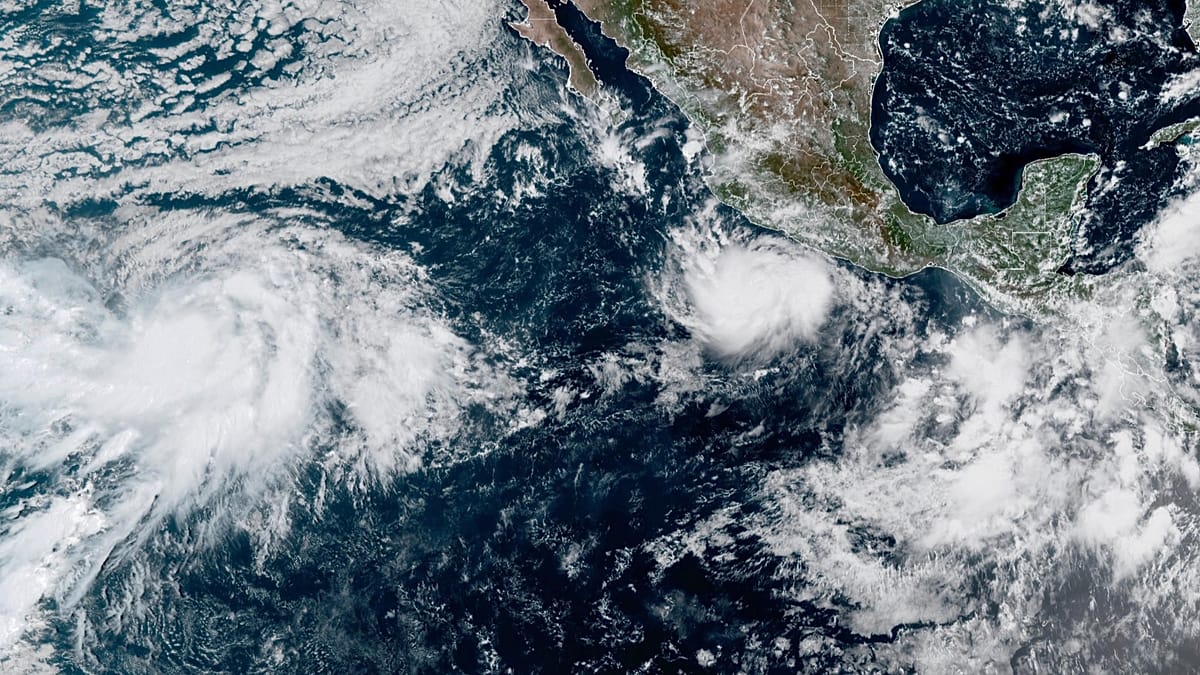
Tropical Storm Rachel is expected to produce “larger” swells than Polo along Southern California early to mid-next week, officials said.
asserted
officials → expect → week
Rachel was nearing hurricane strength Tuesday as it moved along Mexico’s southwestern coast, with maximum sustained winds of 70 mph, according to the NHC.
uncertain
it → near → NHC
“Large waves could produce life-threatening surf and rip current conditions along portions of the southwestern coast of Mexico during the next several days.”
uncertain
waves → produce → days
 The Aporia