That is 0 articles you have read today.
The Aporia is free and carries no advertising, so readers are the only
thing paying for it. If you are getting this much out of it, a small
donation is what keeps it independent.
Daily limit reached
You have read 0 articles today.
That is more than the 15 a day The Aporia gives away,
and well past what it can carry on nothing. Your allowance resets at
midnight.
There is no advertising here and nothing about you is sold, so readers
are the only thing paying for it. If the site is worth this much of
your day, it is worth a few dollars.
Everything else stays open: the
maps, the
directory and
search do
not count against this, and neither does re-opening something you have
already read today.
A significant wave of energy, known as a Kelvin wave, is set to hit California's coast in October due to strengthening El Niño conditions. This event could raise sea levels by up to one foot, posing risks to coastal areas already affected by climate change and the natural phenomenon of king tides during Thanksgiving and Christmas. Experts warn that this is just the beginning, with more severe impacts anticipated from January through March, including increased flooding and extreme weather events exacerbated by human-caused climate change.
Written locally by qwen2.5:14b on 2026-09-30,
using this article's own text rather than the other coverage of the
same event (that is the story summary below).
Story summary
Communities in California are preparing for the arrival of a massive underwater band of warm water known as the "Kelvin wave," expected to reach the state's coast by early October. This phenomenon is driven by El Niño conditions, causing sea levels along the California coast to rise by up to a foot, doubling existing 8-12 inch increases due to climate change over the past century. The wave moves north and could affect coastal areas from southern California through the San Francisco Bay Area into Alaska.
Kelvin waves are not like tsunamis; instead, they create a bulge of water under the surface that can persist for months, raising sea levels significantly during periods when the coast is also hit by wet weather. This surge will travel north at approximately 6 miles per hour, or 150 miles per day, affecting Oregon and Washington state through February.
Scientists warn that higher sea levels combined with larger waves from North Pacific swells expected during El Niño could cause severe beach erosion and flooding in areas already vulnerable to climate change impacts. According to experts like Sean Vitousek of the U.S. Geological Survey, these conditions significantly increase flood risks.
Written for “Kelvin Wave Hits California Coast” on 2026-10-05,
grounded in this article and the 4 other(s) covering the same event.
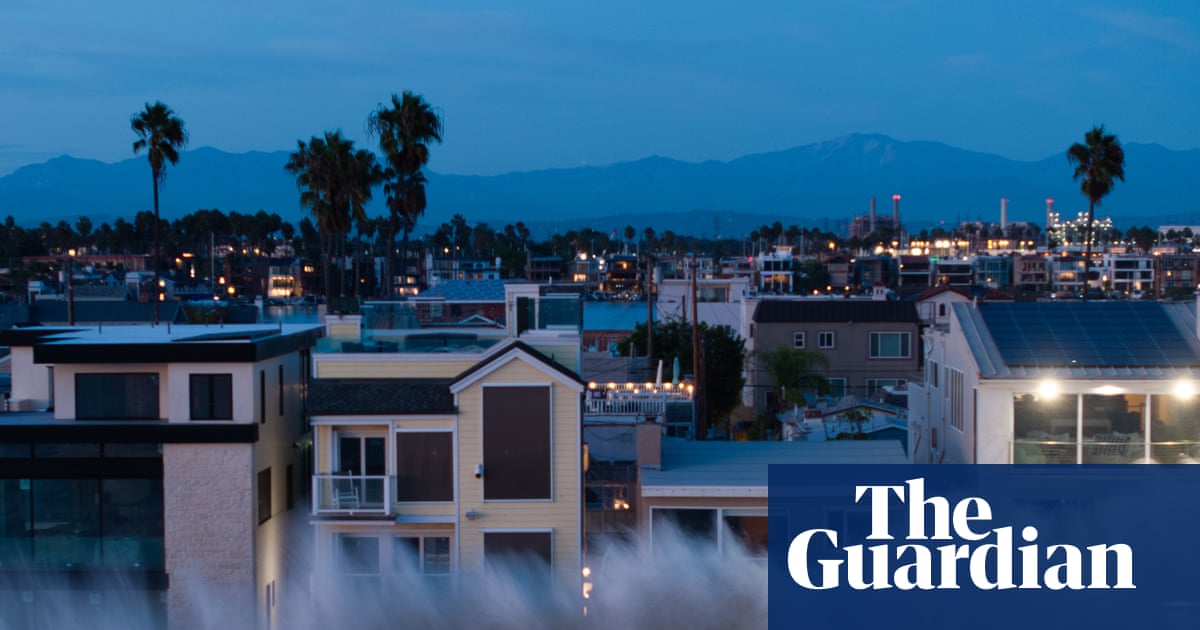
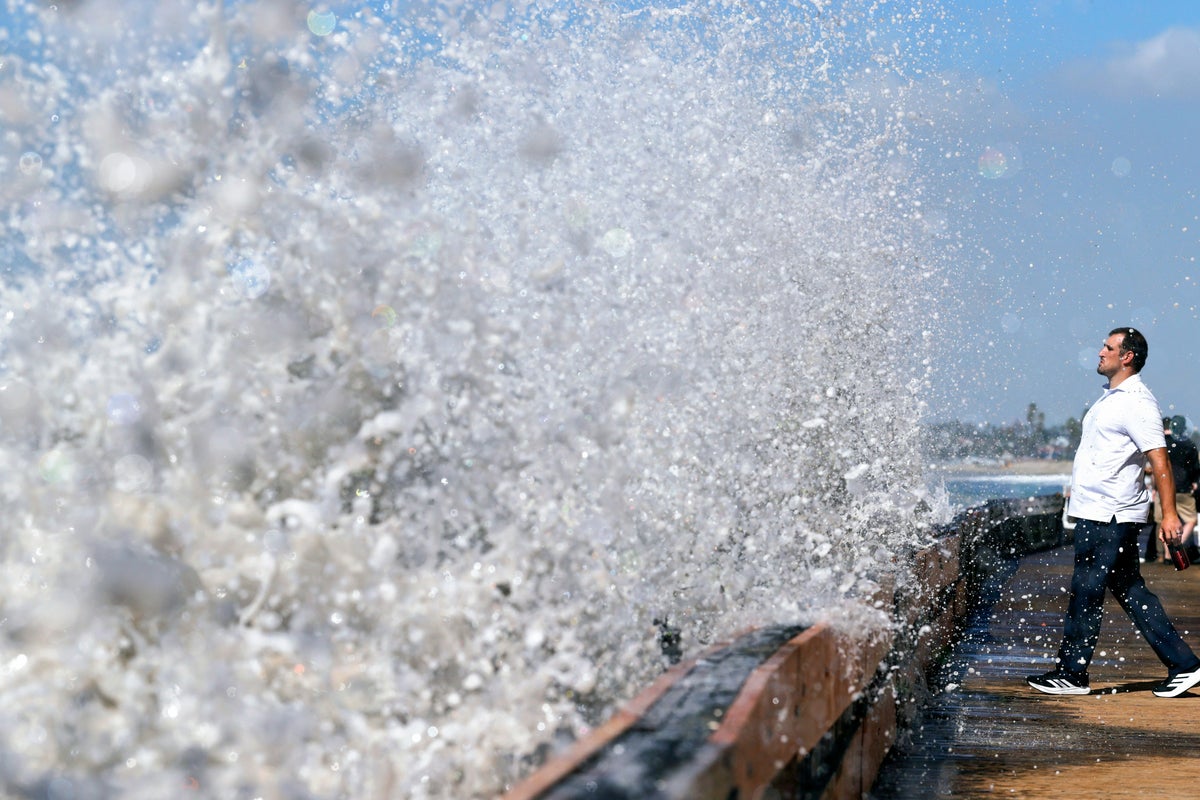
A massive wave of energy is expected to slam into the California coast in October, sending sea levels rising by up to a foot and threatening coastal homes and ecosystems.
asserted
levels → expect → homes
The so-called Kelvin wave forms because of sudden changes in wind speed and force, and has the ability to push warm water vast distances for months, according to forecaster AccuWeather.
uncertain
wave → call → AccuWeather
In this case, the Kelvin wave is driven by strengthening super El Niño conditions, experts say.
asserted
experts → drive → conditions
The natural climate pattern is forecast to bring more life-threatening flooding rainstorms and extreme temperatures across the U.S. into next year, worsened by human-caused climate change.
asserted
pattern → forecast → change
The Kelvin wave is “one of the first, if not the first indication that El Niño is here,” Dillon Amaya, an assistant professor in the department of marine, earth and atmospheric sciences at North Carolina State University, told The New York Times on Wednesday.
asserted
Amaya → tell → Wednesday
Past El Niño events have raised West Coast water levels by more than 7.9 inches, according to NASA.
uncertain
events → raise → NASA
Unfortunately for Californians, that’s not the only reason water levels are expected to swell, too.
asserted
levels → ’ → Californians
The Golden State’s king tides - especially high tides that occur due to the position of the Earth, moon and sun - are expected to be worse than typical this year due to the moon’s location in relation to Earth’s equator.
asserted
that → occur → equator
Those happen around Thanksgiving and Christmas, Anthony Edwards, a meteorologist at The San Francisco Chronicle, wrote on Monday.
asserted
Edwards → happen → Monday
And climate change has brought sea levels inching upward for decades, rising 8-9 inches worldwide since 1880, according to federal data.
uncertain
levels → bring → data
In the now-hurricane-riddled Pacific, sea levels have risen 4-6 inches since 1993, according to the United Nations.
uncertain
levels → riddle → Nations
These effects have made for some records already in California.
asserted
effects → make → California
The Bay Area got its second-ever coastal flood advisory this month and a previous Kelvin wave caused San Francisco’s highest June and July tides on record.
asserted
wave → get → record
That’s also part of what led Gov. Gavin Newsom to declare a state of emergency, mobilizing state agencies to distribute sandbags and pumps.
asserted
what → ’ → sandbags
And the triple-threat is what has experts so concerned, saying bigger impacts are coming.
asserted
impacts → have → ?
“This coming Kelvin wave is just the beginning,” Dr Jonathan Warrick, a research geologist at the U.S. Geological Survey, told The Guardian on Wednesday.
asserted
Warrick → come → Wednesday
“The thing to look out for is what will happen in January, February and March – that’s when we get the biggest storms, we get our largest waves and we have some very large tides.”
asserted
we → look → tides
 The Aporia





.jpeg?trim=0,0,0,0&width=1200&height=800&crop=1200:800)