Toronto Star
· collected 2026-09-30 · by Kim Tong-hyung The Associated Press
Kim Yo Jong, North Korea's influential foreign policy official, denied her country planted land mines near the Demilitarized Zone (DMZ) that injured three South Korean soldiers on September 21. She accused Seoul of fabricating evidence to justify military actions against the North and warned of retaliation if South Korean troops fire at North Korean border workers. The incident occurred as tensions between the Koreas have risen due to recent fortifications by both sides along their heavily guarded border.
Written locally by qwen2.5:14b on 2026-09-30,
using this article's own text rather than the other coverage of the
same event (that is the story summary below).
Story summary
On September 21, two explosions near the Demilitarized Zone (DMZ) injured three South Korean soldiers. The South Korean Joint Chiefs of Staff suspect North Korean landmines were responsible and claim this violates the 1953 armistice agreement ending the Korean War. In response, South Korea’s Defense Minister Kang Shin-chul warned of "corresponding measures" if confirmed.
North Korea denies responsibility, with leader Kim Jong Un's sister, Kim Yo-jong, accusing South Korea of fabricating claims to escalate tensions and threatening retaliation if Seoul attacks North Korean border workers. The incident raises concerns over military communication channels between the Koreas, which are already limited, potentially leading to further conflict amid ongoing nuclear developments in North Korea.
The US-led United Nations Command also confirmed that North Korea violated the armistice agreement by placing mines on South Korea's side of the DMZ. This has heightened regional tensions and prompted demands for an apology from Pyongyang.
Written for “DMZ Mine Blasts Controversy” on 2026-10-05,
grounded in this article and the 9 other(s) covering the same event.
The powerful sister of North Korean leader Kim Jong Un on Wednesday rejected South Korean findings that North Korea likely planted the land mines that injured three South Korean soldiers last week.
asserted
that → reject → soldiers
She threatened to retaliate if the South fires at North Korean troops conducting border fortification work.
asserted
South → threaten → work
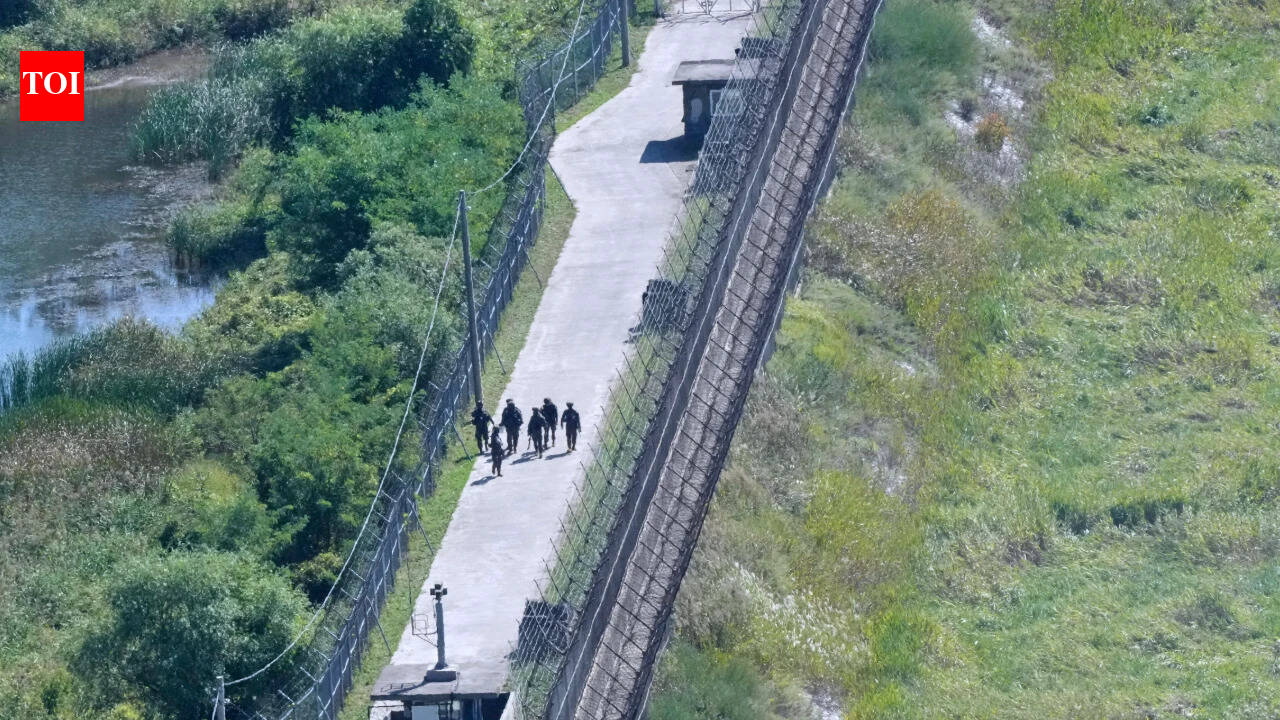
Three South Korean military officers were injured in two consecutive explosions Sept. 21 near the military demarcation line in the western section of the Demilitarized Zone (DMZ), a heavily fortified border buffer zone between the Koreas.
asserted
officers → injure → Koreas
The statement by Kim Yo Jong came after South Korea’s Joint Chiefs of Staff on Monday announced a preliminary assessment that the blasts were caused by North Korean mines following a joint inspection of the site with the U.S.-led United Nations Command.
asserted
blasts → come → Command
South Korean Defense Minister Kang Shin-chul told lawmakers Tuesday that North Korea’s placement of the mines likely violated the armistice agreement that ended fighting in the 1950-53 Korean War, and that the South would consider unspecified “corresponding measures” if a finalized investigation confirms the North was responsible.
asserted
North → tell → measures
Kim Yo Jong, a top foreign policy official for her brother and possibly the second-most powerful figure in Pyongyang, called the South Korean assessment a “conspiratorial farce” and accused Seoul of making groundless claims to create a pretext for military provocation against the North.
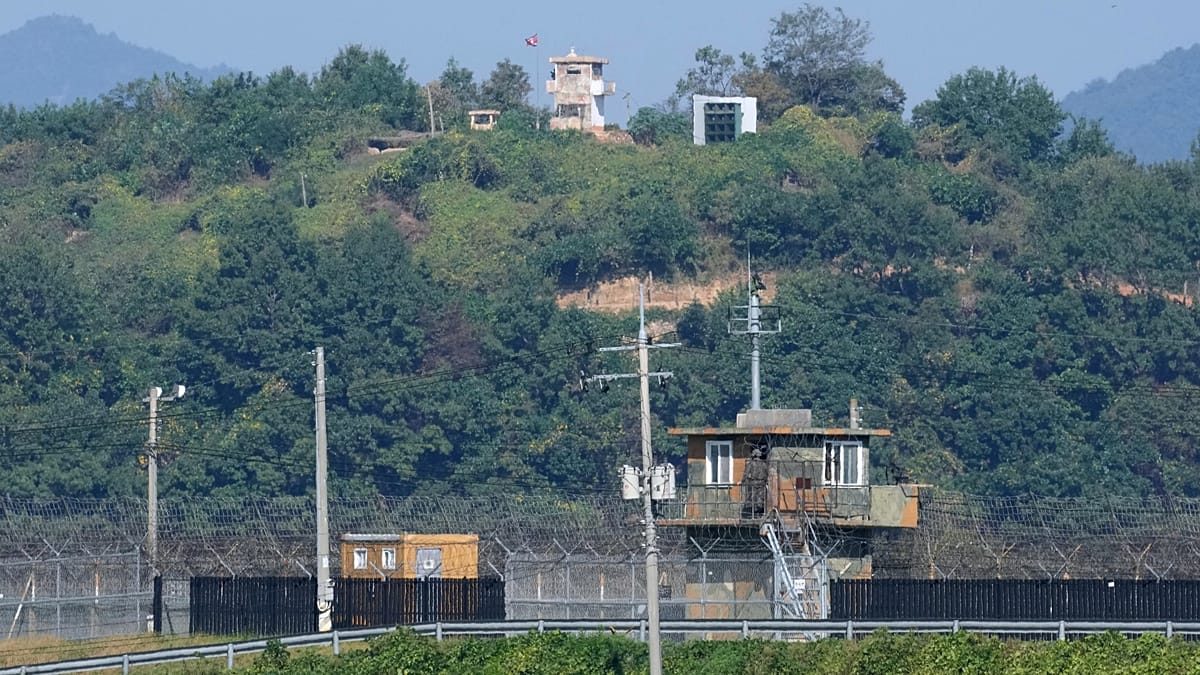
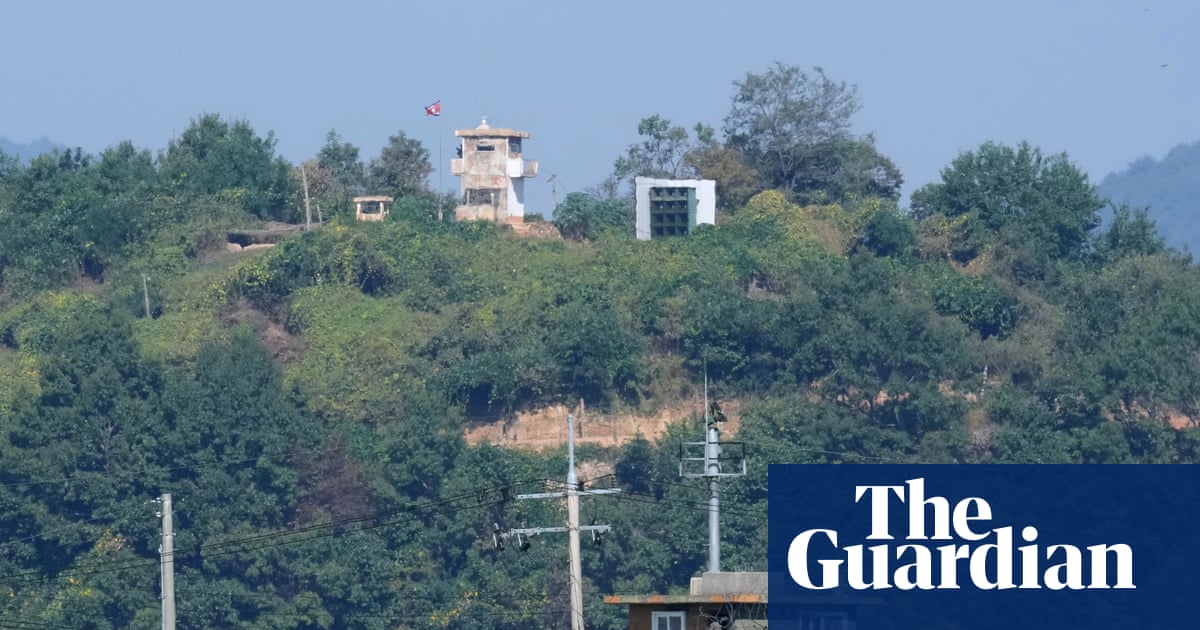
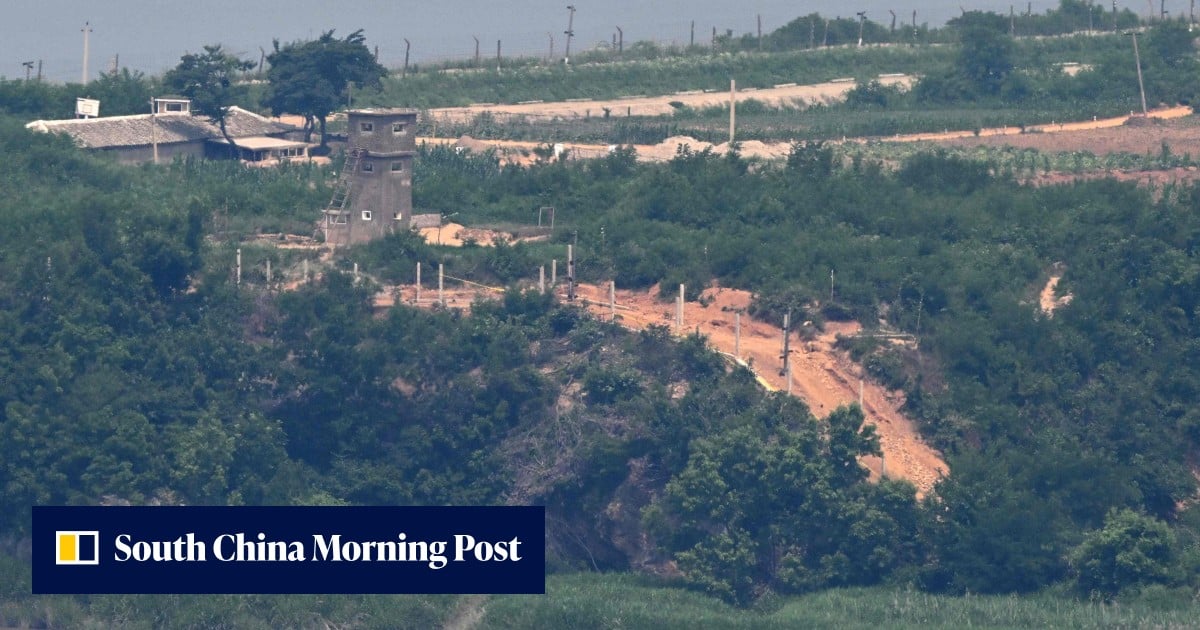
North Korea in recent years has added mines, anti-tank barriers and other front-line fortifications as relations between the Koreas have sharply deteriorated, raising concerns in the South about the growing presence of North Korean soldiers near the DMZ.
Kim described North Korea’s efforts as a rightful exercise of its sovereignty to strengthen the border and accused the South of escalating tensions by broadcasting warnings and firing warning shots at North Korean troops involved in front-line fortification work, insisting that “our soldiers have never crossed the border.
uncertain
soldiers → call → border
“When a single bullet is hit on our land, they must be prepared for a lot,” she said.
asserted
she → hit → lot
“If the (South Korean) military gangsters fire at our soldiers carrying on the permanent project for the southern border, not warning shots, our border units will take immediate and merciless retaliatory action.
asserted
units → fire → action
The recent explosions, which took place about 10 meters (yards) south of the military demarcation line, came during an operation to establish a patrol route through a densely vegetated area rarely visited for decades.
asserted
which → take → decades
The route was intended to allow future inspections with the U.N. Command after South Korea since last year detected “terrain changes” that may have resulted from North Korean minelaying.
uncertain
that → intend → minelaying
Kwon Dae-won, vice chairman of South Korea’s Joint Chiefs of Staff, said there was a “very high possibility” that North Korean mines caused last week’s explosions, noting that there was no record of South Korean or allied forces laying mines in the area.
asserted
forces → say → area
Blast marks, forensic analysis of explosive substances and what appeared to be a third North Korean mine at the scene also pointed to the North, he said.
asserted
he → appear → North
Kang said South Korean and U.N. investigators found a possible fourth mine during a follow-up inspection Tuesday.
asserted
investigators → say → inspection
The DMZ, which is 248 kilometers (155 miles) long and 4 kilometers (2.5 miles) wide, is one of the world’s most heavily fortified borders.
asserted
which → fortify → borders
An estimated 2 million mines are buried in and around the zone, which is also guarded by barbed-wire fences, tank traps and combat troops on both sides.
asserted
which → estimate → sides
The zone is a legacy of the Korean War, which ended with an armistice rather than a peace treaty.
asserted
which → end → armistice
The latest explosions came more than a decade after South Korea blamed the North for land mine explosions that maimed two South Korean soldiers and sharply raised tensions between the countries in August 2015.
asserted
that → come → August
The Koreas then traded threats, staged weapons demonstrations and resumed border propaganda broadcasts, before days of marathon talks eventually pulled them back from the brink.
asserted
days → trade → brink
North Korea issued a vague expression of regret over the soldiers’ injuries but never clearly accepted responsibility.
asserted
Korea → issue → responsibility
Last week’s explosions came as South Korea’s liberal government sought to help revive diplomacy between Pyongyang and Washington as part of broader efforts to reduce tensions on the Korean Peninsula.
asserted
government → come → Peninsula
Since early 2024, North Korea has taken an increasingly hard-line stance toward South Korea, declaring its neighbor a permanent enemy and abandoning the concept of shared statehood in favor of a hostile “two-state” system.
asserted
neighbor → take → system
The North has so far rejected U.S. calls to revive diplomacy between the countries that collapsed in 2019, insisting that Washington must first drop its demand for the North’s denuclearization as a precondition for talks.
asserted
Washington → reject → talks
 The Aporia