The Aporia
The Aporia
The Aporia

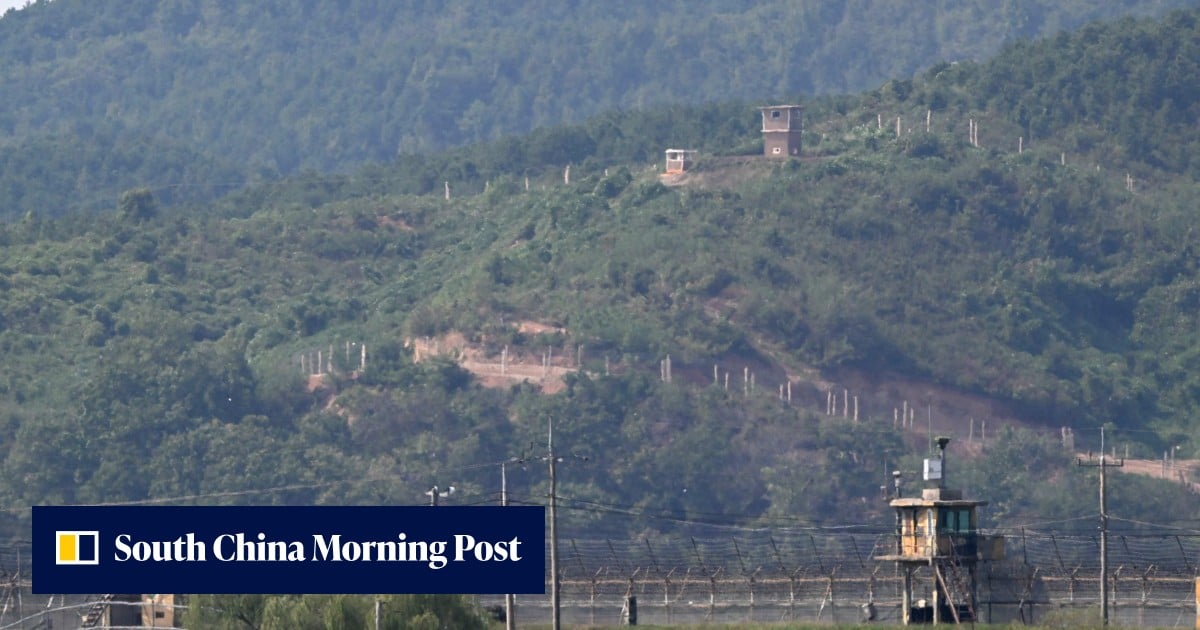
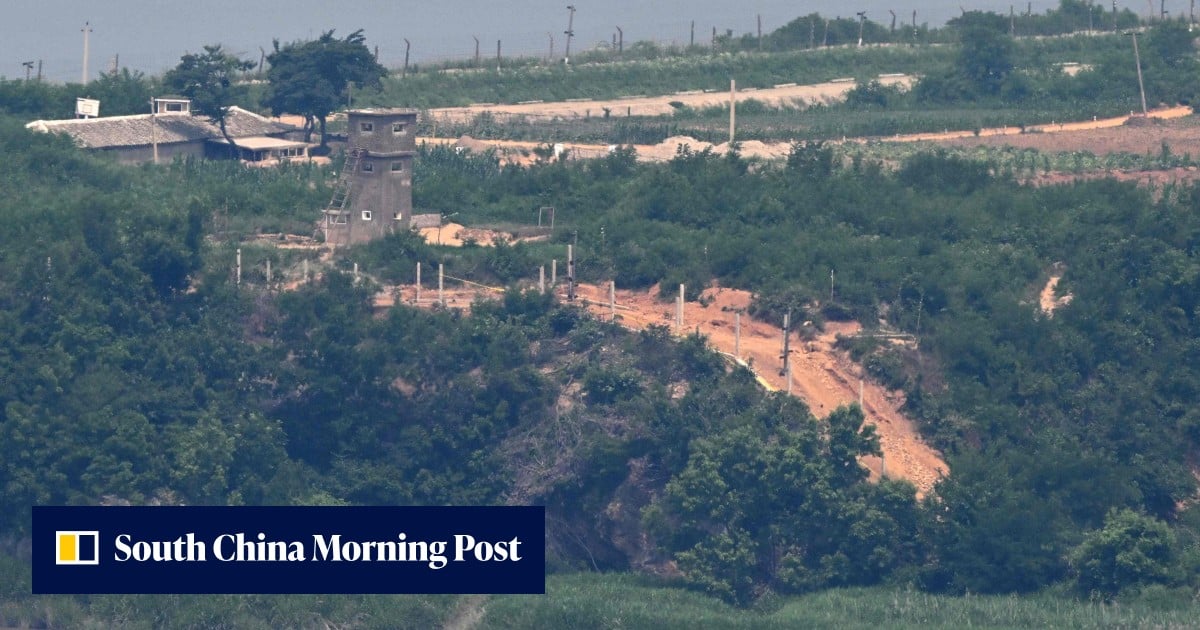
On September 21, three South Korean soldiers were injured by explosions near the Demilitarized Zone (DMZ) border between North and South Korea. The blasts occurred in an area where changes in terrain indicated recent activity, leading South Korea to suspect that newly planted North Korean landmines caused the incident. This assessment was made based on a crater pattern analysis and injuries sustained by the soldiers.
South Korea’s Joint Chiefs of Staff, along with the United Nations Command, conducted an inspection and concluded that North Korean mines were highly likely responsible for the explosion. South Korea's Defense Minister Kang Shin-chul stated that this action violated the 1953 armistice agreement and vowed unspecified "corresponding measures" if confirmed.
In response, Kim Yo Jong, sister of North Korean leader Kim Jong Un and a powerful figure in Pyongyang, denied responsibility for the incident. She called South Korea's claims groundless and accused Seoul of attempting to escalate tensions through this assertion. Kim also warned that North Korea would retaliate if provoked by further military actions from the South.
The lack of emergency communication channels between the two nations exacerbates concerns over potential misunderstandings or miscalculations, heightening regional tensions. The UN Command confirmed that a live anti-personnel mine was discovered on the southern side of the border during a follow-up inspection, reinforcing South Korea's claims and highlighting ongoing security risks in the DMZ area.
Seoul blames Pyongyang for the blast near the military demarcation line (MDL) on September 21, in which one soldier lost a foot.
A joint investigation by South Korea and the US-led United Nations Command concluded that at least four mines at the site of last month’s blast, 10 metres (32 feet) south of the MDL, were deliberately planted by the North.