That is 0 articles you have read today.
The Aporia is free and carries no advertising, so readers are the only
thing paying for it. If you are getting this much out of it, a small
donation is what keeps it independent.
Daily limit reached
You have read 0 articles today.
That is more than the 15 a day The Aporia gives away,
and well past what it can carry on nothing. Your allowance resets at
midnight.
There is no advertising here and nothing about you is sold, so readers
are the only thing paying for it. If the site is worth this much of
your day, it is worth a few dollars.
Everything else stays open: the
maps, the
directory and
search do
not count against this, and neither does re-opening something you have
already read today.
Kim Yo-jong, sister of North Korean leader Kim Jong-un, dismissed South Korea's claims that North Korea planted mines near the Demilitarized Zone (DMZ) causing injuries to three South Korean soldiers on September 21 as "a conspiratorial farce." The incident occurred in a heavily fortified border buffer zone where both Koreas have been enhancing military fortifications. Kim warned of retaliation if South Korea fires upon North Korean troops working near the border, highlighting the tense situation and lack of communication channels between the two nations.
Written locally by qwen2.5:14b on 2026-09-30,
using this article's own text rather than the other coverage of the
same event (that is the story summary below).
Story summary
On September 21, two explosions near the Demilitarized Zone (DMZ) injured three South Korean soldiers. The South Korean Joint Chiefs of Staff suspect North Korean landmines were responsible and claim this violates the 1953 armistice agreement ending the Korean War. In response, South Korea’s Defense Minister Kang Shin-chul warned of "corresponding measures" if confirmed.
North Korea denies responsibility, with leader Kim Jong Un's sister, Kim Yo-jong, accusing South Korea of fabricating claims to escalate tensions and threatening retaliation if Seoul attacks North Korean border workers. The incident raises concerns over military communication channels between the Koreas, which are already limited, potentially leading to further conflict amid ongoing nuclear developments in North Korea.
The US-led United Nations Command also confirmed that North Korea violated the armistice agreement by placing mines on South Korea's side of the DMZ. This has heightened regional tensions and prompted demands for an apology from Pyongyang.
Written for “DMZ Mine Blasts Controversy” on 2026-10-05,
grounded in this article and the 9 other(s) covering the same event.
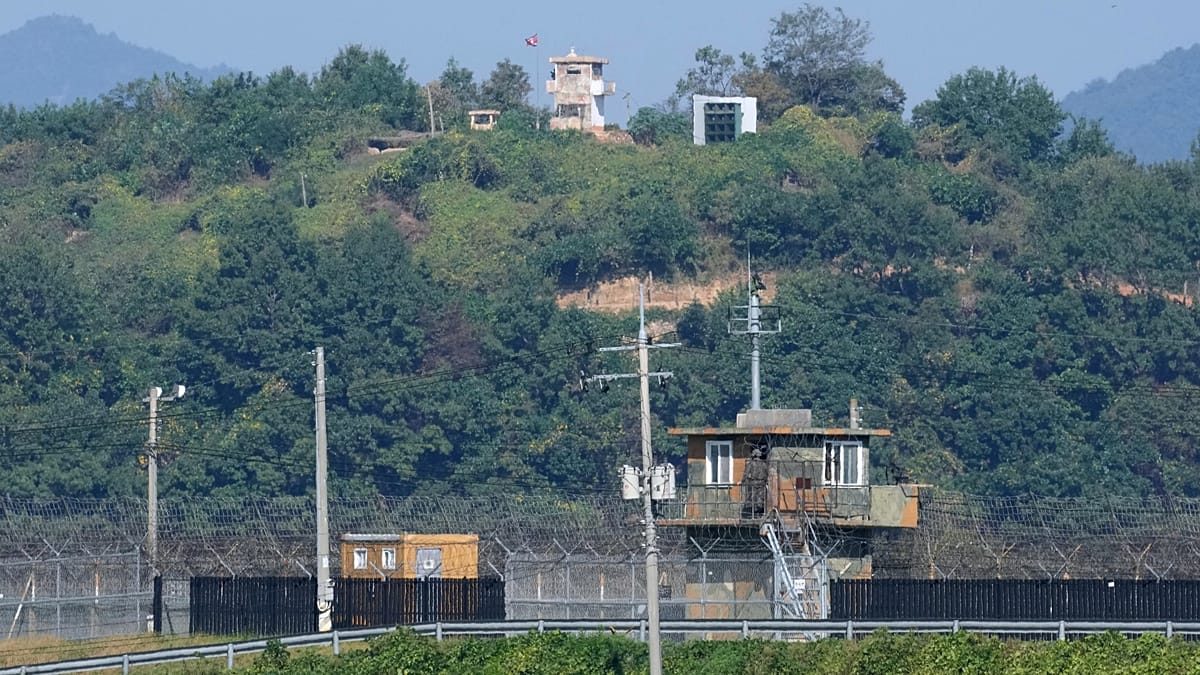
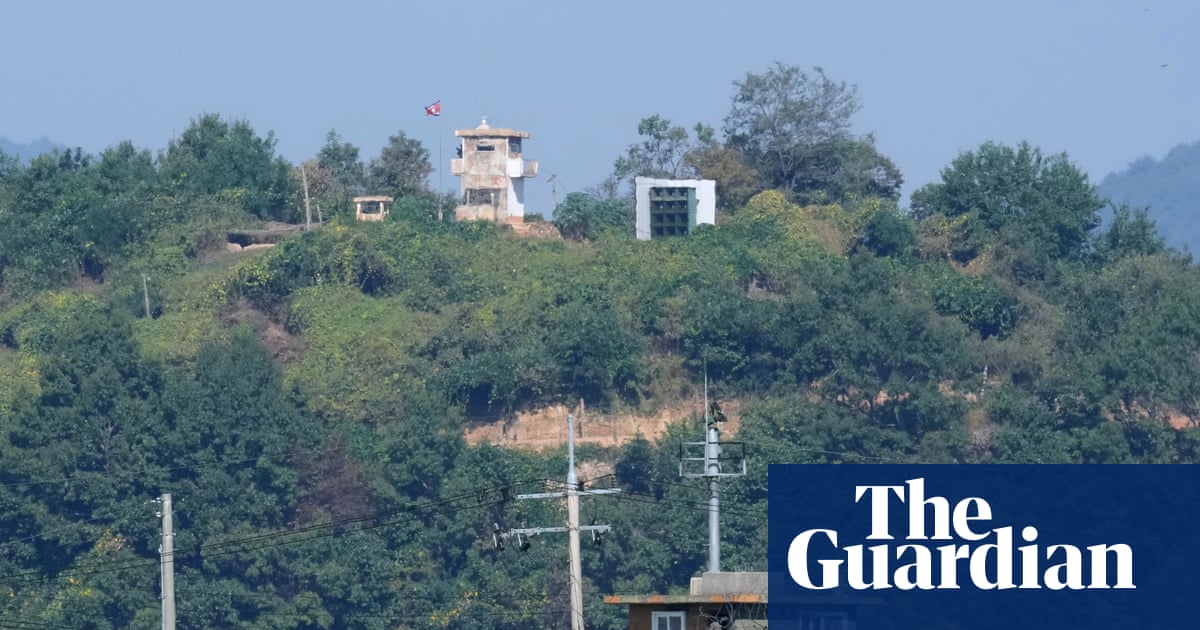
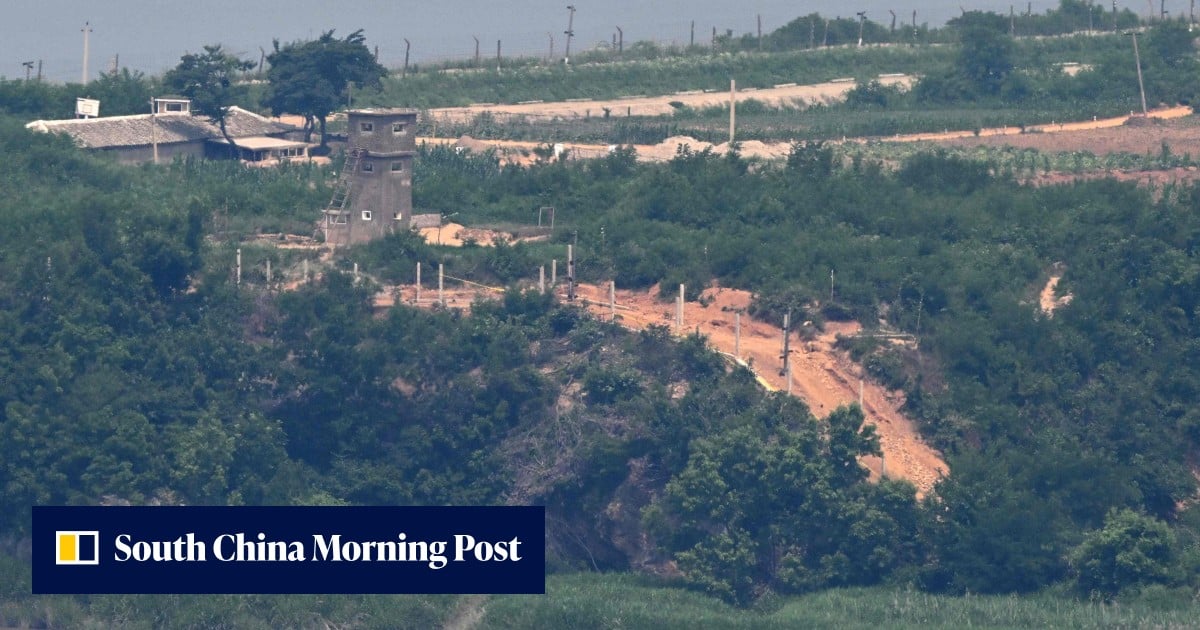
North Korea in recent years has added mines, anti-tank barriers and other front-line fortifications, raising concerns in the South about the growing presence of North Korean soldiers near the border.
asserted
Korea → add → border
The powerful sister of North Korean leader Kim Jong-un rejected on Wednesday South Korean findings that the North planted land mines that injured three South Korean soldiers last week and threatened to retaliate if the South fires on North Korean troops fortifying the border.
asserted
South → reject → border
The incident could further inflame tensions between the two Koreas, which have no working military hotlines or other emergency communications channels as Pyongyang hardens its stance towards Seoul while expanding its military nuclear programme.
uncertain
Pyongyang → inflame → programme
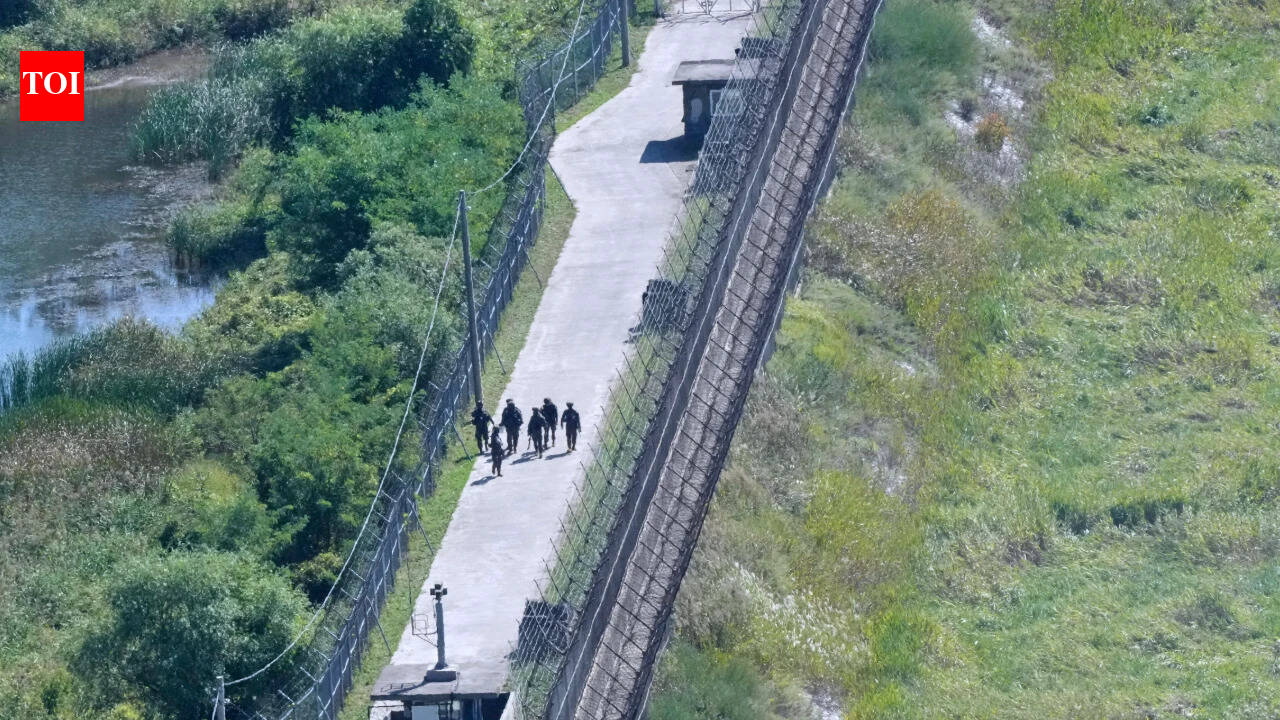
Three South Korean soldiers were injured in two explosions on 21 September near the military demarcation line in the western section of the Demilitarized Zone (DMZ), the heavily fortified border buffer zone between the two sides.
asserted
soldiers → injure → sides
The statement by Kim Yo-jong came after South Korea’s military announced a preliminary assessment on Monday that the blasts were caused by North Korean mines following a joint inspection of the site with the US-led United Nations Command.
asserted
blasts → come → Command
Kim calls Seoul's claims a 'farce'
Kim
uncertain
Kim → call → claims
Yo-jong, who is considered the second most powerful figure in Pyongyang, called the South Korean assessment a “conspiratorial farce,” accusing Seoul of making groundless claims to create a pretext for provocation against the North.
uncertain
who → consider → North
North Korea in recent years has added mines, anti-tank barriers and other front-line fortifications, raising concerns in the South about the growing presence of North Korean soldiers near the border.
asserted
Korea → add → border
Kim criticised the South for broadcasting warnings and firing warning shots at North Korean troops conducting front-line fortification work, insisting “our soldiers have never crossed the border.”
“If the (South Korean) military gangsters fire at our soldiers carrying on the permanent project for the southern border, not warning shots, our border units will take immediate and merciless retaliatory action,” she said.
asserted
she → criticise → action
The recent explosions, which took place about 10 metres south of the military demarcation line, came during an operation to establish a patrol route through a densely vegetated area.
asserted
which → take → area
The route was intended to allow future inspections with the UN Command after South Korea since last year detected “terrain changes” that may have resulted from North Korean minelaying.
uncertain
that → intend → minelaying
The DMZ is a 248-kilometre strip and one of the world’s most heavily fortified borders, with an estimated 2 million land mines, barbed-wire fences, tank traps and combat troops on both sides.
asserted
DMZ → fortify → sides
In August 2015, another spate of land mine blasts that maimed two South Korean soldiers and sharply raised tensions between the Koreas.
asserted
that → maim → Koreas
The Koreas then traded threats, staged weapons demonstrations and resumed border propaganda broadcasts before days of marathon talks eventually pulled them back from the brink.
asserted
days → trade → brink
North Korea issued a vague expression of regret over the soldiers’ injuries at the time but has never clearly accepted responsibility.
asserted
Korea → issue → responsibility
UN Command says North Korea violated armistice agreement
The UN Command said on Wednesday that North Korea had violated the armistice agreement that ended fighting in the 1950-53 Korean War.
The agreement prohibits both sides from committing any hostile act “within, from, or against” the DMZ and bans military or civilian personnel from crossing the military demarcation line without authorisation from the armistice commission.
asserted
agreement → say → commission
The UN Command said it was addressing the violation through established mechanisms but didn’t elaborate.
asserted
it → say → mechanisms
Kang Hyunwoo, the South Korean Joint Chiefs of Staff’s director of operations, said the military “strongly urges” North Korea to apologise for the blasts and take “responsible measures” to prevent a recurrence.
asserted
Korea → say → recurrence
South Korean Defence Minister Kang Shin-chul said the South would consider unspecified “corresponding measures” if a complete investigation confirms the North was responsible.
asserted
North → say → measures
 The Aporia