That is 0 articles you have read today.
The Aporia is free and carries no advertising, so readers are the only
thing paying for it. If you are getting this much out of it, a small
donation is what keeps it independent.
Daily limit reached
You have read 0 articles today.
That is more than the 15 a day The Aporia gives away,
and well past what it can carry on nothing. Your allowance resets at
midnight.
There is no advertising here and nothing about you is sold, so readers
are the only thing paying for it. If the site is worth this much of
your day, it is worth a few dollars.
Everything else stays open: the
maps, the
directory and
search do
not count against this, and neither does re-opening something you have
already read today.
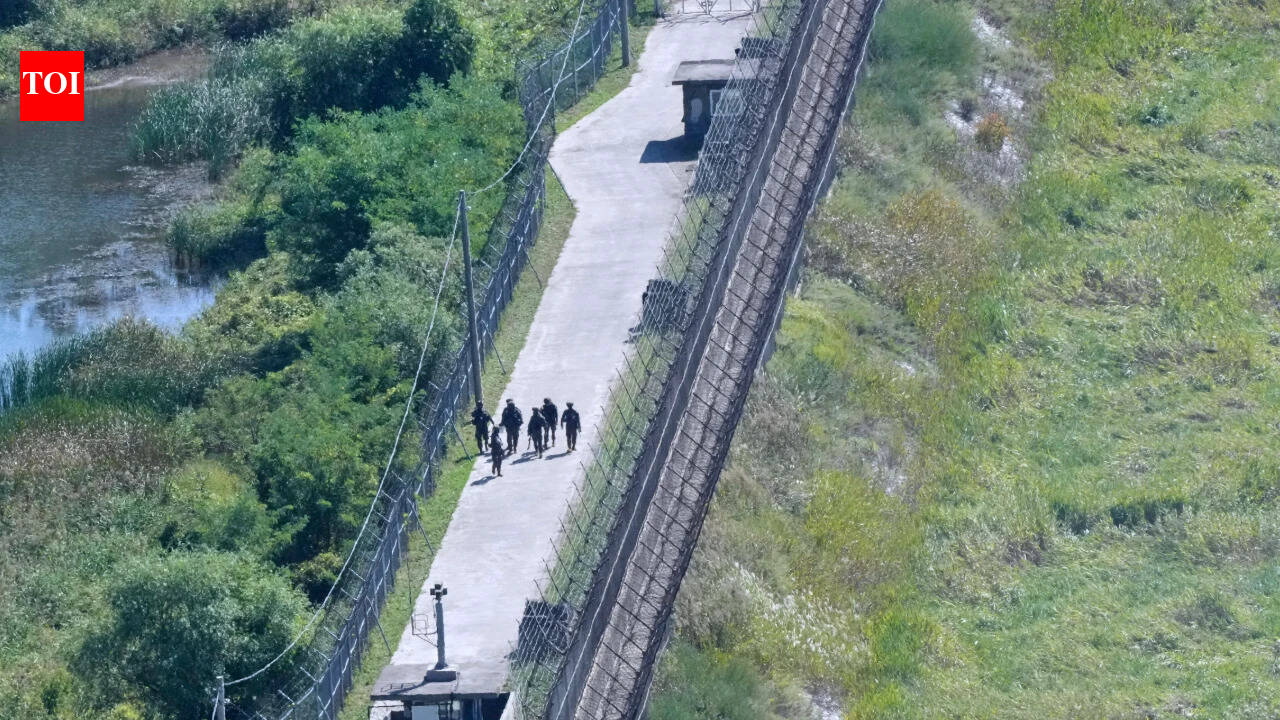
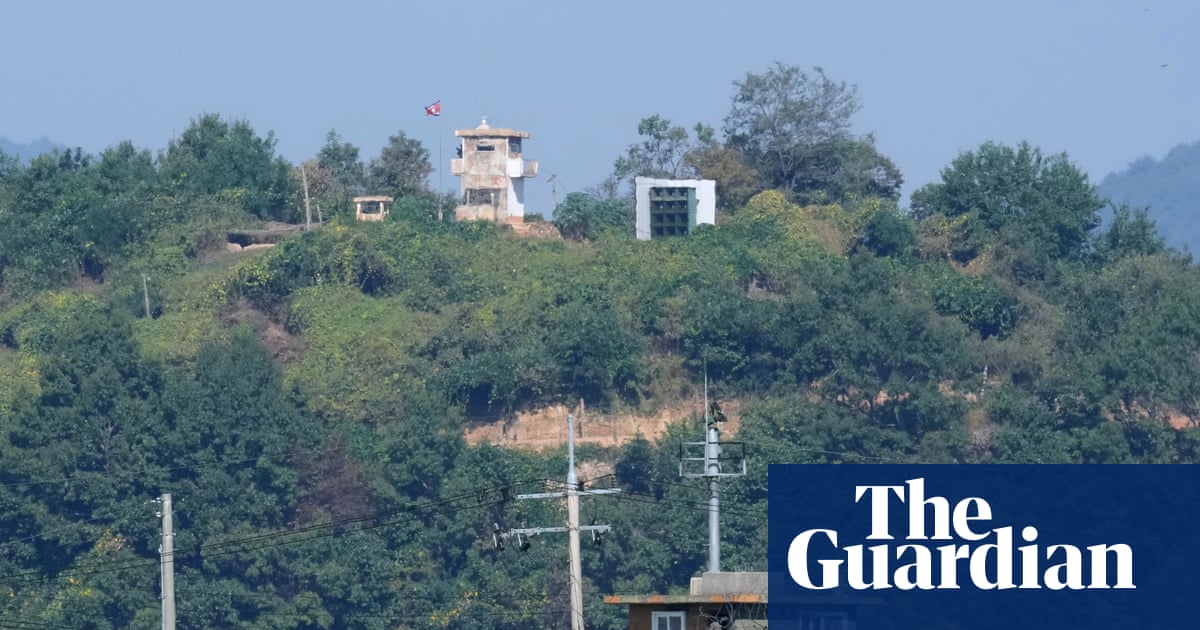
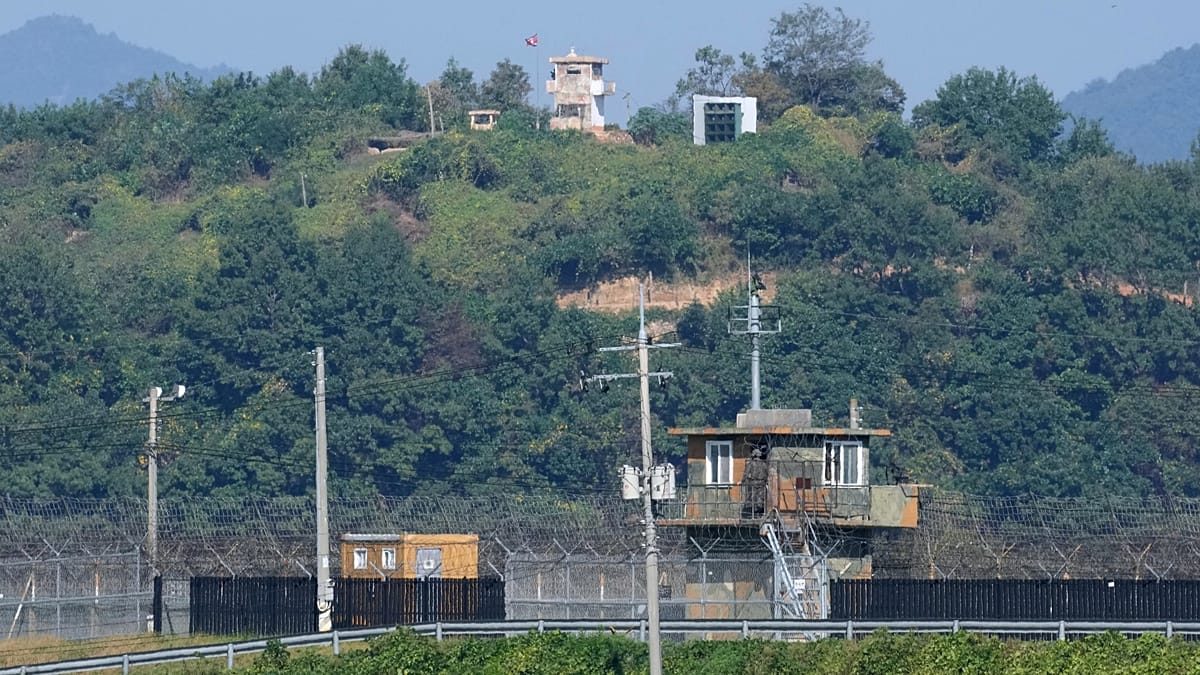
South Korea suspects North Korean landmines were behind a recent explosion near the Demilitarised Zone (DMZ) that injured three military personnel on September 21. The Joint Chiefs of Staff, citing evidence from the crater and flame patterns, concluded that recently planted mines likely caused the blast. This incident could escalate tensions between the two nations, which technically remain at war following the Korean War armistice in 1953.
Written locally by qwen2.5:14b on 2026-09-28,
using this article's own text rather than the other coverage of the
same event (that is the story summary below).
Story summary
On September 21, two explosions near the Demilitarized Zone (DMZ) injured three South Korean soldiers. The South Korean Joint Chiefs of Staff suspect North Korean landmines were responsible and claim this violates the 1953 armistice agreement ending the Korean War. In response, South Korea’s Defense Minister Kang Shin-chul warned of "corresponding measures" if confirmed.
North Korea denies responsibility, with leader Kim Jong Un's sister, Kim Yo-jong, accusing South Korea of fabricating claims to escalate tensions and threatening retaliation if Seoul attacks North Korean border workers. The incident raises concerns over military communication channels between the Koreas, which are already limited, potentially leading to further conflict amid ongoing nuclear developments in North Korea.
The US-led United Nations Command also confirmed that North Korea violated the armistice agreement by placing mines on South Korea's side of the DMZ. This has heightened regional tensions and prompted demands for an apology from Pyongyang.
Written for “DMZ Mine Blasts Controversy” on 2026-10-05,
grounded in this article and the 9 other(s) covering the same event.
South Korea has said it suspects that a recent explosion in the Demilitarised Zone (DMZ) that injured three military personnel was caused by North Korean landmines.
asserted
that → say → landmines
South Korea’s Joint Chiefs of Staff said on Monday that the preliminary findings of an investigation with the United Nations Command indicated that recently planted landmines were involved.
asserted
landmines → say → Command
The report threatens to provoke increased tensions between the rivals, who technically remain at war.
asserted
who → threaten → war
Rumesh Pathirage wins javelin gold, Arshad Nadeem is fourth
- list 2 of 3Iraq looks for oil export alternatives to the troubled Strait of Hormuz
- list 3 of 3Ben-Gvir joins hundreds of Israelis to storm Al-Aqsa Mosque compound
asserted
Gvir → win → compound
“Taking into account the crater and the pattern of the flames from the explosion, the extent of the injuries sustained by the service members … we assess that North Korean landmines are highly suspected to have caused the blast,” Army Lieutenant-General Kwon Dae-won, vice chairman of the Joint Chiefs of Staff, said.
asserted
won → take → Staff
He confirmed that the explosion site was “about 10 metres (33 feet) from an area where changes in the terrain were observed and where North Korean forces are believed to have recently planted mines”.
asserted
forces → confirm → mines
Three South Korean military officers were severely wounded in the explosion on September 21 in the western sector of the DMZ, which separates North and South Korea.
asserted
which → wound → Korea
There are an estimated 2 million mines in and around the DMZ, which periodically cause explosions that injure military personnel.
asserted
that → be → personnel
, the DMZ remains heavily armed.
asserted
DMZ → remain → ?
An armistice, rather than a peace treaty, ended fighting in the Korean War in 1953, so the two sides technically remain at war.
asserted
sides → end → war
Relations between Seoul and Pyongyang have deteriorated in recent years amid increased geopolitical tensions, with the collapse of talks between North Korean leader Kim Jong Un and United States President Donald Trump in 2019 a trigger.
asserted
collapse → deteriorate → trigger
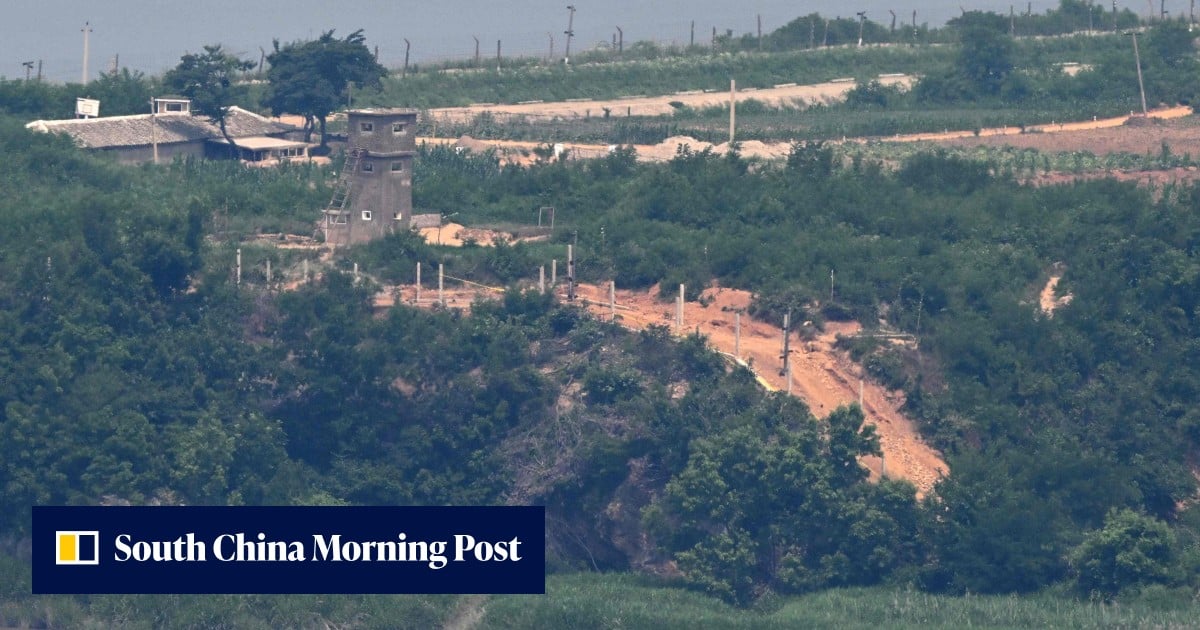
In 2024, Kim described South Korea as the country’s “principal enemy” and Pyongyang has since been busy laying additional mines and building anti-tank barriers along the border.
asserted
Pyongyang → describe → border
Kwon warned that should the investigation confirm Pyongyang was responsible, South Korea’s military “will take appropriate and corresponding measures”.
asserted
military → warn → measures
 The Aporia