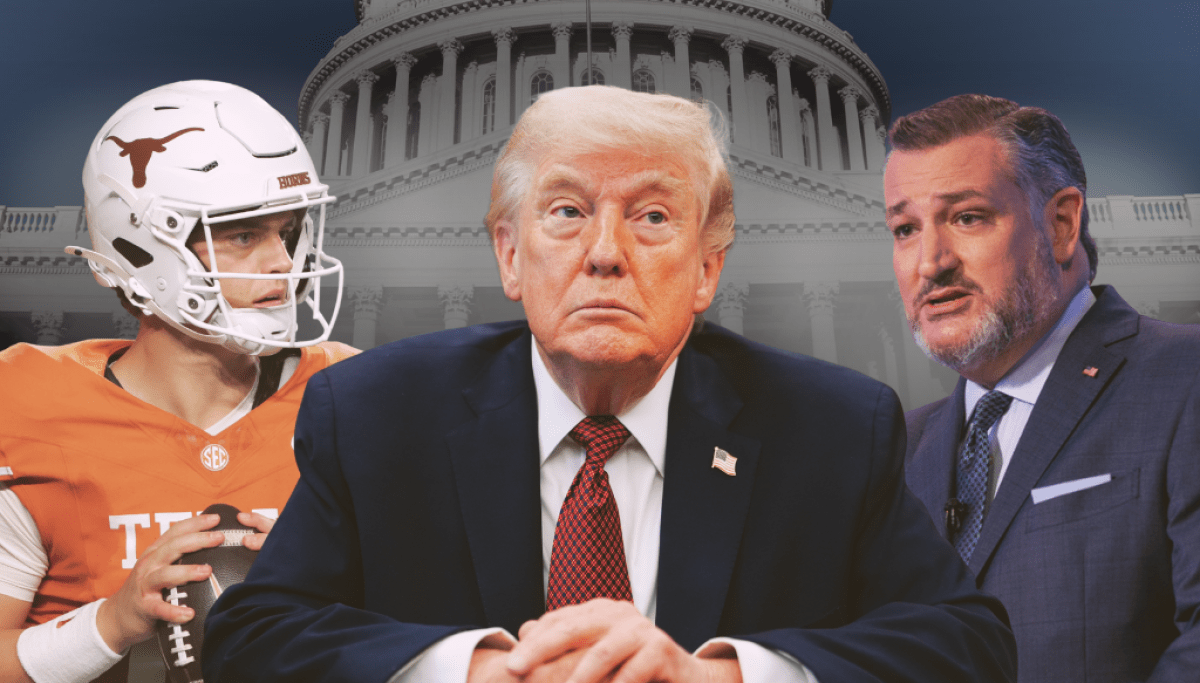
The Senate passed the Protect College Sports Act with a vote of 77-22, granting the NCAA and its member schools antitrust protection to set rules regarding athlete transfers and compensation. Under this legislation, each school can directly pay athletes up to $49 million annually, more than doubling the previous cap. The bill also streamlines the transfer process for athletes and establishes a five-year eligibility rule starting from when they turn 19 or enroll full-time in college. It must now pass through the House before going to President Trump’s desk.
Written locally by qwen2.5:14b on 2026-09-29,
using this article's own text rather than the other coverage of the
same event (that is the story summary below).
Story summary
The Senate passed the bipartisan Protect College Sports Act by a vote of 77 to 22 on Monday night. Senators Ted Cruz (R-Texas) and Maria Cantwell (D-Wash.), the bill’s lead sponsors, aim for its quick passage in the House before the midterm elections. The act grants the NCAA limited antitrust immunity and establishes national standards for athlete compensation through Name, Image, and Likeness (NIL) deals, while also setting eligibility rules and transfer limits to curb chaos in college sports. Despite support from the NCAA and several high-profile schools, critics like Senator Cory Booker argue it fails to address runaway spending issues and may disadvantage athletes. President Donald Trump has urged Congress to pass the bill before summer recess, saying he would sign it into law if it reaches his desk.
Written for “College Sports Regulation Bill Passing” on 2026-10-05,
grounded in this article and the 9 other(s) covering the same event.
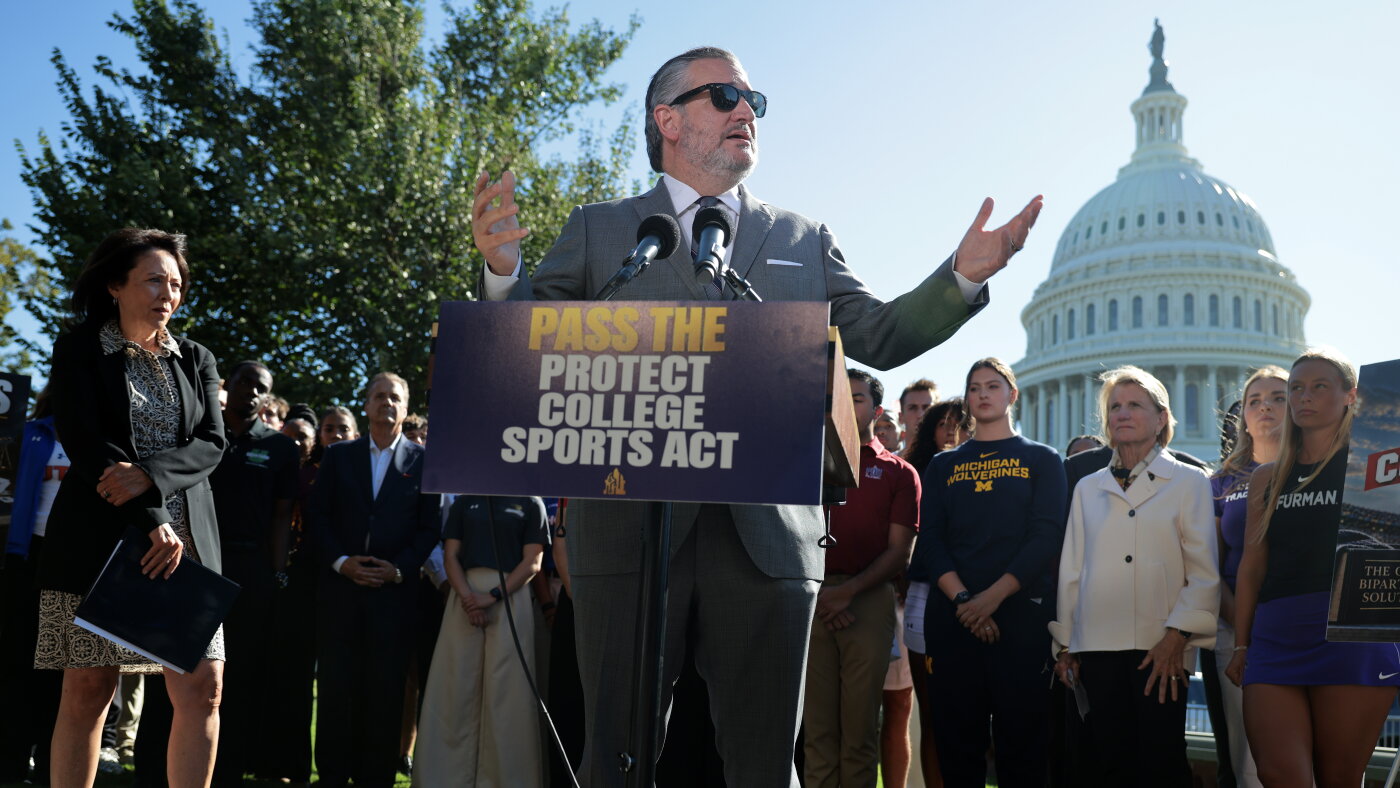
The Senate overwhelmingly passed a sweeping bill regulating college sports Monday, bringing Congress closer than ever before to enacting national standards around where — and for how much — intercollegiate athletes play.
asserted
athletes → pass → much
The bipartisan Protect College Sports Act, approved in a 77-22 vote, grants the National Collegiate Athletic Association (NCAA) and its member schools a limited antitrust exemption, allowing them to set and enforce rules around athlete eligibility and transfers without worrying about being taken to court.
asserted
them → protect → court
It also raises the limit on how much each school can directly pay athletes to around $49 million, more than double the $21.5 million cap put in place as part of a 2025 settlement reached by the NCAA to wrap up three separate federal antitrust lawsuits.
asserted
school → raise → lawsuits
Under the Senate bill, co-authored by Sens. Ted Cruz (R-Texas) and Maria Cantwell (D-Wash.), athletes will be allowed to transfer between schools once without sitting out a year and will be subject to the NCAA’s five-year eligibility rule, with the clock starting the academic year after they turn 19 or when they first enroll full-time in college, whichever comes first.
asserted
whichever → co → college
“College sports is at a breaking point,” Cruz wrote in an X post last week, promising the bill would “restore order to a system being torn apart by too few rules and too much litigation.
asserted
bill → write → rules
It establishes national standards for transfers, eligibility, tampering, inducements, and revenue sharing while protecting athletes’ right to earn [name, image and likeness] compensation.
asserted
It → establish → compensation
We should be fighting to protect their scholarships, their roster spots, women’s and Olympic sports, and the institution of college athletics itself,” Cruz added.
asserted
Cruz → fight → athletics
“College sports is worth saving, for the athletes, for the schools, for the fans, and for America.”
asserted
sports → save → America
The bill must now pass the House, which is not due back in session until after the Nov. 3 midterm elections and may change the legislation further.
uncertain
which → pass → legislation
A revised House-passed version of the bill would have to clear the Senate again before heading to President Trump’s desk.
asserted
version → pass → desk
Morning Report delivers the latest news, videos, photos and more.
asserted
Report → deliver → news
In addition to instituting new rules around athlete pay, the Protect College Sports Act caps the fees of agents acting on behalf of players at 5% of earnings, while barring college football coaches from leaving for another job in the middle of the season following the high-profile departure of Lane Kiffin to LSU from Ole Miss prior to last season’s College Football Playoff.
asserted
Act → institute → Playoff
The bill leaves open the question of whether athletes should be considered university employees with collective bargaining rights, and opponents of the bill argue it gives too much power to school officials accused of exploiting players to make money for the university.
asserted
it → leave → university
“The legislation that we are going to be voting on tonight is predicated on a simple idea: The idea that college sports is in crisis and that it requires a fairly extraordinary act of legislative intervention to address this crisis,” Sen. Chris Murphy (D-Conn.) said ahead of the vote.
asserted
Murphy → go → vote
“The facts don’t back up that characterization of college sports,” the senator claimed.
asserted
senator → back → sports
Murphy expressed concern that the “sweeping bill” will allow colleges to “preserve the system of exploitation” that the Supreme Court deemed illegal in a landmark 9-0 ruling in 2021.
asserted
Court → express → 2021
The legislation “allows schools to make a whole lot more money … and keep that money for themselves,” Murphy argued.
asserted
Murphy → allow → themselves
Other opponents of the measure, like Sen. Tommy Tuberville (R-Ala.), a former college football head coach, say it goes too far to regulate what athletes can be paid and should only standardize transfer and eligibility rules.
asserted
athletes → say → rules
 The Aporia