That is 0 articles you have read today.
The Aporia is free and carries no advertising, so readers are the only
thing paying for it. If you are getting this much out of it, a small
donation is what keeps it independent.
Daily limit reached
You have read 0 articles today.
That is more than the 15 a day The Aporia gives away,
and well past what it can carry on nothing. Your allowance resets at
midnight.
There is no advertising here and nothing about you is sold, so readers
are the only thing paying for it. If the site is worth this much of
your day, it is worth a few dollars.
Everything else stays open: the
maps, the
directory and
search do
not count against this, and neither does re-opening something you have
already read today.
Congress passed the Protect College Sports Act by a vote of 77 to 22, aimed at regulating chaos in college sports following the Supreme Court’s decision in 2021 that allowed athletes to earn money through their name, image, and likeness (NIL). The article argues that this bill disproportionately harms college athletes' economic rights, citing examples where top universities like Ohio State have spent millions on athlete compensation, with football players alone receiving substantial sums.
Written locally by qwen2.5:14b on 2026-09-29,
using this article's own text rather than the other coverage of the
same event (that is the story summary below).
Story summary
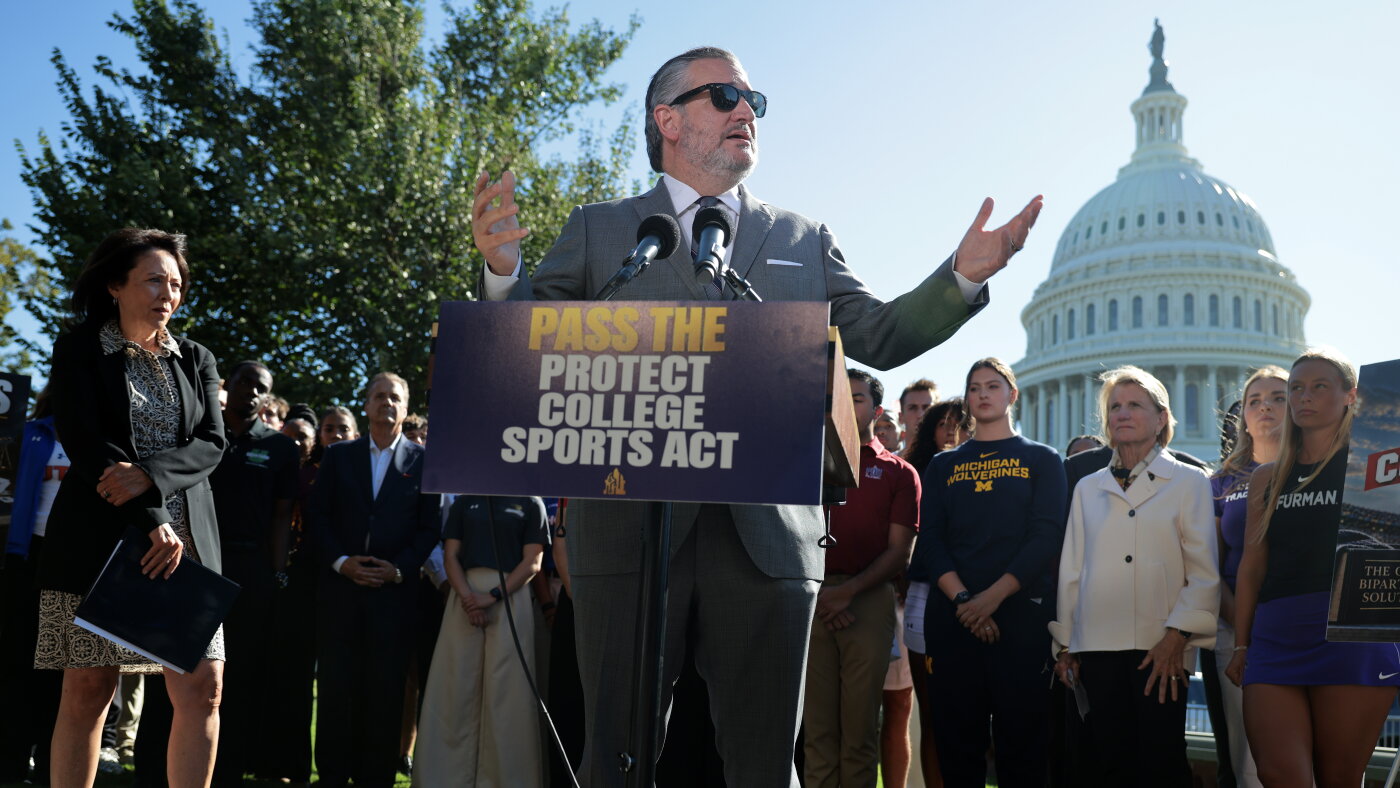
The Senate passed the bipartisan Protect College Sports Act by a vote of 77 to 22 on Monday night. Senators Ted Cruz (R-Texas) and Maria Cantwell (D-Wash.), the bill’s lead sponsors, aim for its quick passage in the House before the midterm elections. The act grants the NCAA limited antitrust immunity and establishes national standards for athlete compensation through Name, Image, and Likeness (NIL) deals, while also setting eligibility rules and transfer limits to curb chaos in college sports. Despite support from the NCAA and several high-profile schools, critics like Senator Cory Booker argue it fails to address runaway spending issues and may disadvantage athletes. President Donald Trump has urged Congress to pass the bill before summer recess, saying he would sign it into law if it reaches his desk.
Written for “College Sports Regulation Bill Passing” on 2026-10-05,
grounded in this article and the 9 other(s) covering the same event.
Claims extracted
10
claim-shaped sentences
Uncertain
10%
1 of 10 hedged
Leaning
Leans left
of the writing, not the subject · beta estimate
Correction & hedging signals
96.4
corrections and hedging in what we collected;
not a measure of accuracy
Outlets on this story
10
Politics
Narrative spread
1
articles carrying this framing
The best way to understand what happened yesterday evening on the Senate floor, where the Protect College Sports Act overwhelmingly passed by a vote of 77 to 22, is that Congress responded to the college sports establishment’s plea to save it from itself.
asserted
Congress → understand → itself
Not that anyone put it that way, of course.
asserted
anyone → put → course
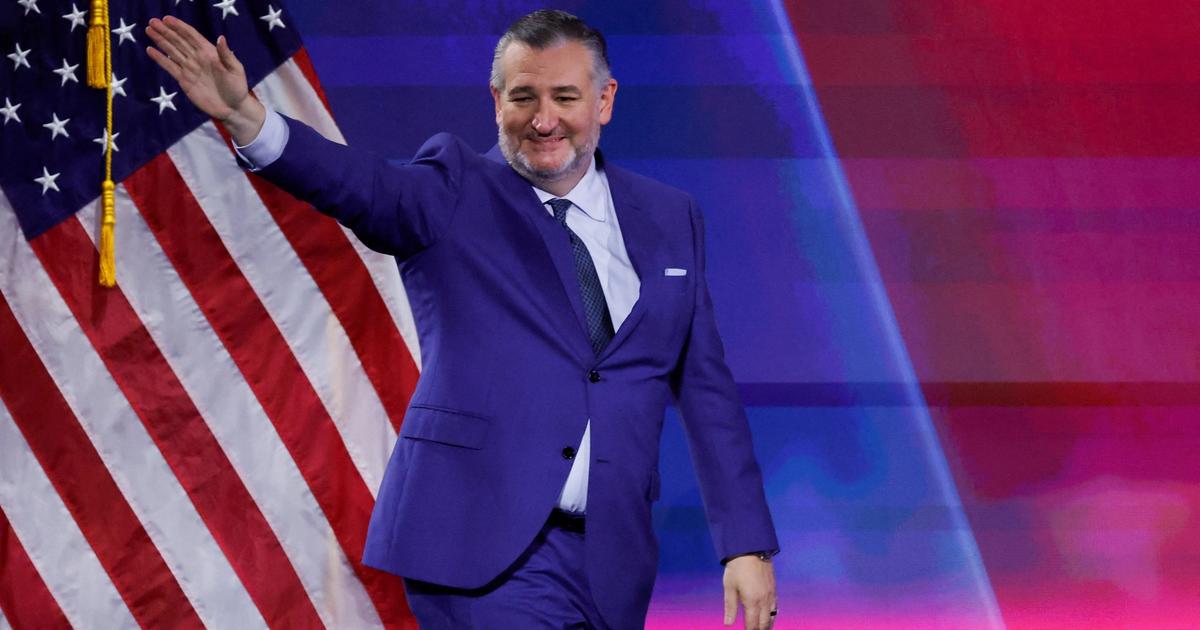
The bill’s lead sponsor, Ted Cruz, insisted last week that the Protect College Sports Act will “bring order to the chaos consuming the new era of college sports.”
asserted
Act → insist → sports
My reading of the bill, however, is that it will deprive a distinct group of Americans—college athletes—of the economic rights that every other citizen is entitled to in a country that claims to believe in capitalism.
uncertain
that → deprive → capitalism
I can’t deny it.
asserted
I → deny → it
Ever since the Supreme Court concluded in 2021 that long-standing NCAA rules preventing college athletes from being paid violated the nation’s antitrust laws, an absolute gusher of money has poured into college sports.
asserted
gusher → conclude → sports
At the big-time sports schools, “collectives” of wealthy boosters are handing out millions to athletes under the guise of payments for their “name, image, and likeness” (NIL).
asserted
collectives → hand → name
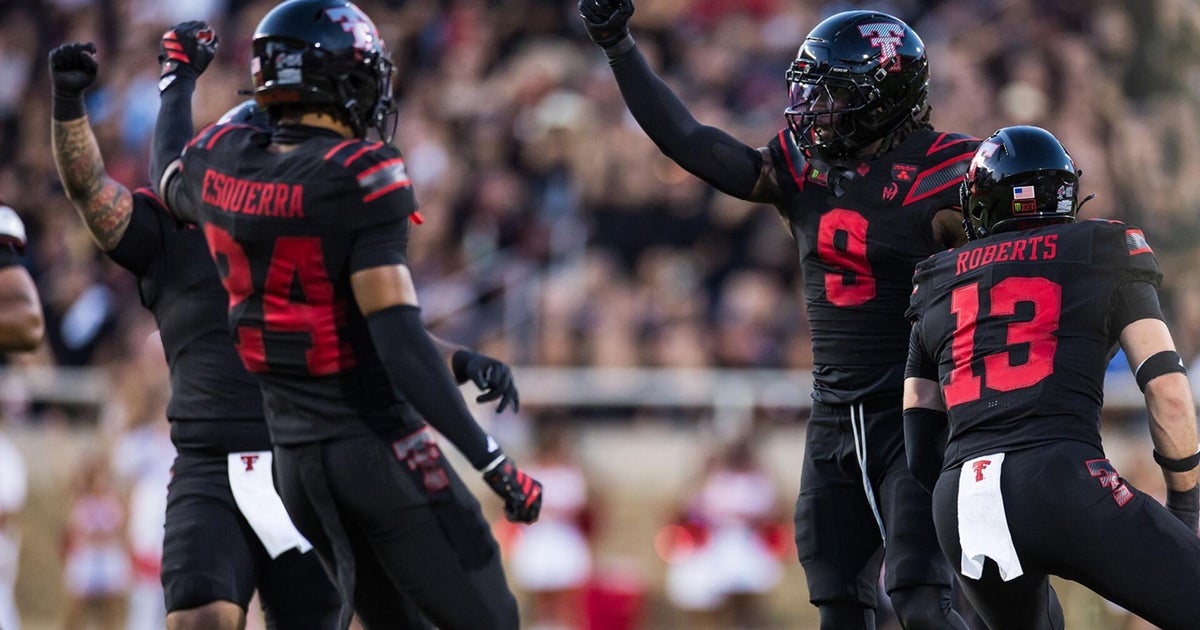
Ohio State University, for instance, paid its football team between $49 million and $55 million this season, with star wide receiver Jeremiah Smith receiving an estimated $5 million.
asserted
Smith → pay → million
When you throw in what the school and its boosters pay its basketball players, its soccer players, its tennis players, and so on, it probably approaches $80 million.
asserted
it → throw → million
A similar story can be told at Louisiana State University, University of Michigan, Indiana University, and most of the other schools that get the College GameDay treatment from ESPN during football season.
asserted
that → tell → season
 The Aporia