That is 0 articles you have read today.
The Aporia is free and carries no advertising, so readers are the only
thing paying for it. If you are getting this much out of it, a small
donation is what keeps it independent.
Daily limit reached
You have read 0 articles today.
That is more than the 15 a day The Aporia gives away,
and well past what it can carry on nothing. Your allowance resets at
midnight.
There is no advertising here and nothing about you is sold, so readers
are the only thing paying for it. If the site is worth this much of
your day, it is worth a few dollars.
Everything else stays open: the
maps, the
directory and
search do
not count against this, and neither does re-opening something you have
already read today.
The US Transportation Department finalized new vehicle fuel economy standards on September 28, significantly lowering them compared to previous Biden-era requirements. The new standards will set a fleetwide average of 14.7 km per liter by 2031, down from the earlier target of 21.4 kml under Biden’s plan. These changes are expected to reduce manufacturers’ compliance costs but increase fuel consumption and carbon dioxide emissions over time, while also boosting sales of new gasoline-powered vehicles.
Written locally by qwen2.5:14b on 2026-09-28,
using this article's own text rather than the other coverage of the
same event (that is the story summary below).
Story summary
On Saturday, President Donald Trump announced he would roll back fuel economy standards for cars and light trucks, reversing rules set by the Biden administration. In a social media post, Trump claimed the rollback would lower car prices, save families thousands of dollars on new vehicles, and boost American manufacturing jobs. The move would relax requirements to an average of 34.5 miles per gallon by 2031, down from the projected 50.4 mpg under Biden's regulations. Critics argue that the rollback could increase consumer costs at the pump and worsen air quality.
Written for “Trump Rolls Back Fuel Standards” on 2026-10-05,
grounded in this article and the 15 other(s) covering the same event.
US finalises new lower fuel economy standards in boost for petrol-powered vehicles
AI generated
asserted
US → finalise → vehicles
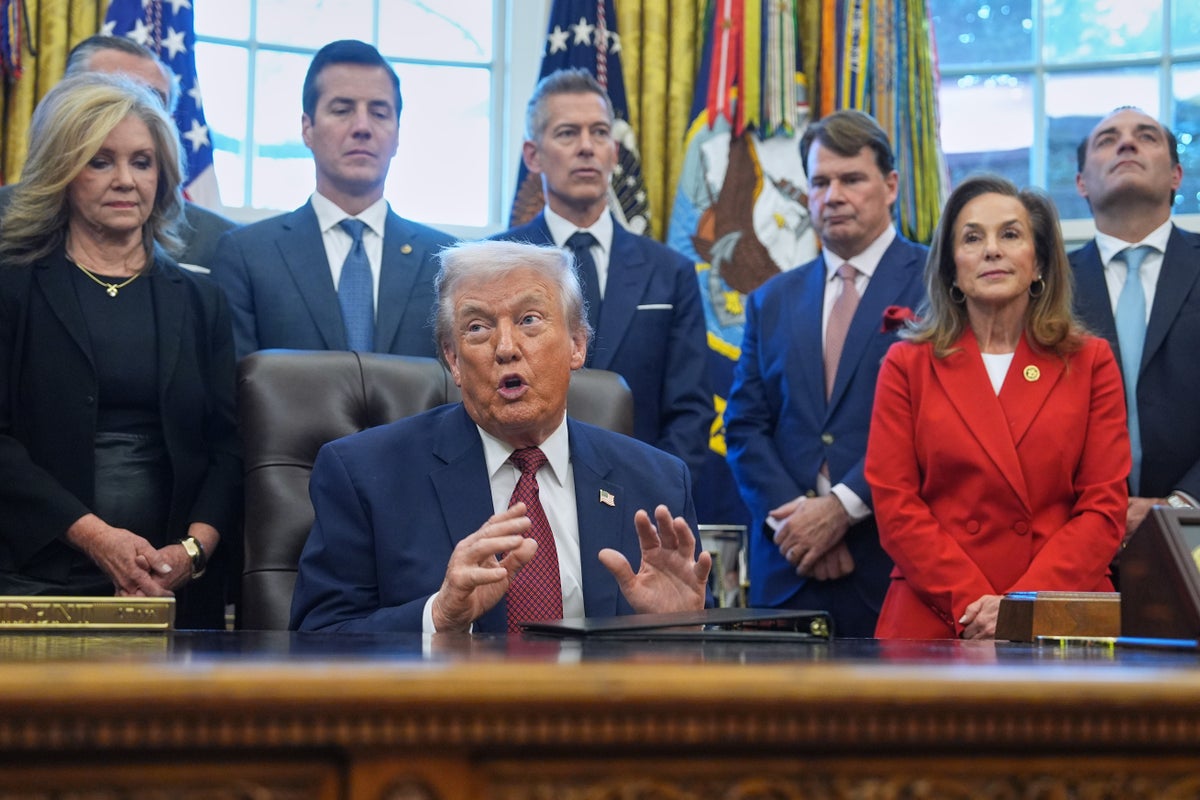
The US Transportation Department on Sept 28 finalised sharply lower vehicle fuel economy standards, President Donald Trump’s latest effort to encourage sales of gasoline-powered vehicles and reverse former President Joe Biden’s push toward greater fuel efficiency and EVs.
asserted
Department → finalise → efficiency
The new standards will cut the cost of new vehicles but increase fuel consumption and carbon dioxide emissions for decades, according to the department’s estimates.
uncertain
standards → cut → estimates
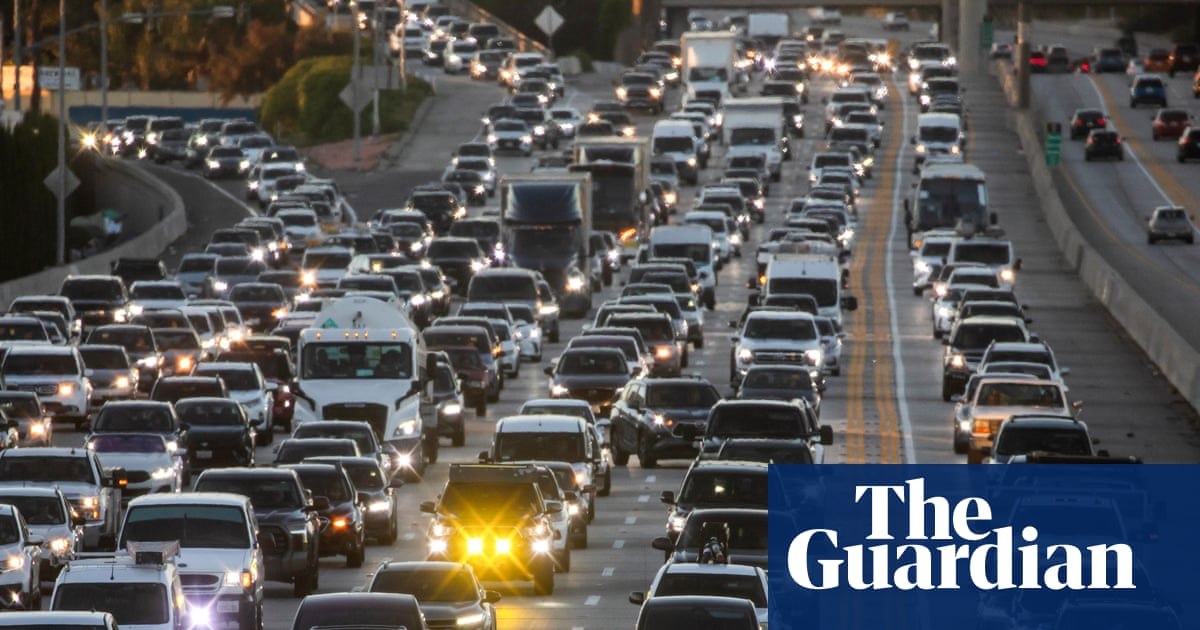
US drivers have been grappling with sharply higher fuel prices since the start of the US-Israeli war with Iran at the end of February.
asserted
drivers → grapple → February
Trump’s Transportation Department said it was finalising a fleetwide average of 14.7km per litre by 2031, down from 21.4 kml under Biden.
asserted
it → say → Biden
USDOT said the regulation will reduce manufacturers’ average cost per vehicle to comply by US$1,289 (S$1,600) but increase fuel costs by more than US$1,600 over the life of the vehicles.
asserted
regulation → say → vehicles
USDOT said the rule would increase US gasoline consumption by 4.6% through 2050 compared to the Biden rules but also boost new car sales.
asserted
rule → say → sales
In 2024, the Biden administration finalised rules to push automakers to build more electric vehicles to meet rising fuel-efficiency standards.
asserted
administration → finalise → standards
Biden increased required fuel efficiency for cars by 8% annually for model years 2024 and 2025, 10% for 2026 and 2% annually from 2027 to 2031.
asserted
Biden → increase → 2031
The rules will also end credit trading among automakers in 2028, which previously was a significant source of income for EV manufacturers like Tesla and Rivian.
asserted
which → end → Tesla
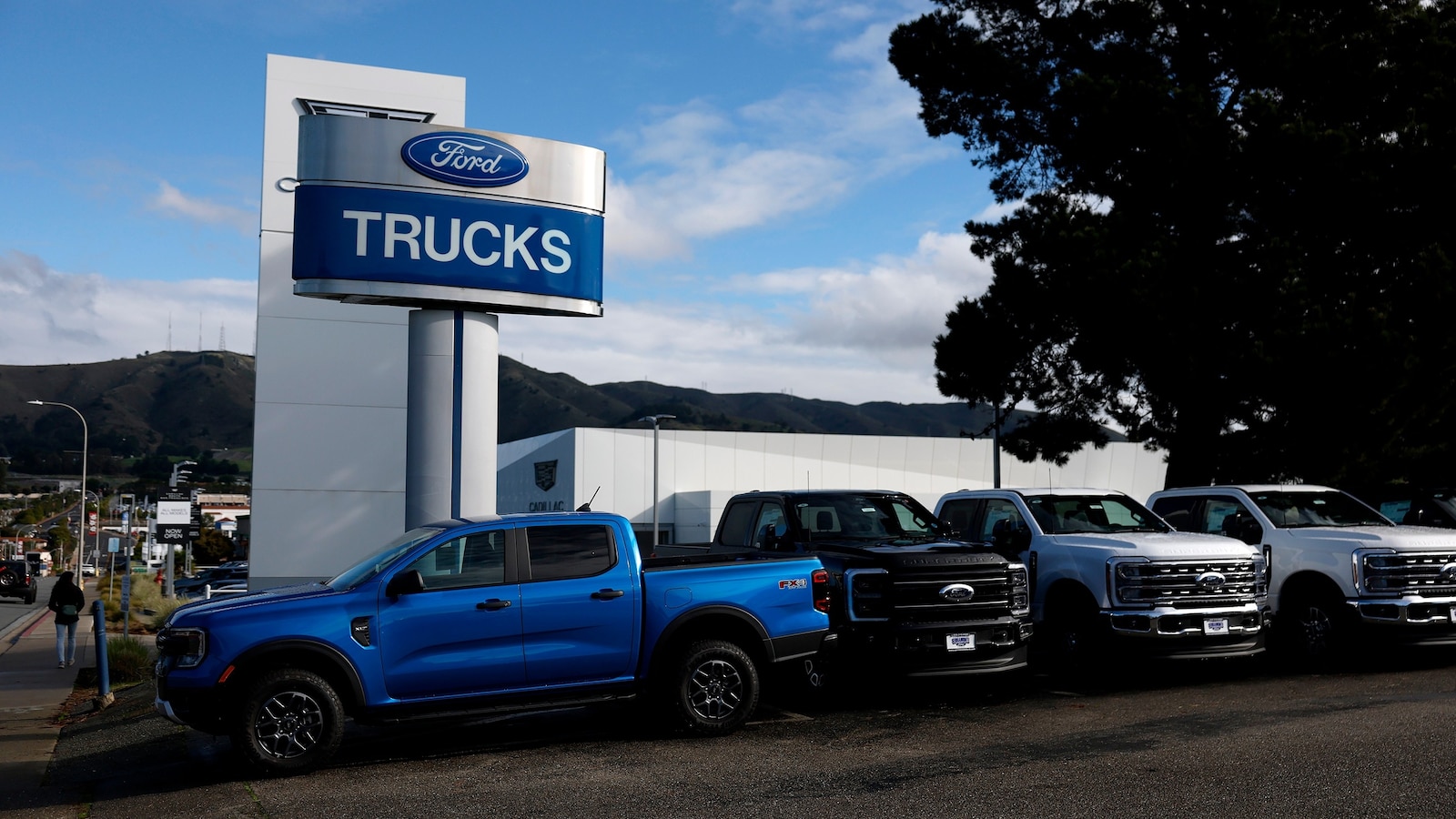
The Alliance for Automotive Innovation, the trade group representing General Motors, Toyota, Volkswagen, Hyundai, Ford and other major automakers, said the government “made the right call to better align fuel economy standards with the law and current market conditions”.
asserted
government → represent → law
The group added that the Biden rules “effectively required a switchover to electric vehicles that was out of step with market realities and customer demand”.
asserted
that → add → realities
The Sierra Club, an environmental group, said it will fight Trump’s rollback of fuel economy standards.
asserted
it → say → standards
“Americans need relief from high costs, but instead Trump is giving automakers a free pass on pollution and handing families the bill – at the pump and with their health,” it said.
asserted
it → need → health
Trump has mounted a multi-pronged effort to make it easier to sell petrol-powered vehicles and in 2025 scrapped a US$7,500 new EV tax credit.
asserted
it → mount → credit
The Environmental Protection Agency in February repealed a scientific finding that greenhouse gas emissions endanger human health, and eliminated federal tailpipe emissions standards for cars and trucks.
asserted
emissions → repeal → cars
Environmental groups noted that fleet-wide fuel economy averaged 15 kml in 2024 – which is lower than what the government wants to require in 2031.
asserted
government → note → 2031
 The Aporia