That is 0 articles you have read today.
The Aporia is free and carries no advertising, so readers are the only
thing paying for it. If you are getting this much out of it, a small
donation is what keeps it independent.
Daily limit reached
You have read 0 articles today.
That is more than the 15 a day The Aporia gives away,
and well past what it can carry on nothing. Your allowance resets at
midnight.
There is no advertising here and nothing about you is sold, so readers
are the only thing paying for it. If the site is worth this much of
your day, it is worth a few dollars.
Everything else stays open: the
maps, the
directory and
search do
not count against this, and neither does re-opening something you have
already read today.
The Transportation Department under the Trump administration has rolled back fuel-efficiency standards for vehicles that were set by the Biden administration, claiming this will save consumers an average of $1,300 per new vehicle. The rollback reduces the fleet-average fuel economy to 34.9 mpg by model year 2031 from the Biden-era target of 50.4 mpg. Secretary Sean Duffy argues that these changes will make vehicles more affordable and safer for consumers while providing manufacturers with greater flexibility in production. Environmental groups argue, however, that this move will lead to higher gas consumption and increased pollution.
Written locally by qwen2.5:14b on 2026-09-28,
using this article's own text rather than the other coverage of the
same event (that is the story summary below).
Story summary
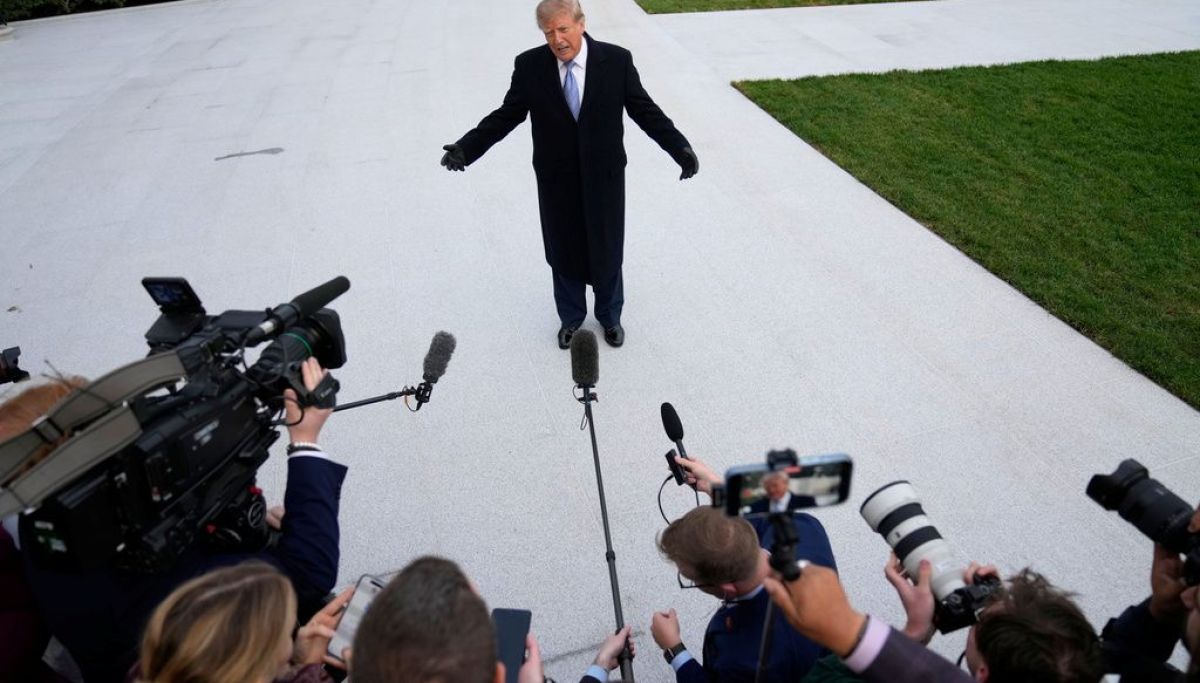
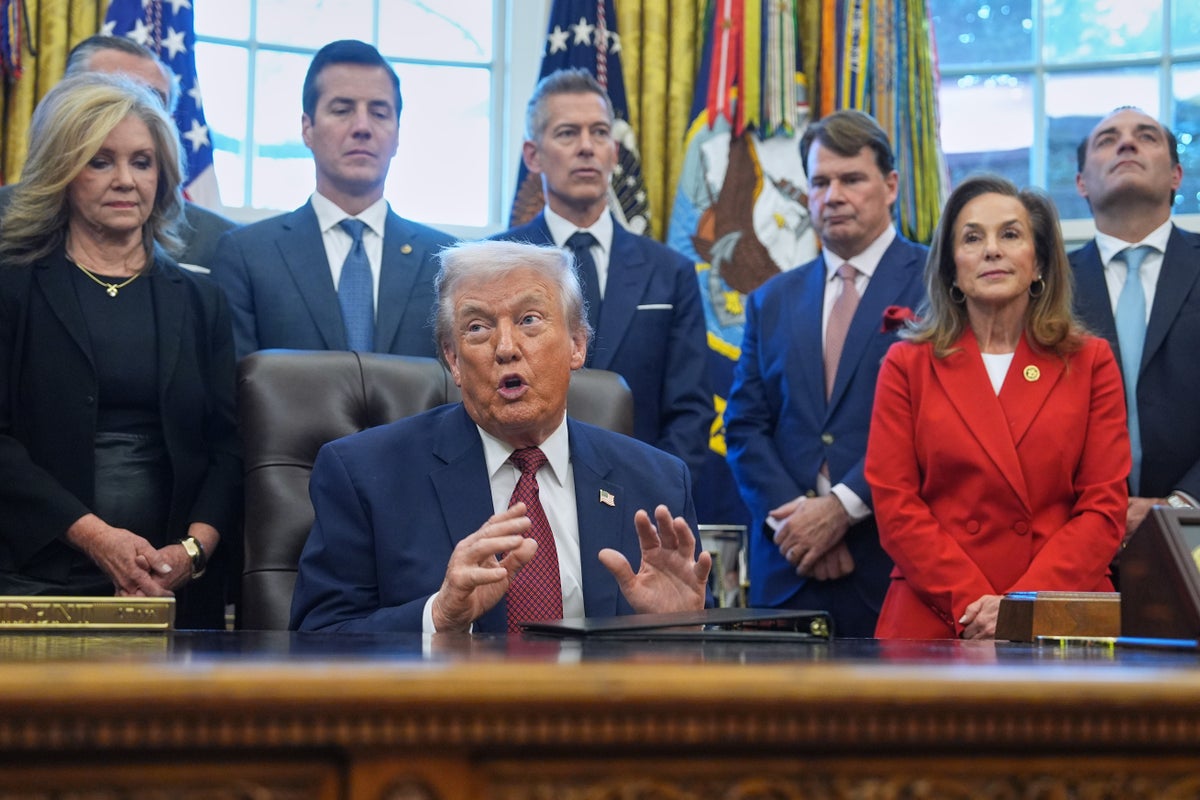
On Saturday, President Donald Trump announced he would roll back fuel economy standards for cars and light trucks, reversing rules set by the Biden administration. In a social media post, Trump claimed the rollback would lower car prices, save families thousands of dollars on new vehicles, and boost American manufacturing jobs. The move would relax requirements to an average of 34.5 miles per gallon by 2031, down from the projected 50.4 mpg under Biden's regulations. Critics argue that the rollback could increase consumer costs at the pump and worsen air quality.
Written for “Trump Rolls Back Fuel Standards” on 2026-10-05,
grounded in this article and the 15 other(s) covering the same event.
The Transportation Department has rolled back Biden administration fuel-efficiency standards for vehicles as part of the Trump administration’s agenda to overturn policies that boost electric vehicles.
asserted
that → roll → vehicles
The department announced Monday that it has finalized a rule that would overturn the Biden administration’s corporate average fuel economy standards.
asserted
that → announce → standards
The Trump administration has criticized these rules as being an overly costly effort to prop up EVs in the name of combating climate change.
asserted
administration → criticize → change
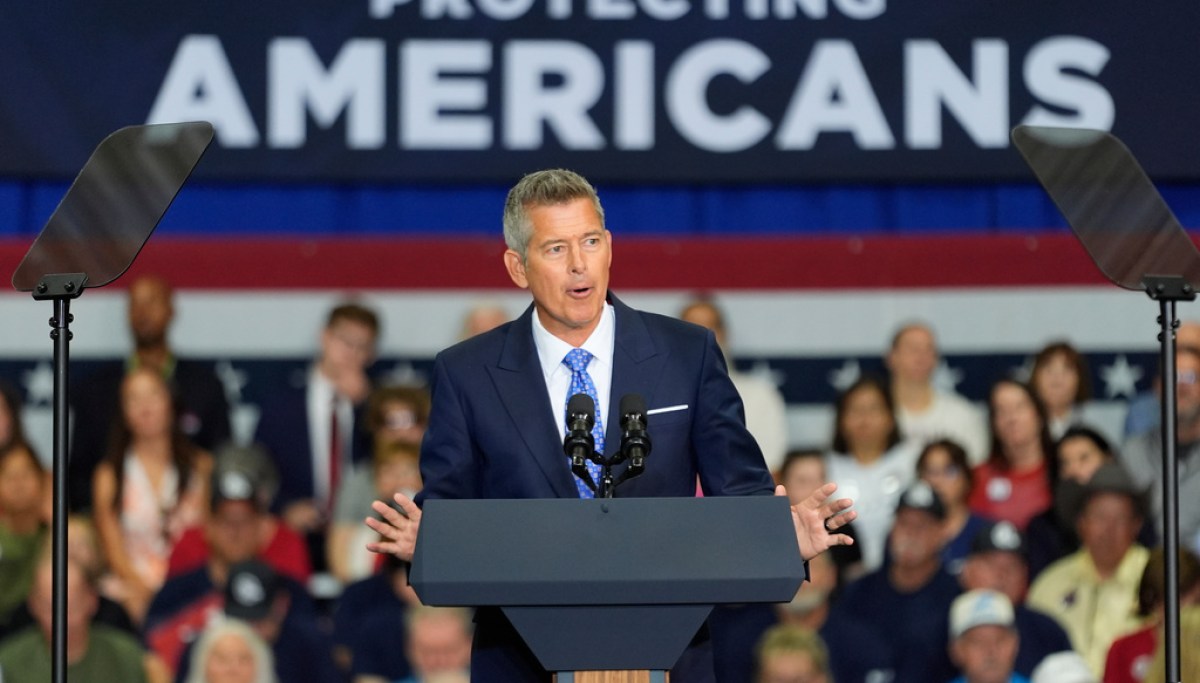
“While Joe Biden and Pete Buttigieg pushed a green agenda that made our roads less safe and drove up costs for hardworking Americans, this administration is delivering relief to families and reviving the beating heart of American manufacturing,” Transportation Secretary Sean Duffy said in a press release.
asserted
Duffy → push → release
“With our commonsense standards in place, we are making the American dream affordable again, putting safer cars on the road, and investing in the American autoworker,” he added.
asserted
he → make → autoworker
The CAFE standards require automakers to meet fuel-efficiency targets for all cars and light trucks to help reduce energy consumption, cost, and emissions.
asserted
standards → require → consumption
The Biden administration fuel economy standards would result in light-duty vehicles reaching an average of 50.4 mpg by model year 2031.
asserted
vehicles → result → year
They also allow automakers to improve their fleet’s fuel-economy average by manufacturing more electric vehicles and hybrids.
asserted
automakers → allow → vehicles
However, the Trump administration’s final rule would achieve a fleet-average fuel economy of 34.9 mpg by model year 2031, far down from the 50.4 mpg envisioned under the Biden rules.
asserted
rule → achieve → rules
It would also scrap a trading program that was scheduled to begin in 2028 that would effectively allow electric vehicle makers to sell credits to other manufacturers who fell short of meeting the fuel efficiency requirements.
asserted
who → scrap → requirements
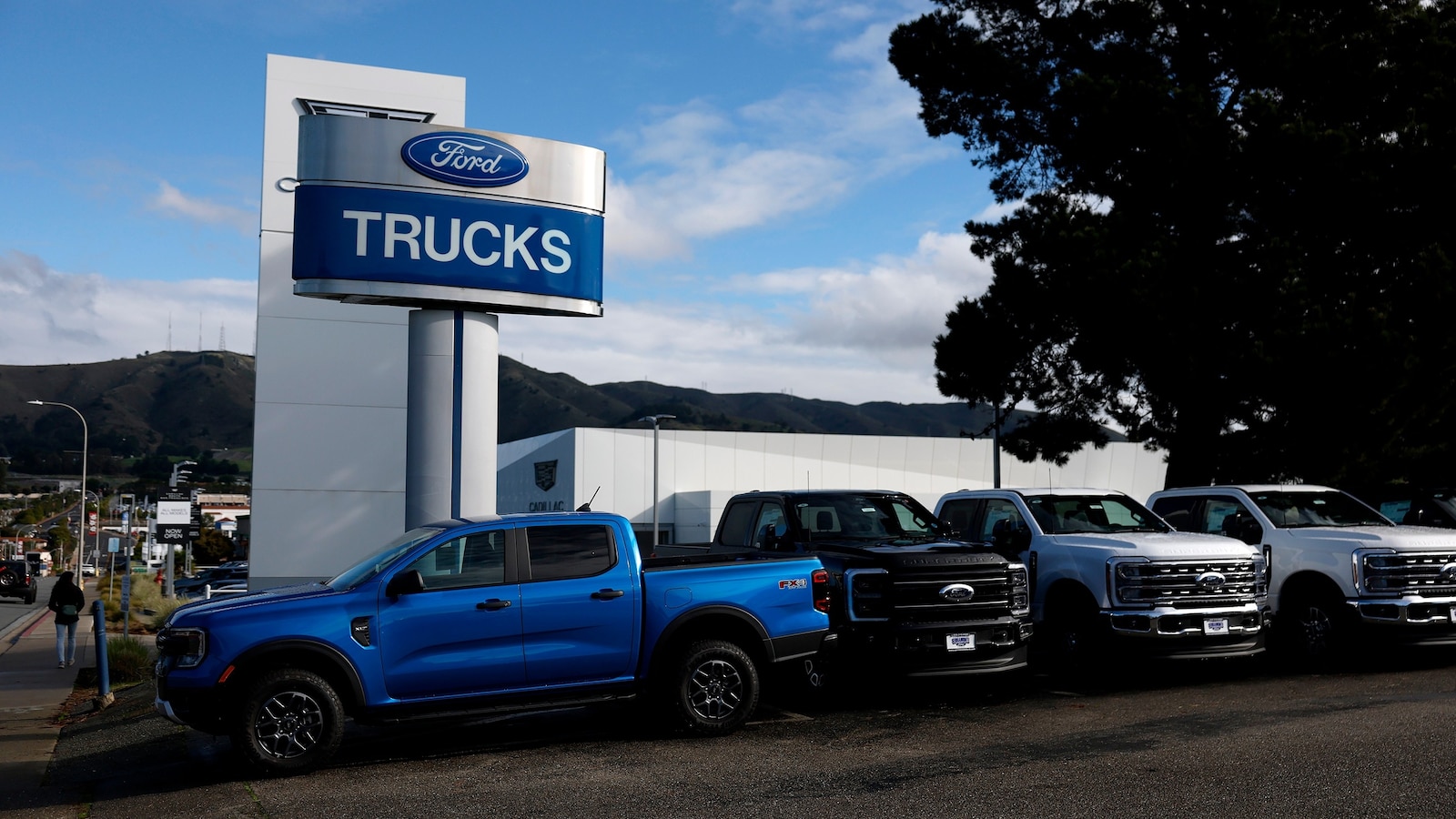
The rollback will reduce the average cost of a new vehicle by $1,300 and provide automakers the flexibility to manufacture cars that buyers want, according to the DOT.
uncertain
buyers → reduce → DOT
Department officials also said that it would eliminate the incentives for automakers to classify vehicles as light trucks, rather than cars, to face less stringent efficiency rules.
asserted
automakers → say → rules
It is estimated that the new standards would lead to the mix of new vehicles to flip from 70% light trucks to 70% passenger cars.
asserted
mix → estimate → cars
The final rule comes as the Trump administration is facing high gas prices and record-breaking diesel prices ahead of the midterm elections.
asserted
administration → come → elections
Environmental groups have argued that weakening these standards will result in consumers spending more on gas.
“Less fuel-efficient cars mean more gas burned, spending more at the pump, and dirtier air in our communities,” Sierra Club Clean Transportation for All Director Katherine Garcia said in a statement.
asserted
Garcia → argue → statement
“Americans need relief from high costs, but instead Trump is giving automakers a free pass on pollution and handing families the bill – at the pump and with their health,” she added.
asserted
she → need → health
 The Aporia