Trump administration rolls back fuel economy standards for automakers: What to know
asserted
administration → roll → What
The government claims the change could save Americans $138 billion.
uncertain
change → claim → billion
The Department of Transportation is easing fuel economy standards that were put in place during the Biden administration.
asserted
that → ease → administration
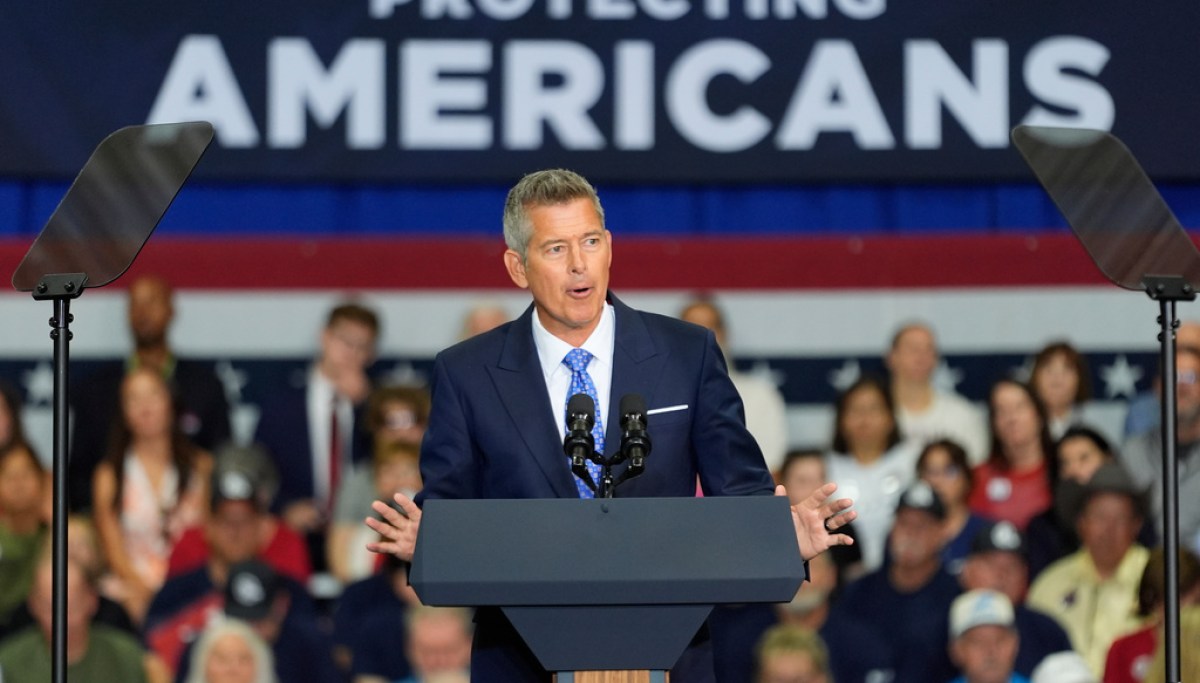
Transportation Secretary Sean P. Duffy said Monday that changing CAFE (corporate average fuel economy) standards for vehicles will make them more affordable by establishing “commonsense” guidelines for automakers.
asserted
them → say → automakers
“This administration is delivering relief to families and reviving the beating heart of American manufacturing,” Duffy said.
asserted
Duffy → deliver → manufacturing
“With our commonsense standards in place, we are making the American dream affordable again, putting safer cars on the road, and investing in the American autoworker.”
asserted
dream → make → autoworker
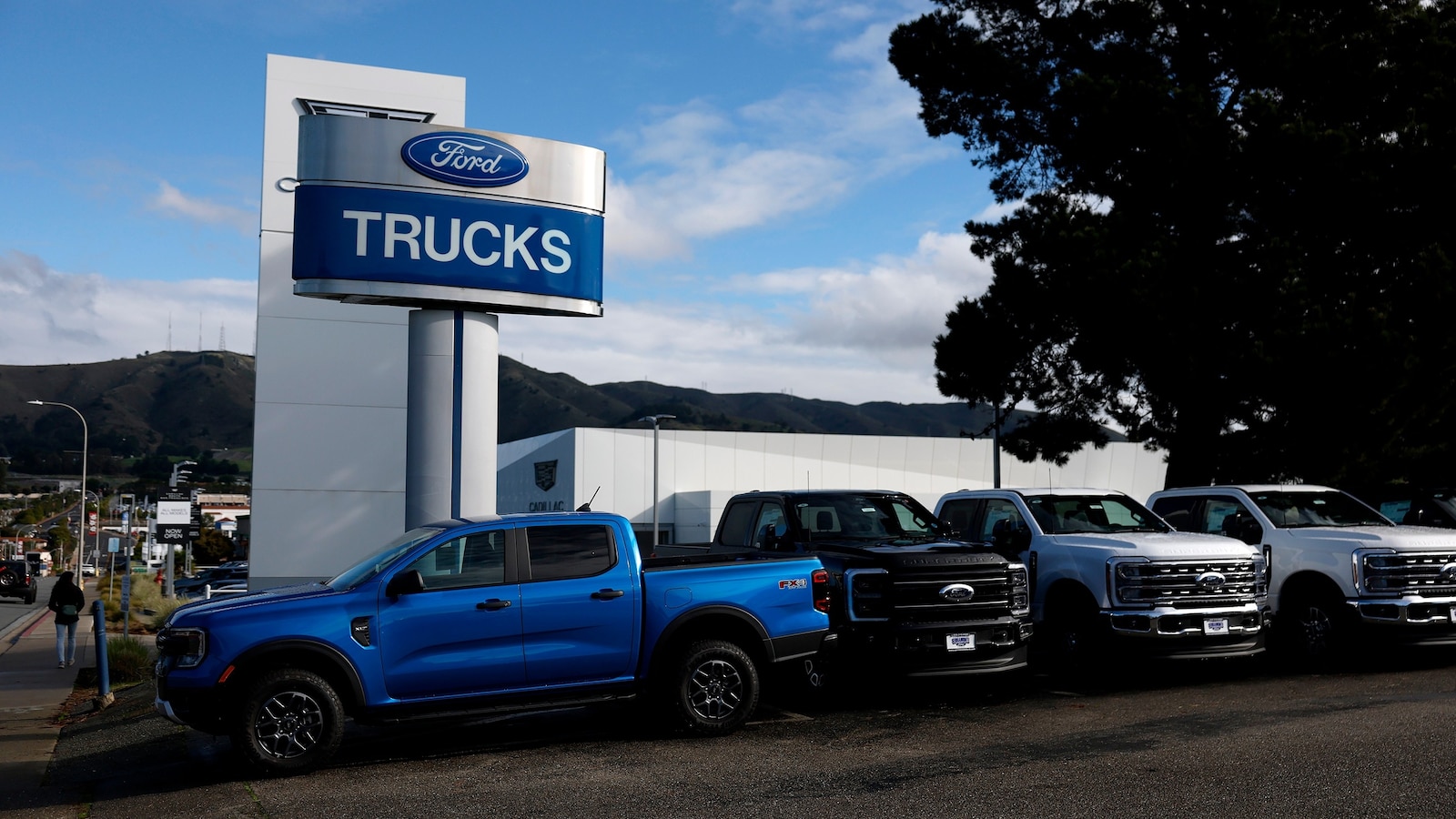
The new Trump administration rule reduces the previous average fuel economy requirement from 50.4 miles per gallon by 2031 to 34.9 miles per gallon by 2031.
asserted
rule → reduce → 2031
It also eliminates the need for automakers to invest in electric vehicle production to help meet those requirements.
asserted
automakers → eliminate → requirements
The rule reverses the requirements set by the Biden administration in 2024.
asserted
rule → reverse → 2024
“This rule restores integrity to the national fuel economy program, balancing vehicle affordability and energy conservation goals while improving safety on our roadways,” National Highway Traffic Safety Administration Administrator Jonathan Morrison said in a statement.
asserted
Morrison → restore → statement
By reducing vehicle prices, more American families will be able to afford newer vehicles, and sensible standards allow automakers more freedom to design and produce vehicles consumers actually want.
asserted
consumers → reduce → vehicles
I’m proud of our fantastic team of expert engineers, economists, and lawyers for the tremendous job they’ve done finalizing this rule.
asserted
they → ’m → rule
The agency is also changing the classification of light truck and passenger vehicles beginning in 2030.
asserted
agency → change → 2030
“This reclassification will eliminate the incentive to add equipment and alter designs for classification purposes, which will result in greater availability of lower-cost vehicle options for consumers,” the Department of Transportation said in a statement.
asserted
Department → eliminate → statement
“Instead, automakers will develop vehicles that meet consumer wants and needs.
asserted
that → develop → wants
With the current vehicle classification, manufactures are disincentivized from making hatchbacks, wagons, and smaller footprint vehicles in general.
asserted
manufactures → disincentivize → hatchbacks
NHTSA says current regulations have encouraged manufacturers to add features or make design changes primarily for regulatory purposes, reducing the availability of smaller, lower-cost vehicles.
asserted
regulations → say → vehicles
It also claims the change will cut the average cost of new vehicles by as much as $1,300 on average and could save Americans $138 billion over the next five years.
uncertain
change → claim → years
The average price of a new vehicle was $49,855 in July, according to Kelley Blue Book.
uncertain
price → accord → Book
These new standards are also expected to reduce U.S. yearly oil consumption by 1.3 billion barrels in 2050, according to the DOT.
uncertain
standards → expect → DOT
President Donald Trump posted on social media over the weekend that these fuel economy standards for vehicles will “take the waste out of building cars in America” and subsequently lead to “LOWER PRICES.”
asserted
standards → post → PRICES
CAFE standards were established in 1975 to promote fuel conservation and reduce U.S. dependence on foreign oil.
asserted
standards → establish → oil
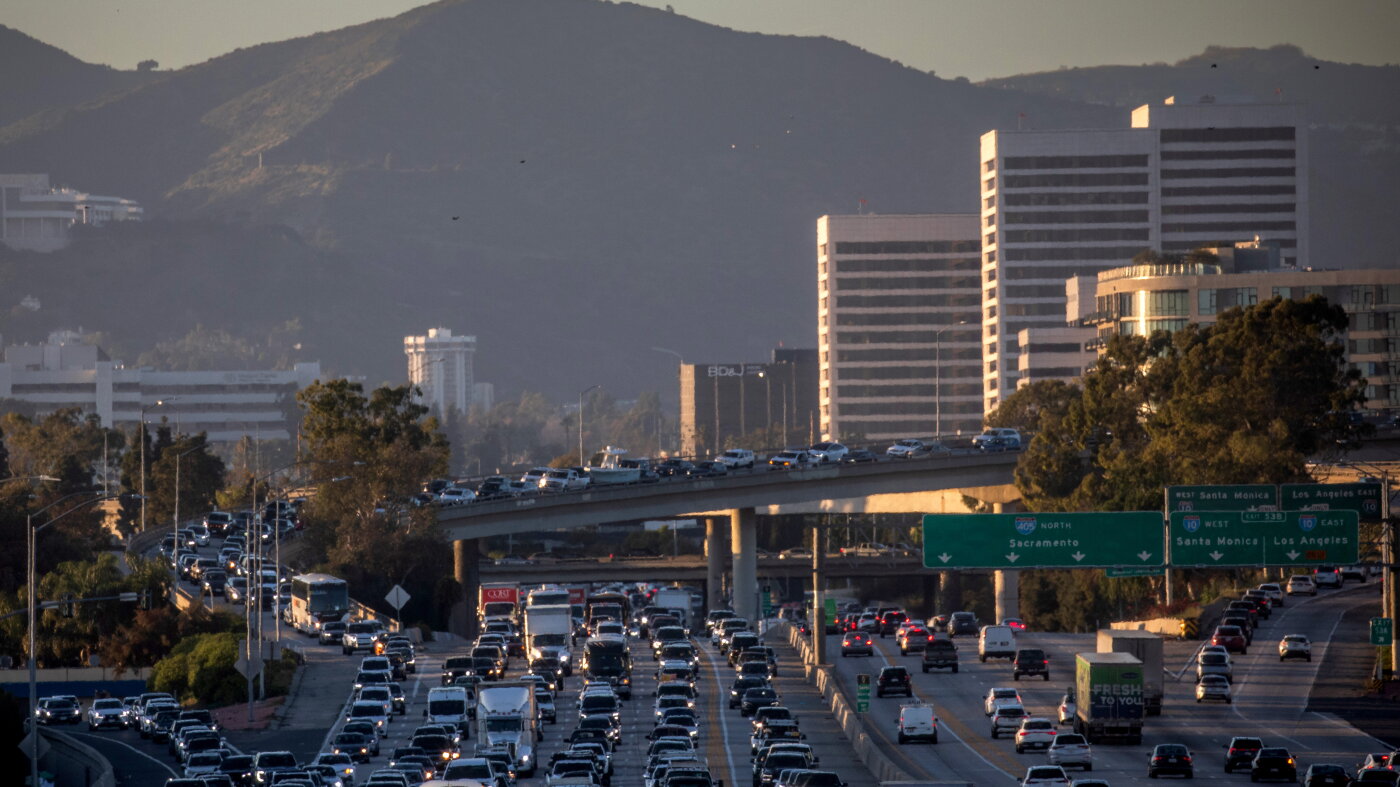
The standards require automakers to meet fuel economy targets across their fleets, which can also help reduce pollution and fuel costs for drivers.
asserted
which → require → drivers
Since the standards are calculated using a manufacturer’s overall fleet average, electric and hybrid vehicles can improve that average, allowing automakers to sell less fuel-efficient vehicles, such as trucks and SUVs, while still meeting the requirements.
asserted
automakers → calculate → requirements
The Trump administration has argued that the previous CAFE standards effectively functioned as an EV mandate.
asserted
standards → argue → mandate
However, NHTSA’s 2024 rule did not require vehicle manufacturers to make EV vehicles.
asserted
rule → require → vehicles
The standards in the previous rule were “performance-based” and manufacturers were encouraged to “apply their expertise to find the appropriate technology path that best meets all desired outcomes."
asserted
that → base → outcomes
Environmental groups and climate experts quickly condemned the NHTSA’s decision, warning of potential adverse effects on air quality and human health.
asserted
groups → condemn → quality
Gina McCarthy, a former EPA administrator during the Obama administration and the current chair of the advocacy group America Is All, said in a statement: “For fifty years, fuel economy standards have saved Americans money and cut pollution at the same time, creating cleaner air, lowering prices at the pump, and reducing our reliance on fossil fuels.
asserted
standards → say → fuels
Rather than keeping the U.S. at the forefront of innovation and improving affordability, this administration has chosen to do the opposite.”
“Cleaner, more efficient vehicles are good for consumers, good for jobs, and good for public health.
asserted
vehicles → keep → health
Governors, mayors, and businesses are pressing forward to find solutions for America’s growing affordability crisis while reducing carbon emissions.
asserted
Governors → press → emissions
And they will keep pressing forward – with or without Washington,” she added.
asserted
she → keep → Washington
The Sierra Club said argued that less fuel-efficient vehicles will increase gas use, costs for drivers and air pollution.
asserted
vehicles → argue → drivers
“Less fuel-efficient cars mean more gas burned, spending more at the pump, and dirtier air in our communities,” said Katherine García, Sierra Club Clean Transportation for All Director.
asserted
García → mean → All
“The Sierra Club will fight this senseless rollback every step of the way.
asserted
Club → fight → way
We’re going to continue to fight back against this administration’s dangerous and costly attacks on cleaner cars and public health.
asserted
We → go → cars
Supporters of the decision said changing the CAFE standards gives automakers greater flexibility in meeting fuel economy requirements.
asserted
changing → say → requirements
In response to the new rule, Alliance for Automotive Innovation, a trade group representing major automakers, said it is “still reviewing the final rule, but NHTSA made the right call to better align fuel economy standards with the law and current market conditions.”
asserted
NHTSA → represent → law
“The standards finalized under the previous administration effectively required a switchover to electric vehicles that was out of step with market realities and customer demand.
asserted
that → finalize → realities
Today’s final rule is an appropriate course correction,” John Bozzella, president and CEO of the Alliance for Automotive Innovation, said in a statement to ABC News.
asserted
Bozzella → say → News
…and 4 more, not listed.
 The Aporia