The Trump administration weakens fuel efficiency standards for new cars
asserted
administration → weaken → cars
The Trump administration announced today it's scaling back how fuel efficient American carmakers need to make their fleets.
asserted
carmakers → announce → fleets
The Corporate Average Fuel Economy (CAFE) standards set average fuel economy levels for carmakers.
asserted
standards → set → carmakers
The revised rules, which were finalized today, will now require carmakers to make their new passenger car and truck fleets up to 1% more fuel efficient each year, aiming for an average of 34.9 miles to the gallon in model year 2031.
asserted
fleets → revise → year
This is down from Biden-era rules, which required an annual 2% increase in fuel efficiency with a goal of most vehicles getting, on average, 50.4 miles to the gallon by 2031.
asserted
vehicles → require → 2031
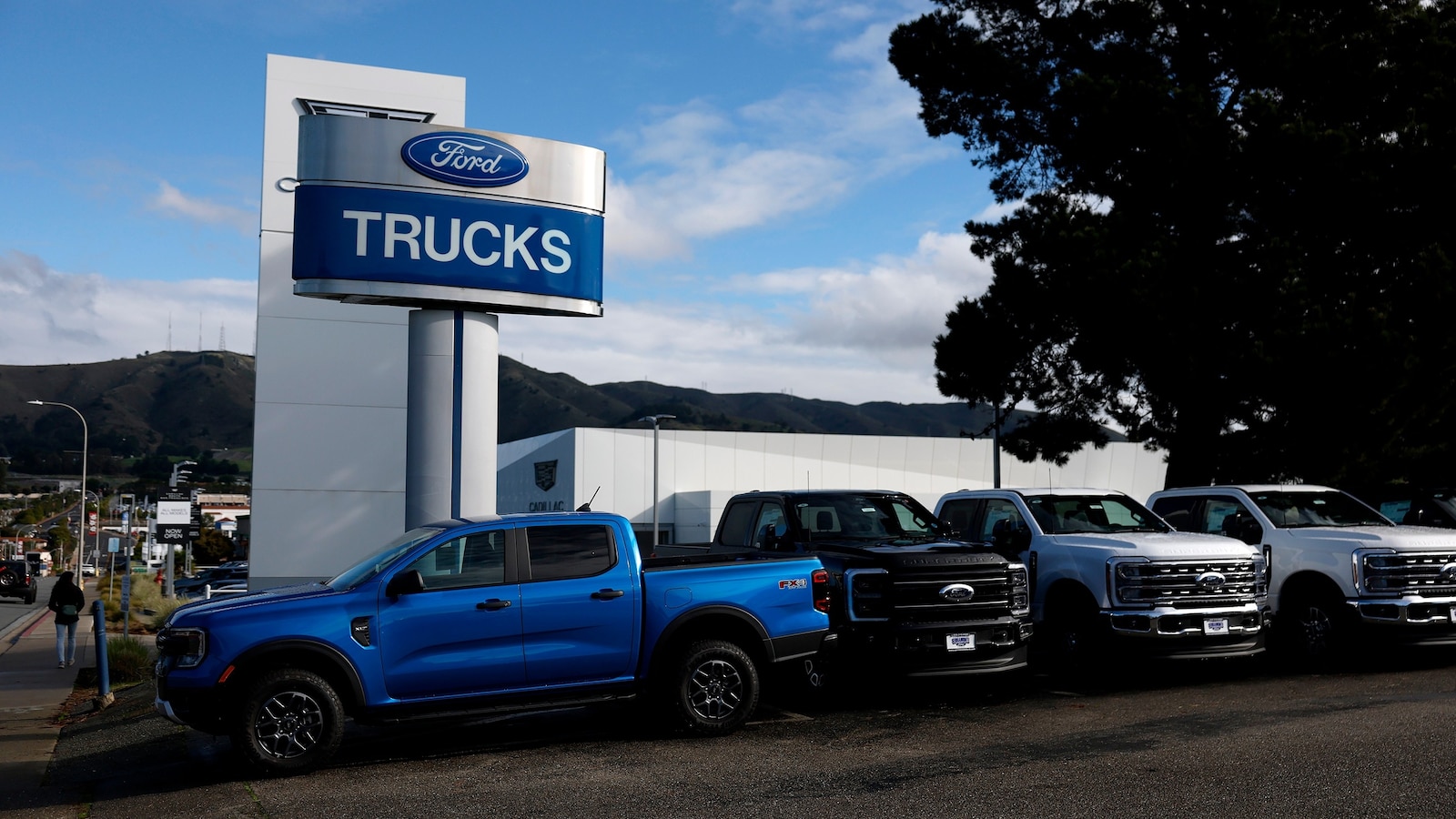
Administration officials argue that fuel efficiency technology is expensive, and has helped to drive up the cost of vehicles.
asserted
technology → argue → vehicles
They estimate that scaling back the standards will shave about $1,300 off the sticker prices of new cars.
asserted
scaling → estimate → cars
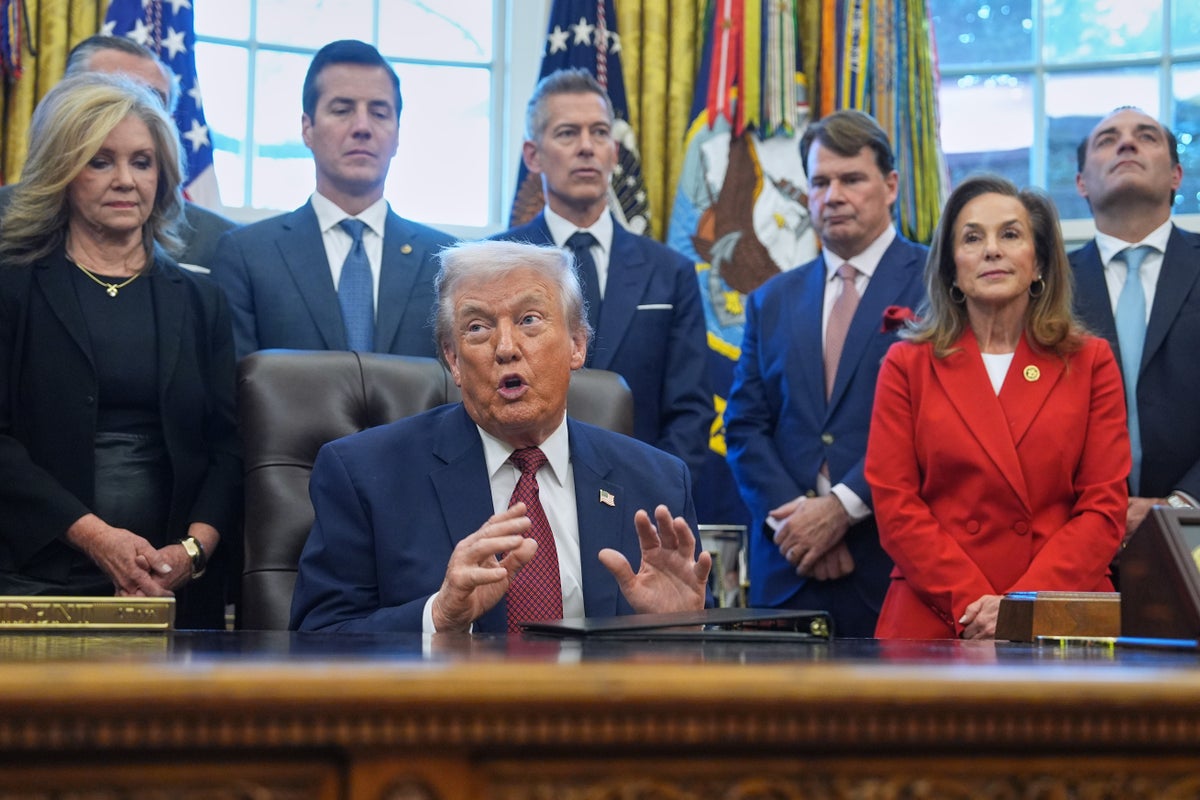
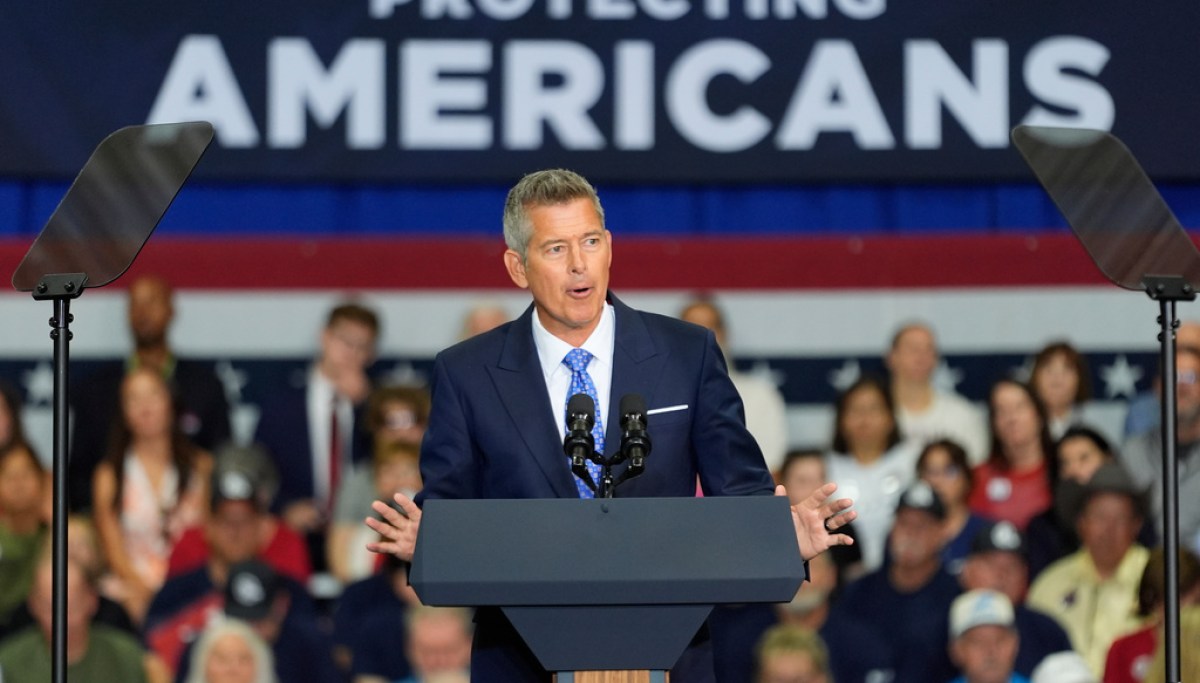
"This administration is delivering relief to families and reviving the beating heart of American manufacturing," said U.S. Transportation Secretary Sean Duffy in an online statement announcing the change.
asserted
Duffy → deliver → change
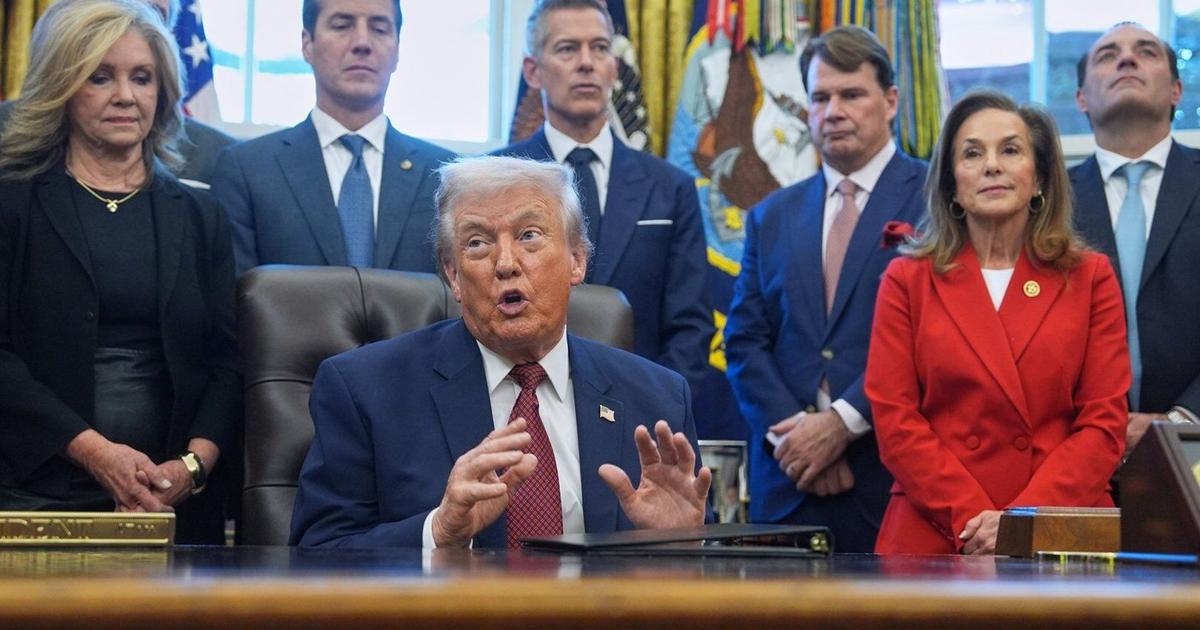
President Trump weighed in over the weekend on Truth Social: "These new Standards will take the waste out of building cars in America.
asserted
Standards → weigh → America
That means LOWER PRICES, saving families thousands on a new, beautiful, and safe car."
asserted
That → mean → car
Climate advocates and auto industry observers say the rules change is another step in the Trump administration's efforts to roll back Biden-era climate policies — including cutting the federal tax credit for electric vehicle buyers, delaying federal dollars for a nationwide EV charging program, and striking down federal waivers that let California set its own strict pollution regulations.
asserted
California → say → regulations
In a statement emailed to NPR, Dan Becker, director of the Safe Climate Transport Campaign at the Center for Biological Diversity, wrote that rolling back the standards would increase gasoline usage and pollution, "costing consumers at the pump and at the doctor's office.
asserted
rolling → email → office
"
"Trump is tanking sensible mileage standards at the worst possible time for consumers, who're getting hit with sky-high prices at the pump," he continued.
asserted
he → tank → pump
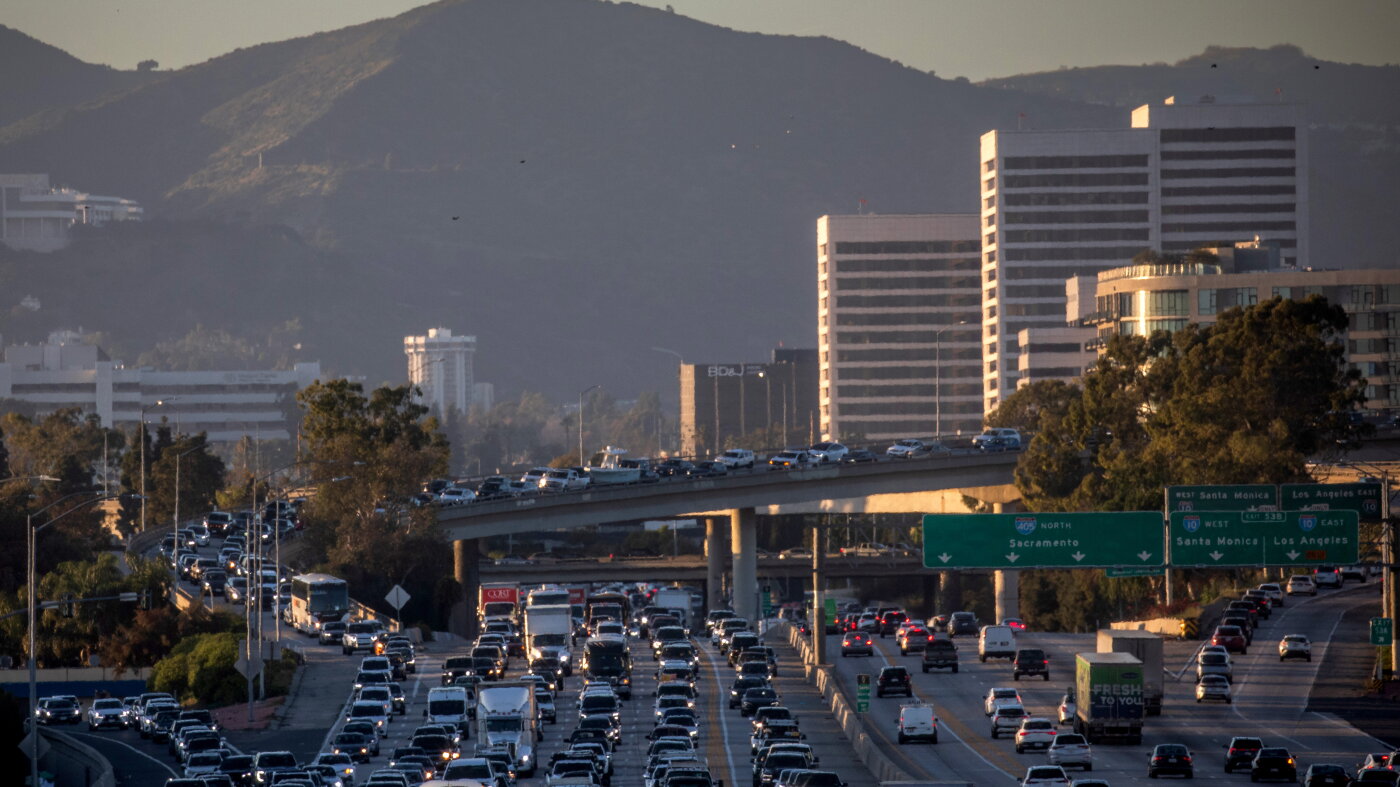
According to AAA, the national average price for gasoline today is close to $4.50 a gallon, and for diesel, a gallon is hovering close to $6.50, just short of last week's record high.
uncertain
gallon → accord → high
Easing CAFE standards will hinder the industry's realignment toward more fuel efficient and electric vehicles, said economist Sue Helper, who studies the auto industry at Case Western Reserve University.
asserted
who → ease → University
"It's very bad in the long term, because it slows progress," she said.
asserted
she → slow → progress
"Then we make our auto companies less competitive.
asserted
companies → make → ?
We give them less practice in making the cars that both Americans will want in the future and that the rest of the world will want."
asserted
rest → give → world
After all, American carmakers hope to continue selling their cars in foreign markets that may have stricter emissions standards.
uncertain
that → hope → standards
And a future presidential administration could change the rules again.
uncertain
administration → change → rules
In 1975, during that decade's great oil supply shock, Congress enacted rules that encouraged carmakers to make their fleets more fuel efficient in an effort to reduce Americans' dependency on the Middle East for oil.
asserted
fleets → enact → oil
Since then, the national conversation about fuel efficiency has changed; the U.S. is now the world's largest oil producer, and many regulatory changes have instead been driven by concerns about climate change.
asserted
changes → change → change
Since the early 2010s, the fuel efficiency requirements for passenger cars and light trucks have consistently risen.
asserted
requirements → rise → cars
In practice, the Biden-era standards meant carmakers needed to make electric vehicles to balance out their gas guzzlers — otherwise they were subject to a fine.
asserted
they → mean → fine
But the Trump administration dropped that penalty last July as part of the One Big Beautiful Bill Act, effectively defanging the Biden-era CAFE standards.
asserted
administration → drop → standards
In December, the White House proposed scaling them back altogether.
asserted
House → propose → them
Soon after, the National Highway Traffic Safety Administration (NHTSA) opened a period of public comment.
asserted
Administration → open → comment
In its final rule announcing the change, NHTSA also said it's eliminating the ability of carmakers to trade credits amongst themselves for making electric vehicles — a part of the Biden-era CAFE Standards that Republicans often criticized.
asserted
Republicans → announce → that
This rule allowed automakers to buy credits from EV manufacturers, to offset making less fuel-efficient vehicles.
asserted
automakers → allow → vehicles
This helped them meet their CAFE targets.
asserted
them → help → targets
Will easing CAFE standards make cars more affordable?
asserted
cars → ease → standards
In announcing the new change, the administration said lowering the CAFE standards will make cars cheaper.
"
asserted
cars → announce → standards
Instead of allowing manufacturers to design and produce vehicles they believe their customers will want and need,
asserted
customers → allow → vehicles
while spreading real-world fuel economy improvements across their fleets, the system has increasingly led manufacturers to try to fit square vehicle pegs in round classification holes to force the adoption of technologies that do not meet the demands of American families," stated NHTSA in the final rule.
asserted
NHTSA → spread → rule
"All of this adds inefficiency and cost—pushing even more consumers out of an already unaffordable new car market.
asserted
All → add → market
"
"It's true that the price of new cars has gone up quite a lot," says Helper at Case Western.
asserted
Helper → go → Western
But she contends that much of that is not because of fuel economy standards.
asserted
much → contend → standards
Instead, she says, it's because vehicles have gotten larger, they've faced tariffs and supply chain issues in recent years, and they are often loaded with extras like infotainment systems.
asserted
they → say → systems
A Consumer Reports analysis from 2023 found that between model years 2003 and 2021, vehicles got about 30% more fuel efficient, but attributed the rise in prices to an industry-wide shift toward expensive SUVs, rather than from using more fuel-efficient technologies.
asserted
vehicles → find → technologies
And when it comes to the monthly costs of a new car, there are external factors beyond a carmakers' control — like the cost of an auto loan, which is affected both by the Federal Reserve's benchmark lending rate and by an individual buyer's credit score.
"One of the cruxes of vehicle affordability right now is the average monthly payment getting jacked up, because interest rates are so high," says Ellen Hughes-Cromwick, who spent much of her career as Ford's chief global economist and now studies clean energy as a senior visiting fellow at the center-left Third Way think tank.
asserted
who → come → tank
…and 16 more, not listed.
 The Aporia