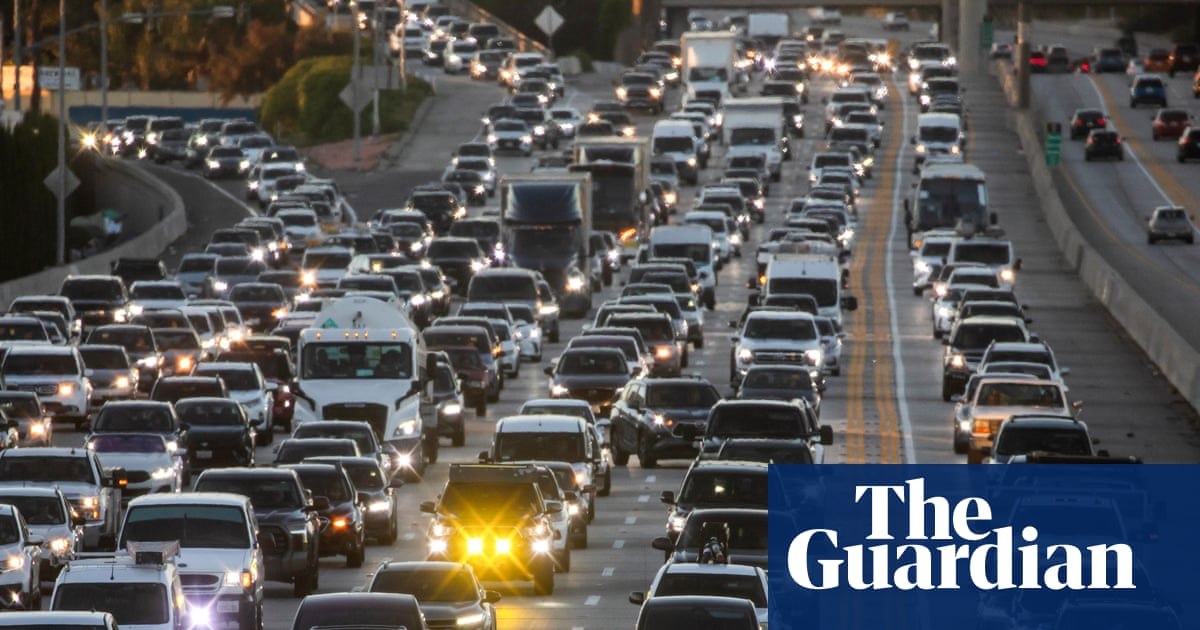
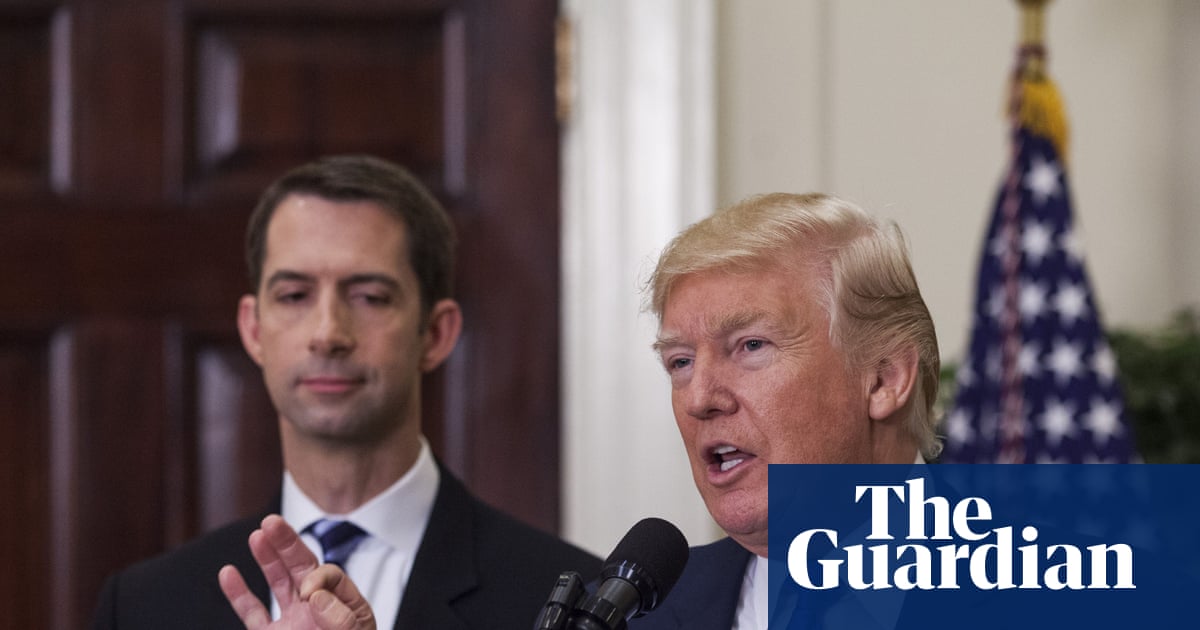
Trump administration to slash clean car rules aimed at cutting climate emissions

Read the original at The Guardian ↗
The Guardian · collected 2026-09-28 · by Guardian staff and agencies

Quick Summary

The Trump administration has rolled back clean car regulations designed to decrease climate emissions, reversing requirements for automakers to control pollution from gasoline vehicles between model years 2022 and 2031. This decision aims to reduce the cost of new cars by $1,300 on average over five years but faces criticism from environmental groups who argue that it will exacerbate fuel costs and greenhouse gas emissions. Trump claims this move will save families money and boost auto production in America, despite lacking a federal EV mandate as he suggests.
Written locally by qwen2.5:14b on 2026-09-28, using this article's own text rather than the other coverage of the same event (that is the story summary below).

AI analysis runs on qwen2.5:14b, locally

Story summary

On Saturday, President Donald Trump announced he would roll back fuel economy standards for cars and light trucks, reversing rules set by the Biden administration. In a social media post, Trump claimed the rollback would lower car prices, save families thousands of dollars on new vehicles, and boost American manufacturing jobs. The move would relax requirements to an average of 34.5 miles per gallon by 2031, down from the projected 50.4 mpg under Biden's regulations. Critics argue that the rollback could increase consumer costs at the pump and worsen air quality.

Written for “Trump Rolls Back Fuel Standards” on 2026-10-05, grounded in this article and the 15 other(s) covering the same event.

Signals How these are calculated →

Claims extracted
19
claim-shaped sentences
Uncertain
5%
1 of 19 hedged
Leaning
withheld
no quote in the article backed the model's score
Correction & hedging signals
59.7
corrections and hedging in what we collected; not a measure of accuracy
Outlets on this story
16
Politics
Narrative spread
1
articles carrying this framing
Analyzed 2026-09-28 · how these are computed

Story

📰 Trump Rolls Back Fuel Standards
Politics · 16 article(s) covering the same event. See how they differ ↓

How this is being covered How these are calculated →

Article leaning vs. publisher reliability
Source leaning vs. consistency

Compared with similar articles

This article reads unscored and hedges 5% of its claims. Each row says how that neighbour differs.
New York Post
⚖️ Leans right 🔴 6% hedged 1 of 18 📰 publisher trust 64
“Both articles describe the Trump administration's announcement to roll back fuel-efficiency rules and clean car standards on the same day.”
The Independent
⚖️ Leans right 🔴 17% hedged 4 of 24 📰 publisher trust 59
“Both articles describe the Trump administration's announcement on Monday to roll out lower fuel economy standards and relax requirements on automakers to control pollution from gasoline-powered cars and light trucks.”
Toronto Star
⚖️ leaning not scored 🔴 17% hedged 4 of 23 📰 publisher trust 63
“Both articles describe the Trump administration's announcement to roll out lower fuel economy standards and relax pollution control requirements for gasoline-powered cars and light trucks on the same date.”
The Independent
⚖️ Leans right 🔴 4% hedged 1 of 26 📰 publisher trust 59
“Both articles describe the Trump administration's announcement on Monday to roll back federal fuel economy standards and clean car rules aimed at reducing emissions from gasoline-powered vehicles.”
Washington Examiner
⚖️ Leans strongly right 🔴 6% hedged 1 of 16 📰 publisher trust 72
“Both articles describe the identical announcement by the Trump administration on September 28, 2026, to roll back fuel-efficiency standards and clean car rules originally set by the Biden administration.”
CBS News
⚖️ leaning not scored 🔴 11% hedged 1 of 9 📰 publisher trust 66
“Both articles describe the exact same announcement by the Trump administration on September 28, 2026, which reverses clean car and fuel economy standards established by the Biden administration.”
The Straits Times
⚖️ Leans right 🔴 6% hedged 1 of 17 📰 publisher trust 59
“Both articles describe the Trump administration's announcement on September 28, 2026, to roll back clean car rules and implement lower fuel economy standards for vehicles.”
Al Jazeera
⚖️ Leans right 🔴 0% hedged 0 of 15 📰 publisher trust 60
“Both articles describe President Trump's announcement on rolling back fuel economy rules and promoting automobile price reductions by relaxing requirements on automakers.”
Washington Examiner
⚖️ leaning not scored 🔴 0% hedged 0 of 13 📰 publisher trust 72
“Both articles describe President Trump's action to undo Biden-era fuel economy standards and EV mandates on a specific date.”
NPR
⚖️ Leans right 🔴 12% hedged 7 of 56 📰 publisher trust 60
“Both articles describe the Trump administration's announcement on September 28, 2026, to roll back clean car and fuel efficiency standards, targeting model years from 2022 through 2031.”

Publisher

The Guardian · 955 article(s) · 3 correction(s) detected
Running correction rate · 3 correction(s)
2026-10-03
Prison chief in Christa Pike case oversaw five ‘botched’ executions, lawyers say
2026-09-20
Judge orders Kennedy Center to give 30 days’ notice before major physical changes
2026-09-07
Former Louisiana mayor completes 90-day jail term for raping 16-year-old boy

Who wrote this

Guardian staff
33 article(s) here · 1 carrying a prediction
🔮 Proponents, including the president and his administration, argue that the change would provide more daylight during the times that Americans are most active.
🔮 The club confirmed in an Instagram post that it had changed its route, apologising to fans who may have missed farewelling the team but saying “public safety is our priority”.
🔮 The same ruling said colleges could continue to assess how applicants’ backgrounds might speak to broader characteristics, but the president has accused colleges of using applicants’ personal statements and other proxies to consider race in admissions – which conservatives view as illegal discrimination.
🔮 According to the Death Penalty Information Center, the last execution of a woman in Tennessee was in 1820, meaning Pike would have been the first woman to be executed in the state in more than 200 years.
🔮 In a post shared on the messaging app Telegram on Thursday, the organiser Say Agency said the shows would no longer go ahead.
🔮 “The young woman at the center of this case deserves to know that every fact will be examined and justice pursued,” Hochul said in a statement.
🔮 Farmers’ market shoppers might not usually pay much attention to the local resident devouring fresh bread and pastries at one of the stalls with extra gusto – but some certainly did last weekend when they realized it was a hungry bear.
🔮 Estonian aerial athlete Jaan Roose will attempt to cross a 160-metre long highline suspended 120 metres above central Seoul on Thursday.
🔮 Good economic news boosted Wall Street’s main indexes on Wednesday, as a softer-than-anticipated inflation reading buoyed hopes that the Federal Reserve might not hike rates as soon as next month.
🔮 “What could have happened in the UK over the weekend is a very serious situation,” Rubio said in an interview with Fox News on Monday evening, adding that it “clearly involves the hands of a foreign actor.”
Wire or desk byline, not an individual reporter.
Also by Guardian staff
Nothing else under this byline is closely related to this article, so these are simply their most recent.
All 33 articles by Guardian staff →

Topics

EPA Truth Social the Department of Transportation the US Environmental Protection Agency the United States

Subjects

Trump PERSON · 7× Biden PERSON · 2× America GPE · 1× Donald Trump PERSON · 1× EPA ORG · 1× Joe Biden’s PERSON · 1× Truth Social ORG · 1× the Department of Transportation ORG · 1× the US Environmental Protection Agency ORG · 1× the United States GPE · 1×

Narrative

Katherine García, director of the Sierra Club’s Clean transportation for all campaign, vowed the environmental group would fight the rule and said that the loosening of fuel standards would “make driving more expensive too”. Fuel economy requirements set out how far new vehicles need to travel on a gallon of gasoline.
framing: assertive · carried by 1 article(s) · first seen 2026-09-28
🔮 Donald Trump said on Truth Social Saturday that the less stringent mileage requirements would “take the waste out of building cars in America” and save families “thousands on a new, beautiful and safe car”, while boosting auto production in the US.

Claims (19 extracted, 1 hedged)

The Trump administration on Monday announced it was slashing clean car rules that had been aimed at reducing planet-heating emissions and boosting electric vehicles. asserted
that → announce → vehicles
The move, which was criticized by environmentalists, relaxes requirements on automakers to control pollution from gasoline-powered cars and light trucks for model years 2022 through 2031. asserted
which → criticize → 2031
The new rule, announced by the Department of Transportation, reverses a push by the Biden administration to accelerate the transition to EVs. asserted
rule → announce → EVs
Transportation is the largest source of climate emissions in the United States, accounting for about 28% of total US greenhouse gas emissions according to the US Environmental Protection Agency (EPA). uncertain
Transportation → account → Agency
Monday’s move follows the Trump administration’s rollback of the government’s ability to impose requirements to track, report and limit climate-heating pollution from cars and trucks. asserted
move → follow → cars
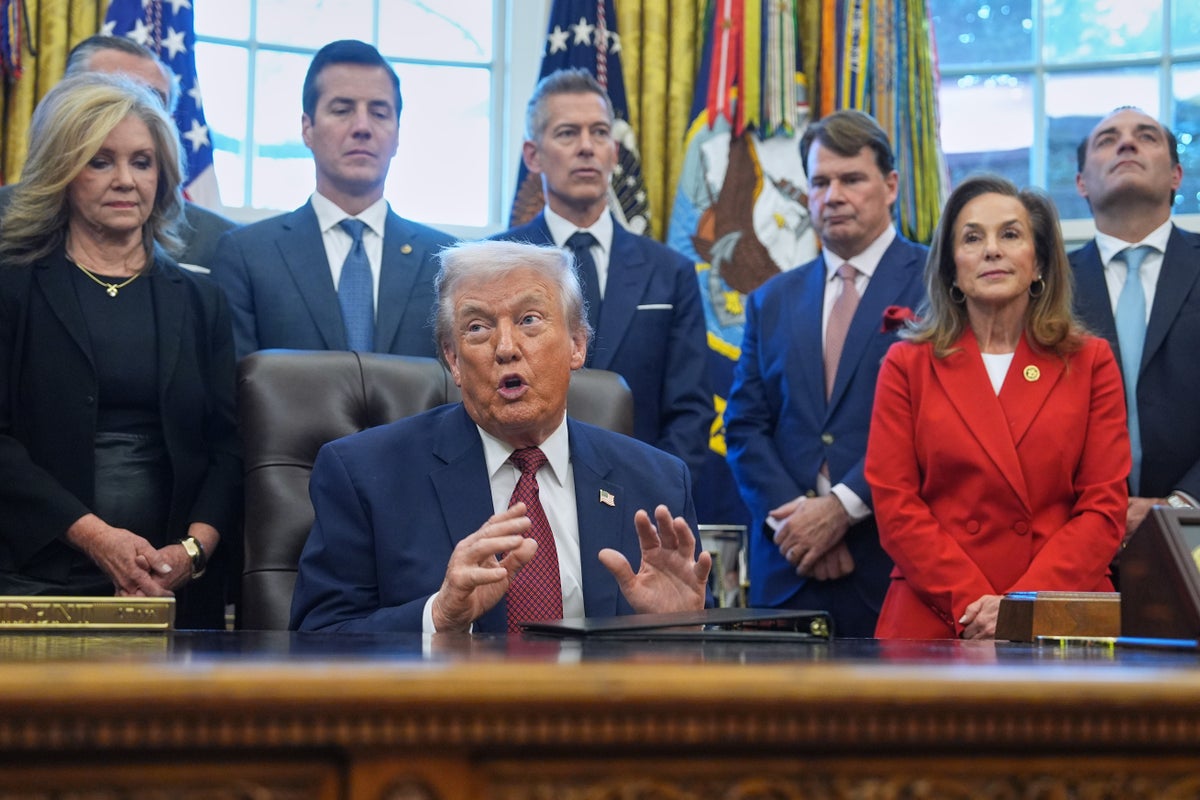
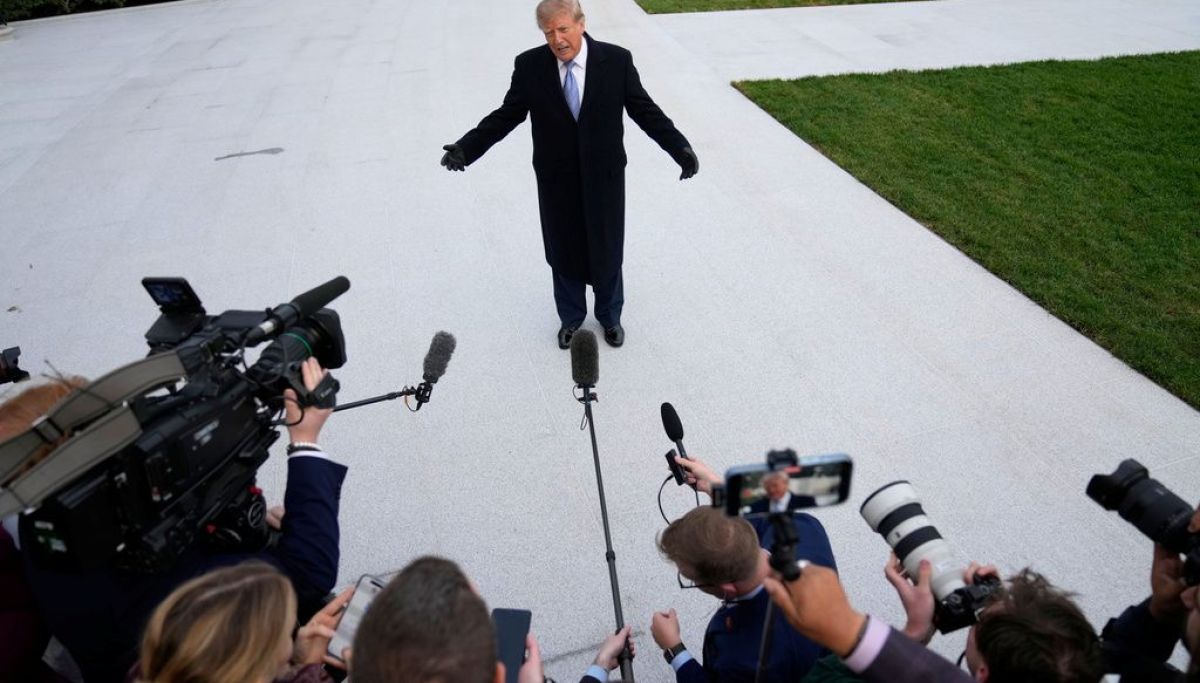
Donald Trump said on Truth Social Saturday that the less stringent mileage requirements would “take the waste out of building cars in America” and save families “thousands on a new, beautiful and safe car”, while boosting auto production in the US. asserted
requirements → say → US
Trump has repeatedly pledged to end what he falsely calls an EV “mandate”, referring incorrectly to Joe Biden’s target that half of all new vehicle sales be electric by 2030. asserted
half → pledge → 2030
No federal policy has mandated auto companies to sell EVs. asserted
policy → mandate → EVs
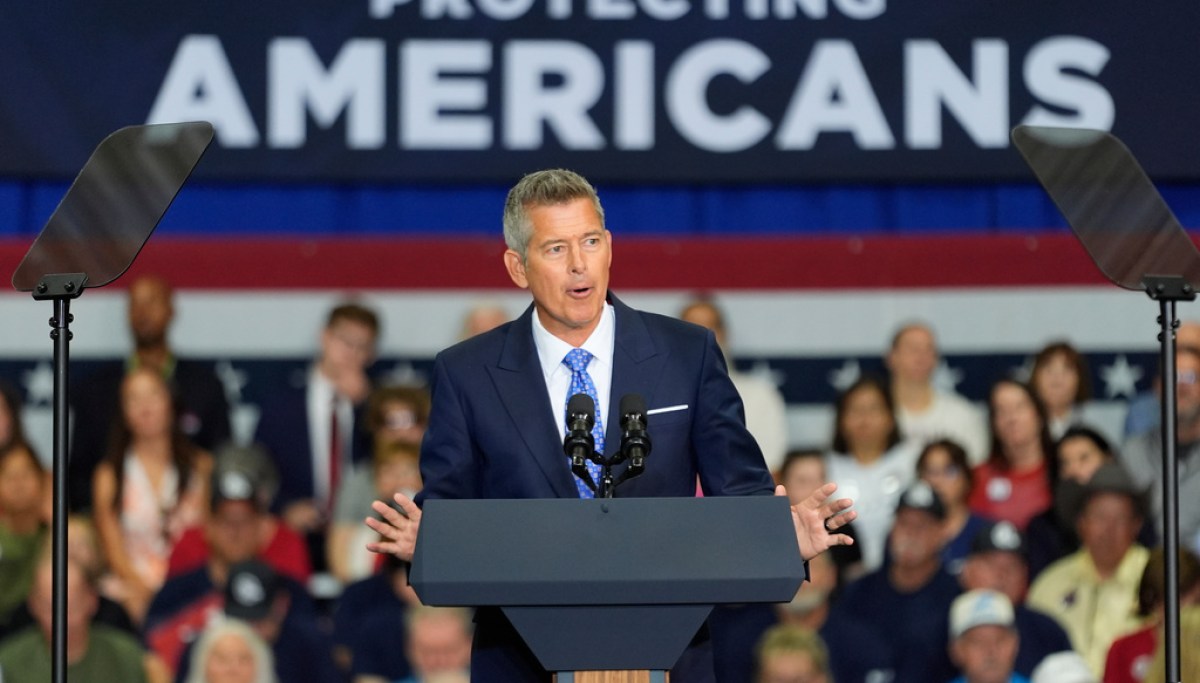
Sean Duffy, the US transportation secretary, hailed the new initiative – called Freedom Means Affordable Cars – which the agency said would reduce the average cost of new vehicles by $1,300, and save consumers $138bn over the next five years. asserted
agency → hail → years
Duffy said: “Thanks to President Trump’s leadership, we have finally ended the illegal mandate that forced automakers to produce more expensive electric vehicles that American families didn’t want.” asserted
families → say → that
Green groups condemned the new rules. asserted
groups → condemn → rules
Dan Becker, director of the Center for Biological Diversity’s safe climate transport campaign, said that the final rule “ignores the feasibility of clean technology and the millions of fuel-efficient cars already on the road”. asserted
rule → say → road
“Trump is tanking sensible mile per gallon standards at the worst possible time for consumers, who are getting hit with sky-high prices at the pump,” Becker said in a statement. asserted
Becker → tank → statement
“Consumers will pay the price for these reckless rollbacks while Trump’s Big Oil and Big Auto buddies reap the short-term profits.” asserted
Consumers → pay → profits
Katherine García, director of the Sierra Club’s Clean transportation for all campaign, vowed the environmental group would fight the rule and said that the loosening of fuel standards would “make driving more expensive too”. Fuel economy requirements set out how far new vehicles need to travel on a gallon of gasoline. asserted
vehicles → vow → gasoline
The Biden administration had increased required fuel efficiency for cars by 8% annually for model years 2024 and 2025, 10% for 2026 and 2% annually from 2027 to 2031. asserted
administration → increase → 2031
The Trump administration in December proposed retroactively revising down the 2022 model year fuel economy standard and then raising it between 0.25% and 0.5% annually through 2031. asserted
administration → propose → 2031
It estimated its proposal would cut average new vehicle costs by $930 each. asserted
proposal → estimate → 930
But it would increase fuel consumption by about 100bn gallons through 2050, fuel spending by $185bn and carbon dioxide emissions by about 5%, the department said. asserted
department → increase → %

💬Give feedback
🕘History 🎫Support