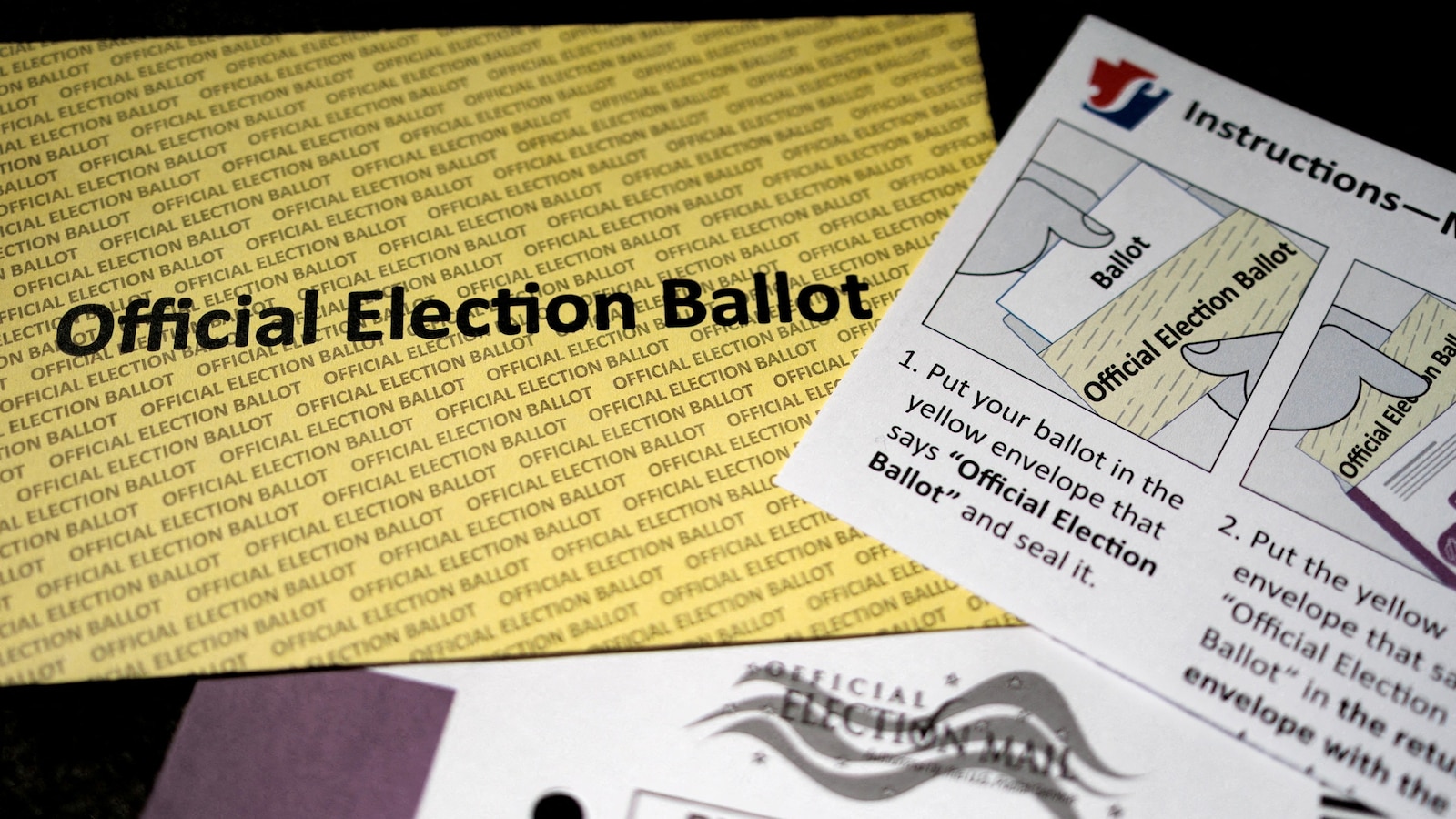
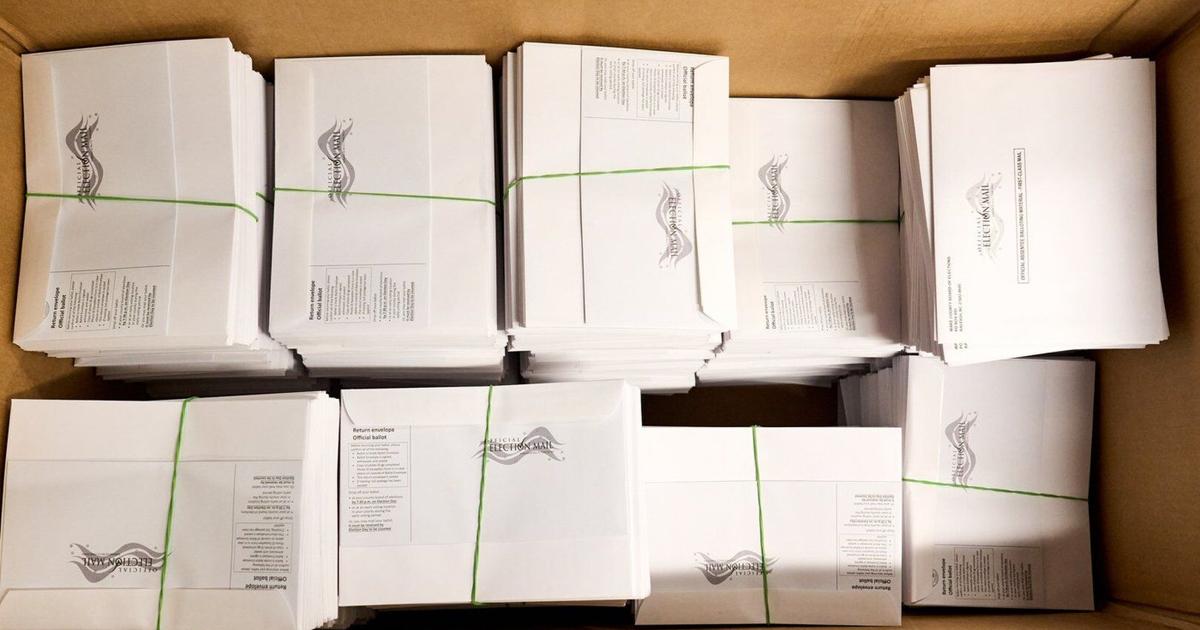
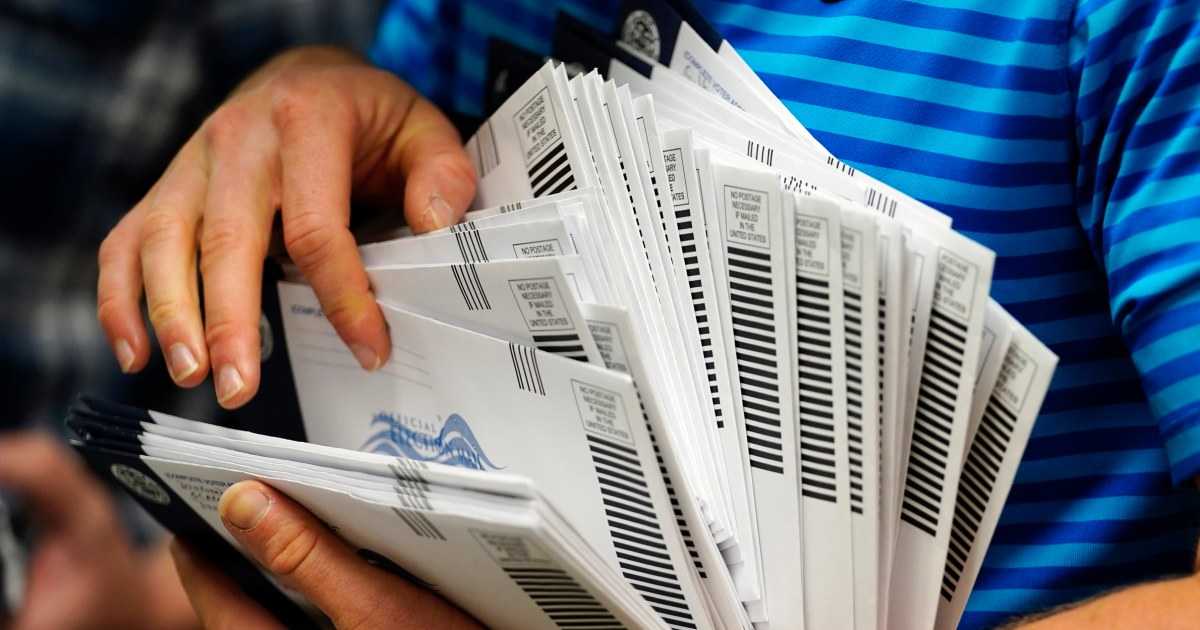
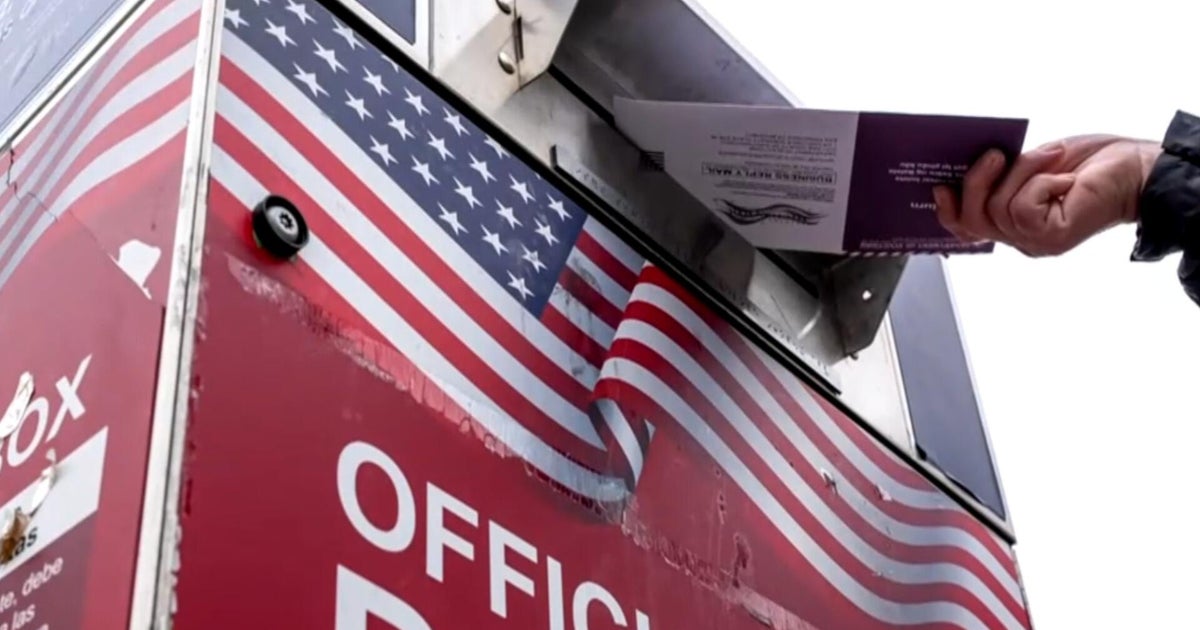
Federal Judge Indira Talwani has extended her block on new U.S. Postal Service mail ballot rules until further notice, finding them likely unlawful. The rules, aimed at tightening access to mail ballots, would require states to submit voter information and use a unique barcode on every mail-in ballot. The judge's decision comes ahead of the November election, with some states having already begun mailing ballots. A Supreme Court decision is expected as soon as next week, which could resolve the dispute before the election.
Written by the local model on 2026-09-05,
using this article's own text rather than the other coverage of the
same event (that is the story summary below).
Story summary
The Trump administration has been pushing for new rules that would restrict mail-in voting, citing concerns about voter fraud. However, experts and officials from both parties have expressed concern that these rules could lead to widespread disenfranchisement of voters. The USPS was ordered by President Trump to implement these changes, which include requiring election officials to add unique barcodes to ballot envelopes and upload lists of people who requested ballots. However, a federal judge in Massachusetts has blocked the implementation of these new rules, citing concerns that they would be "virtually impossible" to comply with.
The new rules were set to take effect just weeks before the midterm elections, which are scheduled for November 3. North Carolina became the first state to start sending out mail-in ballots on Friday, despite the uncertainty surrounding the new federal rules. The Trump administration has asked the Supreme Court to lift a lower court's block on the order, but it remains unclear whether these changes will be allowed to take effect.
Critics of the new rules argue that they are an attempt by the Trump administration to centralize control of elections and undermine state authority over voting procedures. Notably, President Trump himself votes by mail, as do about a third of all U.S. voters. The Supreme Court is currently considering the legality of these changes, but it remains unclear how this will ultimately affect the election process.
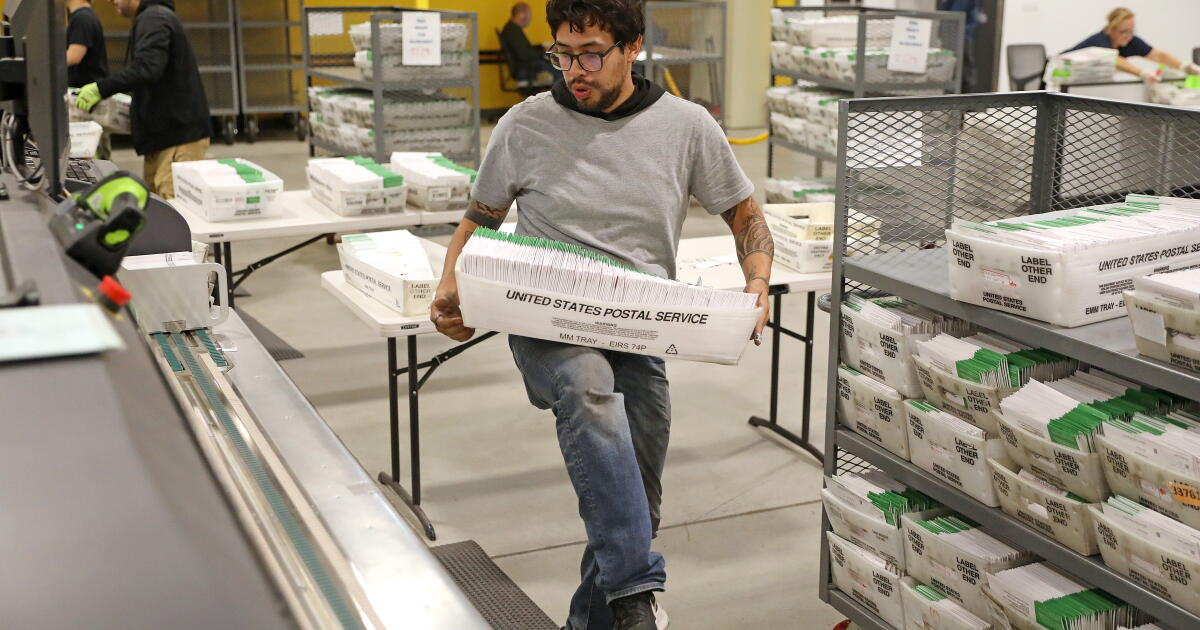
Meanwhile, election officials are warning that implementing these new rules could lead to millions of ballots going undelivered. A whistleblower has warned that there are "potentially catastrophic problems" with the new system for handling federal election ballot mail. The implementation of these changes is being closely watched by election officials and voters across the country, who are concerned about the potential disruptions to the midterms.
Written for “Trump Mail Voting Restrictions” on 2026-09-05,
grounded in this article and the 15 other(s) covering the same event.
Why this leaning score
The article's own words the score was based on. Each is quoted
verbatim and was checked against the article text before being
stored, so you can find it in the original.
Leaning score -0.75 for article 4191 (high confidence, 2 verified quotes) · logged 2026-09-05
Federal judge extends block on new USPS mail ballot rules
The Supreme Court is poised to resolve the dispute before the November election.
asserted
Court → extend → election
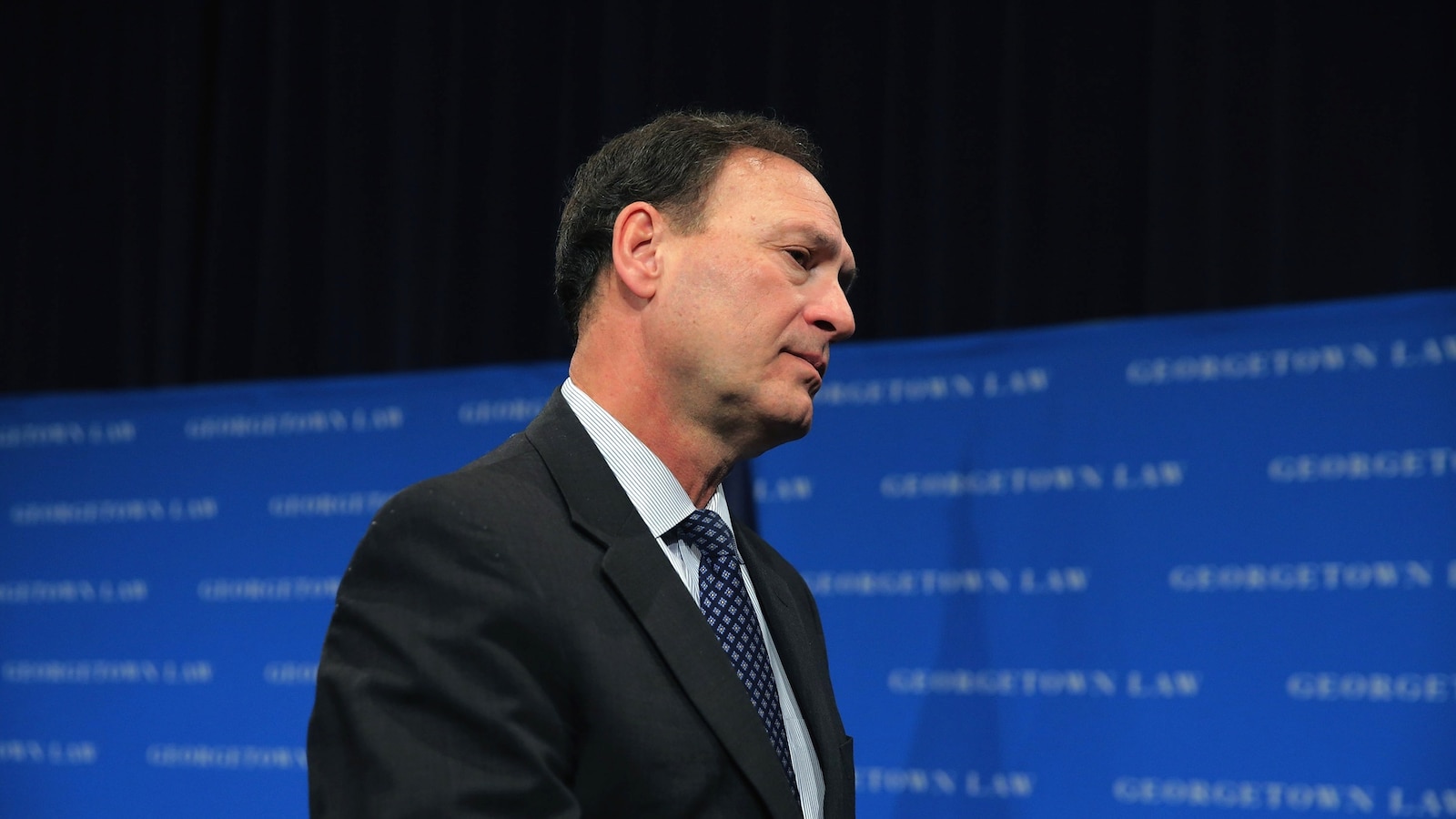
The federal judge handling the legal battle over new U.S. Postal Service mail ballot rules extended her block of the rules for the November midterm elections in an order issued on Friday, again finding them likely unlawful.
asserted
them → handle → Friday
Judge Indira Talwani's temporary order, which had been set to expire on Sept. 10, is now in place indefinitely unless a higher court allows the Trump administration to put the rules into effect.
asserted
administration → set → effect
The judge found that immediate implementation of the rules this close to the November election, prompted by President Donald Trump's executive order aimed at tightening access to mail ballots, "threatens disenfranchisement of millions of United States citizens who seek to vote by mail."
asserted
who → find → mail
Talwani concluded that the rules, which mandate nationwide mail ballot design and review requirements and state submission of a voter information database to USPS, are "unconstitutional where it intrudes not only on Congress's Elections Clause powers but also that power left to the States."
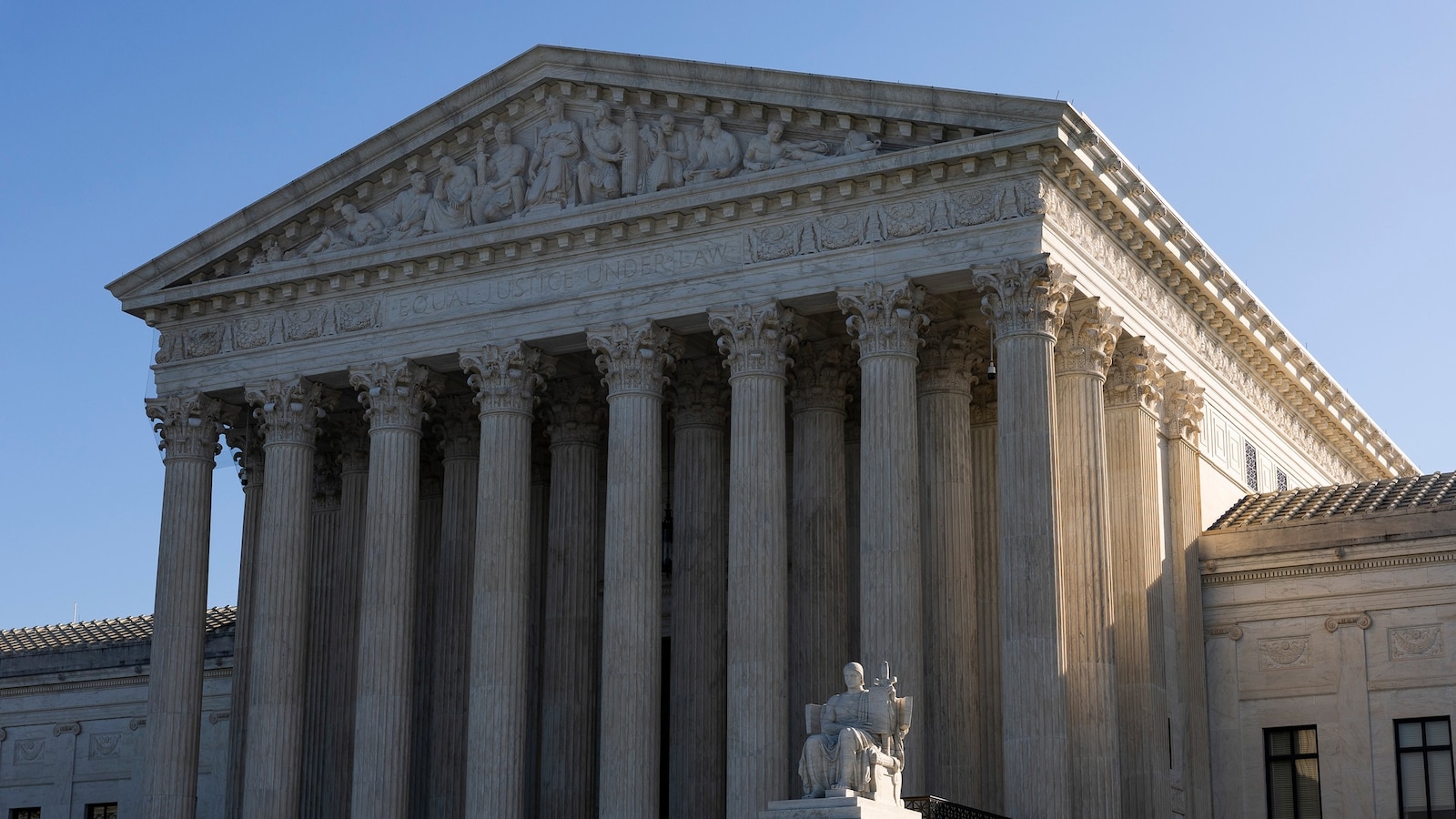
The decision ups the ante for the U.S. Supreme Court, which had already been asked to weigh in on Talwani's preliminary injunction.
asserted
which → conclude → injunction
A decision is expected as soon as next week.
asserted
decision → expect → week
Time is of the essence since some states have already begun mailing ballots for the fall election.
asserted
states → begin → election
Trump, who has pushed unfounded claims of widespread mail ballot fraud, wants states to report to USPS basic voter information, such as a voter's name and home address, attached to a unique barcode on every mail-in ballot distributed.
uncertain
states → push → ballot
Postal workers would then only deliver ballots addressed to voters who appear on the state-provided list.
asserted
who → deliver → list
Following the publication of the regulations last month, dozens of Democratic state attorneys general sued the Trump administration after an earlier lawsuit was blocked by the Supreme Court, which said at the time that the challenge was premature since the regulations hadn't been finalized.
asserted
regulations → follow → time
Judge Talwani wrote in her opinion Friday that the dispute was now ripe for judicial intervention.
asserted
dispute → write → intervention
"Nothing is hypothetical," she said of the alleged harm to states, voters and voter advocacy groups ahead of the November election.
asserted
she → say → election
In its latest appeal to the justices, the Trump administration insisted the rules impose only "modest" ballot design and review requirements on states and that a requirement to submit name, address, and barcode information of intended recipients is not onerous or intrusive.
asserted
requirement → insist → recipients
The states challenging the USPS rule have until Tuesday, Sept. 8, at 10 a.m. to formally respond before the Supreme Court makes a decision.
asserted
Court → challenge → decision
The states and voter advocacy groups have argued that the new USPS regulations are an attempt by the Trump administration to federalize elections, which are historically and constitutionally managed by each state, and make it harder to vote by mail for everyday citizens.
asserted
it → argue → citizens