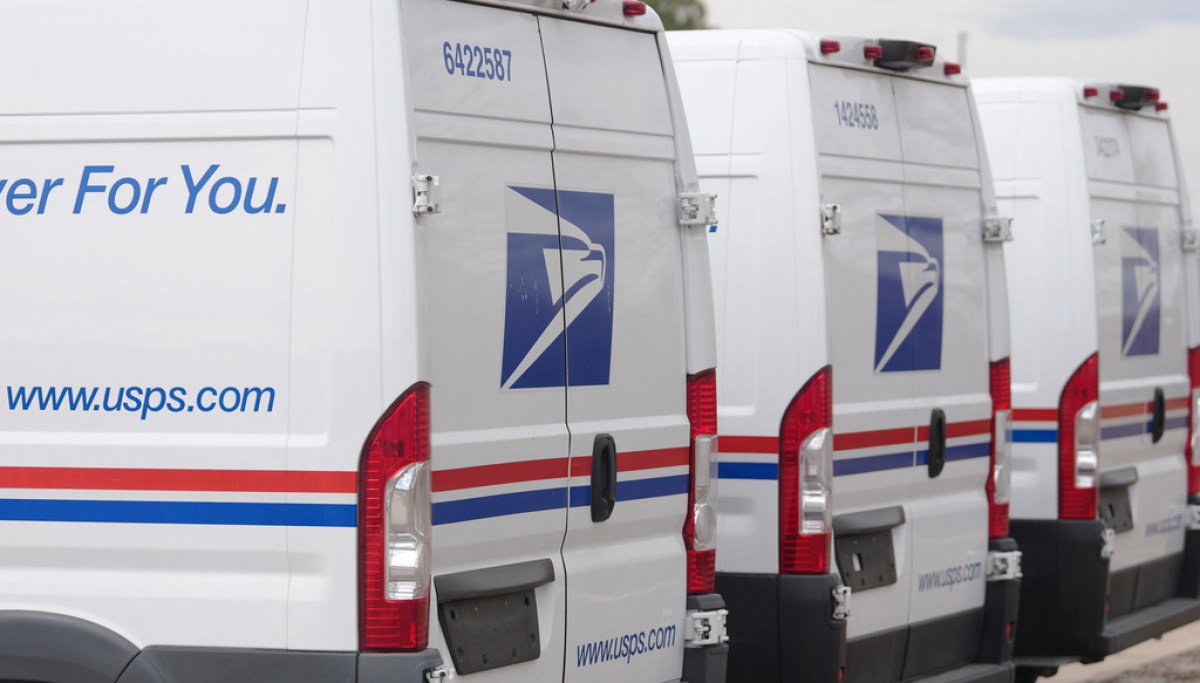
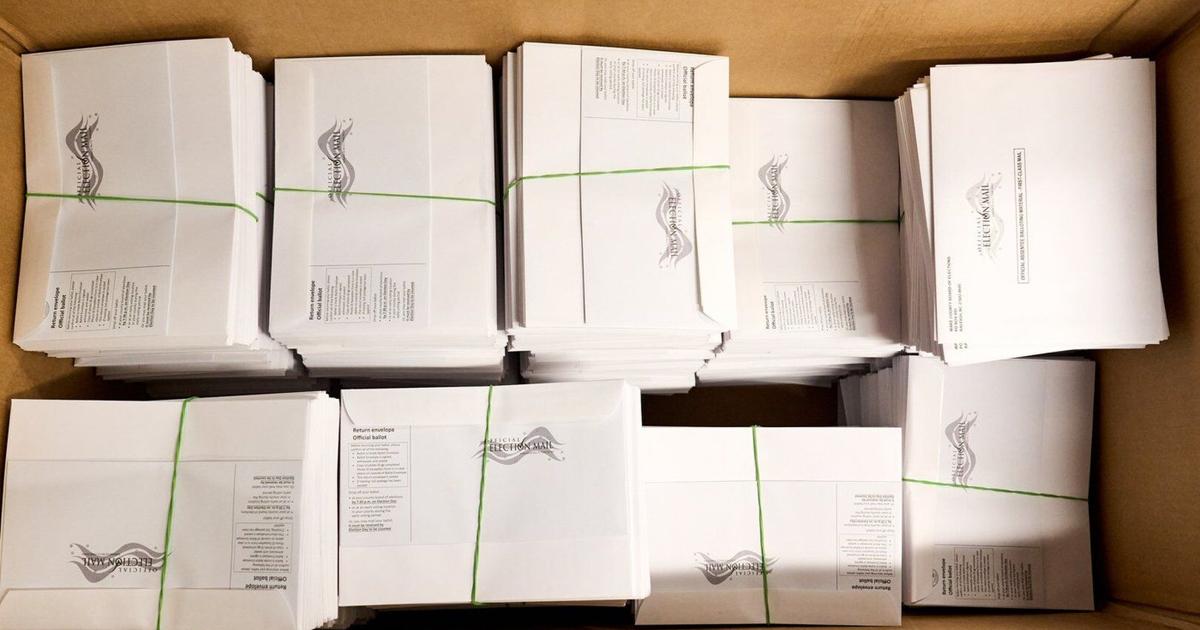
A federal judge has blocked new mail-in ballot rules from the U.S. Postal Service that were ordered by Donald Trump after states and election officials warned that it would be “virtually impossible” to comply with changes that could spark chaos for voters in the middle of midterm elections.
uncertain
that → block → elections
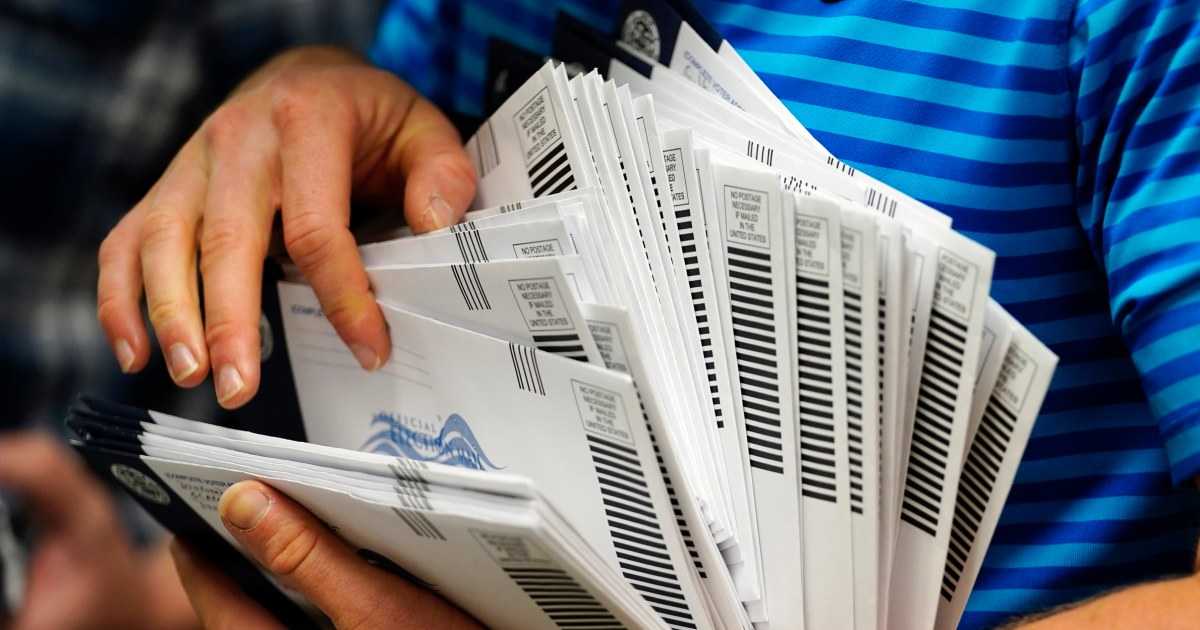
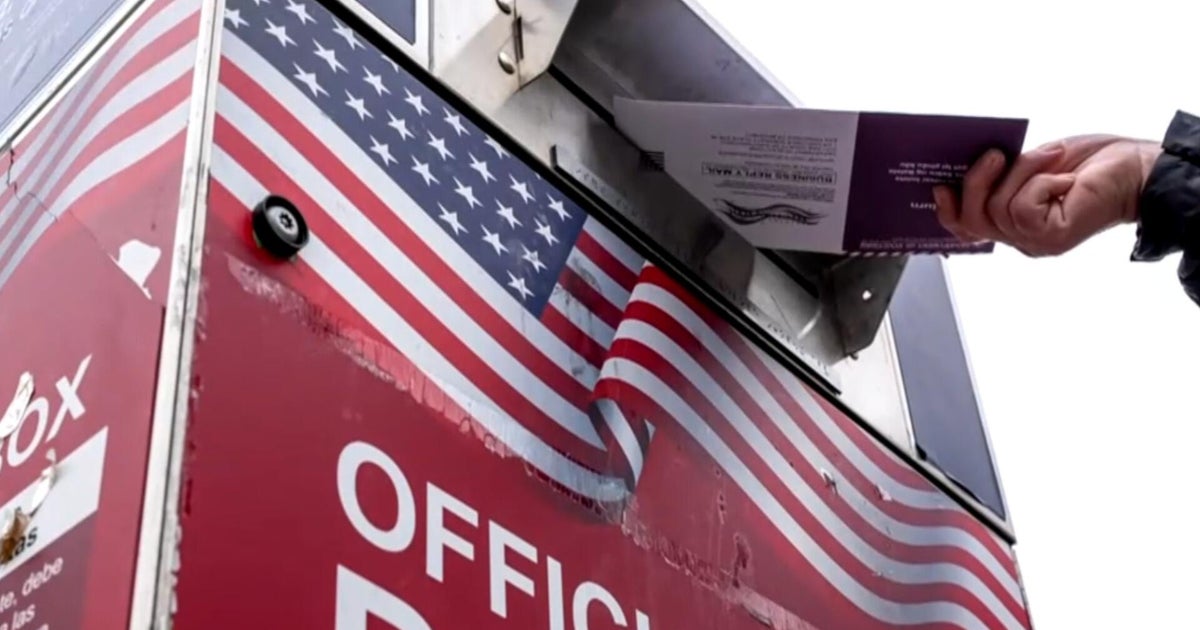
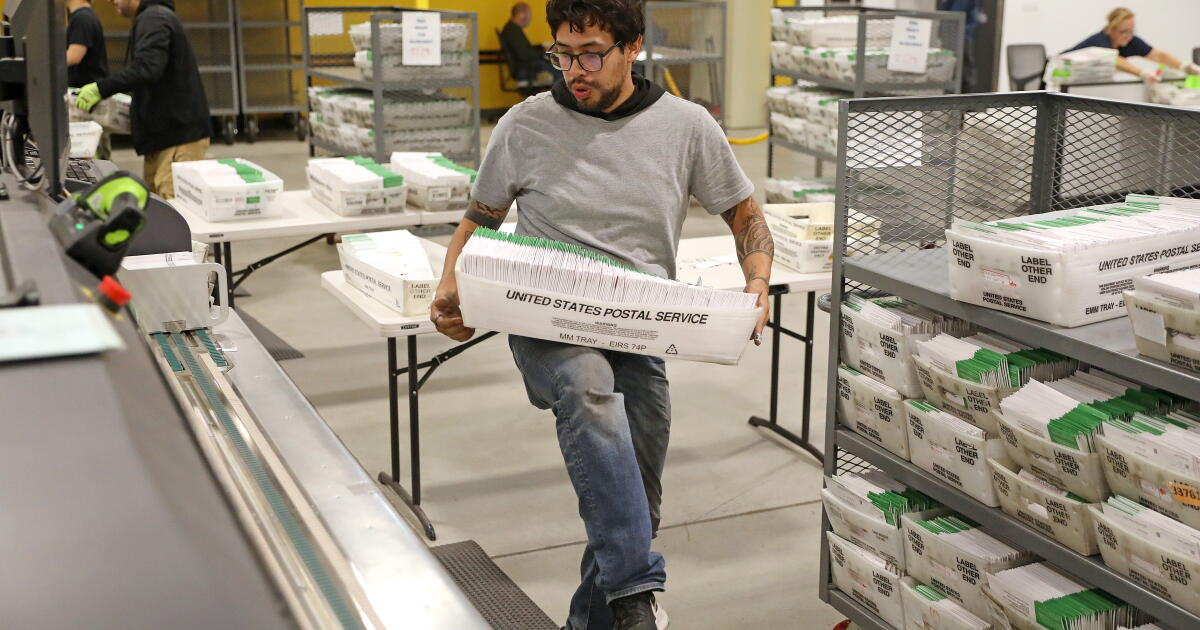
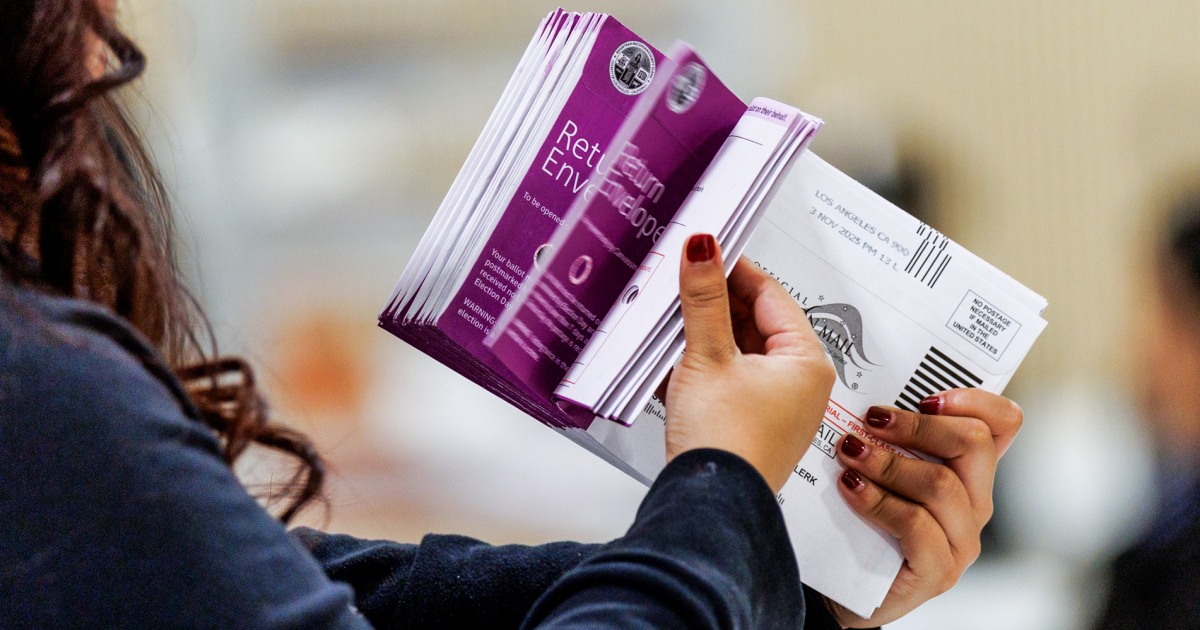
The new rules, ordered by the president through an executive order, would require election officials to add unique barcodes to ballot envelopes and order states to upload lists of people who requested them, giving the nation’s postal agency expansive authority to decide who gets to vote in an unprecedented shakeup of election administration.
Massachusetts District Judge Indira Talwani issued a preliminary injunction on Friday evening that blocks the changes while a legal battle plays out.
asserted
battle → order → changes
The Trump administration has already asked the Supreme Court for permission to push the changes through as the president faces another major obstacle in his attempts to centralize control of the nation’s elections.
asserted
president → ask → elections
But the administration is running out of time.
asserted
administration → run → time
Many states are already mailing out their first waves of ballots, and election officials have repeatedly warned that the changes could accidentally disenfranchise thousands of eligible voters without any recourse to make their ballots count.
uncertain
ballots → mail → recourse
Implementing new election rules “would be an extraordinary amount of work for local officials at any time,” Talwani wrote Friday.
asserted
Talwani → implement → time
“But imposing these mandates on election officials at present poses greater difficulties than otherwise because election officials are actively administering elections,” she said.
asserted
she → impose → elections
In addition to the work of registering voters, maintaining voter rolls and running the nation’s elections in 10,000 jurisdictions, officials must now “somehow find the time and resources to comply” with Trump’s orders “in the middle of election season,” Talwani added.
asserted
Talwani → register → season
“Having considered this series of hurdles for officials against the backdrop of an impending election, and mindful of the fact that any minor malfunction will result in the denial of mail ballots, the court concludes that disenfranchisement … regardless of residence, is practically inevitable,” she wrote.
asserted
she → consider → residence
The Department of Justice and USPS have argued that the changes are merely standardizing election mail, but election officials across the country have warned that the rules would give the agency unconstitutional authority to interfere in election administration.
asserted
rules → argue → administration
The agency is “trying to impose an entirely new rule that neither Congress nor the states authorized, that the Constitution forbids, and that will lead to confusion, error, and mass disenfranchisement,” lawyers for plaintiffs, including states and voting rights advocates, said in a statement after a court hearing on Thursday.
asserted
lawyers → try → Thursday
“Every day matters: This rule is creating confusion and chaos and impeding vital voter engagement work,” they said.
asserted
they → matter → work
“The American people deserve to know that the safe, secure, and trusted mail voting systems they rely on will continue to function effectively, without unlawful interference from USPS.”
asserted
they → deserve → USPS
Friday’s order follows a dizzying series of developments surrounding Trump’s mail-in ballot order, including a bombshell whistleblower complaint warning against “secretive, rushed” and “chaotic” attempts to implement the plans.
asserted
order → follow → plans
The report outlined “potentially catastrophic problems” with the administration’s brand-new system, including a “zero-percent failure policy” that could reject tens of thousands of ballots at a time if any single mistake is made, including misread barcodes or inadvertent errors from postal workers.
uncertain
mistake → outline → workers
Postal officials and IT specialists called it a “mess” and a “s*** show” that illegally defied initial court orders against putting the new ballot-tracking system in place, according to the report.
uncertain
that → call → report
Members of Congress demanded the agency’s inspector general investigate the allegations, triggering a review that was also launched Friday.
asserted
that → demand → review
“Donald Trump’s attempt to potentially interfere with our elections and oppress millions of ballots will be fought every step of the way.
asserted
attempt → interfere → way
We will continue fighting to defend vote-by-mail for every single American,” Rep. Robert Garcia, the top Democrat on the House Oversight Committee, said in a statement.
asserted
Garcia → continue → statement
Last month, the Supreme Court allowed Trump’s executive order pushing for the new rules to stand, which then kicked off the legal battle over the rules themselves.
asserted
which → allow → rules
In their appeal to the nation’s high court on Thursday night, lawyers for the Trump administration called the rule change “plainly constitutional.”
asserted
lawyers → call → change
“While the states have primary authority to regulate the manner of elections, they cannot choose to use the federal mails to carry out their elections but then insist that their election-related mail is somehow exempt from the Postal Service’s rulemaking authority,” the filing says.
asserted
filing → have → authority
 The Aporia