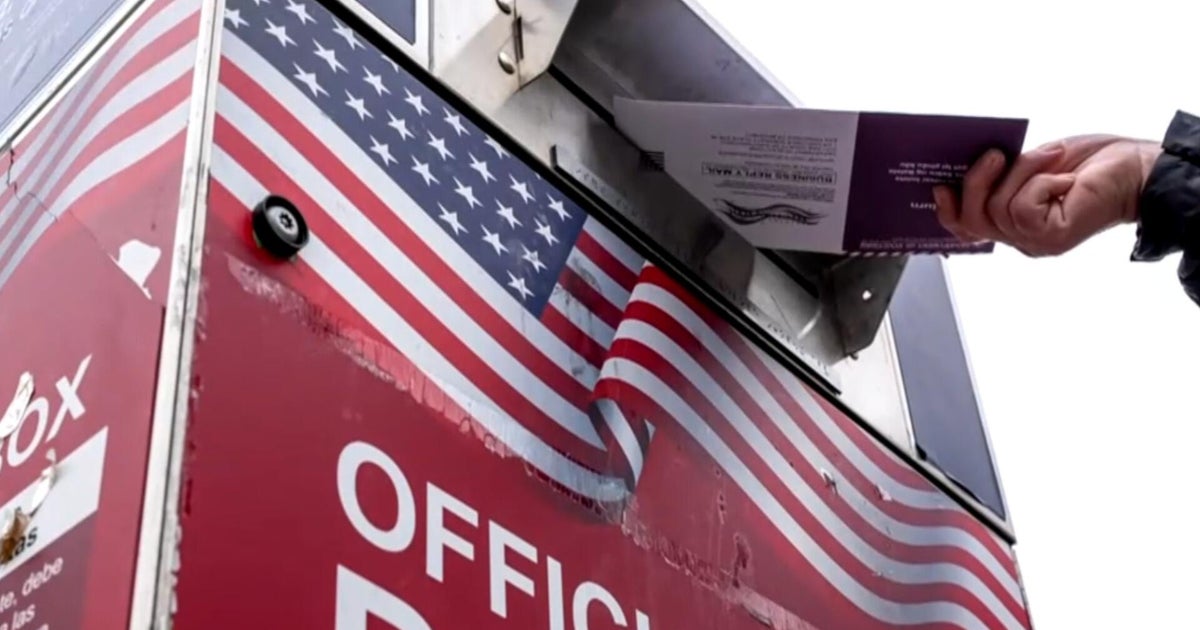
A federal judge on Friday again blocked Donald Trump’s executive order to impose sweeping restrictions on mail-in voting, the latest in a legal back-and-forth playing out less than two months before election day.
asserted
judge → block → day
US district court judge Indira Talwani initially placed a temporary order blocking the president’s mandate and has now extended that prohibition with a stronger preliminary injunction.
asserted
Talwani → place → injunction
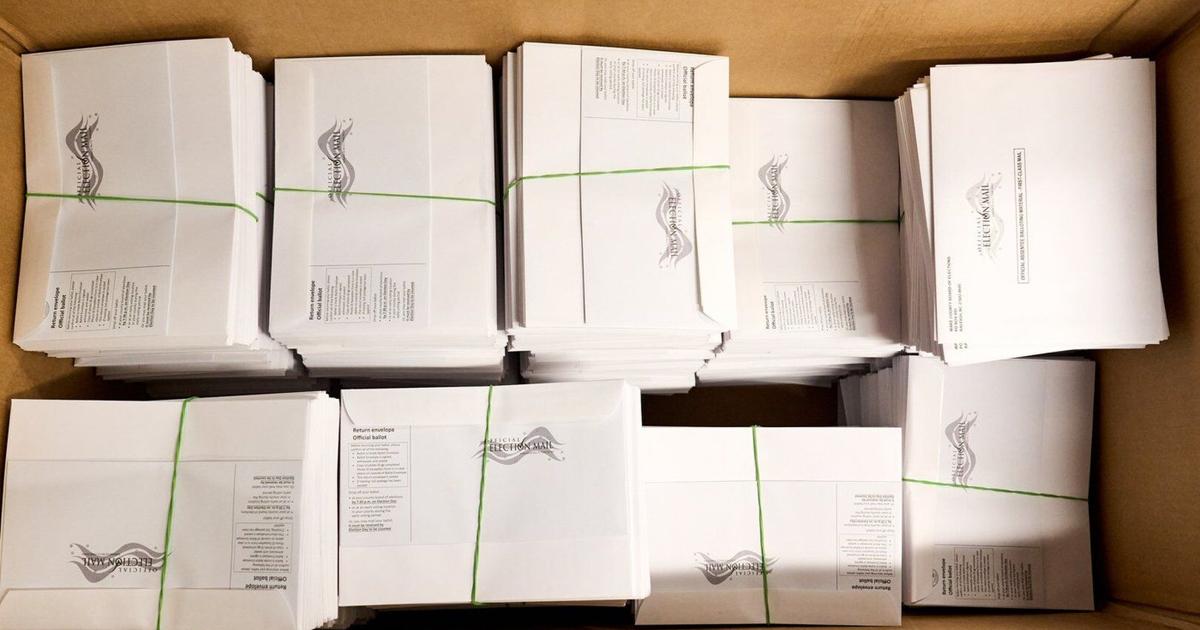
The ruling comes hours after North Carolina became the first state to start sending out mail-in ballots for the 3 November midterm elections.
asserted
Carolina → come → elections
Talwani referred to the tight timeline in her ruling.
asserted
Talwani → refer → ruling
“Plaintiff States are required under state law to mail millions of ballots to voters on a prescribed timeframe.
asserted
States → require → timeframe
As detailed below, they are unable to pivot this late in the election cycle, nearly guaranteeing significant disenfranchisement for eligible voters,” the judge wrote in her ruling.
asserted
judge → detail → ruling
Trump signed an executive order in March that would create a nationwide list of verified eligible voters, compelling the US Postal Service (USPS) to work with states to establish lists of mail-in voters before elections.
asserted
that → sign → elections
The result would mean a limited ballot delivery only to voters on those lists.
asserted
result → mean → lists
The Trump administration had already appealed against her temporary block to the supreme court, and it appeared the justices were likely to have a final say on the matter.
asserted
justices → appeal → matter
The White House did not immediately respond to a request for comment, but the administration quickly appealed Friday’s ruling.
asserted
administration → respond → ruling
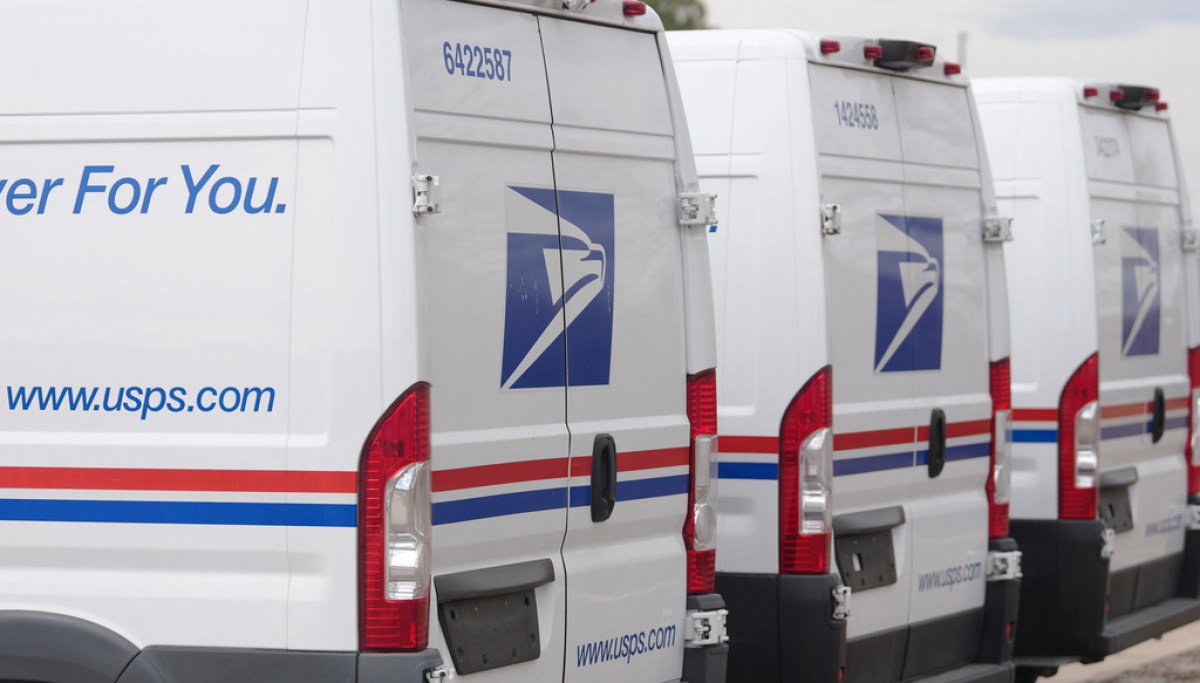
The USPS has said in recent court filings that the technology needed to administer the order isn’t even available.
asserted
technology → say → order
Earlier this week, a USPS whistleblower came forward and warned of “potentially catastrophic problems” if the agency were to try to carry out the order.
asserted
agency → come → order
After Trump signed the order, a coalition of 24 state attorneys general sued the USPS to challenge the rule.
asserted
coalition → sign → rule
They also filed a motion for a temporary restraining order and preliminary injunction as litigation was ongoing.
asserted
litigation → file → order
Oral argument on the coalition’s request for a preliminary injunction was held on Thursday.
asserted
argument → hold → Thursday
“We’ve now secured longer-term relief that will keep the USPS changes blocked while our case moves forward,” said Rob Bonta, the attorney general of California, who co-led the state coalition.
asserted
who → secure → coalition
“We will continue to take all steps to stop the Trump Administration from trampling on voting rights and restricting mail voting.
asserted
We → continue → voting
The order allows states to voluntarily use the new system.
asserted
states → allow → system
To date, not a single state has announced that it will do so.
asserted
it → announce → date
A coalition of voter service and civic groups, plaintiffs represented by the American Civil Liberties Union (ACLU) in the lawsuit, issued a statement: “Today’s ruling makes it crystal clear: The US Postal Service must deliver all election mail.
asserted
Service → represent → mail
USPS has no authority in the Constitution or federal law over how states administer mail voting.
asserted
states → have → voting
And the President cannot order the Postal Service to create a disruptive new bureaucracy that will throw the election into chaos and disenfranchise untold numbers of voters.”
asserted
that → order → voters
Trump has long sought to limit mail voting, even though he himself often uses that method to cast his own ballot.
asserted
he → seek → ballot
He has falsely blamed mail balloting for his 2020 election loss, spreading baseless claims of fraud, but has so far been unable to change the longstanding voting procedure.
uncertain
He → blame → procedure
An initial executive order Trump issued last year to change election rules, including a requirement for people to show documentary proof of citizenship to register to vote, was halted by federal judges.
asserted
people → issue → judges
They ruled that the constitution gives states and, in some cases, Congress the power to set voting procedures, not the president.
asserted
constitution → rule → procedures
After Trump issued his mail voting executive order in March, Democrats and voting rights groups filed several lawsuits.
asserted
Democrats → issue → lawsuits
Two ended up before Talwani, who placed an initial hold on the order in June, prohibiting its implementation until after November.
asserted
who → end → November
But the supreme court late last month overturned that order.
asserted
court → overturn → order
Its conservative majority pointedly did not say Trump’s move was legal but found the lawsuits were filed prematurely before the US Postal Service issued its rule on how it would implement the order.
asserted
it → say → order
The rule came out just before the supreme court released its ruling, and the plaintiffs refiled their suits.
asserted
plaintiffs → come → suits
 The Aporia