The Aporia
The Aporia
The Aporia
Whitehurst, L., & Riccardi, N. (2026, September 4). Federal judge extends block on Trump executive order seeking to limit mail voting in the midterms. Toronto Star. https://www.thestar.com/news/world/united-states/federal-judge-extends-block-on-trump-executive-order-seeking-to-limit-mail-voting-in-the-midterms/article_31fd1b48-9eb5-5637-a30e-2d4638efe78f.html
Whitehurst, Lindsay, and Nicholas Riccardi. “Federal judge extends block on Trump executive order seeking to limit mail voting in the midterms.” Toronto Star, 4 Sept. 2026, https://www.thestar.com/news/world/united-states/federal-judge-extends-block-on-trump-executive-order-seeking-to-limit-mail-voting-in-the-midterms/article_31fd1b48-9eb5-5637-a30e-2d4638efe78f.html.
Whitehurst, Lindsay, and Nicholas Riccardi. “Federal judge extends block on Trump executive order seeking to limit mail voting in the midterms.” Toronto Star, September 4, 2026. https://www.thestar.com/news/world/united-states/federal-judge-extends-block-on-trump-executive-order-seeking-to-limit-mail-voting-in-the-midterms/article_31fd1b48-9eb5-5637-a30e-2d4638efe78f.html.
Dated when The Aporia collected the article, usually within hours of publication. Check the original for its exact date and byline.
Here's a summary of the news story:
The Trump administration has been trying to implement new rules for mail-in voting, which would require states to provide lists of eligible voters to the US Postal Service (USPS) so that they can verify who receives mail-in ballots. However, this move has been met with opposition from states and election officials, who claim it would be "virtually impossible" to comply with these changes in time for the midterm elections.
A federal judge, Massachusetts District Judge Indira Talwani, issued a preliminary injunction on Friday evening blocking the new rules while a legal battle plays out. The Trump administration has already asked the Supreme Court for permission to push the changes through, but it's unclear if this will be allowed.
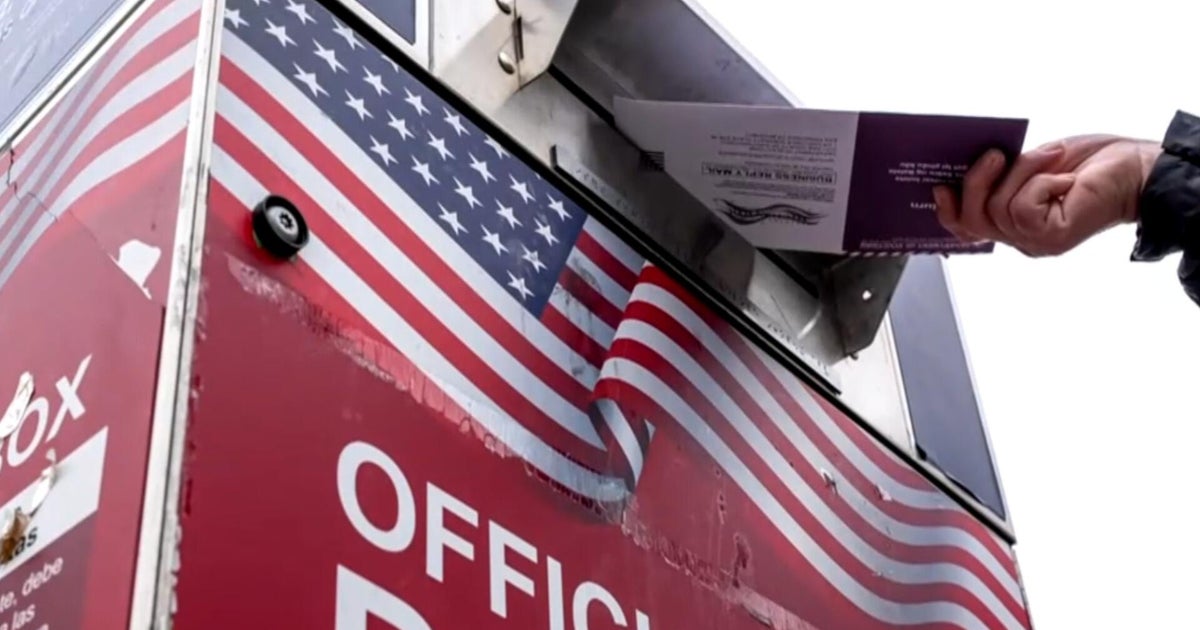
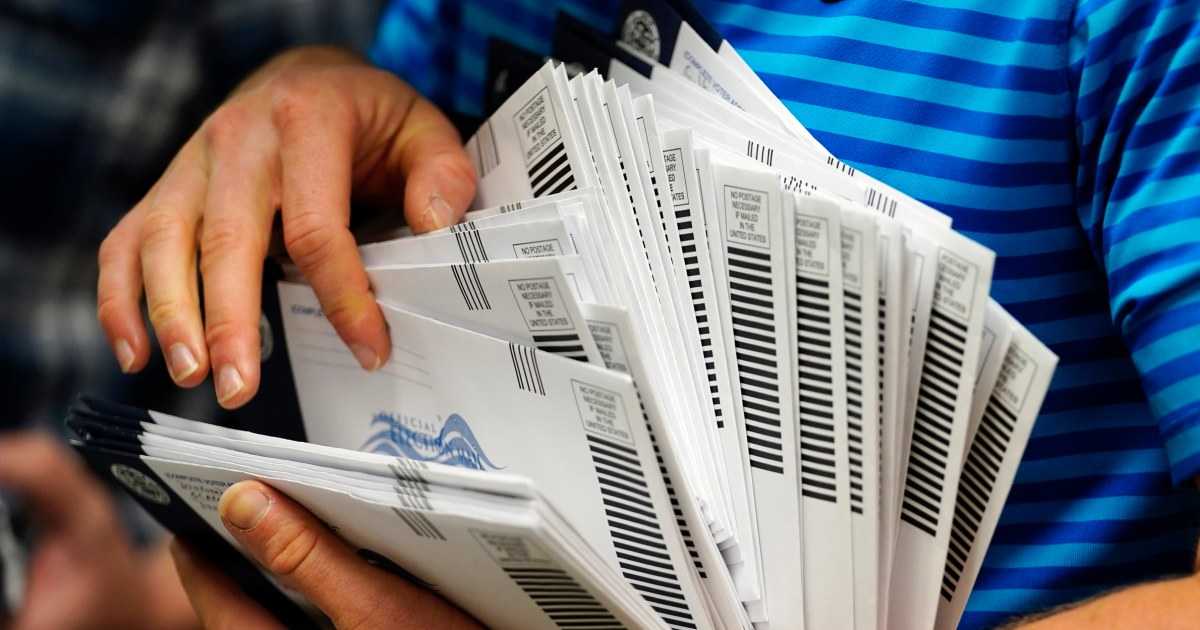
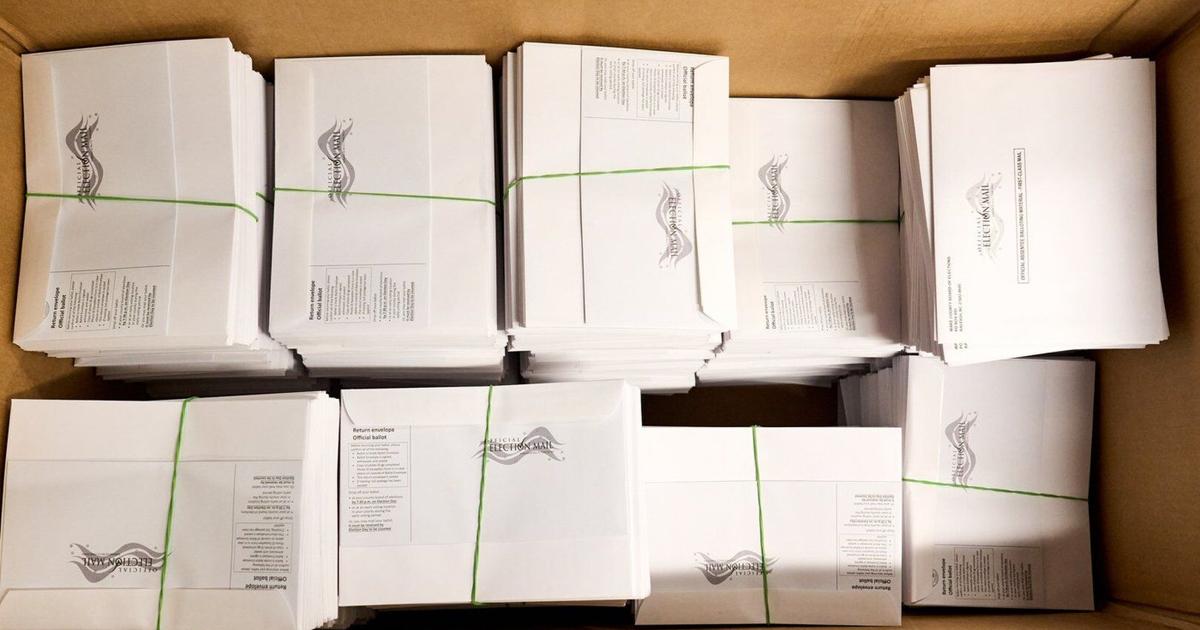
Meanwhile, North Carolina became the first state to start sending out mail-in ballots on Friday, despite the uncertainty over whether these new federal rules will be allowed to take effect and whether the USPS can implement them in time. Other states are expected to follow suit in the coming days and weeks.
There is also a whistleblower who has warned that there could be "potentially catastrophic problems" with the new system for handling mail-in ballots, which could lead to millions of ballots being undelivered.
Overall, the situation is uncertain and chaotic, with multiple lawsuits and legal battles playing out over these new rules.