On September 28, 2026, SpaceX successfully launched its Starship megarocket from Texas into orbit for the first time. The rocket, standing at over 120 meters tall, completed a second burn about 26 minutes after liftoff to reach orbital velocity of approximately 28,000 km/h. During this test flight, which is expected to last around 10 hours, Starship deployed 26 next-generation Starlink satellites and orbited Earth six times before splashing down in the Pacific Ocean. The successful orbit marks a significant milestone for SpaceX's ambitious plans involving lunar and Martian missions.
Written locally by qwen2.5:14b on 2026-09-28,
using this article's own text rather than the other coverage of the
same event (that is the story summary below).
Story summary
On Monday, SpaceX launched its enormous Starship, the largest and most powerful rocket ever built, from Boca Chica Beach in Texas. The mission was originally planned to last for approximately 10 hours, completing about six orbits around Earth at an altitude of roughly 170 miles (275 km) before a splashdown in the Pacific Ocean west of Chile. However, due to an engine failure shortly after launch, SpaceX decided to cut the flight short and ended it within three hours instead.
Despite initial concerns, mission control announced that "Starship is orbital," marking the first time Starship successfully achieved orbit. The spacecraft also deployed 26 of its newest Starlink satellites during this test flight, bringing the total number of active Starlinks to over 11,000, providing internet services worldwide. This historic mission aims to pave the way for future missions to the Moon and Mars under NASA’s Artemis program.
Written for “SpaceX Starship Orbital Test” on 2026-10-05,
grounded in this article and the 15 other(s) covering the same event.
Elon Musk's Starship megarocket reached orbit for the first time on Monday (September 28, 2026) after blasting off from Texas, in a major milestone for SpaceX's plans, including trips to the Moon and Mars.
asserted
megarocket → reach → Moon
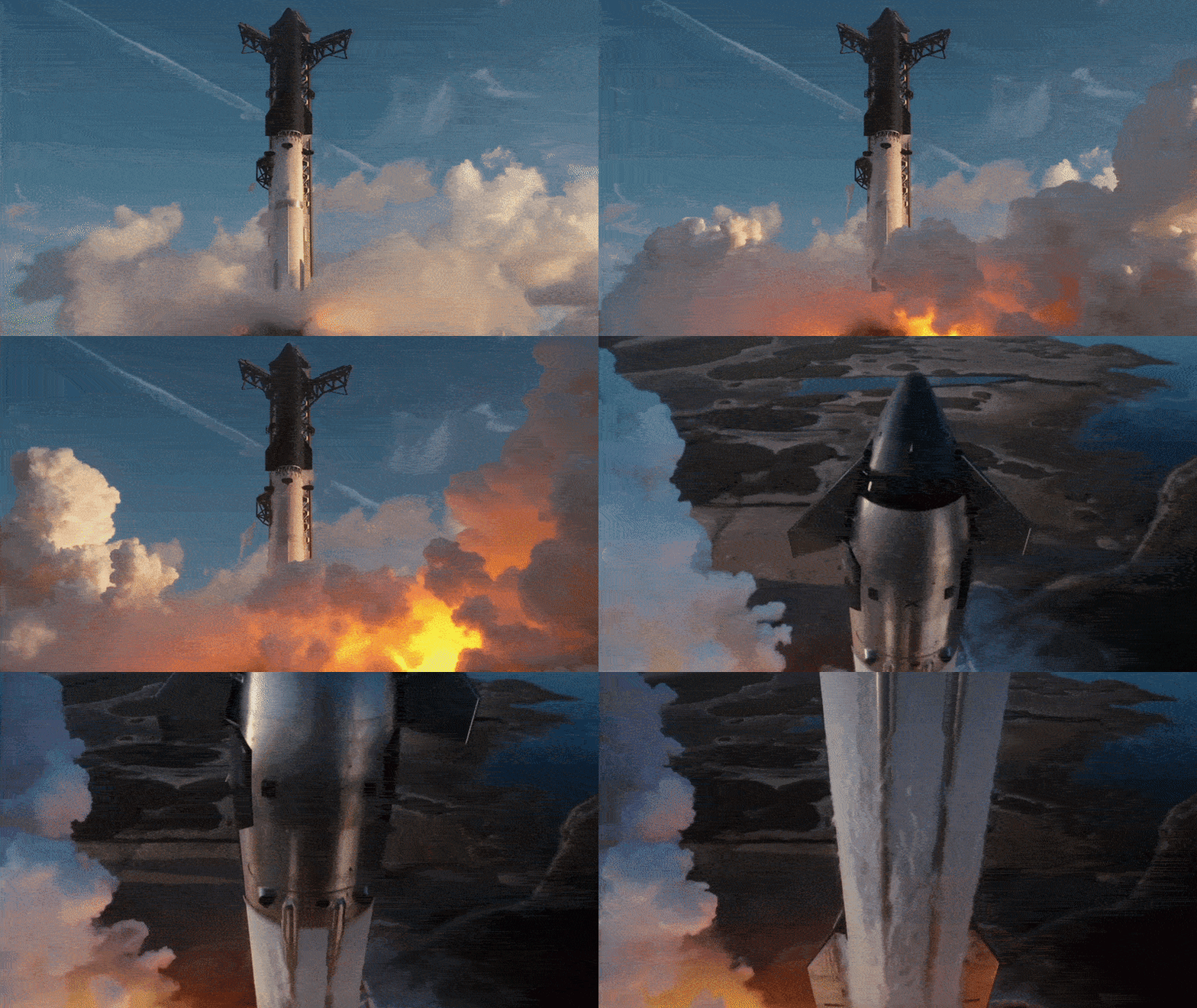
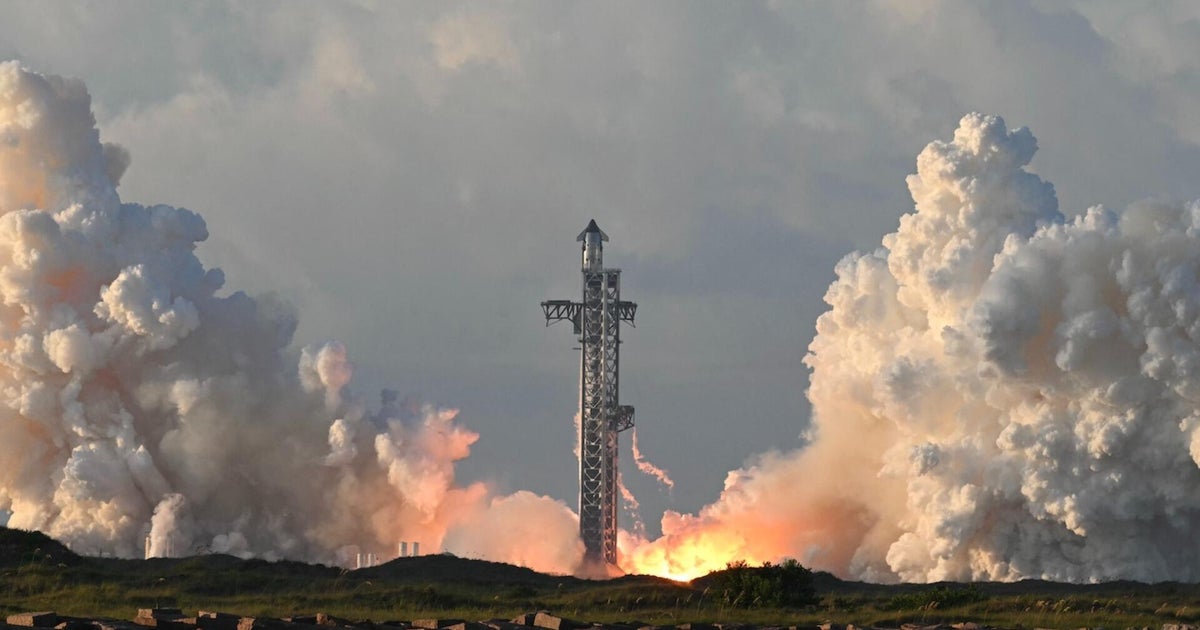
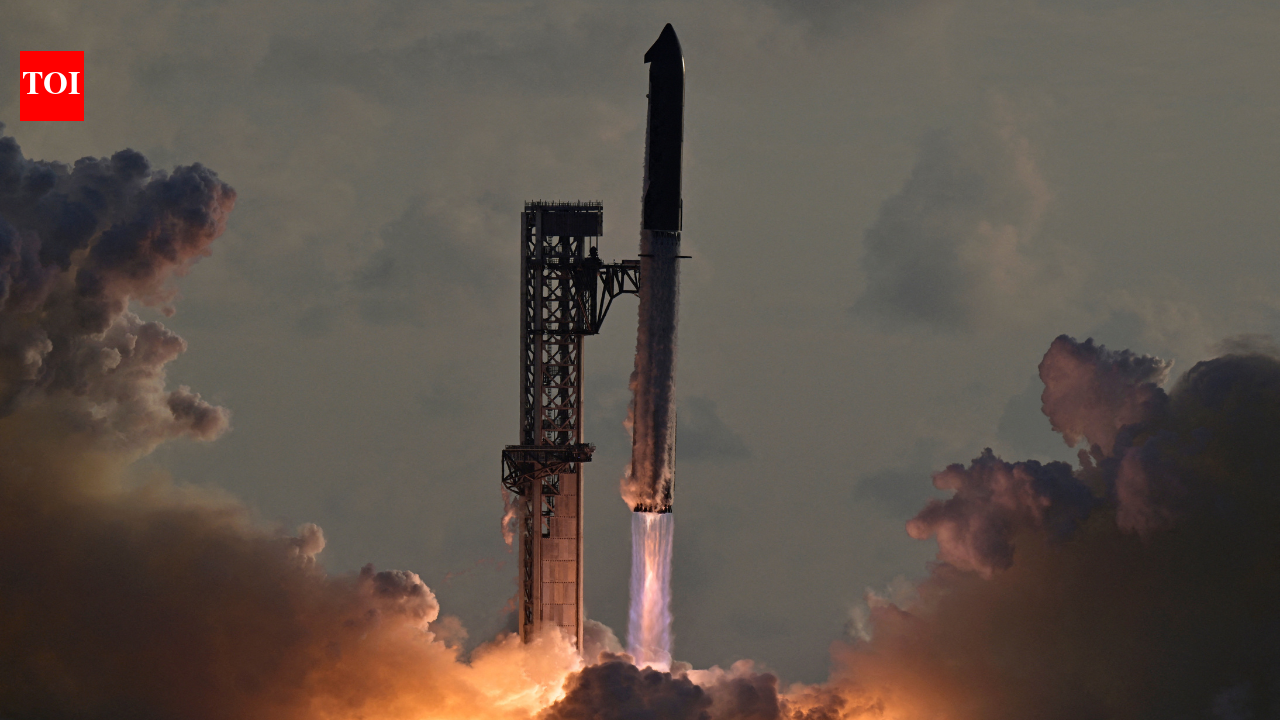
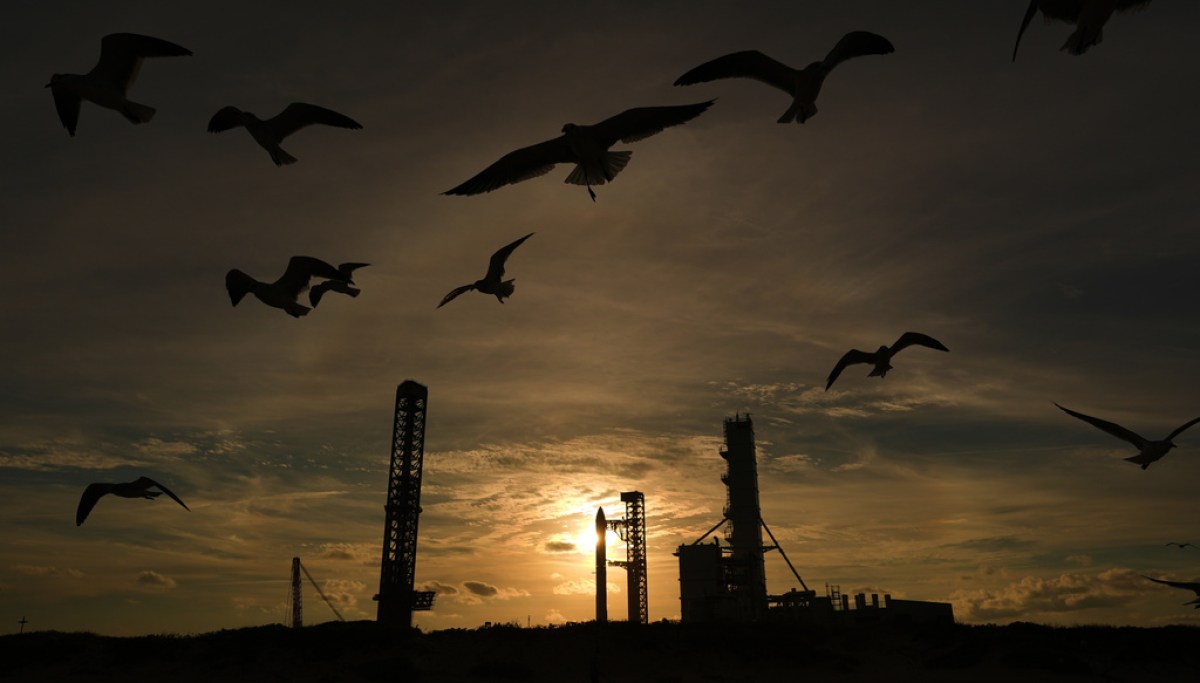
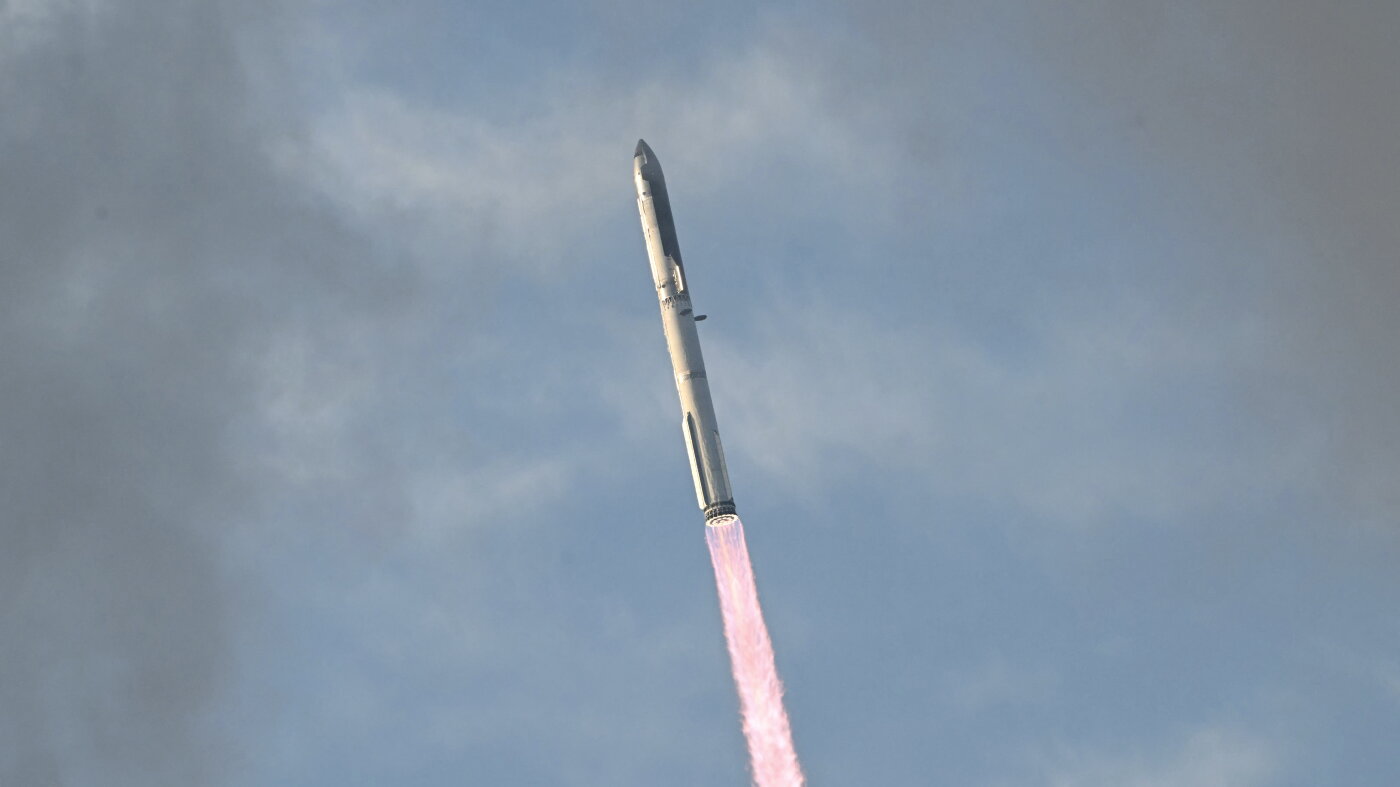
The black-and-silver behemoth, standing more than 120 meters (131 yards) tall, rose through a thick cloud of smoke on an ambitious 14th test flight.
asserted
behemoth → stand → flight
The upper stage separated from the Super Heavy booster and reached orbit about 26 minutes into flight.
asserted
stage → separate → flight
During the test, expected to last about 10 hours, the experimental rocket's upper stage is set to orbit Earth several times and deploy 26 next-generation Starlink satellites.
asserted
stage → expect → satellites
As a precaution, the spacecraft was launched on a suborbital trajectory and — after some back-and-forth — the launch team decided to perform a second burn to reach orbit.
asserted
team → launch → orbit
"Starship is orbital," announced one member of the launch team, as cheers rang out.
asserted
cheers → announce → team
Satellite deployment began minutes later.
asserted
deployment → begin → ?
Previous Starship tests, all conducted on safer, less demanding suborbital trajectories, had ended in spectacular explosions, including over the Caribbean.
28,000 km/h
The latest test flight, coming three months after SpaceX's high-profile stock market debut, aims to accelerate development of the largest and most powerful rocket ever designed.
asserted
flight → conduct → rocket
After several years of development and testing in Texas, SpaceX began flying Starship in its full configuration in 2023 and has since made numerous modifications through the successes and failures of successive tests.
But enormous technical challenges remain before Starship, which Musk wants to make fully reusable, can conduct commercial flights, deploy data centers in orbit or reach the Moon or the Red Planet.
asserted
Musk → begin → Moon
With this new test, SpaceX hopes to usher in an "exciting new phase" of development that will include, among other things, tests of refueling the rocket in orbit.
asserted
that → hop → orbit
The second burn to reach orbit is "the hardest part," requiring "more forces and more complex calculations," explained Kathleen Curlee, a senior analyst at Georgetown University's Center for Security and Emerging Technology, before the launch.
asserted
Curlee → reach → launch
To reach the necessary altitude and speed, "the rocket has to do different things when it's experiencing different levels of gravity," she told AFP.
asserted
she → reach → AFP
On this flight, SpaceX is aiming for a circular orbit about 275 km (171 miles) above the Earth, requiring a speed of about 28,000 km/hour.
asserted
SpaceX → aim → km
Once in orbit, the spacecraft began deploying next-generation Starlink satellites designed to expand the company's already massive satellite internet constellation.
asserted
spacecraft → begin → constellation
The plan calls for the rocket to finish its journey in the Pacific Ocean after orbiting the Earth six times.
asserted
rocket → call → Earth
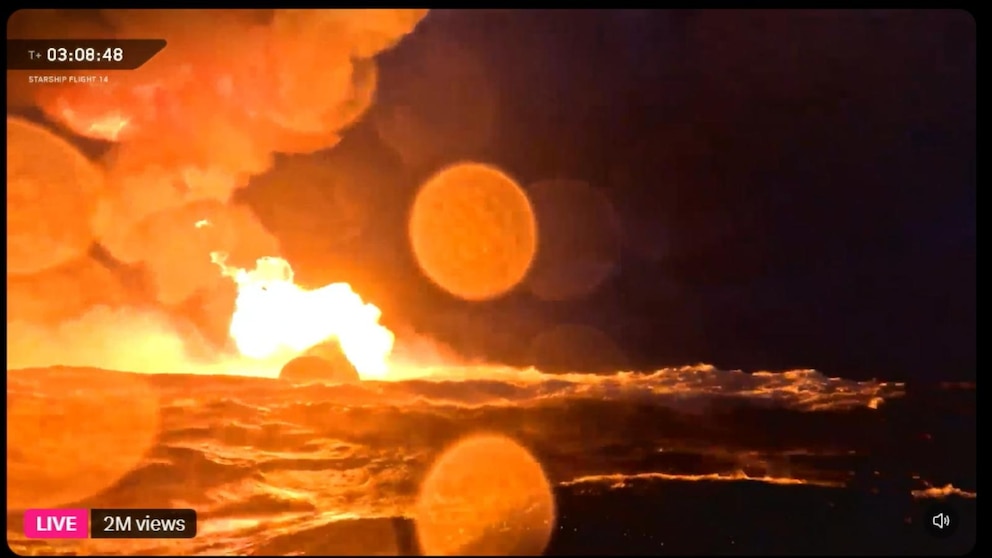
The huge first-stage booster, called "Super Heavy," fell shortly after launch into waters of the Gulf of Mexico.
asserted
booster → call → Mexico
From an engineering point of view, "just achieving flight and getting data" would be considered a success, Curlee said.
asserted
Curlee → achieve → data
But spectators and investors have different expectations.
asserted
spectators → have → expectations
"They need to have flashy tests" because anything less would be seen as a failure, she added.
asserted
she → need → failure
The development of Starship has faced repeated delays, and a Chinese company has recently made progress in the field of reusable rockets.
asserted
company → face → rockets
Still, SpaceX continues to dominate the global space launch market, thanks to its partially reusable Falcon rockets, and has made risk-taking its mantra.
Whether or not it is successful, this 14th test flight will be followed the same week by three other SpaceX rocket launches, one of which will carry a crew of astronauts to the International Space Station.
asserted
one → continue → Station
 The Aporia