That is 0 articles you have read today.
The Aporia is free and carries no advertising, so readers are the only
thing paying for it. If you are getting this much out of it, a small
donation is what keeps it independent.
Daily limit reached
You have read 0 articles today.
That is more than the 15 a day The Aporia gives away,
and well past what it can carry on nothing. Your allowance resets at
midnight.
There is no advertising here and nothing about you is sold, so readers
are the only thing paying for it. If the site is worth this much of
your day, it is worth a few dollars.
Everything else stays open: the
maps, the
directory and
search do
not count against this, and neither does re-opening something you have
already read today.
SpaceX’s Starship rocket successfully reached Earth orbit on Monday after launching from its site near Brownsville, Texas. The 407-foot rocket completed six orbits around Earth before a planned splashdown in the Pacific Ocean off Chile’s coast. During this test flight, Starship also deployed 26 Starlink satellites to enhance SpaceX's existing internet constellation of over 11,000 satellites. This achievement marks significant progress for SpaceX after years and billions of dollars spent on developing the world’s largest and most powerful rocket.
Written locally by qwen2.5:14b on 2026-09-28,
using this article's own text rather than the other coverage of the
same event (that is the story summary below).
Story summary
On Monday, SpaceX launched its enormous Starship, the largest and most powerful rocket ever built, from Boca Chica Beach in Texas. The mission was originally planned to last for approximately 10 hours, completing about six orbits around Earth at an altitude of roughly 170 miles (275 km) before a splashdown in the Pacific Ocean west of Chile. However, due to an engine failure shortly after launch, SpaceX decided to cut the flight short and ended it within three hours instead.
Despite initial concerns, mission control announced that "Starship is orbital," marking the first time Starship successfully achieved orbit. The spacecraft also deployed 26 of its newest Starlink satellites during this test flight, bringing the total number of active Starlinks to over 11,000, providing internet services worldwide. This historic mission aims to pave the way for future missions to the Moon and Mars under NASA’s Artemis program.
Written for “SpaceX Starship Orbital Test” on 2026-10-05,
grounded in this article and the 15 other(s) covering the same event.
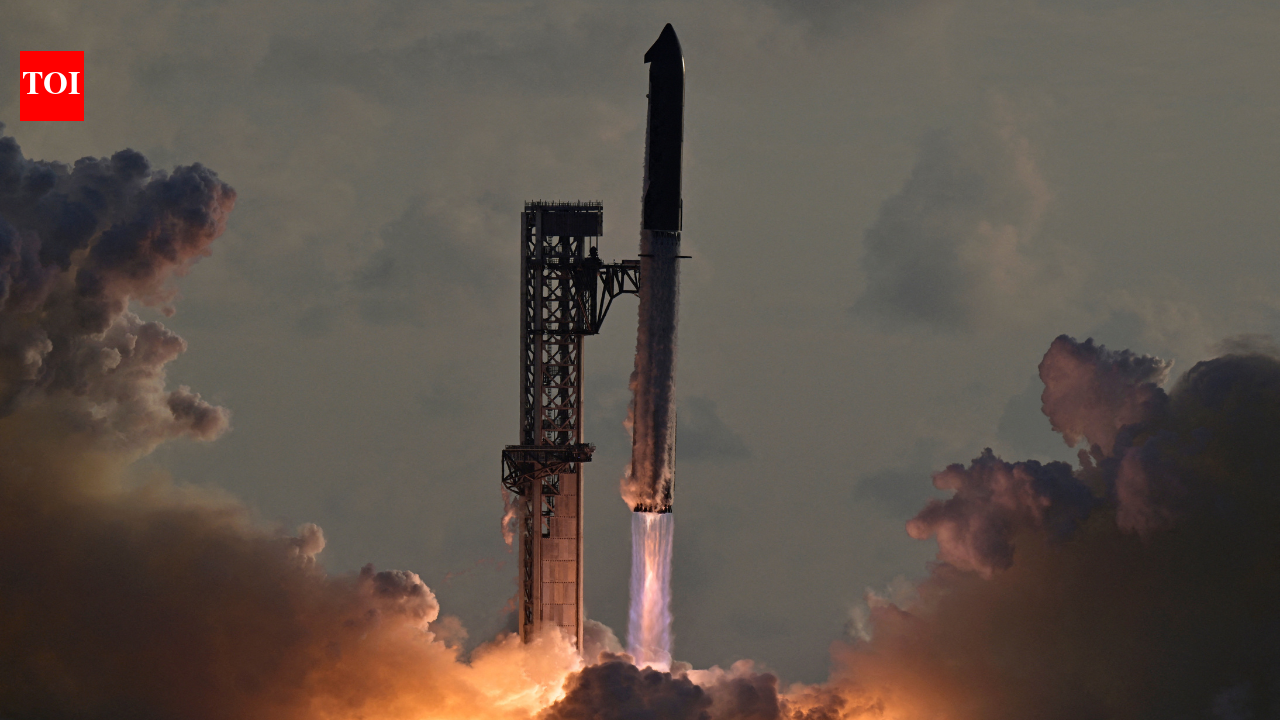
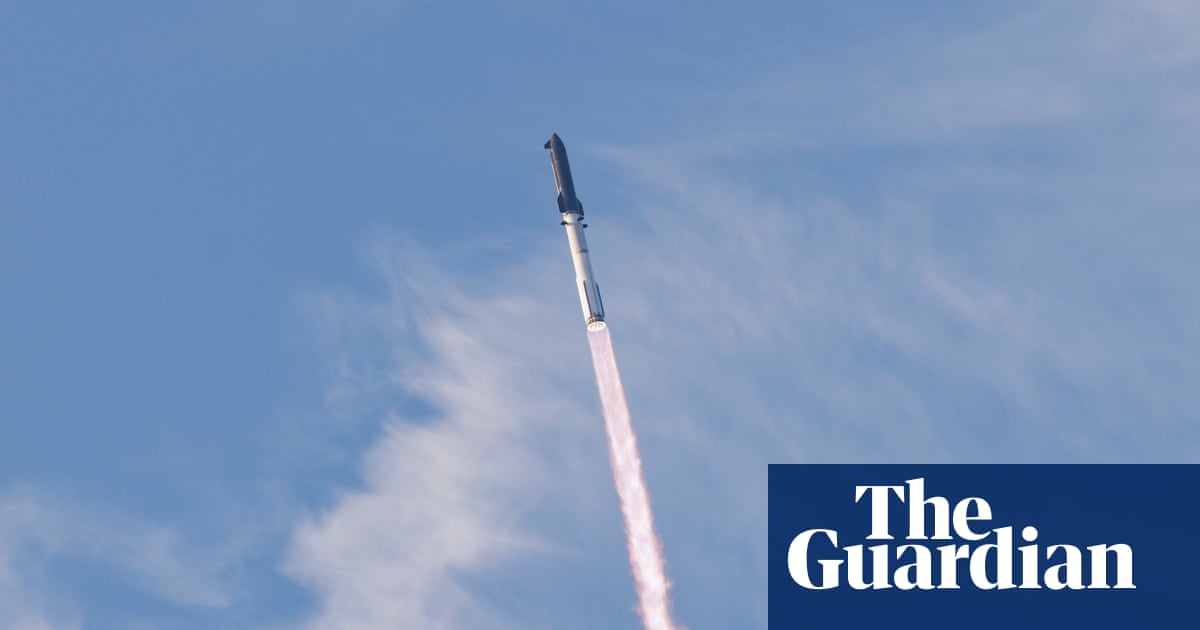
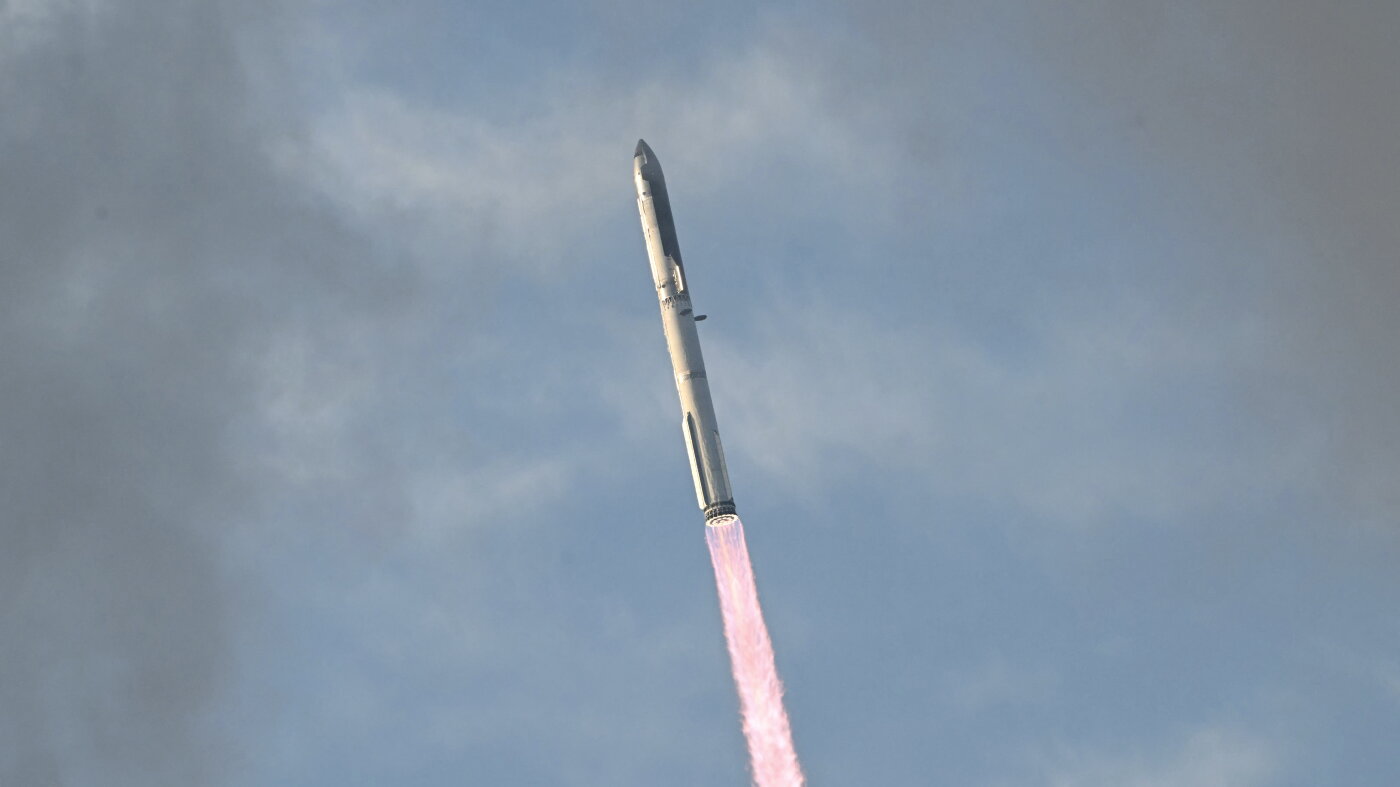
Elon Musk-led SpaceX’s Starship megarocket reached Earth orbit for the first time on Monday, marking a major milestone for the space company’s ambitious plans for the spacecraft.
asserted
megarocket → lead → spacecraft
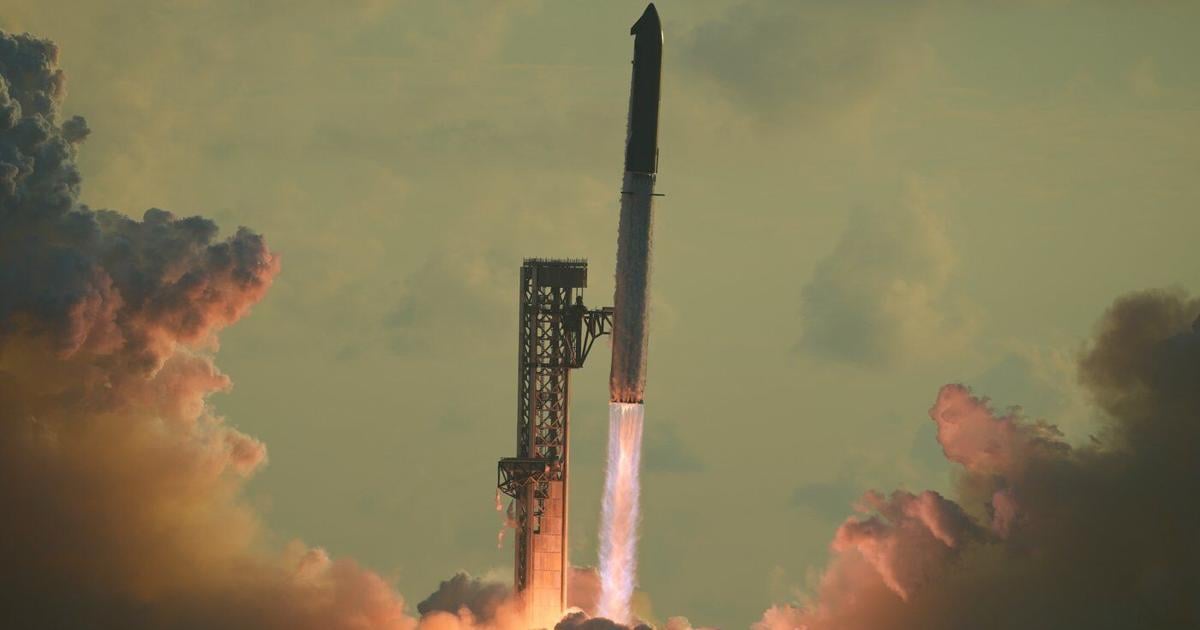
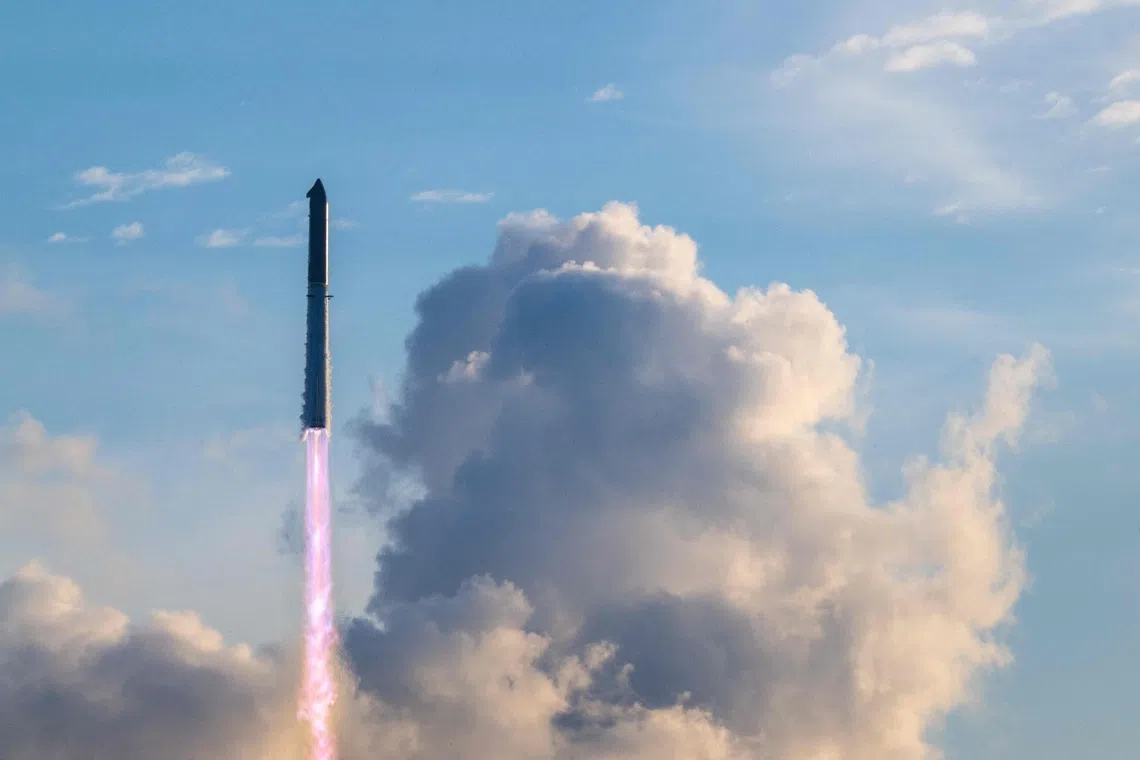
The 407-foot (124-metre) rocket lifted off from SpaceX’s launch site in southern Texas and entered orbit during its latest test flight.
The mission was designed to take Starship around Earth six times over nearly 10 hours, flying at an altitude of about 170 miles (275 km), before a planned splashdown in the Pacific Ocean near Chile.
asserted
mission → lift → Chile
Starship, which SpaceX describes as the "biggest and most powerful" rocket ever built, was also carrying 26 of the company’s latest Starlink satellites.
asserted
SpaceX → describe → satellites
The satellites were intended to be deployed in orbit and add to the more than 11,000 Starlink satellites already providing internet services.
asserted
satellites → intend → services
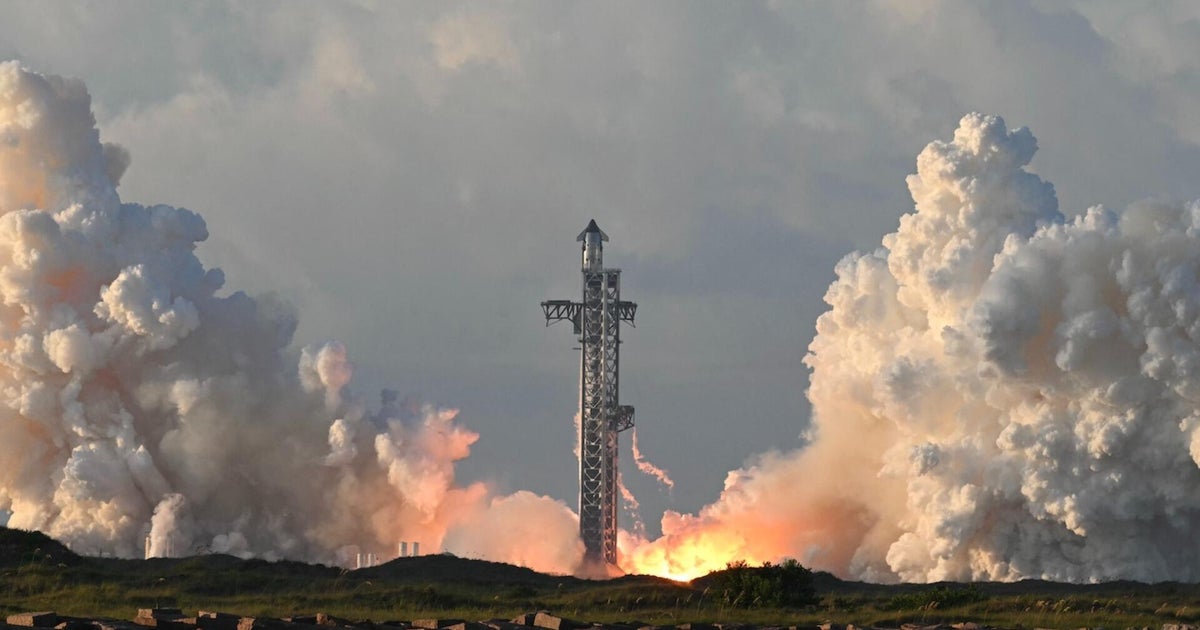
The uncrewed, 40-storey vehicle consists of a Super Heavy booster topped by the Starship spacecraft.
asserted
vehicle → consist → spacecraft
It took off at around 7.46am CT (1246 GMT) from the launch site near Brownsville, along the Gulf of Mexico (Gulf of America).
asserted
It → take → America
Starship was expected to complete six orbits of Earth during a nearly 10-hour flight before splashing down in the Pacific Ocean west of Chile.
asserted
Starship → expect → Chile
Reaching orbit is a key milestone for any rocket designed to carry payloads into space.
asserted
Reaching → reach → space
Starship has yet to achieve the feat despite years of development.
asserted
Starship → have → development
SpaceX CEO Elon Musk had earlier predicted that the spacecraft would reach orbit in 2022, followed by satellite deployments in 2023.
asserted
spacecraft → predict → 2023
Since 2023, all 13 previous Starship test flights have remained suborbital, despite nearly a decade of development and more than $15 billion in spending, according to estimates cited in the report.
uncertain
flights → remain → report
SpaceX plans to use Starship to launch Starlink satellites at a higher frequency and eventually carry astronauts and cargo for Nasa's Moon missions.
asserted
SpaceX → plan → missions
Musk has also said he wants SpaceX to eventually launch hundreds or even thousands of Starships each year, a scale of operations that would be unprecedented in the space industry.
asserted
that → say → industry
 The Aporia