That is 0 articles you have read today.
The Aporia is free and carries no advertising, so readers are the only
thing paying for it. If you are getting this much out of it, a small
donation is what keeps it independent.
Daily limit reached
You have read 0 articles today.
That is more than the 15 a day The Aporia gives away,
and well past what it can carry on nothing. Your allowance resets at
midnight.
There is no advertising here and nothing about you is sold, so readers
are the only thing paying for it. If the site is worth this much of
your day, it is worth a few dollars.
Everything else stays open: the
maps, the
directory and
search do
not count against this, and neither does re-opening something you have
already read today.
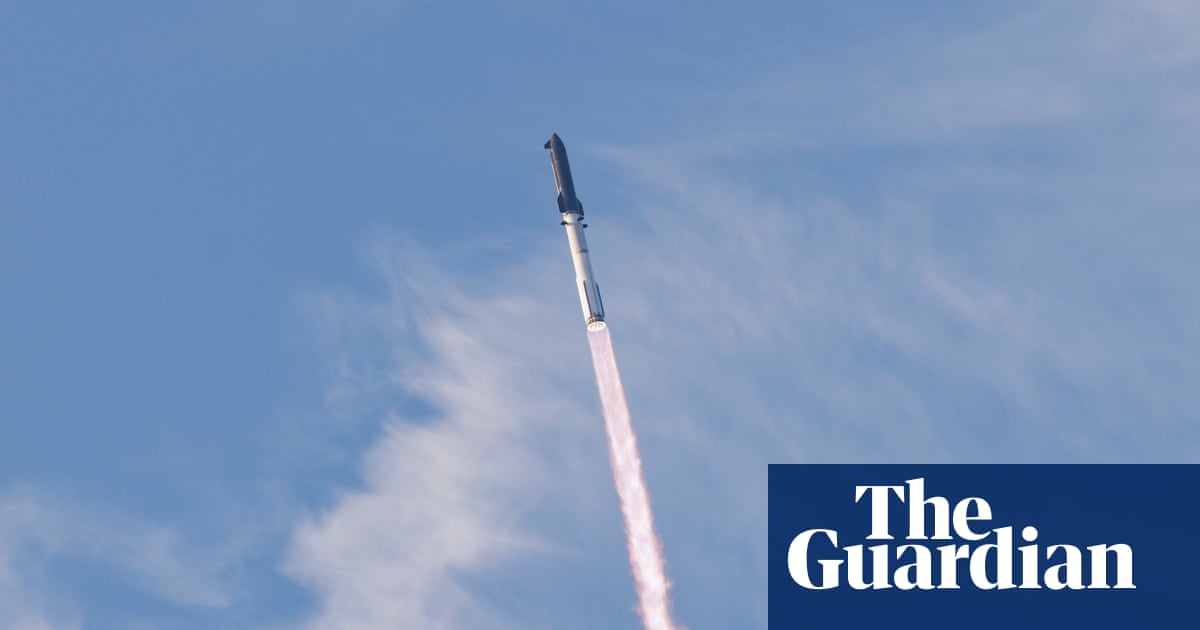
SpaceX is set to conduct its first orbital flight test of the Starship rocket on Monday morning from Starbase in Texas, aiming for six orbits around Earth over about ten hours. During this mission, SpaceX plans to deploy 26 new Starlink satellites and travel at speeds exceeding 17,500 mph, marking a significant milestone as it seeks to prove the viability of fully reusable rockets. Successful completion would not only demonstrate technological advancement but also bolster Elon Musk's vision for expanding global internet access through Starlink and reducing spaceflight costs by up to 100 times current rates.
Written locally by qwen2.5:14b on 2026-09-28,
using this article's own text rather than the other coverage of the
same event (that is the story summary below).
Story summary
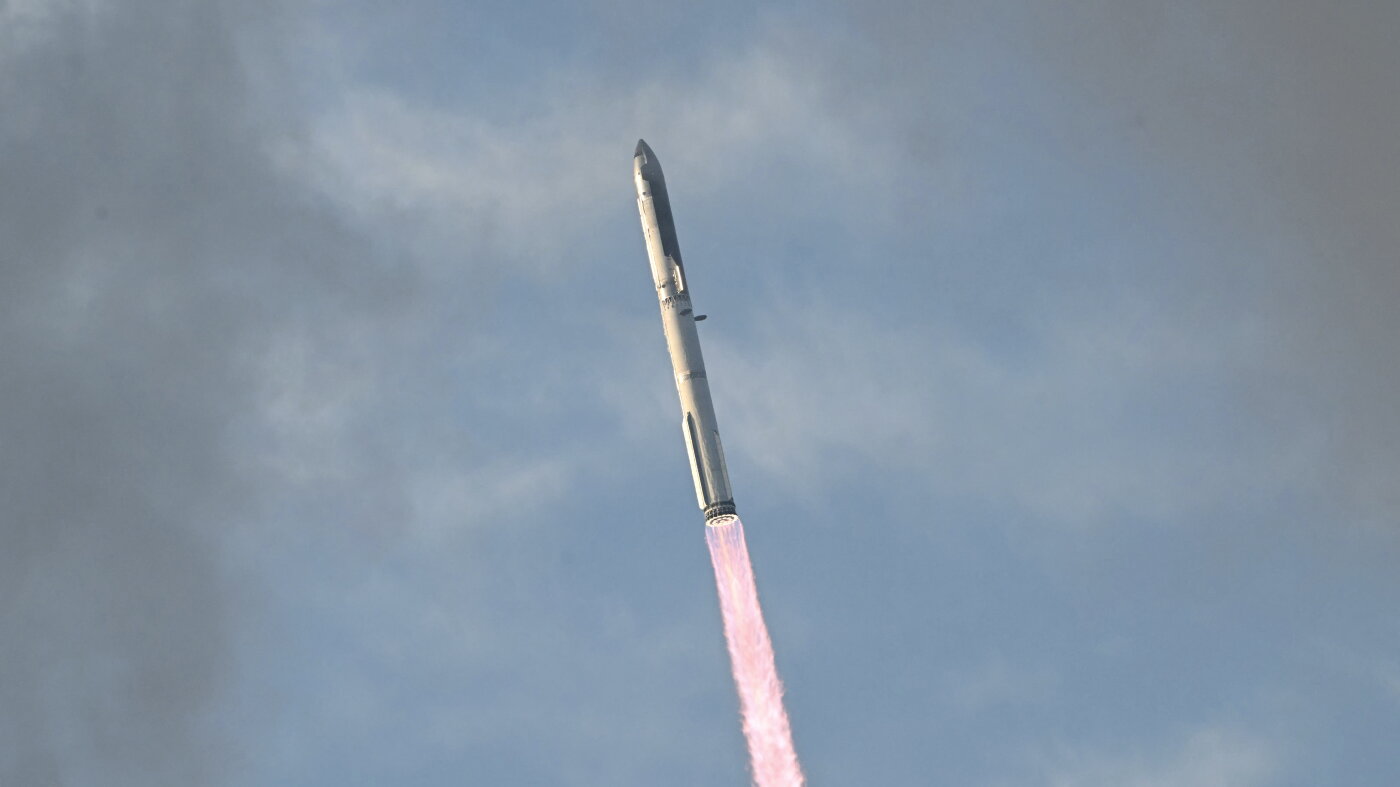
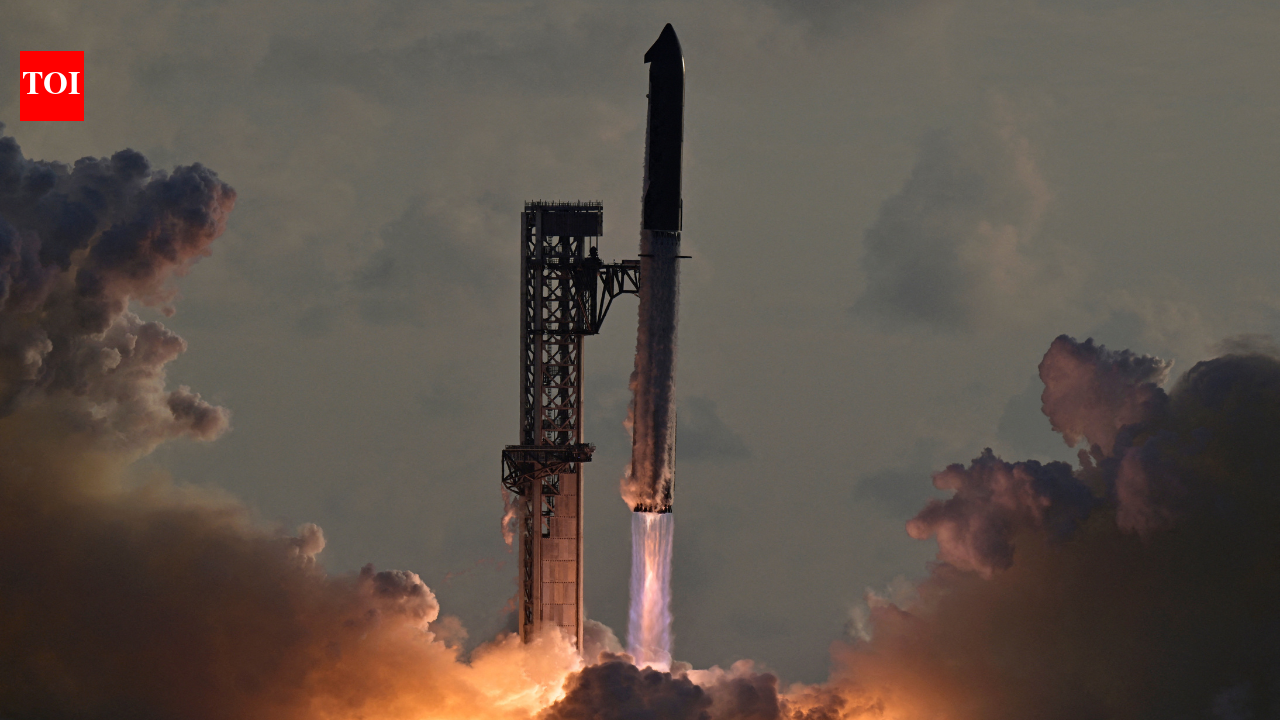
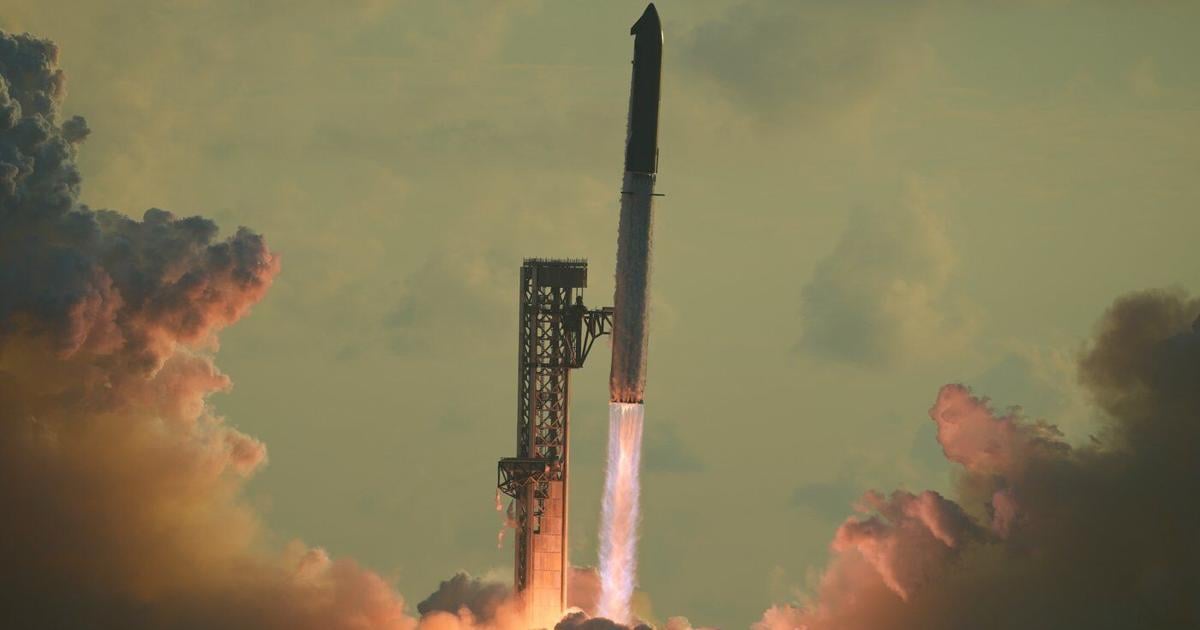
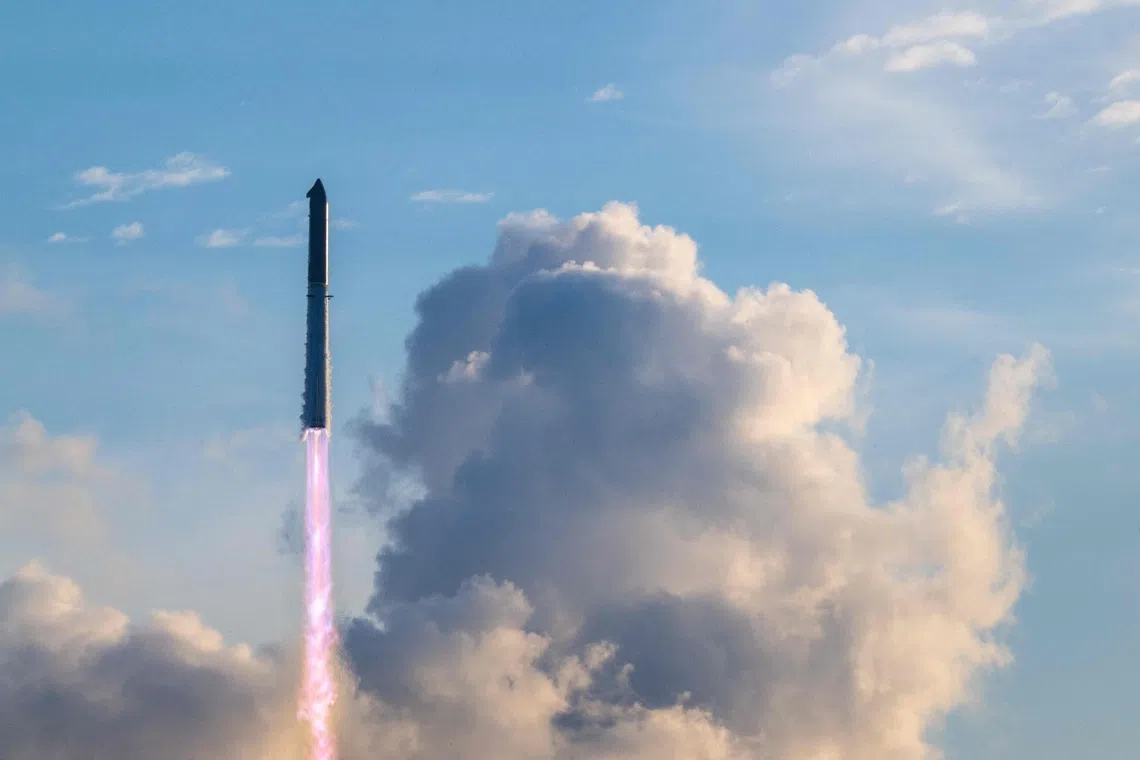
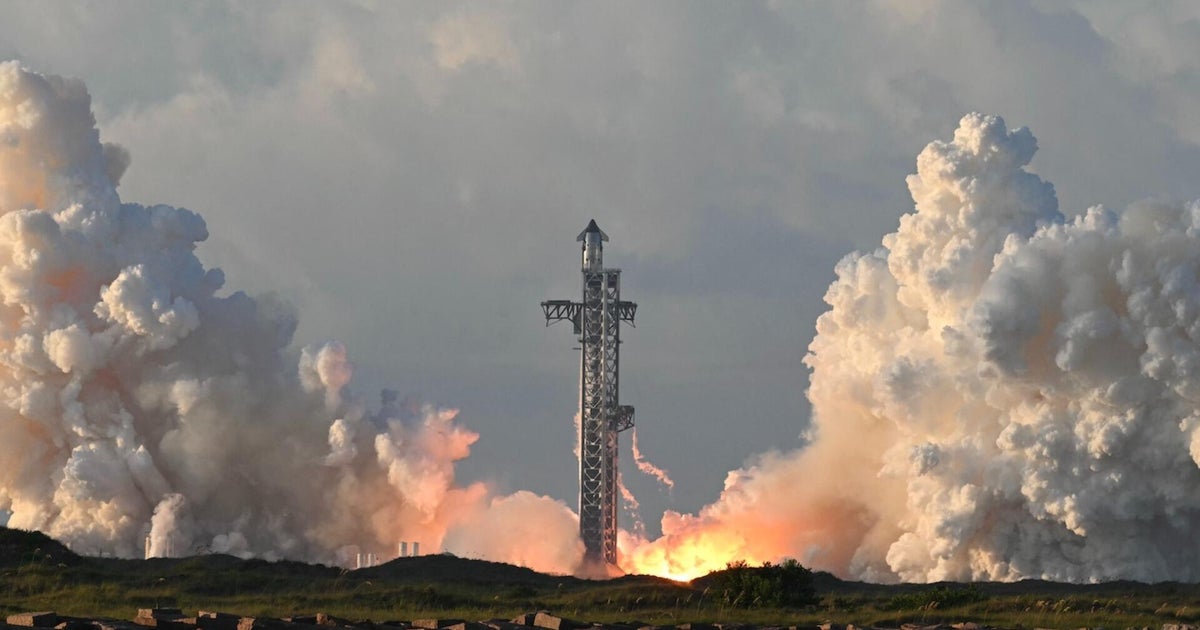
On Monday, SpaceX launched its enormous Starship, the largest and most powerful rocket ever built, from Boca Chica Beach in Texas. The mission was originally planned to last for approximately 10 hours, completing about six orbits around Earth at an altitude of roughly 170 miles (275 km) before a splashdown in the Pacific Ocean west of Chile. However, due to an engine failure shortly after launch, SpaceX decided to cut the flight short and ended it within three hours instead.
Despite initial concerns, mission control announced that "Starship is orbital," marking the first time Starship successfully achieved orbit. The spacecraft also deployed 26 of its newest Starlink satellites during this test flight, bringing the total number of active Starlinks to over 11,000, providing internet services worldwide. This historic mission aims to pave the way for future missions to the Moon and Mars under NASA’s Artemis program.
Written for “SpaceX Starship Orbital Test” on 2026-10-05,
grounded in this article and the 15 other(s) covering the same event.
Elon Musk’s SpaceX is attempting a historic mission on Monday morning, as it aims to send its Starship rocket into orbit for the first time.
asserted
it → attempt → time
Musk is looking to break records with Starship’s first orbital flight test by sending the world’s largest and most powerful rocket into orbit.
asserted
Musk → look → orbit
SpaceX is aiming for about six orbits around Earth and is expected to deploy 26 of its newest Starlink satellites during the mission, which is set to last for around 10 hours.
asserted
which → aim → hours
The Starship rocket is set to travel about 17,500 mph, more than 170 miles above Earth, after launching from SpaceX’s facilities in Starbase, Texas.
asserted
rocket → set → Starbase
The 75-minute launch window began at 8:15 a.m. ET, or 7:15 a.m. local time, from Starbase.
asserted
window → begin → Starbase
If successful, the mission would mark an operational milestone for Starship as the world’s first fully and rapidly reusable rocket to make it around the planet.
asserted
mission → mark → planet
Starship’s orbit could also be notable, as it is expected to advance Musk’s hopes of using Starship to scale Starlink and fuel his expansion of SpaceX’s vision.
uncertain
it → expect → vision
“It’s not out of the question that at some point, Starlink will deliver a majority of the world’s internet, at least in countries where we’re allowed to operate, which is the vast majority of countries,” Musk said on SpaceX’s earnings call in August.
asserted
Musk → ’ → August
The mission is poised to be a major step forward in SpaceX’s testing campaign to orbit the planet, with the latest endeavor marking the company’s 14th test flight and its first attempt to reach Earth’s orbit.
asserted
endeavor → poise → orbit
If the 10-hour flight is successful and the giant rocket survives the trip back to Earth, splashing down in the Pacific Ocean west of Chile, it would mark a feat of engineering genius, advancing Musk’s dreams of creating the world’s first fully and rapidly reusable rocket, dramatically cutting costs for space operations.
“It is so preposterously difficult that there are times when I wonder whether we can actually do this,” Musk said at the CEO Council Summit in 2021.
asserted
Musk → survive → 2021
“Most engineering lets you buy a weakness in one place with strength somewhere else,” he noted.
asserted
he → let → strength
“If full and rapid reusability can be achieved, it reduces the cost of access to orbit by a factor of 100 or more.”
asserted
it → achieve → 100
 The Aporia