Tariffs, diesel and computer chips are driving up costs for automakers
American automakers are reporting their third quarter earnings, and they're saying revenues are up, but they're also facing some serious headwinds.
Or as Mike Wall, an analyst at the automotive data company Mobility Global, put it: If this year was a book about the auto industry, "It would be a mix of suspense and thrills and maybe a little bit of comedy and a little bit of horror."
asserted
It → drive → horror
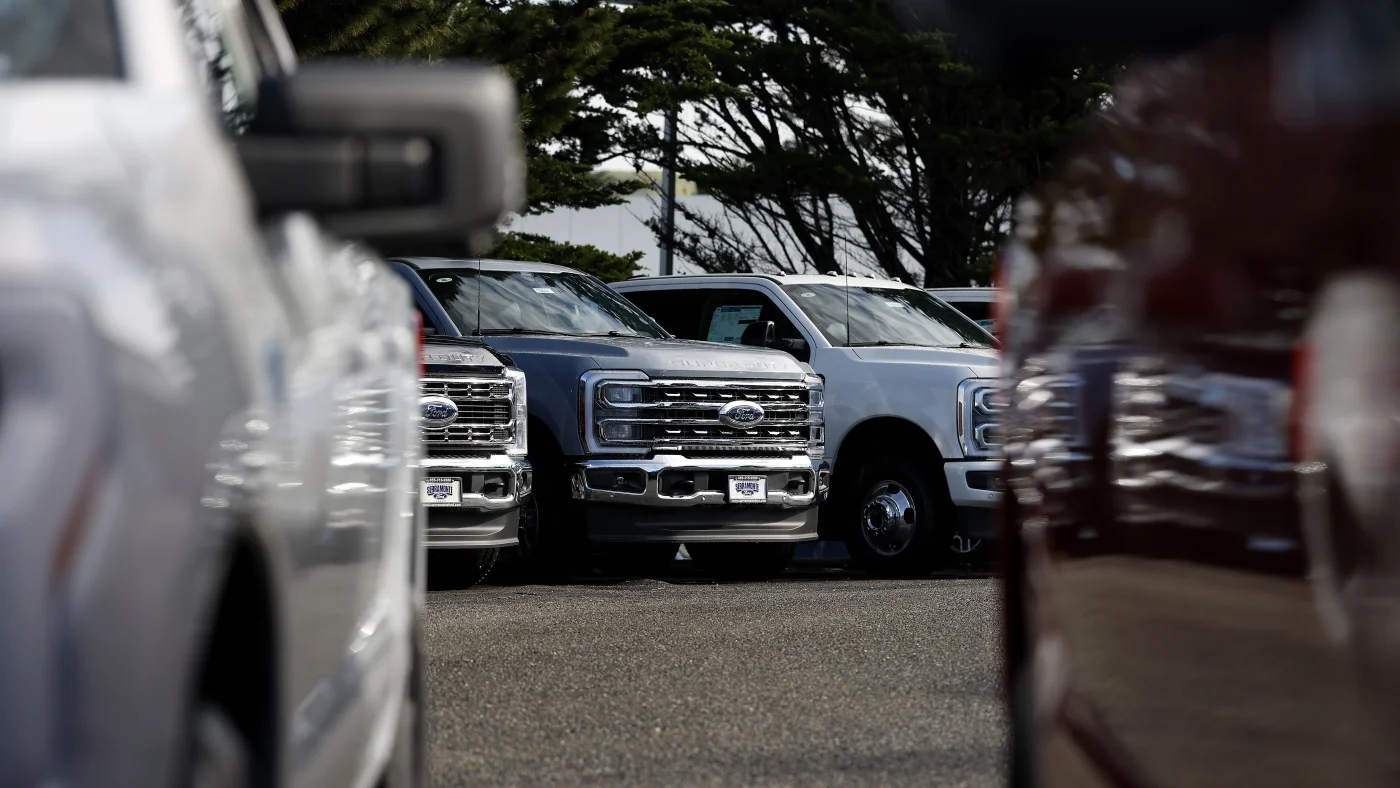
Auto companies are doing well when it comes to selling big cars and light-duty trucks.
asserted
it → do → cars
General Motors reported its sales of light-duty trucks rose 9% in the past year.
asserted
sales → report → year
Ford's F-Series trucks continue to be a company bestseller.
asserted
trucks → continue → ?
Stellantis' pickup sales in the U.S. rose 34%.
asserted
sales → rise → U.S.
And revenues overall are up: General Motors reported its revenue was up 2.9% in the past year; for Ford it was a 2% rise and Stellantis was up 1%.
asserted
Stellantis → report → Ford
To analysts, all of this signals that consumers are still buying vehicles — despite concerns about affordability.
asserted
consumers → signal → affordability
The average new vehicle transaction price was just over $50,000 in September, close to a record high, according to the Kelley Blue Book.
uncertain
price → accord → Book
Broadly speaking, customers are paying more for high-end trims and for bigger vehicles, which tend to be more profitable for the auto companies.
asserted
which → speak → companies
"Customers have been resilient amid higher fuel prices, interest rates and inflation," said Sherry Ann House, Ford's chief financial officer, on a call with investors.
asserted
House → say → investors
The Detroit Three automakers are also cautioning investors that it's getting more expensive to make cars.
asserted
it → caution → cars
Key materials like steel, copper and computer chips have all gotten pricier.
asserted
materials → get → steel
"Should we see prices at this level, it makes that more challenging heading into next year," Paul Jacobson, the chief financial officer of General Motors, said on the company's earnings call.
asserted
Jacobson → see → call
On the call for Stellantis, which owns Chrysler and Jeep, CEO Antonio Filosa noted that higher prices for memory chips and other raw materials "will be an industry-wide phenomenon to work with."
asserted
prices → own → chips
Tariffs, fuel and rising chip prices
Since 2025, the Trump administration has put additional tariffs on imported materials like steel, aluminum and copper.
asserted
administration → rise → steel
Copper, critical for a car's wiring and for electric vehicle batteries, has also grown more expensive — both because of tariffs and because there's more global demand for it, especially as the need for EV batteries grows.
asserted
need → grow → batteries
Then there are the costs of computer memory chips, which are used in a car's electronics, and are more expensive due to a tight supply chain and demand from many industries, including from AI.
asserted
which → be → AI
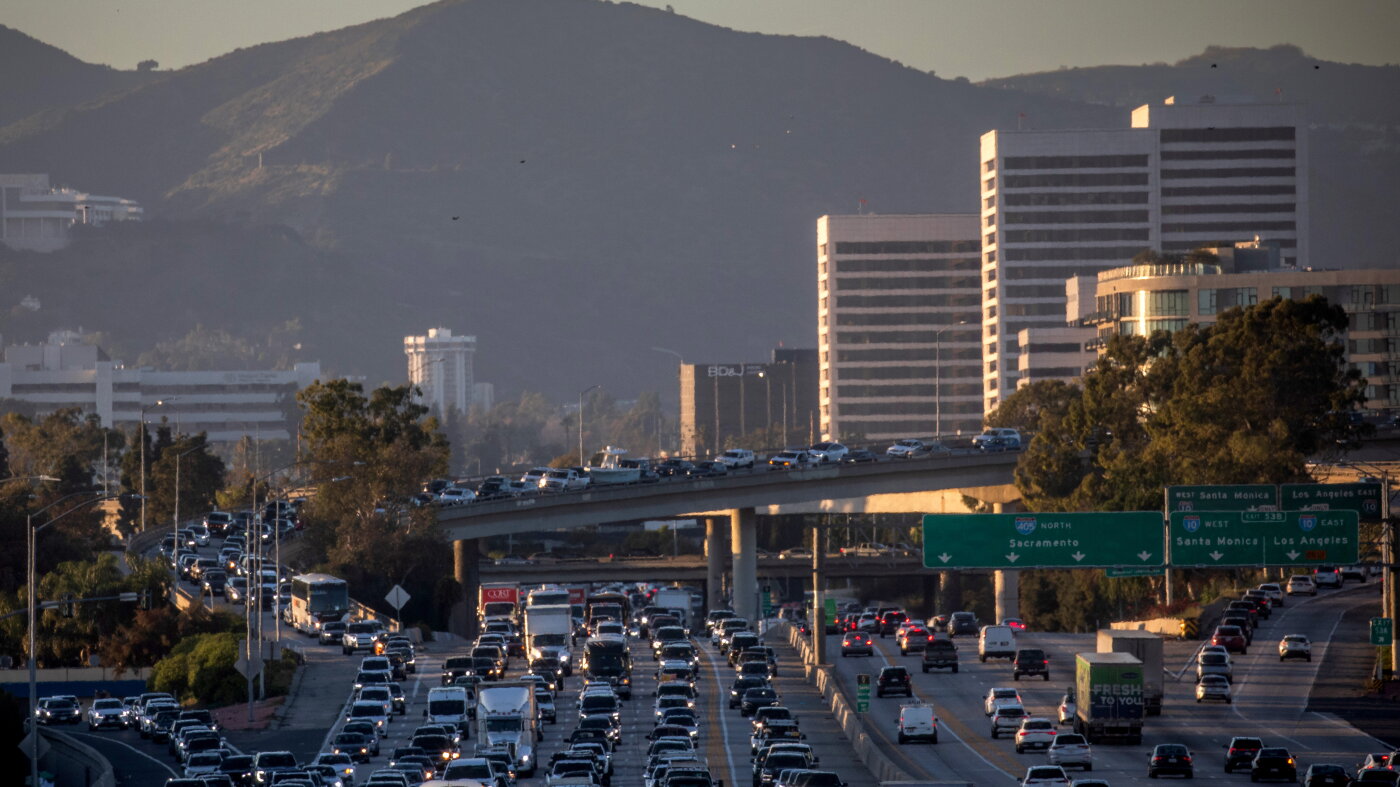
To bring vehicles from factory floors to dealerships, they get shipped on trucks, many of which run on diesel.
asserted
many → bring → diesel
The average price for a gallon has been hovering around $6.35, just short of its September all-time high, according to AAA.
uncertain
price → hover → AAA
High diesel prices play out in other ways too.
asserted
prices → play → ways
The U.S. and Canada have closely intertwined auto supply chains and parts often cross the border several times as they get shaped into a car.
asserted
they → intertwine → car
That movement becomes more expensive when fuel is pricier — and when the U.S. tariffs Canadian goods.
asserted
U.S. → become → goods
"Higher fuel prices are impacting our freight and energy costs.
asserted
prices → impact → costs
But notably, we are not seeing it impact customer demand for trucks and fleet vehicles at this point," said House, the CFO of Ford.
asserted
House → see → Ford
In a report to investors, General Motors forecast that the cost of materials including computer chips and diesel would run the company as much as $2 billion this year.
asserted
cost → forecast → billion
GM is also still paying about $2.5 billion in tariff costs, Jacobson said — which was lower than the company's earlier forecasts, partially offset thanks to tariff refunds.
asserted
which → pay → refunds
In Ford's earnings call, CEO Jim Farley noted a similar figure: "We currently expect commodities, memory and logistics costs to represent a year-over-year headwind of about $2 billion at Ford.
asserted
costs → note → Ford
Farley and House both said growth in other parts of Ford's business, as well as software services and parts, are helping offset these costs.
asserted
growth → say → costs
On their call, Stellantis executives said they would provide more information about these costs in the fourth quarter.
asserted
they → say → quarter
All of this is disruptive for an industry that is not built for high-speed changes.
asserted
that → build → changes
It takes time and money for carmakers to plan which vehicles to build, how many, and to line up supply chains.
asserted
carmakers → take → chains
This is an industry that moves at a glacial pace between generations, between vehicles, between plants," said Sam Fiorani, a vice president for Auto Forecast Solutions.
asserted
Fiorani → move → Solutions
"And so when you throw in tariffs and you throw in all kinds of disruptions between countries, it throws off the supply chain and the calculation for profit and loss."
asserted
it → throw → profit
The electric transition
This quarter marked a full year since the demise of the $7,500 federal tax credit, which incentivized car buyers to purchase electric vehicles.
asserted
which → mark → vehicles
Congress nixed it as part of the One Big Beautiful Bill Act, and the credit ended on Sept. 30, 2025.
asserted
credit → nix → Sept.
Data from the car analytics platforms Edmunds and Cox Automotive shows that after the credit went away, EV sales dropped nationally.
asserted
sales → show → platforms
Tesla, which only makes EVs, reported that their global sales fell during the quarter, compared with the same period last year.
asserted
sales → make → period
General Motors reported that its third quarter sales were down 6% overall compared to the previous year, partly because of the "smaller EV market."
asserted
sales → report → market
On GM's call, Jacobson singled out the end of the tax credit as a reason for lower EV sales.
asserted
Jacobson → single → sales
He said the company plans to keep making electric vehicles, and that it's "right-sizing" its capacity and aligning its production with demand.
asserted
it → say → demand
…and 33 more, not listed.
 The Aporia