That is 0 articles you have read today.
The Aporia is free and carries no advertising, so readers are the only
thing paying for it. If you are getting this much out of it, a small
donation is what keeps it independent.
Daily limit reached
You have read 0 articles today.
That is more than the 15 a day The Aporia gives away,
and well past what it can carry on nothing. Your allowance resets at
midnight.
There is no advertising here and nothing about you is sold, so readers
are the only thing paying for it. If the site is worth this much of
your day, it is worth a few dollars.
Everything else stays open: the
maps, the
directory and
search do
not count against this, and neither does re-opening something you have
already read today.
Swiss voters will decide on September 27 whether to adopt a stricter definition of neutrality in their constitution that would prohibit economic sanctions and peacetime cooperation with NATO. The Swiss People’s Party (SVP) advocates for this change, arguing that Switzerland's traditional stance has been undermined by recent sanctions against Russia. However, opinion polls indicate that only 31% support the proposal while 68% oppose it, citing current practices as effective without needing constitutional reform.
Written locally by qwen2.5:14b on 2026-09-27,
using this article's own text rather than the other coverage of the
same event (that is the story summary below).
Story summary
On September 27, Swiss voters rejected a right-wing party's proposal to tighten the country’s neutrality laws, with over 70% voting against stricter rules. The initiative, championed by the Swiss People’s Party (SVP), aimed to prevent Switzerland from joining or cooperating with military alliances like NATO and imposing economic sanctions unless mandated by the United Nations. This move was seen as a response to perceived shifts in Swiss policy towards closer alignment with the EU and NATO, particularly due to the country's imposition of sanctions on Russia after its invasion of Ukraine. Despite support from Moscow, the proposal failed across all 26 cantons, reinforcing existing policies that allow for flexibility in applying neutrality principles amidst geopolitical changes.
Written for “Swiss Neutrality Vote Rejecting Tight…” on 2026-10-05,
grounded in this article and the 10 other(s) covering the same event.
Swiss voters will decide on Sept 27 whether to approve a more restrictive form of neutrality that would block their country from imposing economic sanctions or cooperating with NATO.
asserted
that → decide → NATO
The country is holding a referendum on whether a strictly defined version of neutrality should be written into its constitution.
asserted
version → hold → constitution
While Swiss neutrality has been internationally recognised since the end of the Napoleonic wars in 1815, how the government implements it is not spelled out.
asserted
implements → recognise → it
The right-wing Swiss People’s Party (SVP) has said that Switzerland’s traditional position has been eroded after Bern imposed sanctions on Russia following its invasion of Ukraine.
asserted
Bern → say → Ukraine
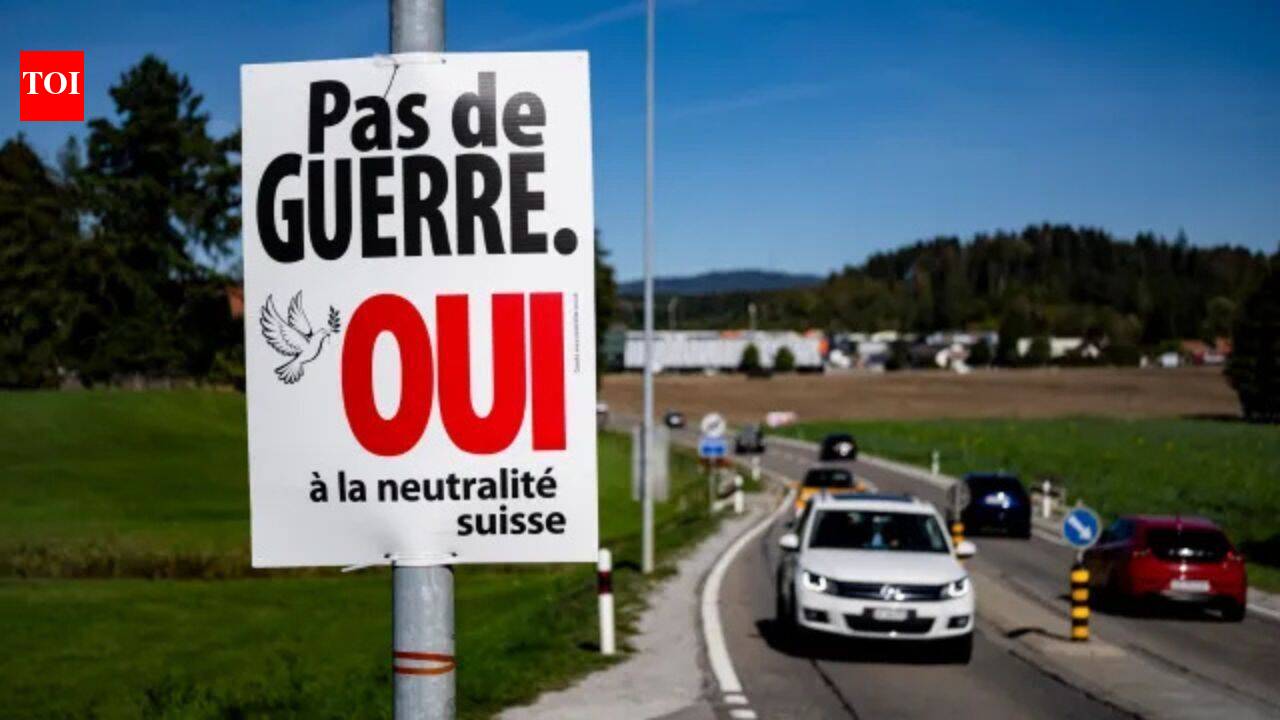
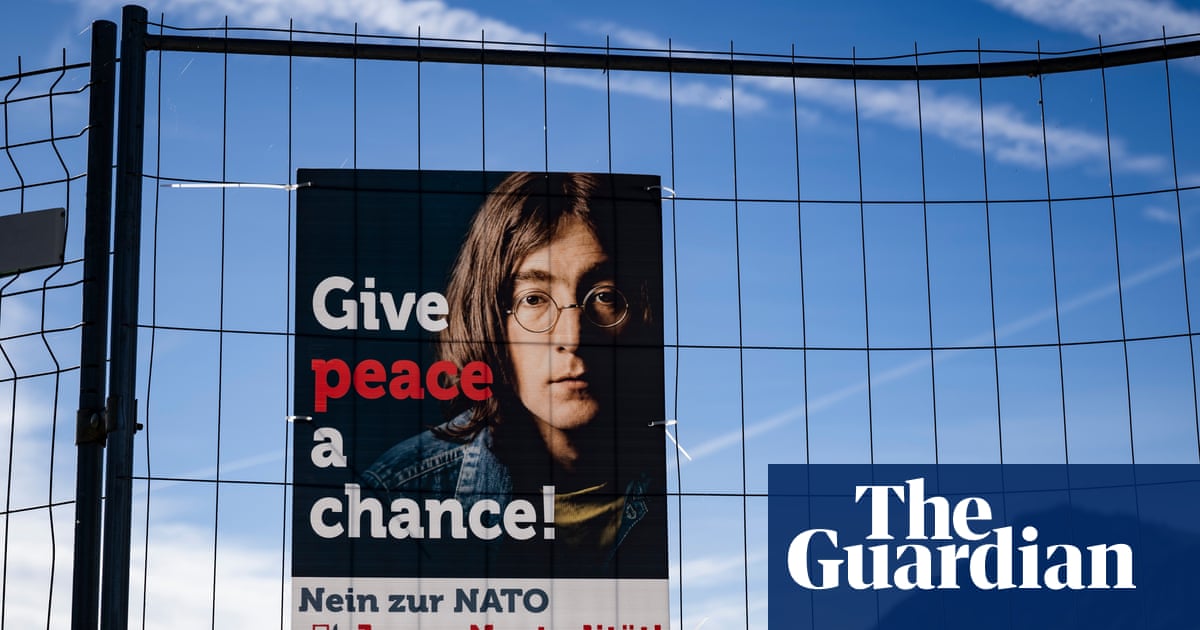
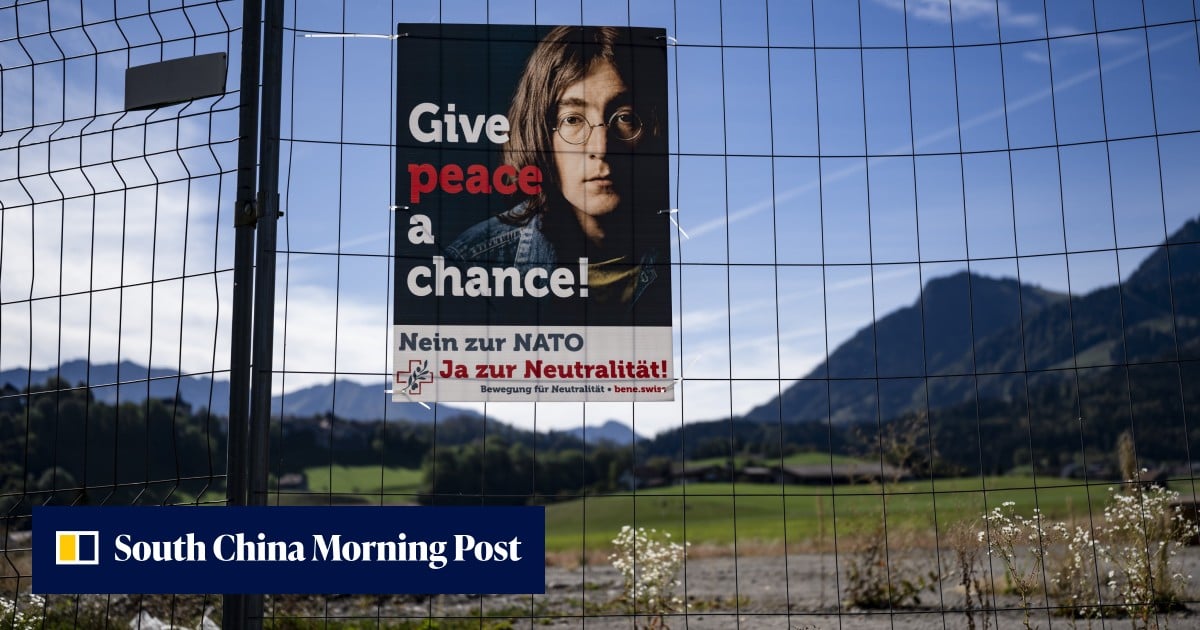
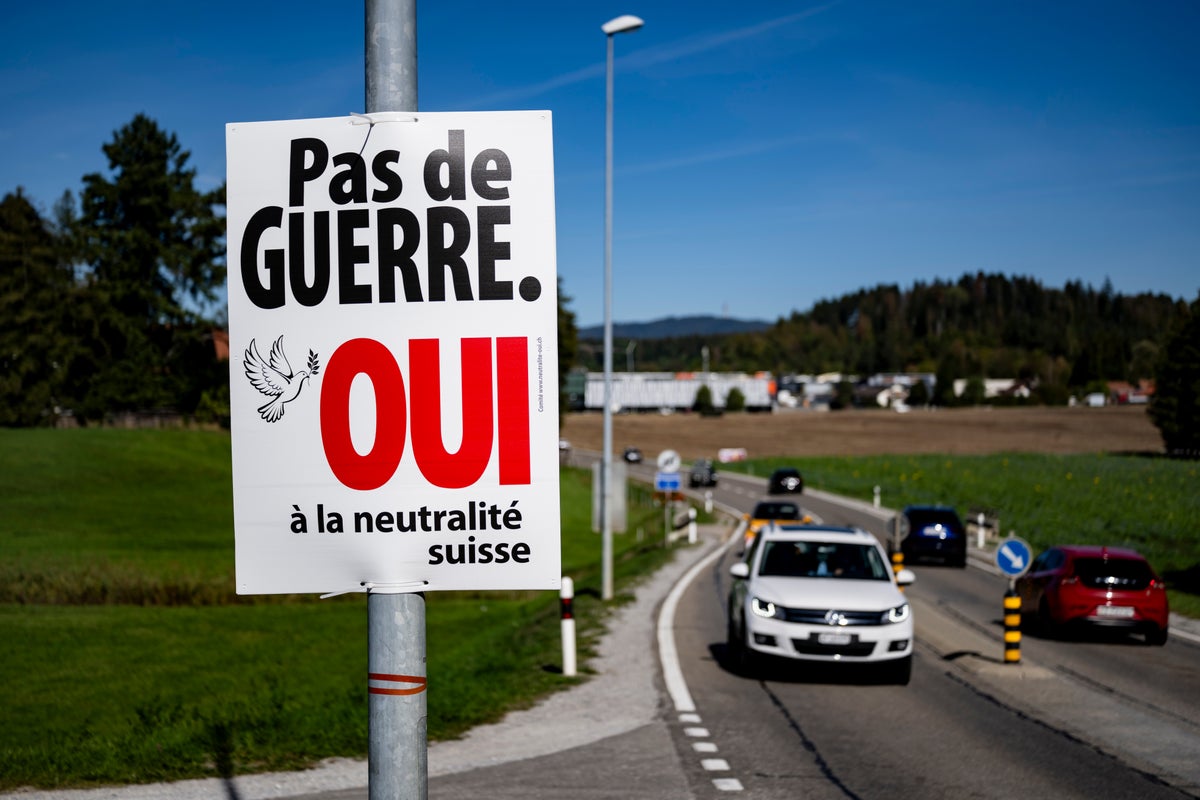
The campaign has funded posters across the country urging people to vote “No war, yes to neutrality”, featuring white peace doves ahead of the vote.
asserted
campaign → fund → vote
Still, opinion polls suggest voters will reject the proposal, with one of the latest surveys showing 68 per cent against with 31 per cent in favour.
asserted
one → suggest → favour
Fabio Wasserfallen, a professor of European Politics at the University of Bern, said: “Swiss voters like neutrality, but they approve of how the government is implementing it at present.
asserted
government → say → present
“They are also generally in favour of the sanctions on Russia over the war in Ukraine, and don’t want that to change.”
asserted
that → want → Ukraine
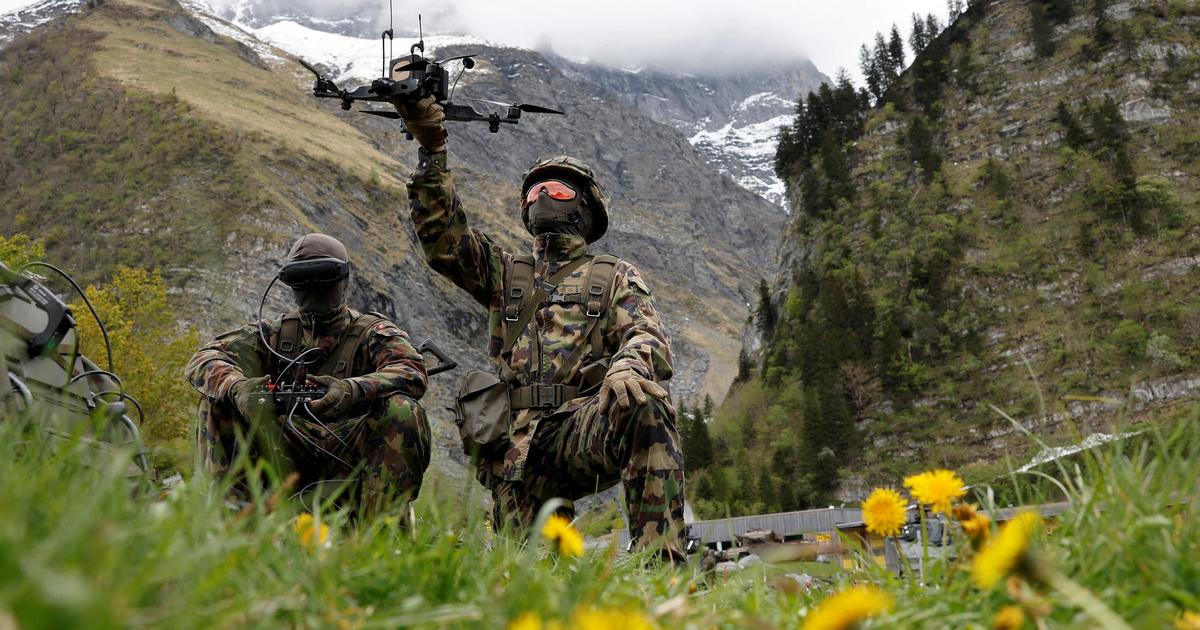
The campaign wants the constitution to stipulate that Switzerland cannot join or cooperate with any military or defence alliance unless attacked, and that it refrain from joining any sanctions unless approved by the United Nations.
asserted
it → want → Nations
It says Swiss neutrality has served the country well in the past, keeping it out of both world wars, and also helps Bern offer its ‘good offices’ to help negotiate peace between warring parties.
asserted
Bern → say → parties
“Switzerland has not had a war for 200 years because it is permanently armed and neutral,” said Christoph Blocher, the billionaire businessman and backer of the SVP.
asserted
Blocher → have → SVP
“But neutrality has been followed less and less in recent years,” he told Reuters, with Russia now seeing Switzerland as a party to the conflict because of the sanctions.
asserted
Russia → follow → sanctions
Apart from the SVP, most parties and the Swiss government oppose the proposal, with Foreign Minister Ignazio Cassis saying it would harm national security and prevent it from training with NATO.
asserted
it → oppose → NATO
 The Aporia