That is 0 articles you have read today.
The Aporia is free and carries no advertising, so readers are the only
thing paying for it. If you are getting this much out of it, a small
donation is what keeps it independent.
Daily limit reached
You have read 0 articles today.
That is more than the 15 a day The Aporia gives away,
and well past what it can carry on nothing. Your allowance resets at
midnight.
There is no advertising here and nothing about you is sold, so readers
are the only thing paying for it. If the site is worth this much of
your day, it is worth a few dollars.
Everything else stays open: the
maps, the
directory and
search do
not count against this, and neither does re-opening something you have
already read today.
Swiss voters rejected a proposal to tighten the nation's neutrality policy in a nationwide referendum, with 70% voting against the measure. The initiative, supported by the right-wing Swiss People’s Party, would have restricted Switzerland from imposing sanctions independently or cooperating closely with military alliances unless directly threatened. Critics argued that this could weaken Switzerland’s security and independence, while proponents believed it was necessary to protect neutrality in a shifting geopolitical landscape.
Written locally by qwen2.5:14b on 2026-09-28,
using this article's own text rather than the other coverage of the
same event (that is the story summary below).
Story summary
On September 27, Swiss voters rejected a right-wing party's proposal to tighten the country’s neutrality laws, with over 70% voting against stricter rules. The initiative, championed by the Swiss People’s Party (SVP), aimed to prevent Switzerland from joining or cooperating with military alliances like NATO and imposing economic sanctions unless mandated by the United Nations. This move was seen as a response to perceived shifts in Swiss policy towards closer alignment with the EU and NATO, particularly due to the country's imposition of sanctions on Russia after its invasion of Ukraine. Despite support from Moscow, the proposal failed across all 26 cantons, reinforcing existing policies that allow for flexibility in applying neutrality principles amidst geopolitical changes.
Written for “Swiss Neutrality Vote Rejecting Tight…” on 2026-10-05,
grounded in this article and the 10 other(s) covering the same event.
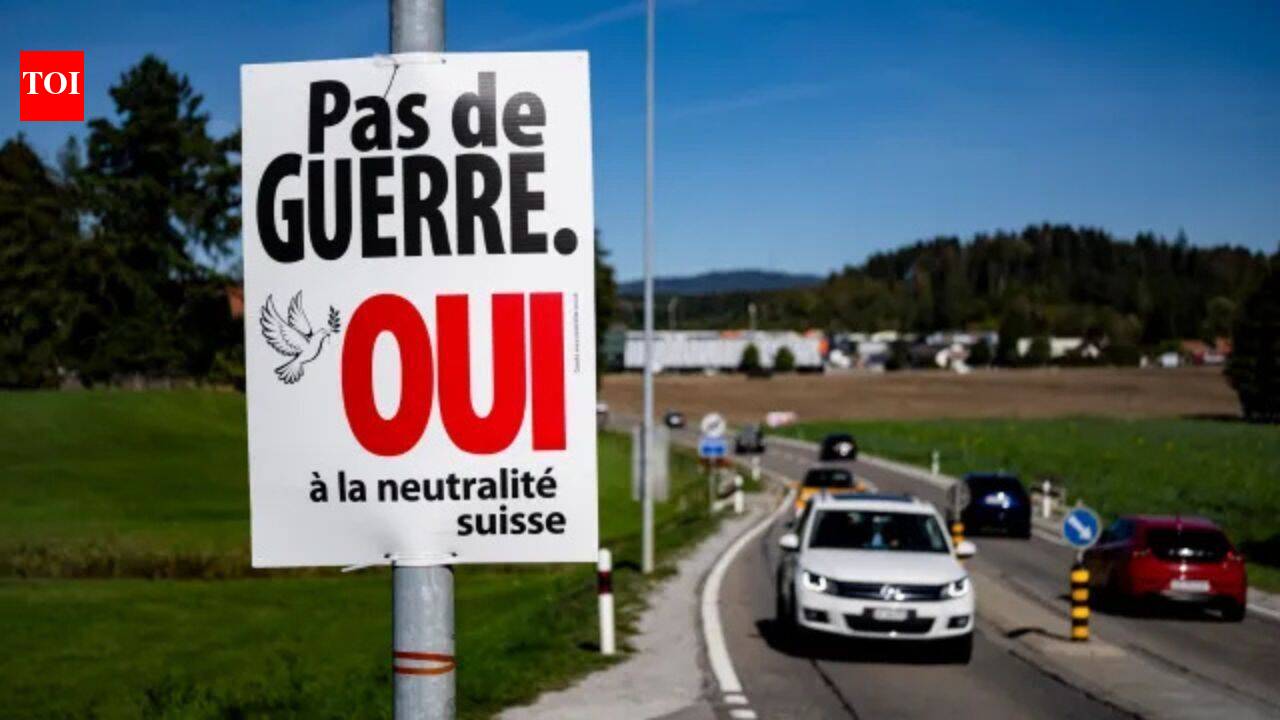
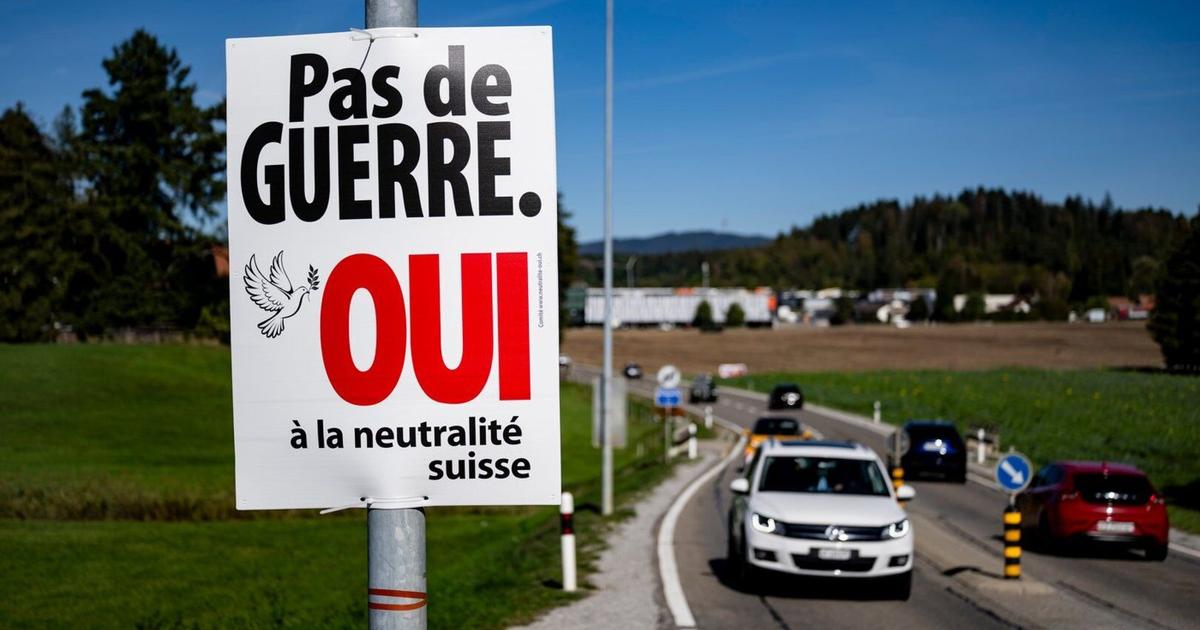
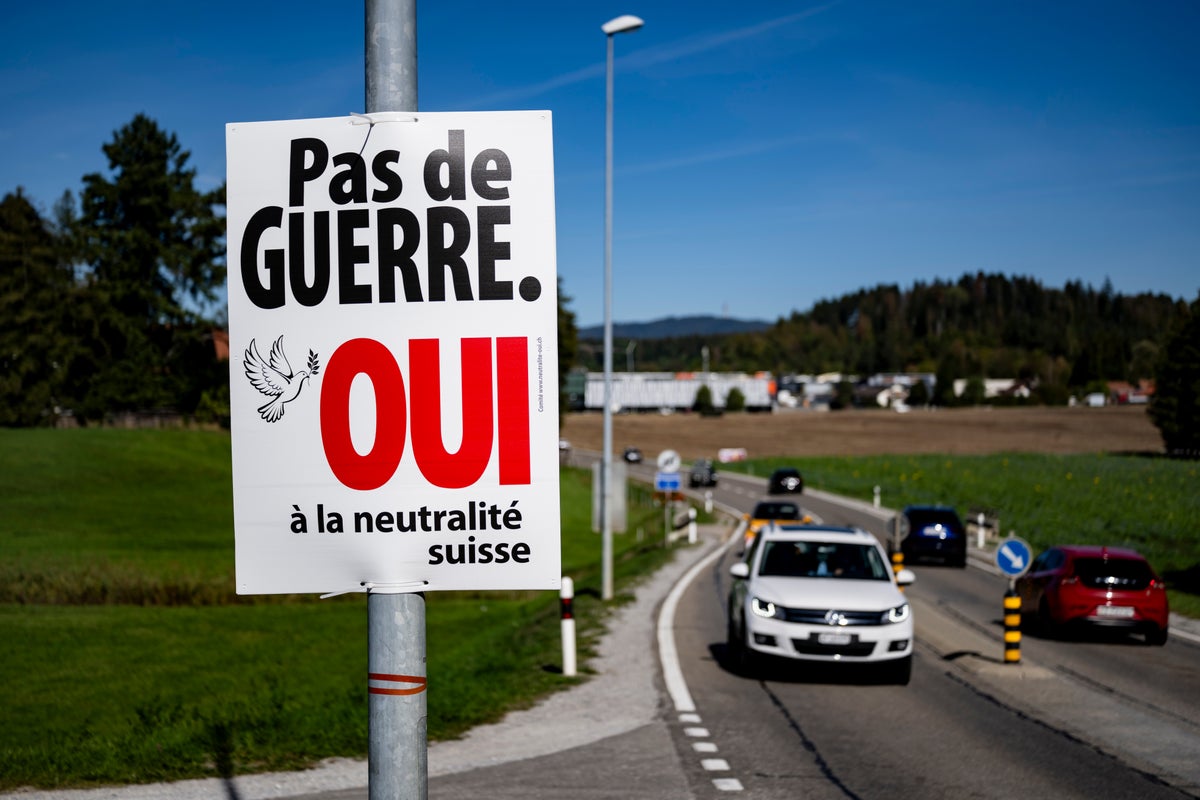
Switzerland has voted against a proposal aimed at tightening the country's long-standing policy of neutrality, with 70 per cent of voters rejecting the measure in a nationwide referendum on Sunday.
asserted
cent → vote → Sunday
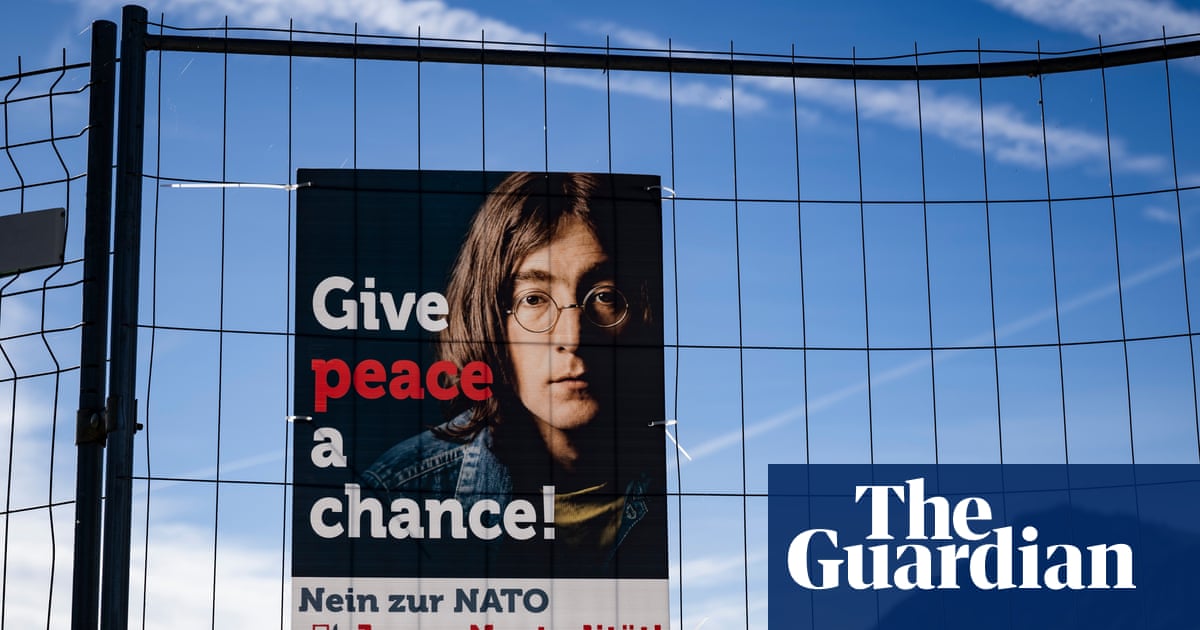
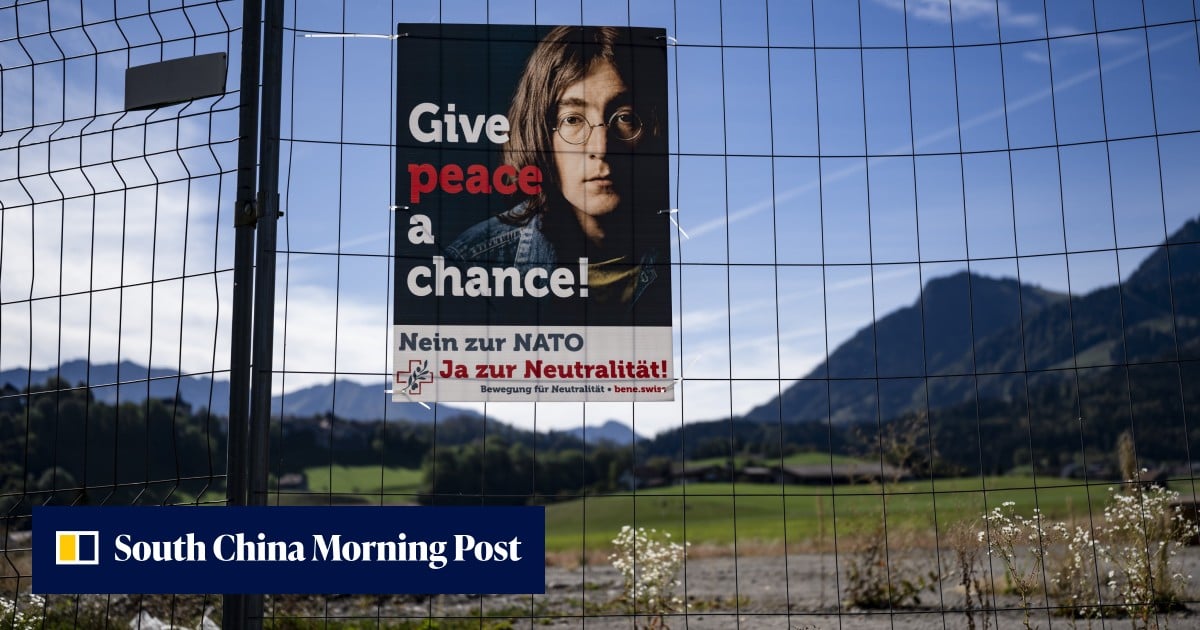
The proposal was backed by the right-wing Swiss People’s Party, whose supporters argued that Switzerland had moved too close to the European Union and Nato, particularly because of its response to Russia’s war in Ukraine.
asserted
Switzerland → back → Ukraine
The measure was rejected by majorities in all 26 Swiss regions, according to final results released by the Swiss government.
What the proposal sought to change
The initiative would have restricted Switzerland from joining sanctions against other countries unless those measures had been imposed by the
United Nations.
uncertain
measures → reject → countries
That would have significantly affected Switzerland’s ability to impose sanctions independently.
asserted
That → affect → sanctions
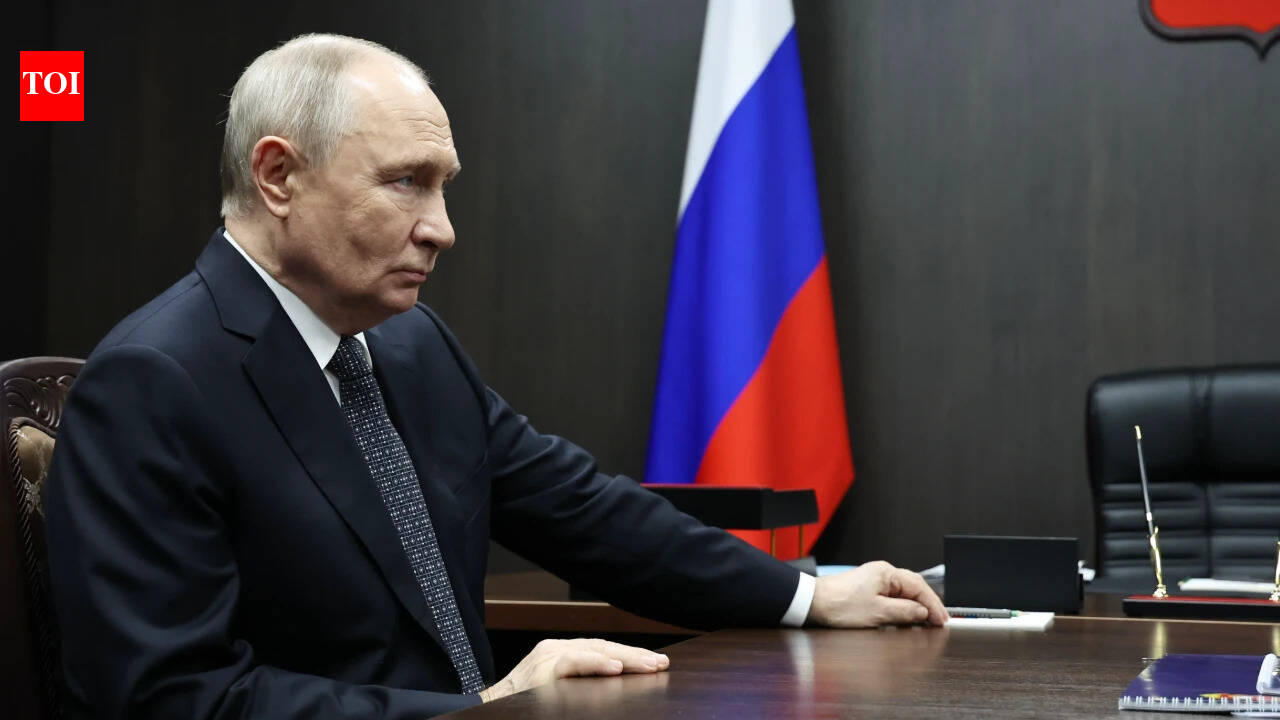
Russia, one of the five permanent members of the UN Security Council, has veto power over decisions by the council.
asserted
Russia → have → council
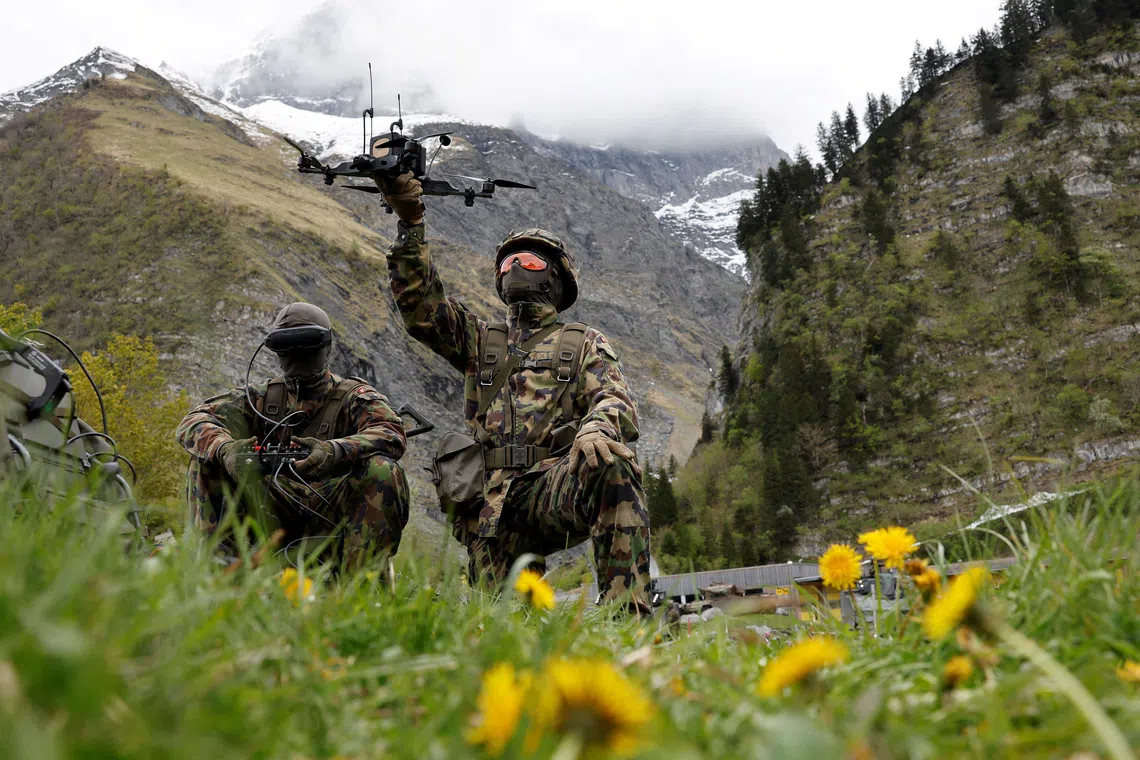
The proposal also sought to limit Switzerland’s cooperation with military alliances.
asserted
proposal → seek → alliances
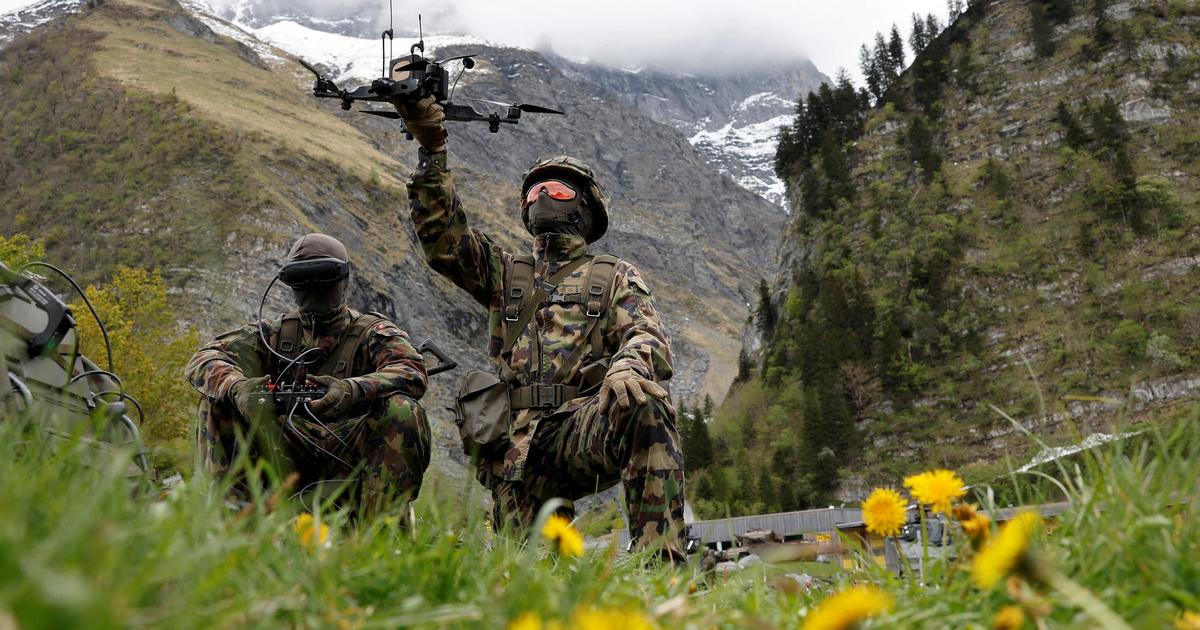
Switzerland is not a member of NATO, but it has worked with the alliance for around three decades.
asserted
it → work → decades
Under the proposed rules, cooperation with a military alliance would generally have been prohibited unless Switzerland itself faced a threat.
asserted
Switzerland → propose → threat
Debate over Switzerland’s neutrality
Supporters said the government had moved “dangerously close” to the EU and Nato and argued that this could weaken Switzerland’s security and ability to act independently.
uncertain
this → say → security
The proposal followed Switzerland’s decision to adopt EU sanctions against Russia after its invasion of Ukraine.
asserted
proposal → follow → Ukraine
Swiss neutrality has been part of the country’s constitutional framework since the 19th century, but there has been a long-running debate over what neutrality should mean in a changing security environment.
asserted
neutrality → run → environment
Opponents of the proposal argued that the federal government already had enough flexibility to protect Switzerland’s interests and respond to security threats.
asserted
government → argue → threats
Voters divided over security
Security concerns
asserted
Voters → divide → concerns
Ruth Bolomey, a 65-year-old retiree originally from Hawaii, said she voted for the initiative.
asserted
she → say → initiative
“I believe we need neutrality and should keep neutrality for security reasons — for the people.”
New York native Jihad Azkoul, 78, voted against the proposal.
asserted
Azkoul → believe → proposal
He said his decision was influenced by concerns over how Switzerland would respond if Russia attacked.
asserted
Russia → say → concerns
“the question of what happens if Russia attacks us — would we be, would we get protection from our neighbors?”
asserted
we → happen → neighbors
The country’s system of direct democracy allows citizens to vote several times a year on proposed changes to laws and government policy.
asserted
citizens → allow → laws
 The Aporia