That is 0 articles you have read today.
The Aporia is free and carries no advertising, so readers are the only
thing paying for it. If you are getting this much out of it, a small
donation is what keeps it independent.
You have read 0 articles today.
That is more than the 15 a day The Aporia gives away,
and well past what it can carry on nothing. Your allowance resets at
midnight.
There is no advertising here and nothing about you is sold, so readers
are the only thing paying for it. If the site is worth this much of
your day, it is worth a few dollars.
Everything else stays open: the front page, the
directory and search do
not count against this, and neither does re-opening something you have
already read today.
Photo via Toronto Star
Voters in Switzerland decide on right-wing party's proposal to tighten neutrality rules
Keaten, J. (2026, September 27). Voters in Switzerland decide on right-wing party's proposal to tighten neutrality rules. Toronto Star. https://www.thestar.com/news/world/europe/voters-in-switzerland-decide-on-right-wing-party-s-proposal-to-tighten-neutrality-rules/article_ad49587f-f07b-520f-89b9-167734ea21e6.html
Keaten, Jamey. “Voters in Switzerland decide on right-wing party's proposal to tighten neutrality rules.” Toronto Star, 27 Sept. 2026, https://www.thestar.com/news/world/europe/voters-in-switzerland-decide-on-right-wing-party-s-proposal-to-tighten-neutrality-rules/article_ad49587f-f07b-520f-89b9-167734ea21e6.html.
Keaten, Jamey. “Voters in Switzerland decide on right-wing party's proposal to tighten neutrality rules.” Toronto Star, September 27, 2026. https://www.thestar.com/news/world/europe/voters-in-switzerland-decide-on-right-wing-party-s-proposal-to-tighten-neutrality-rules/article_ad49587f-f07b-520f-89b9-167734ea21e6.html.
Dated when The Aporia collected the article, usually within hours of publication. Check the original for its exact date and byline.
Toronto Star
· collected 2026-09-27 · by Jamey Keaten
Quick Summary
Swiss voters are casting ballots on a proposal by the right-wing populist Swiss People’s Party to strengthen the country's longstanding policy of neutrality. The party argues that Switzerland has become too aligned with the European Union and NATO, particularly in light of Russia’s invasion of Ukraine. Proponents aim to reinforce Switzerland’s commitment to its neutral stance, which has been part of the constitution since the mid-19th century but has recently faced scrutiny over its contemporary relevance.
Written by AI on 2026-09-27,
from this article's own text only (the story summary below draws on all the coverage).
On September 27, Swiss voters rejected a right-wing party's proposal to tighten the country’s neutrality laws, with over 70% voting against stricter rules. The initiative, championed by the Swiss People’s Party (SVP), aimed to prevent Switzerland from joining or cooperating with military alliances like NATO and imposing economic sanctions unless mandated by the United Nations. This move was seen as a response to perceived shifts in Swiss policy towards closer alignment with the EU and NATO, particularly due to the country's imposition of sanctions on Russia after its invasion of Ukraine. Despite support from Moscow, the proposal failed across all 26 cantons, reinforcing existing policies that allow for flexibility in applying neutrality principles amidst geopolitical changes.
Written for “Swiss Reject Tighter Neutrality Rules Referendum” on 2026-11-18,
grounded in this article and the 10 other(s) covering the same event.
One AI summary per outlet of its latest article on this story, written from that article alone and checked against it. Open the article for the outlet's own words.
Toronto StarThis outlet27 Sep
Swiss voters are casting ballots on a proposal by the right-wing populist Swiss People’s Party to strengthen the country's longstanding policy of neutrality. The party argues that Switzerland has become too aligned with the European Union and NATO, particularly in light of Russia’s invasion of Ukraine. Proponents aim to reinforce Switzerland’s commitment to its neutral stance, which has been part of the constitution…
Voters in Switzerland decide on right-wing party's proposal to tighten neutrality rules (this article)The Straits Times27 Sep
Swiss voters will decide on September 27 whether to adopt a stricter definition of neutrality in their constitution that would prohibit economic sanctions and peacetime cooperation with NATO. The Swiss People’s Party (SVP) advocates for this change, arguing that Switzerland's traditional stance has been undermined by recent sanctions against Russia. However, opinion polls indicate that only 31% support the proposal…
On Sunday, Swiss voters rejected a proposal to adopt stricter neutrality rules that would have prevented Switzerland from imposing economic sanctions or cooperating with NATO. Over two-thirds of voters opposed the measure, which aimed to define neutrality more rigidly in the constitution. The right-wing SVP party initiated this referendum, arguing that traditional Swiss neutrality has been eroded by recent…
Swiss voters rejected a proposal that would have required stricter adherence to neutrality rules, limiting cooperation with NATO and imposing restrictions on sanctions against Russia. With about 70% of voters opposing the measure across all cantons, the initiative promoted by the far-right Swiss People’s Party was defeated. The government and most political parties opposed the measure, arguing it would isolate…
Swiss voters rejected proposals that would have limited the country’s ability to impose sanctions without UN approval and to pursue closer ties with NATO, as part of a broader debate on the nation’s neutrality sparked by Russia's invasion of Ukraine. The initiative, backed by the right-wing Swiss People's Party and opposed by the federal government and other major parties, was defeated with over 70% voting against…
Swiss voters rejected a referendum on Sunday that aimed to tighten the country’s neutrality rules, with 70.1% voting against it. The initiative was backed by a right-wing populist party and criticized by opponents as being “pro-Russian.” Despite Switzerland’s long-standing commitment to neutrality, the proposal sparked debate about its modern interpretation. Foreign Minister Ignazio Cassis emphasized that the…
Swiss voters rejected stricter neutrality measures on Sunday, which would have prevented sanctions against Russia and limited cooperation with NATO, by a 70-30% margin. The proposal was endorsed by the Kremlin but failed to gain substantial support among Swiss citizens. This outcome is seen as a setback for Russia’s diplomatic goals in Europe. Additionally, voters will consider another measure in November that could…
Swiss voters rejected a proposal to tighten the nation's neutrality policy in a nationwide referendum, with 70% voting against the measure. The initiative, supported by the right-wing Swiss People’s Party, would have restricted Switzerland from imposing sanctions independently or cooperating closely with military alliances unless directly threatened. Critics argued that this could weaken Switzerland’s security and…
Swiss voters rejected a proposal by the Swiss People’s Party aimed at reinforcing the country's neutrality, with 70% voting against it. The initiative would have restricted Switzerland's ability to enforce international sanctions unless authorized by the UN, citing concerns about the country's recent alignment with NATO and EU policies regarding Russia. Despite some voter support for stricter neutrality, security…
Switzerland held a referendum on September 27, 2026, where over 70% of voters rejected an initiative proposed by Pro Schweiz and the Swiss People’s Party aiming to tighten the country's neutrality policy. This initiative sought constitutional changes following Switzerland's participation in EU sanctions against Russia due to its invasion of Ukraine. Historically, Switzerland has maintained a flexible approach to…
Swiss voters rejected a proposal by the Swiss People's Party to reinforce the country’s neutrality, with 70% voting against it in a recent referendum. The initiative aimed to restrict Switzerland from participating in punitive measures against other countries unless authorized by the United Nations, which Russia could veto through its UN Security Council membership. The vote highlights ongoing debates about…
Swiss voters rejected a proposal to tighten the country's neutrality rules in a referendum.26384
The initiative was backed by the right-wing Swiss People’s Party, which argued that Switzerland had moved too close to the EU and NATO.534
Framing
How the first headlines put it
The Toronto Star frames the event as a decision on a right-wing party's proposal to tighten neutrality rules, while The Guardian emphasizes that voters rejected stricter neutrality rules that would curb NATO cooperation.15
The South China Morning Post and Times of India highlight the rejection of tighter neutrality rules backed by a right-wing populist party, whereas The Independent focuses on rejecting a proposal to strengthen neutrality without specifying details about tightening rules.638
Stated as fact7
The headlines (7)
Voters in Switzerland decide on right-wing party's proposal to tighten neutrality rules Toronto Star · stated as fact
Swiss vote on tightening neutrality rules, ending peacetime cooperation with NATO The Straits Times · stated as fact
Swiss voters reject tighter neutrality rules that would have curbed NATO co-operation CBC · stated as fact
Swiss voters reject stricter neutrality rules that would curb Nato cooperation The Guardian · stated as fact
Switzerland rejects stricter interpretation of its neutrality BBC · stated as fact
Swiss reject tighter neutrality rules in referendum backed by right-wing populist party South China Morning Post · stated as fact
Swiss vote down neutrality measures Semafor · stated as fact
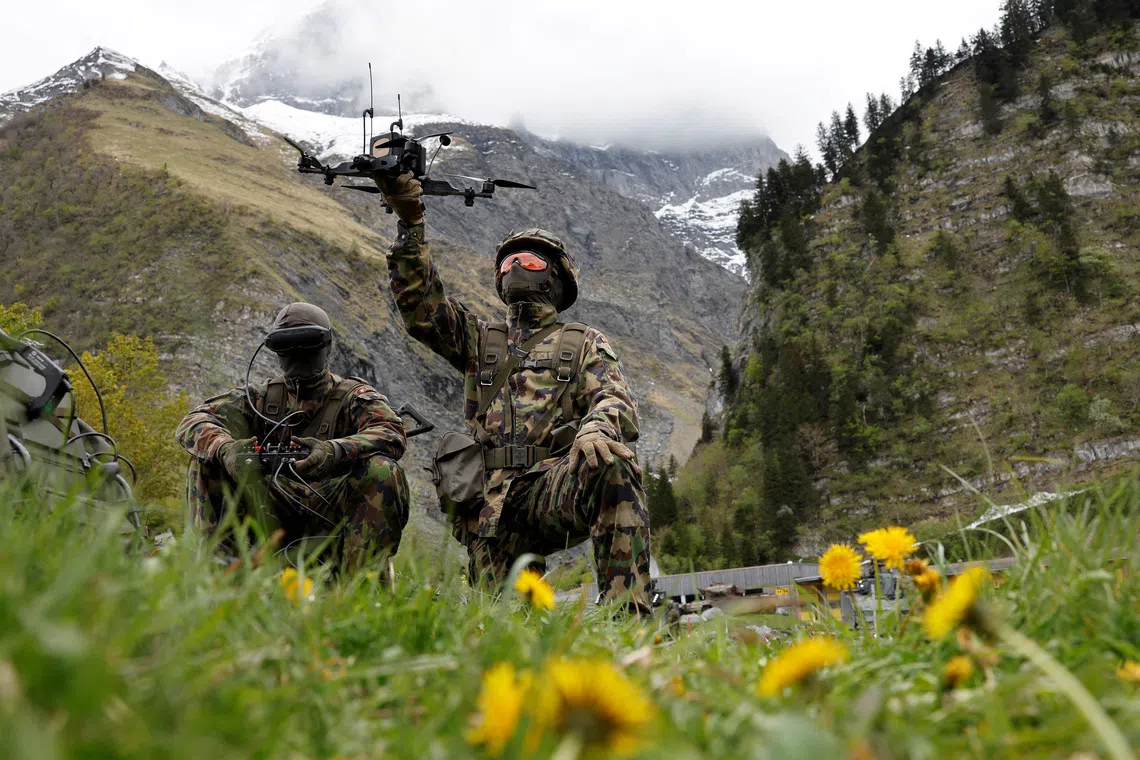
GENEVA (AP) — Killer robots and drones come up for a reckoning this week as government envoys rev up a discussion and could decide whether to launch negotiations toward setting rules for use of the deadly machines — or not.
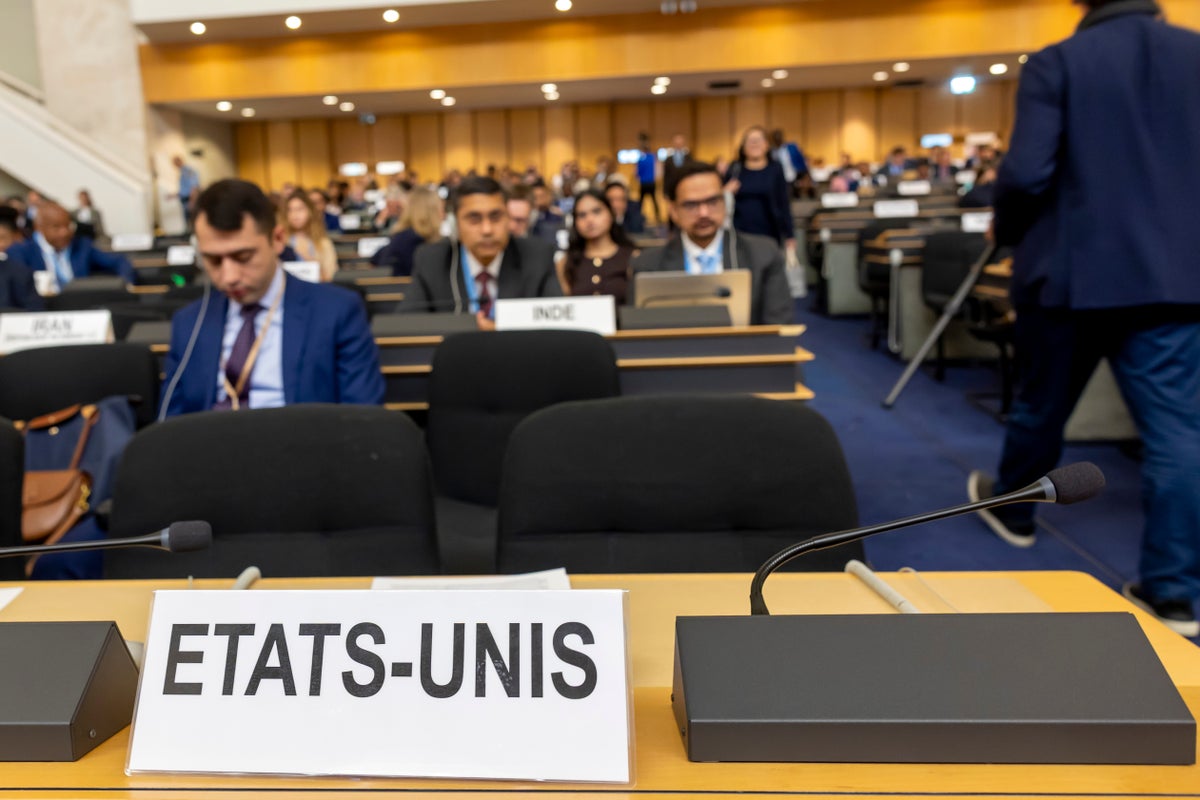
The United States is expected to become the first country on Tuesday to refuse, in full, a scheduled examination of its human rights record by the U.N.'s top rights body since that body was created two decades ago.
Speaking to the AP by phone, Alexandre Coissac, IOM Chief of Mission in Djibouti, said others buried by fellow migrants will not be added to the official count until authorities can verify the bodies.
There have been questions and concerns about the death of the 28-year-old woman, identified in Russian media as Darya Shipilova, amid speculation she died of pneumonic plague and that her death may be connected pathogens she worked with at the Irkutsk Anti-Plague Research Institute of Siberia and the Far East.
Wadephul expressed openness to a better relationship but said it required a genuine willingness from Russia’s leadership to end the war in Ukraine, according to the official.
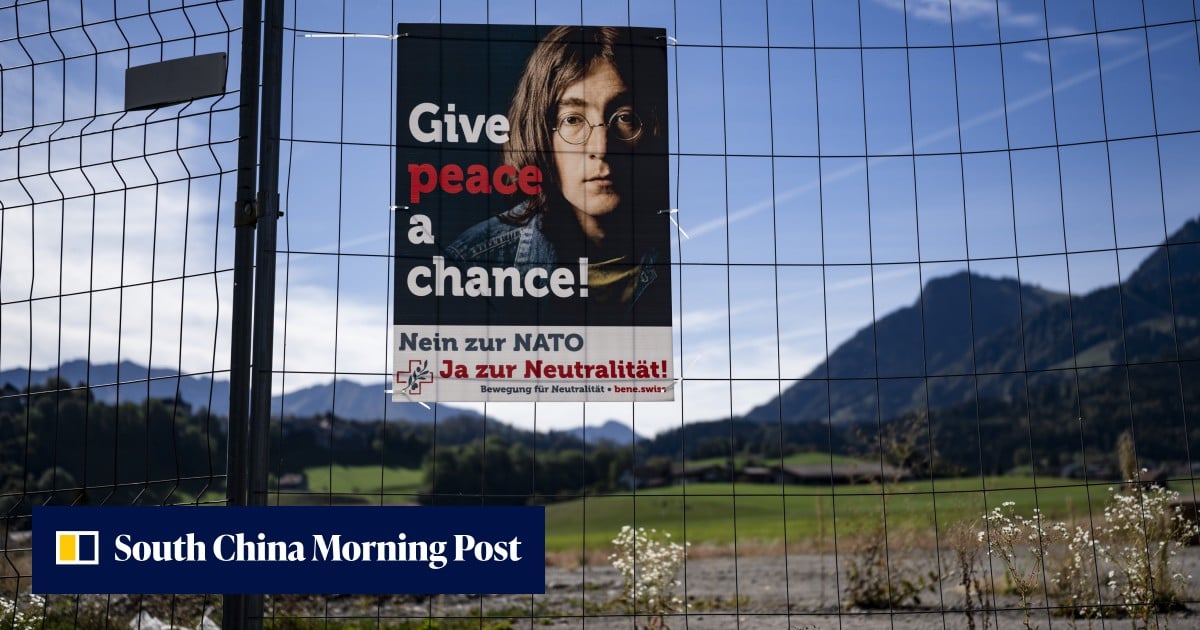
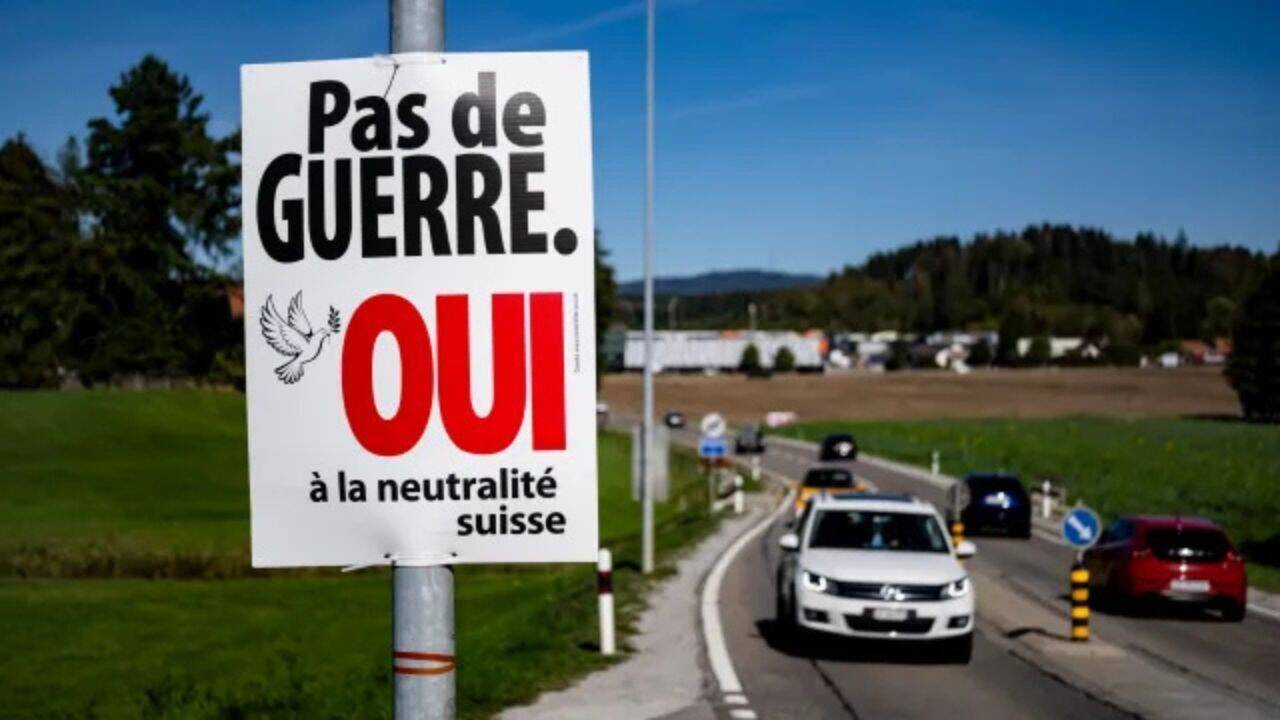
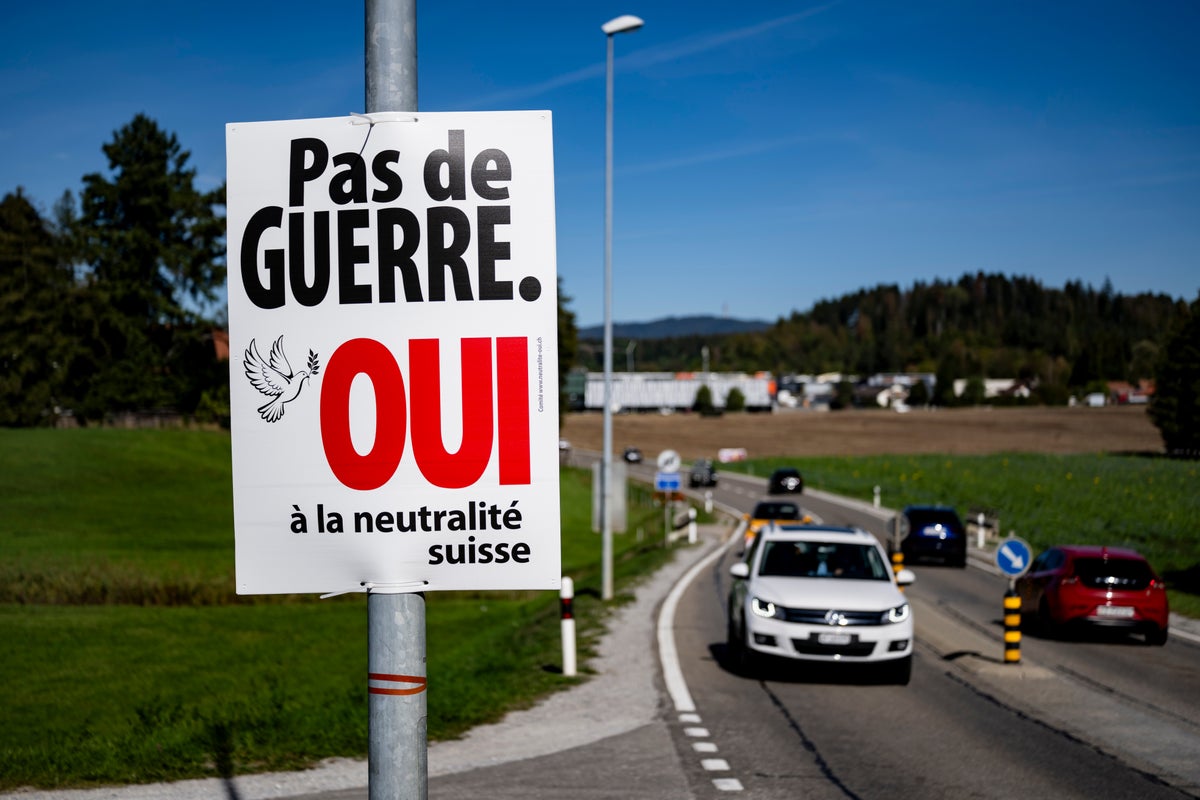
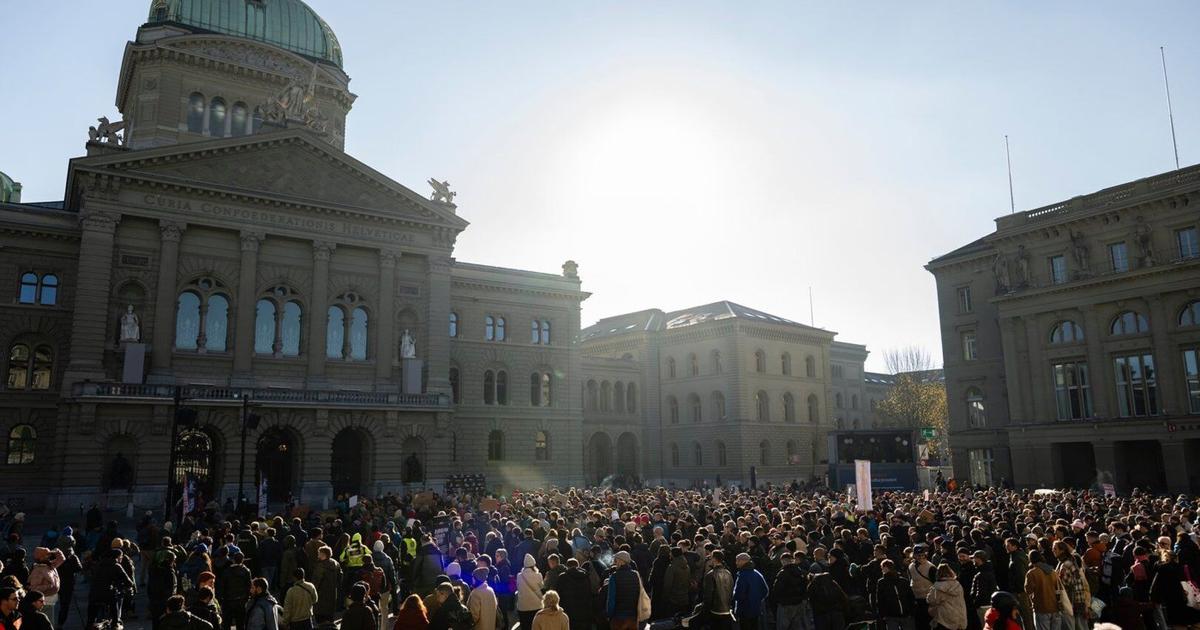
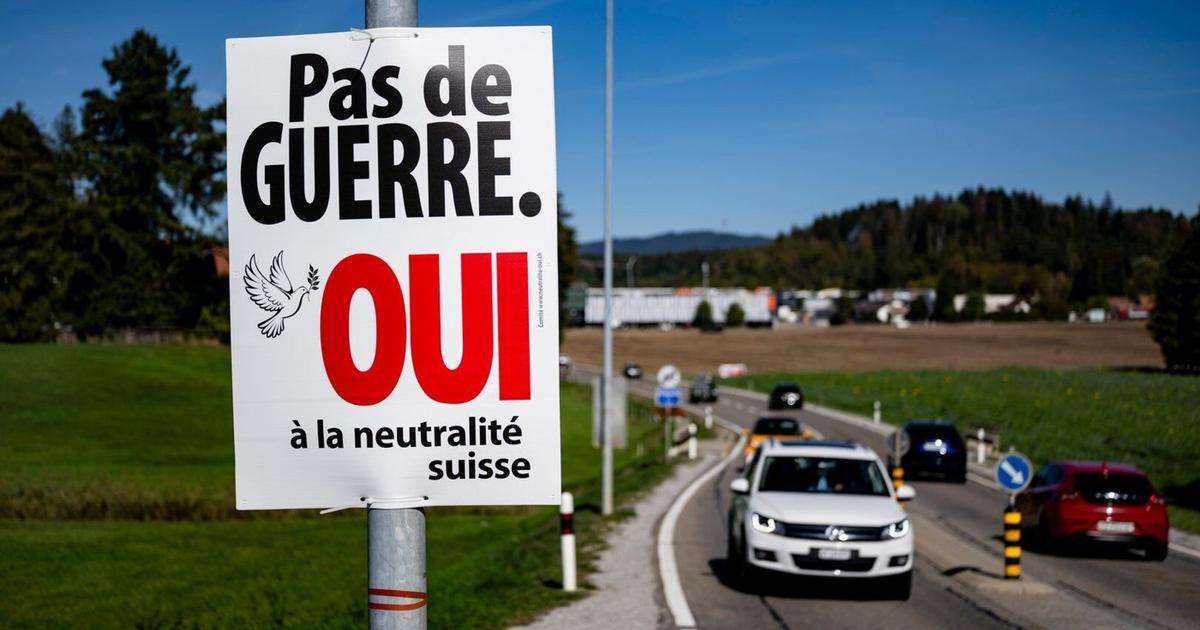
GENEVA (AP) — Voters in Switzerland are deciding Sunday on a proposal to strengthen the country’s vaunted neutrality.
asserted
Voters → decide → neutrality
The referendum is supported by a right-wing populist party that insists the Swiss government has gravitated too close to the European Union and NATO, notably over Russia’s war in Ukraine.
asserted
government → support → Ukraine
Backers of the plan championed by the Swiss People’s Party want Switzerland to reinforce its commitment to neutrality that has been enshrined in the constitution since the mid-19th century and has faced years of debate over what that neutrality really means.
asserted
neutrality → champion → what
Give feedback · no sign-in needed
No sign-in needed for now. Your note is sent without a name, so it cannot be answered.
 The Aporia