The story so far: In addition to being a tax haven and celebrated for its chocolates, watches, and army knives, Switzerland is synonymous with neutrality, a policy that originated from the post-Napolean turbulence in Europe in the early 1800s.
asserted
that → celebrate → 1800s
While the continent and the world went through several upheavals in the following decades.
asserted
continent → go → decades
Switzerland held strong to its neutral stand, staying away from armed conflict and geopolitics.
asserted
Switzerland → hold → conflict
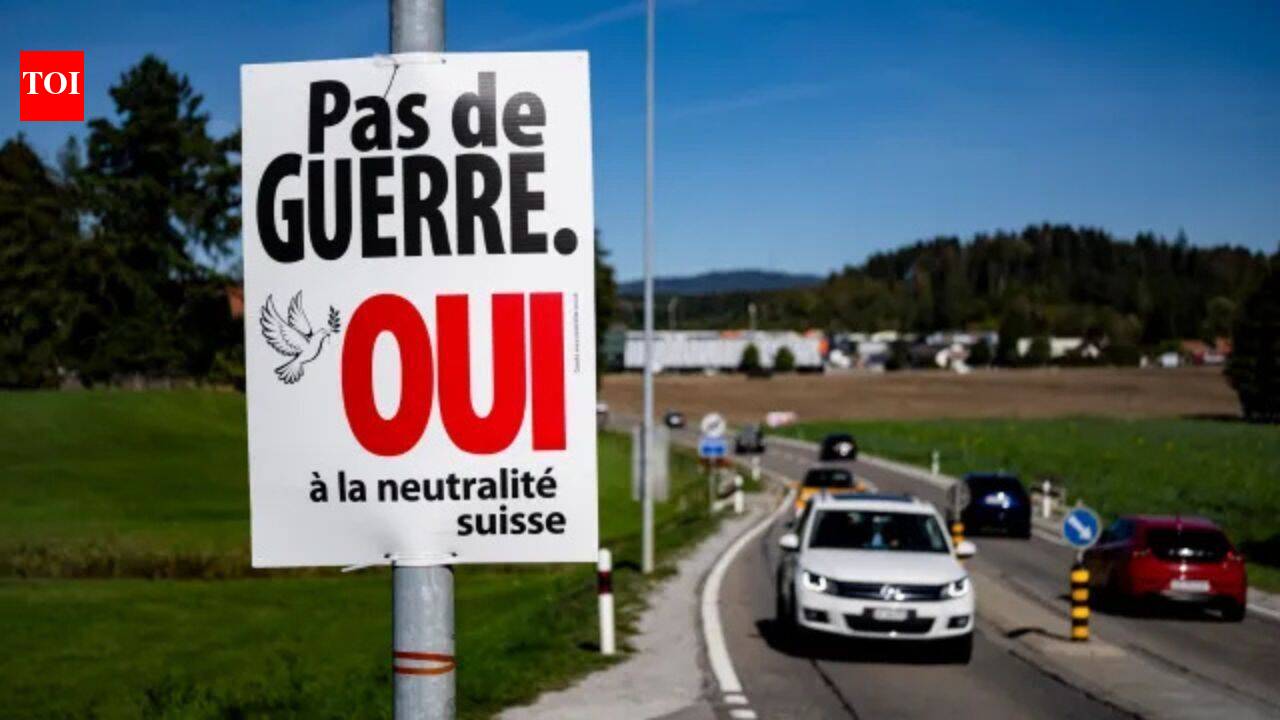
On Sunday (September 27, 2026), more than 70% of the Swiss voted against a referendum seeking more rigidity in neutrality against the backdrop of growing global faultlines.
asserted
% → vote → faultlines
While the country will remain neutral, the referendum has given an insight into the thought process of the modern Swiss who prefer to have flexibility in their neutrality.
asserted
who → remain → neutrality
The country’s neutral position has been enshrined in its Constitution since 1848.
asserted
position → enshrine → 1848
The country has accepted a neutrality that is “permanent and armed”.
asserted
that → accept → neutrality
While the permanent nature of the position prevents the country from taking part in any armed conflicts, Switzerland maintains armed forces to defend its territory and to prevent it from being misused for war-related purposes.
asserted
Switzerland → prevent → purposes
However, this neutrality is not rigid, and policies have changed over time as the country has set up a buffer space to apply neutrality in its best interests.
asserted
country → change → interests
During the First World War, Switzerland managed to avoid being drawn into conflict by staying neutral, but following the war, it joined the League of Nations with “differential neutrality”, supporting its economic measures while being exempt from military obligations.
asserted
it → manage → obligations
In 1935, it adopted sanctions by the League against Italy, in a first major shift from neutrality.
asserted
it → adopt → neutrality
However, following the Second World War, Switzerland reduced its involvement with the League and refrained from adopting sanctions.
asserted
Switzerland → follow → sanctions
The country was also hesitant to join the United Nations at first and kept its distance from the process of European integration in the second half of 20th century.
asserted
country → join → century
However, in the last two decades, Switzerland has increasingly made a space for itself in international organisation, becoming a UN Security Council member in 2022, and adopting UN and EU sanctions on other countries.
asserted
Switzerland → make → countries
What did the referendum seek to achieve?
asserted
referendum → seek → What
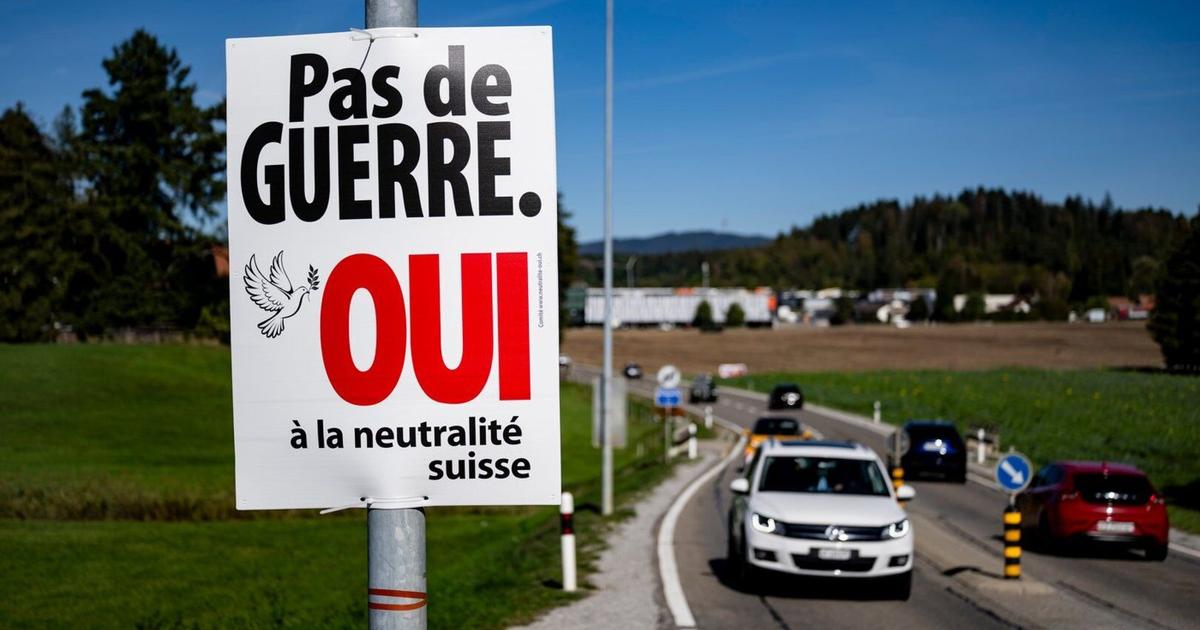
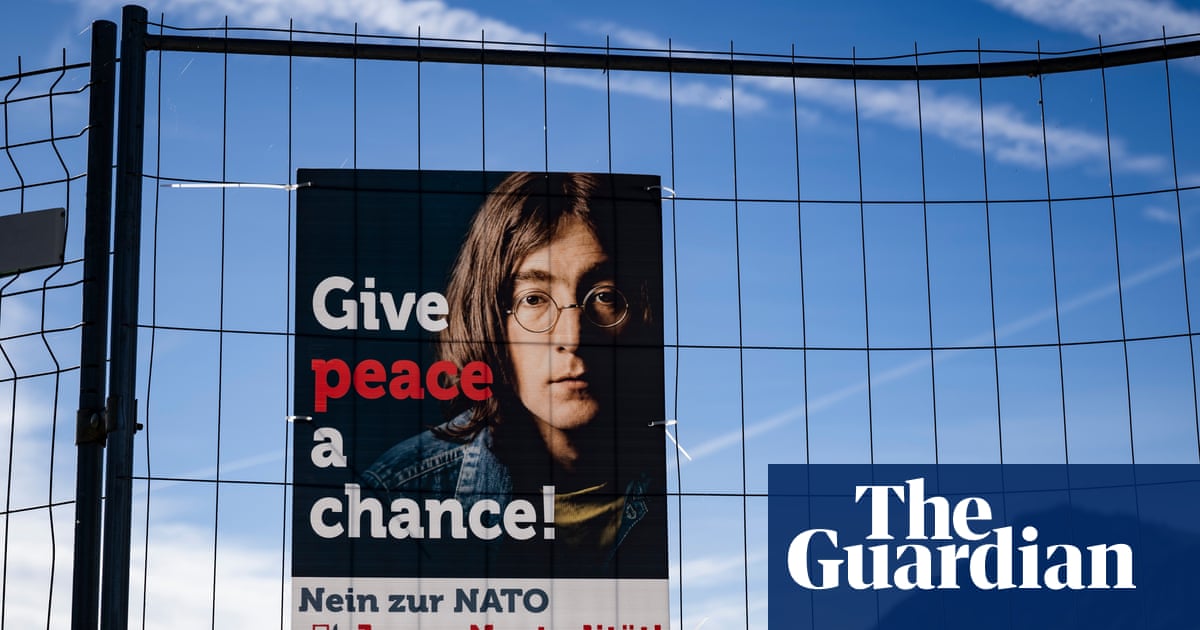
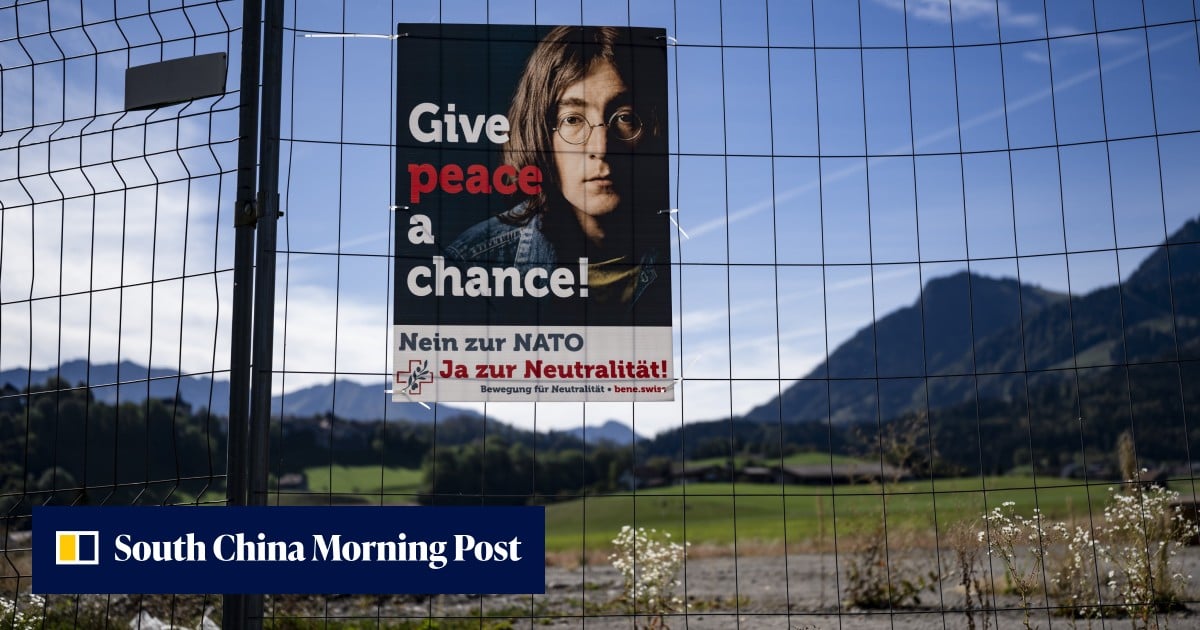
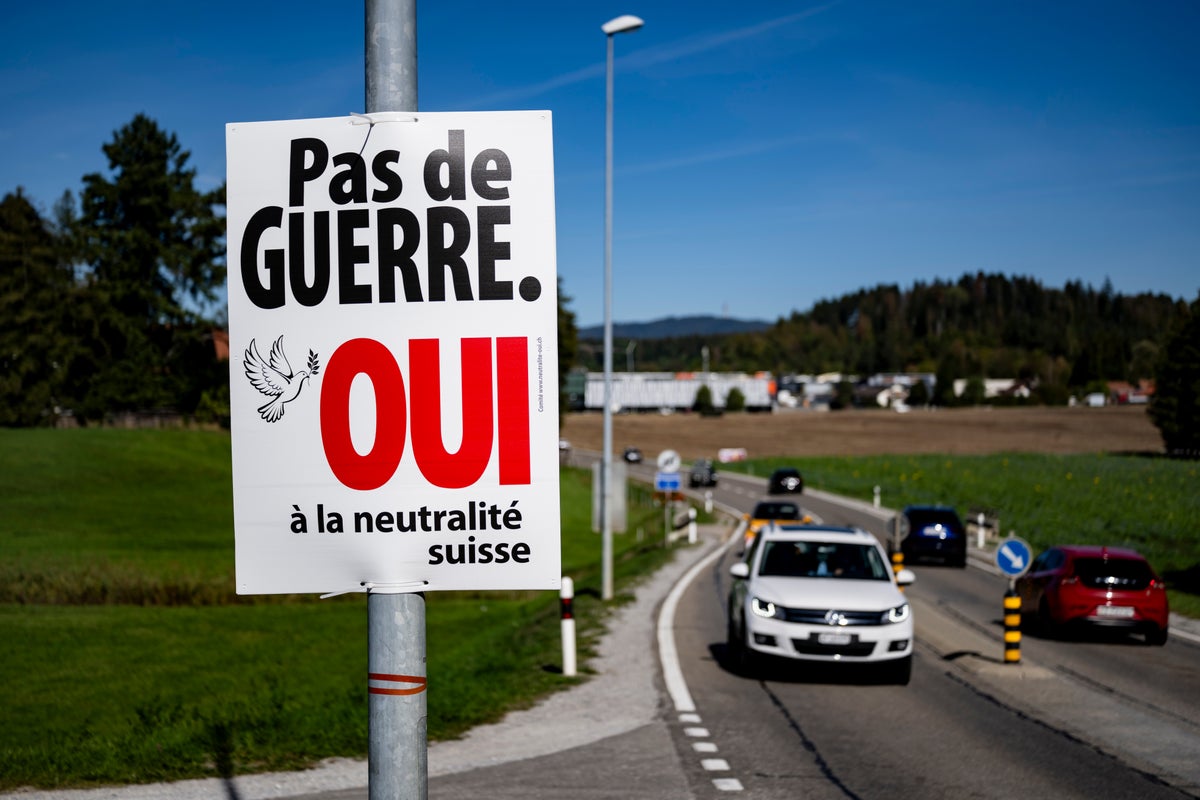
Officially titled ‘Safeguard Swiss neutrality’, the Initiative sought amendments in the country’s Constitution, making neutrality stricter in practice.
asserted
neutrality → title → practice
The initiative was introduced by Pro Schweiz, a nationalist organisation, with former Federal Council member Christoph Blocher and his right-wing Swiss People’s Party.
asserted
initiative → introduce → Blocher
One of the key triggers for the referendum was Switzerland taking part in sanctions on Russia by the European Union in 2022 in response to the invasion of Ukraine.
asserted
Switzerland → take → Ukraine
The major demands of the referendum were already part of the accepted neutrality provisions being practised by the country; it wanted them to be etched in stone with a new article in the Constitution stating that the neutrality is “perpetual and armed”.
asserted
neutrality → accept → Constitution
The initiative also wanted the new article to establish that the country will not join any military alliance, take part in armed conflicts between other countries, or impose sanctions against warring party.
asserted
country → want → party
It also wanted to make sure that Switzerland is constitutionally obliged to use its neutrality to fulfil its role as mediator.
asserted
Switzerland → want → mediator
What was the government’s position regarding the referendum?
asserted
position → regard → referendum
The Federal Council, a seven-member executive body which governs the country, had rejected the referendum without making any counter proposal.
asserted
which → govern → proposal
It was of the view that the proposals in the initiative reflects the legal obligations of a neutral state, which were already being upheld in practice by Switzerland.
asserted
which → reflect → Switzerland
The “permanent neutrality” of the country by default made its position “perpetual” and abstaining from military alliances and armed conflicts was already a normal practice in the country, the council noted.
asserted
council → make → country
It said that the demands of the initiative which went beyond the current practice could damage the country’s interests.
uncertain
which → say → interests
Stricter neutrality would curtail the current flexibility that the country enjoys in its foreign policy, the council said, stressing that “room for manoeuvre” was important amid a “deteriorating security situation”, in reference to the Russia-Ukraine war.
asserted
room → curtail → war
It noted that the initiative would impede cooperation on security policy, excluding the country from knowledge-sharing and making it less secure in the event of an attack.
asserted
it → note → attack
U.S. and Iran to talk in Switzerland as Tehran says it closed Strait of Hormuz again
What are the possible scenarios had the referendum passed?
asserted
referendum → talk → Hormuz
The Federal Council, in the run-up to the vote on the initiative, was of the view that, if passed, the wording of the referendum would mandate the country lift sanctions against belligerent states, including those against Russia.
asserted
country → pass → Russia
Critics of the referendum have raised concerns about the impact of this, saying that the move would unfreeze Russian assets in Swiss banks.
asserted
move → raise → banks
The council also sees Switzerland, as a small state, benefiting from international order being upheld and considers sanctions as a tool to respond to violations of and threats to this order.
asserted
Switzerland → see → order
Under the initiative, Switzerland would no longer be able to join sanctions by international agencies, like the UN, on warring countries, which could affect both its interests and reputation.
uncertain
which → join → interests
The referendum, which needed a double majority to be accepted, saw only 47.06% participation and was turned down with 70.15% no votes.
asserted
which → need → votes
All the 26 cantons, or member states of the confederation, also rejected the referendum, showing overwhelming support for a “flexible neutrality”.
asserted
cantons → reject → neutrality
 The Aporia