Andy Burnham, as UK Prime Minister, has proposed a free-to-use, universally funded national care system, a move that could cost taxpayers around £18bn annually according to past estimates by the Health Foundation. In an interview with BBC's Laura Kuenssberg, Burnham acknowledged potential political risks but emphasized the current social care system's hidden costs for individuals and the state. He hinted at possible tax hikes or adjustments in spending to fund this ambitious plan, while also considering a return to his old proposal involving inheritance taxes, as he awaits the results of Baroness Casey’s ongoing review on adult social care solutions.
Written locally by qwen2.5:14b on 2026-09-27,
using this article's own text rather than the other coverage of the
same event (that is the story summary below).
Story summary
Andy Burnham, the UK Prime Minister, pledged during the Labour Party conference in Liverpool to offer a universal free social care system at the next general election expected by 2029. Burnham aims to address England's "threadbare" social care services and avoid financial ruin for individuals, likening it to American healthcare where vulnerable people can lose everything due to costs. He emphasized that the current system is unsustainable and could break the NHS if left unaddressed.
Burnham acknowledged potential political risks, including being labeled as seeking a “death tax” on estates, but he remains committed to implementing reforms despite possible unpopularity. The proposal's funding details are yet undisclosed; however, experts suggest it might cost around £18 billion annually. Burnham denied this figure, suggesting the final cost would be lower.
Burnham indicated his readiness to spend political capital for these reforms and ruled out immediate implementation before the 2029 election due to potential backlash from opponents who view tax rises as a red line issue. Shadow home secretary Chris Philp warned that any plan requiring more tax hikes could face significant Conservative opposition, with some sources hinting at potentially scrapping the pensions triple lock to fund such reforms.
Written for “Social Care Reform Plan England” on 2026-10-05,
grounded in this article and the 10 other(s) covering the same event.
- Published
The state of the social care system in England is a topic that's made Andy Burnham angry for decades.
asserted
Burnham → publish → decades
As Gordon Brown's health secretary he proposed a compulsory levy collected from people's estates – an idea the Conservatives dubbed the "death tax".
asserted
Conservatives → propose → estates
He repeatedly returned to the issue when making interventions as the Mayor of Greater Manchester, and in his first major interview as prime minister back in July, Burnham pledged to put "whatever political capital I have into fixing broken social care".
asserted
I → return → care
We now have the first outline about how he hopes to do that.
asserted
he → have → that
But there are a host of unanswered questions about how the government would fund and deliver what could be an eye-wateringly expensive and politically perilous idea.
uncertain
what → be → questions
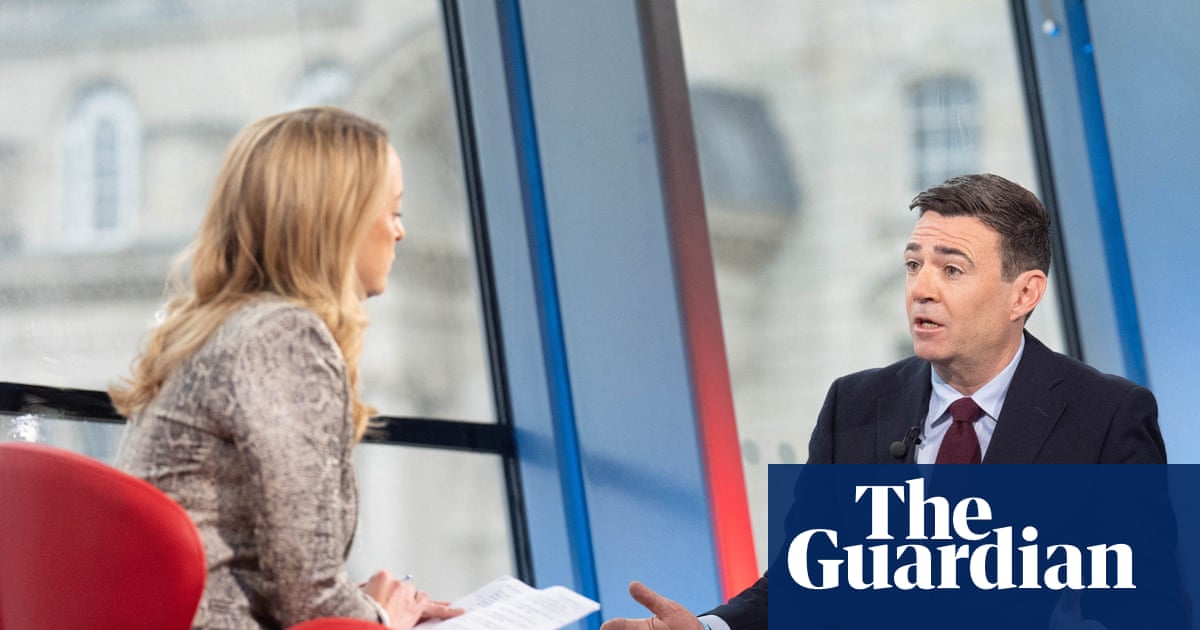
The prime minister told the BBC's Sunday with Laura Kuenssberg that he will go into the next election proposing a free-to-use, universally funded national care system.
asserted
he → tell → system
Past governments have looked at how to reform social care and balked at the potential costs.
The Health Foundation has previously estimated that a free system could end up costing the taxpayer around £18bn a year.
uncertain
system → look → 18bn
Burnham denied that figure but conceded that tackling the issue could make him "unpopular" with some.
uncertain
him → deny → some
He stressed that the current system comes with hidden costs for individuals and the state, such as people losing their houses to pay for costs and spending time in A&E because their home care isn't adequate.
But it's difficult to deny that this idea would come with a staggering up front cost and one the prime minister would have to lay out a far more detailed funding plan for, if he went into an election with this as his flagship proposal.
asserted
he → stress → proposal
The last prime minister to attempt a substantial overhaul of social care was Theresa May, whose 2017 plans unfurled when they were nicknamed the "dementia tax".
uncertain
they → attempt → care
Burnham said the manifesto that Labour was elected on at the last general election would make it "hard" to achieve his goal.
asserted
it → say → goal
That's a clear hint that he could well go into the next election pledging to increase tax in order to fund social care.
uncertain
he → go → care
The manifesto that Burnham is currently bound by pledged not to hike income tax, VAT or National Insurance.
asserted
Burnham → bind → tax
Other funding options are not being taken off the table, including a return to Burnham's old plan to make some people pay out of their inheritance.
He could also get some political cover, in the form of an ongoing review by the longtime policy guru Baroness Casey.
uncertain
He → take → guru
She's been heading a commission into adult social care since April last year and Burnham said her findings would influence what he proposes.
asserted
he → head → what
It's understood she's been asked to find a "sustainable" solution, and it would be within her remit to recommend tax changes and cuts to other areas of spending, to raise the money needed.
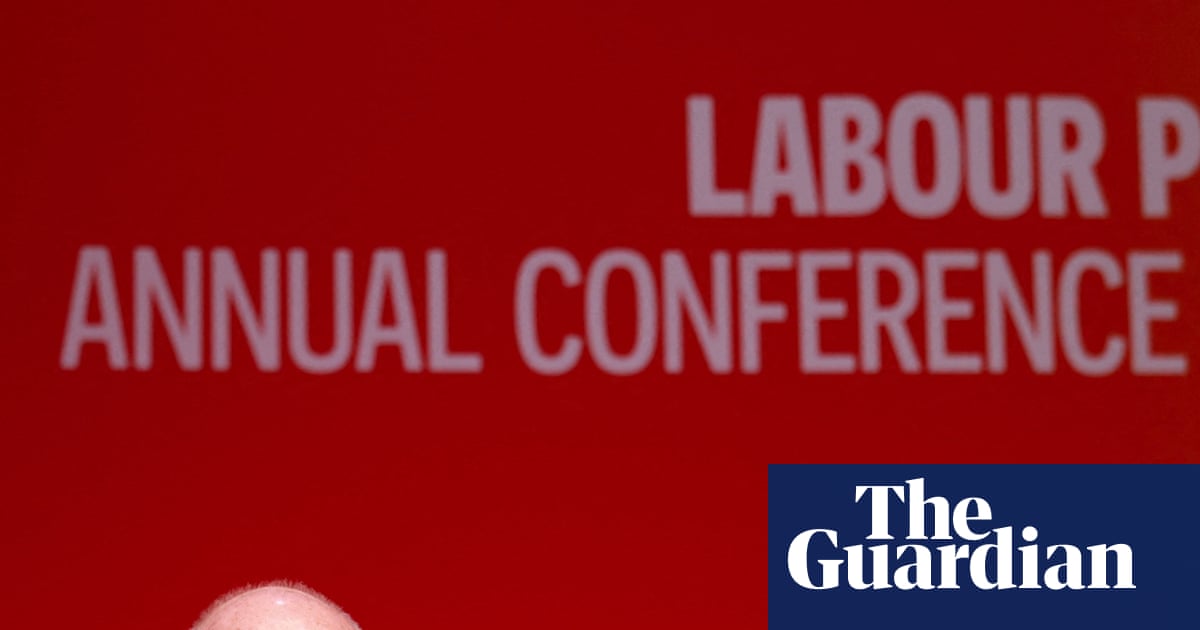
The prime minister wouldn't engage with the question of what areas he might cut but did promise more meat on the bones of his social care plans when he makes his speech to the Labour Party conference on Tuesday.
Darren Jones, who was Sir Keir Starmer's chief secretary, and has assumed the mantle of an internal Burnham critic, warned against taxing, spending and borrowing, without making cuts.
uncertain
who → understand → cuts
He suggested that if Burnham wanted to prioritise social care, he may need to look at scrapping the triple lock for pensioners, which Labour's 2024 manifesto pledged to keep.
uncertain
manifesto → suggest → which
The Conservatives have already criticised the potential for increasing the tax burden and Reform have described Burnham's plan as another "death tax".
asserted
Reform → criticise → tax
Some Labour MPs would undoubtedly be uncomfortable at the prospect of having to sell controversial decisions like tax rises or changes to the triple lock, on the doorstep at the next election.
asserted
MPs → have → election
But there's been a general trend in recent years among both the Conservative and Labour parties, of backbenchers grumbling about party leaders being unwilling – perhaps not brave enough – to make forthright political arguments.
asserted
leaders → be → arguments
Burnham hasn't yet revealed the finer details, but for now, at least, he's confident enough in his own ability to win the argument.
asserted
he → reveal → argument
Those around the PM believe there are enormous plaudits to be won for whoever manages to adequately fix the system.
asserted
whoever → believe → system
History would suggest, though, that prime ministers who fail to convince the public on social care reforms don't last long in the job.
asserted
who → suggest → job
It may be an issue he's talked about for years, but on social care, Andy Burnham is taking a big swing.
uncertain
Burnham → talk → swing
 The Aporia