That is 0 articles you have read today.
The Aporia is free and carries no advertising, so readers are the only
thing paying for it. If you are getting this much out of it, a small
donation is what keeps it independent.
Daily limit reached
You have read 0 articles today.
That is more than the 15 a day The Aporia gives away,
and well past what it can carry on nothing. Your allowance resets at
midnight.
There is no advertising here and nothing about you is sold, so readers
are the only thing paying for it. If the site is worth this much of
your day, it is worth a few dollars.
Everything else stays open: the
maps, the
directory and
search do
not count against this, and neither does re-opening something you have
already read today.
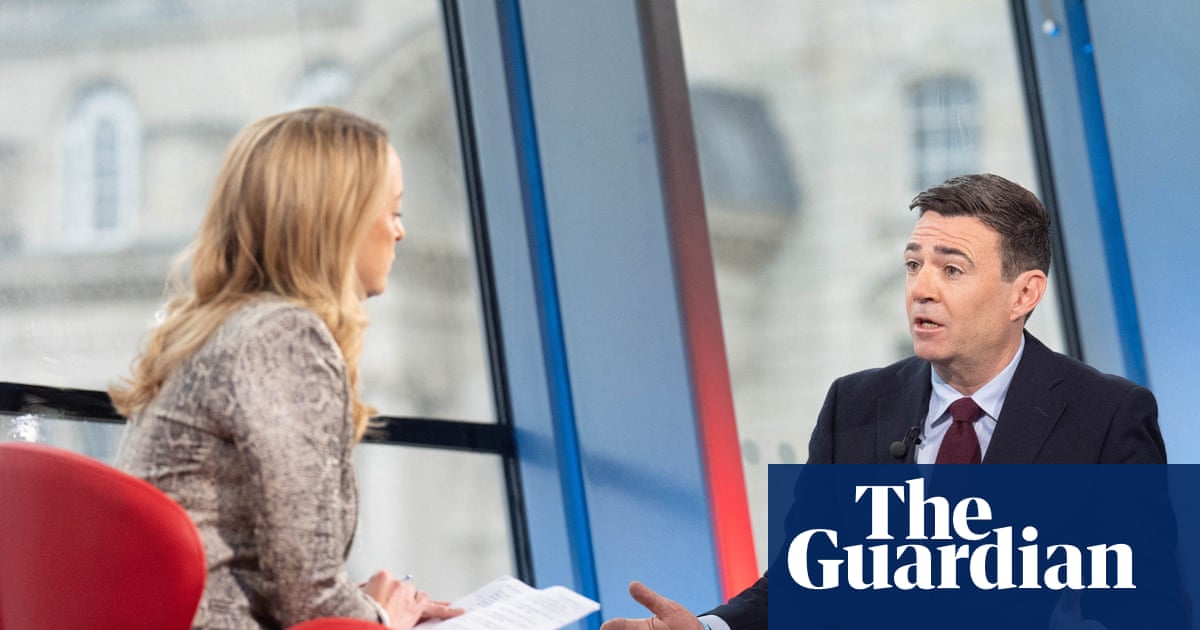
Jeremy Burnham, Labour's health secretary, announced his commitment to reforming social care in England even if it means implementing unpopular tax measures. He plans to present the broad direction of his proposals during a speech at the Labour Party conference in Liverpool and is open to cross-party talks for consensus. Burnham acknowledges that current social care policies impose heavy financial burdens on individuals and aims to make these costs fairer by spreading them across the population, although he emphasizes the need for public support before implementing any new taxes.
Written locally by qwen2.5:14b on 2026-10-02,
using this article's own text rather than the other coverage of the
same event (that is the story summary below).
Story summary
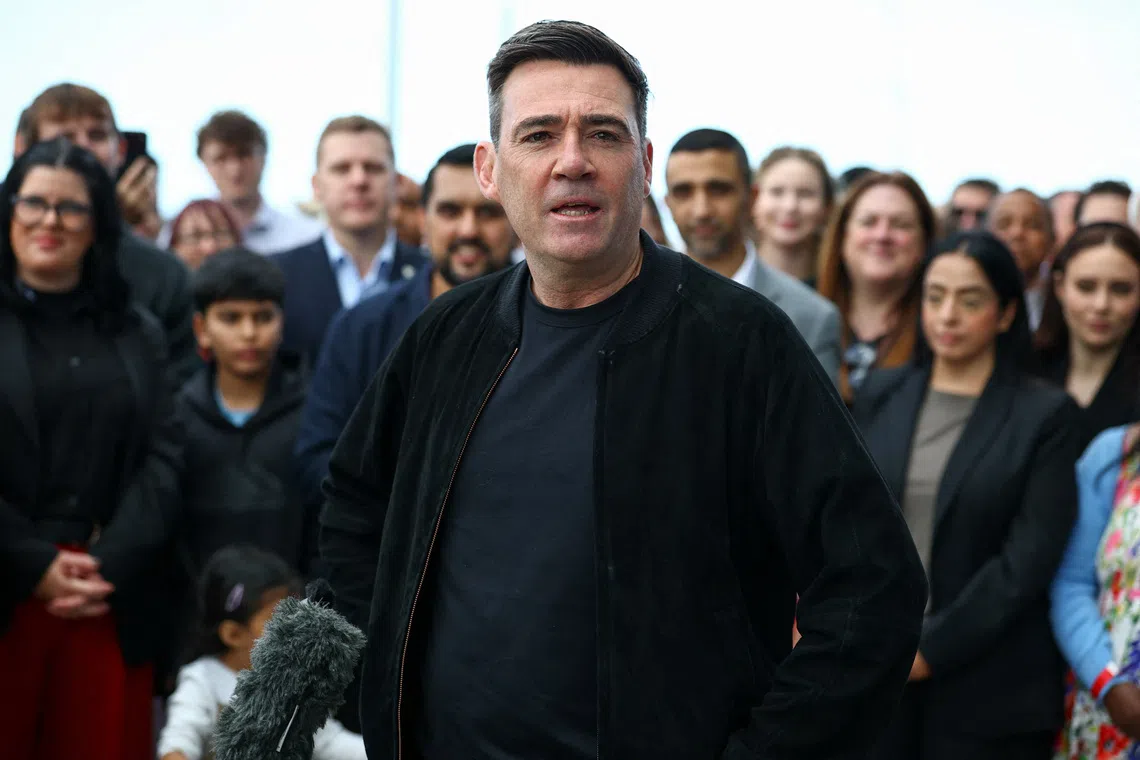
Andy Burnham, the UK Prime Minister, pledged during the Labour Party conference in Liverpool to offer a universal free social care system at the next general election expected by 2029. Burnham aims to address England's "threadbare" social care services and avoid financial ruin for individuals, likening it to American healthcare where vulnerable people can lose everything due to costs. He emphasized that the current system is unsustainable and could break the NHS if left unaddressed.
Burnham acknowledged potential political risks, including being labeled as seeking a “death tax” on estates, but he remains committed to implementing reforms despite possible unpopularity. The proposal's funding details are yet undisclosed; however, experts suggest it might cost around £18 billion annually. Burnham denied this figure, suggesting the final cost would be lower.
Burnham indicated his readiness to spend political capital for these reforms and ruled out immediate implementation before the 2029 election due to potential backlash from opponents who view tax rises as a red line issue. Shadow home secretary Chris Philp warned that any plan requiring more tax hikes could face significant Conservative opposition, with some sources hinting at potentially scrapping the pensions triple lock to fund such reforms.
Written for “Social Care Reform Plan England” on 2026-10-05,
grounded in this article and the 10 other(s) covering the same event.
He said nothing was off the table to pay for the reforms, which would be put to the public at the next general election.
asserted
which → say → election
His previous attempts to reform the system as health secretary which could have been funded by a levy on estates was condemned as a “death tax” by opponents.
uncertain
which → reform → opponents
But Mr Burnham indicated he was prepared to have another attempt at a taxpayer-funded national care service, despite the potential unpopularity it would cause.
asserted
it → indicate → unpopularity
“That is what’s happening at the moment.
“
asserted
what → happen → moment
“Social care in England is as unfair as American healthcare, where the most vulnerable in society can lose everything, they can be wiped out, not just by the condition that they have, but wiped out financially.”
asserted
they → lose → that
Mr Burnham will set out the “broad direction” of his social care plans in his Labour Party conference speech in Liverpool on Tuesday.
asserted
Burnham → set → Tuesday
Baroness Louise Casey is leading a review of social care and Mr Burnham is committed to cross-party talks to try to find a consensus.
asserted
Burnham → lead → consensus
Read More
Mr Burnham said: “We have dementia taxes right now and people can lose everything they’ve worked for paying those taxes.
asserted
they → read → taxes
“So the idea that there isn’t already a cost is just wrong.
asserted
idea → be → ?
It’s just making that cost fairer and spreading it across across the population.”
asserted
cost → make → population
Asked if a levy on estates was one option he was considering, he said: “Nothing is off the table at this moment in time.
asserted
Nothing → ask → time
Now that doesn’t mean that I’m going straight back to the proposal that I had in 2010.”
asserted
I → mean → 2010
In a sign that some tax rises would be required, Mr Burnham said Labour’s manifesto promises made it “hard to do in this Parliament” so he would put his proposals to the public in the next election expected in 2029.
asserted
he → require → 2029
“I am prepared to put myself in that position, recognising that it might be difficult or unpopular with some,” he said.
uncertain
he → put → some
Mr Burnham rejected that assessment and pointed out there would be savings to the NHS from people who no longer needed emergency treatment or a hospital bed because they had better social care provision.
asserted
they → reject → provision
The Prime Minister, whose father died earlier this month, said: “When I was in Parliament first time round, in fact, when I was a new MP, my gran was going through the care system.
asserted
gran → die → system
“As health secretary I remember saying ‘we shouldn’t let what happened to my grandparents’ generation happen to my parents’ generation’, and it’s devastating actually to be here, and it has happened.
asserted
it → remember → generation
“Parliament just ignoring this issue because they consider it too difficult.
asserted
it → ignore → issue
“Is there any wonder that politics is in such low esteem with the public when it can’t fix something as basic as the care that we give to each other?
“
asserted
we → fix → other
So it can’t carry on.
asserted
it → carry → ?
Somebody needs to grasp the nettle.
asserted
Somebody → need → nettle
I will be the one to do that and I realise it might require me to spend some political capital.
uncertain
it → do → capital
That it might make me unpopular with some, but that isn’t going to stop me. “
uncertain
that → make → me
 The Aporia