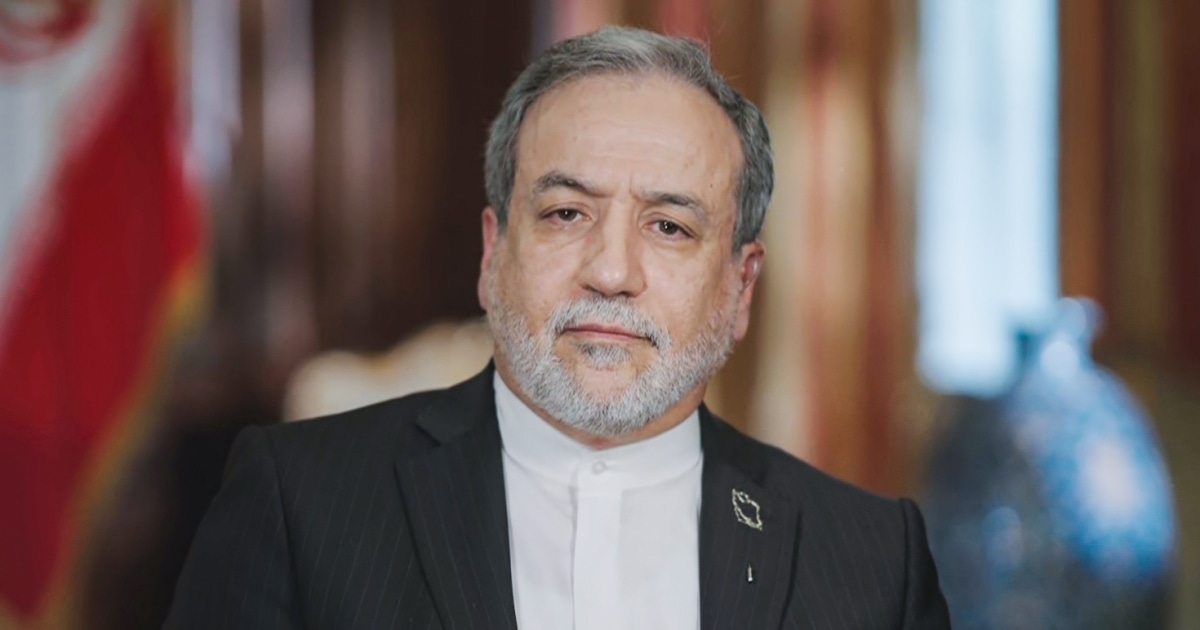
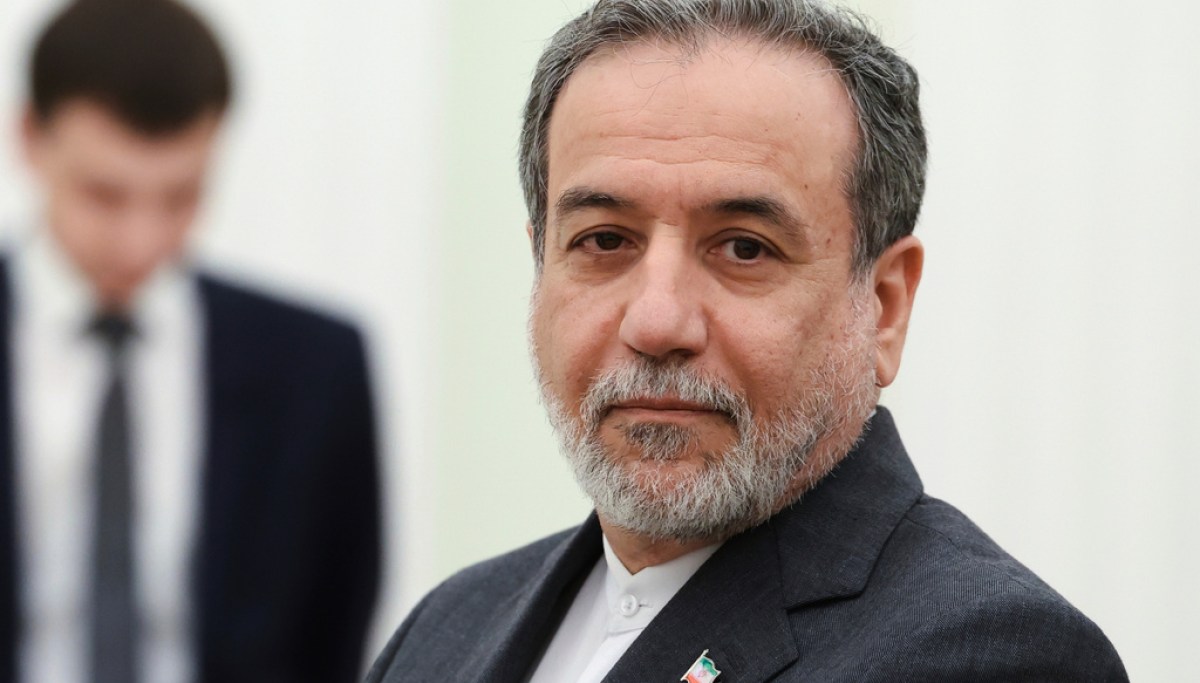
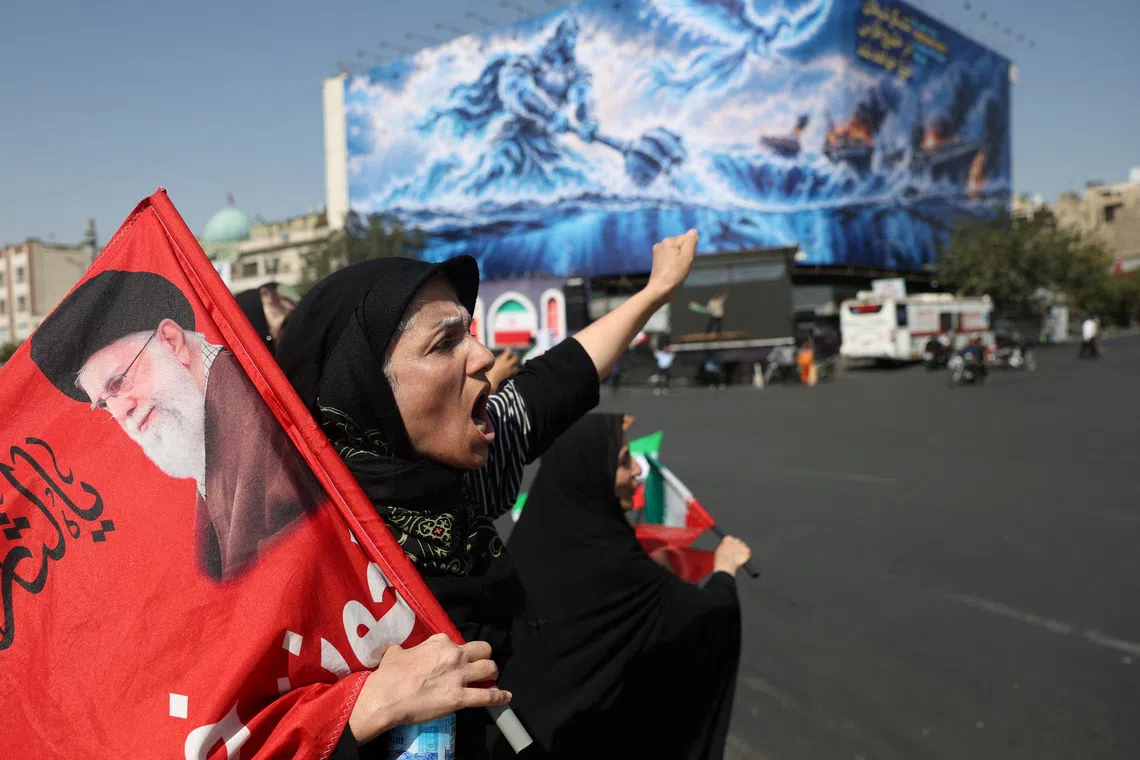
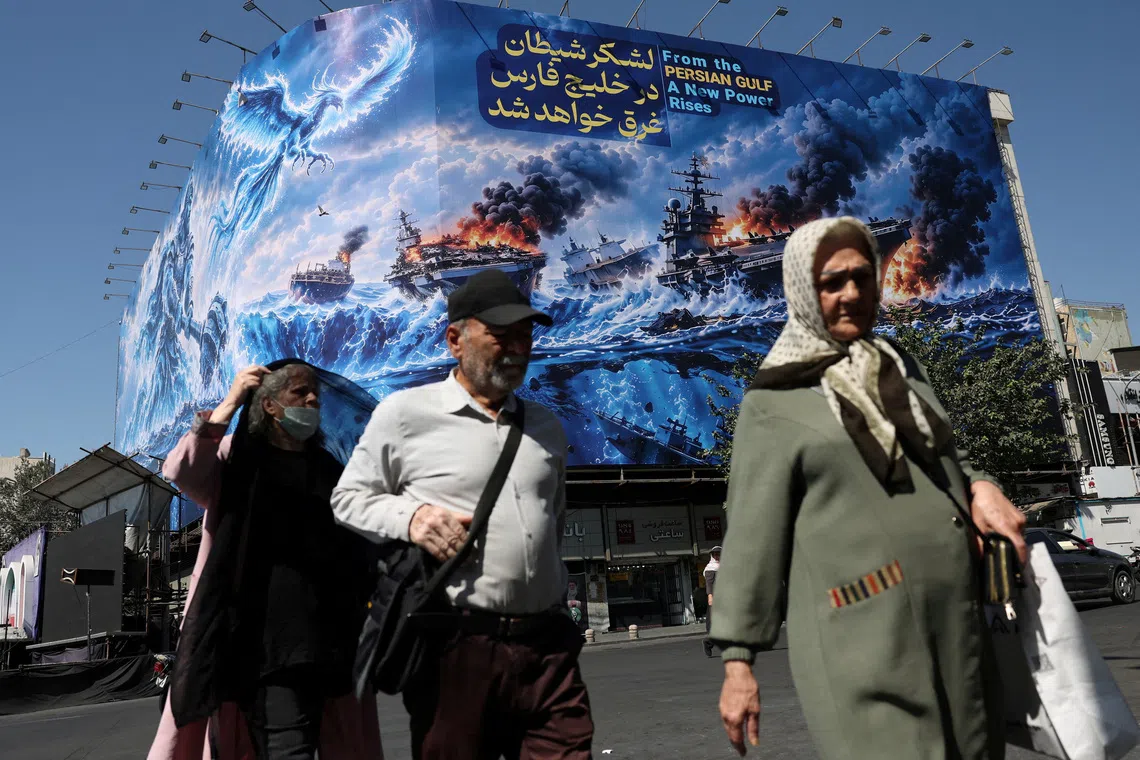
Iranian Foreign Minister Abbas Araghchi stated that his country remains prepared for renewed conflict with the United States but continues to seek diplomatic solutions, according to an interview on NBC’s "Meet the Press." He emphasized Iran's willingness to reopen the Strait of Hormuz under certain conditions, including lifting economic sanctions and unfreezing assets. Meanwhile, U.S. Ambassador to the UN Mike Waltz rejected Iran’s proposal as unacceptable and questioned Tehran's intentions regarding compliance with previous agreements.
Written locally by qwen2.5:14b on 2026-09-27,
using this article's own text rather than the other coverage of the
same event (that is the story summary below).
Story summary
US President Donald Trump met with Chinese President Xi Jinping, where Xi pressed Trump to adopt Beijing's stance against Taiwan independence, which Taiwan rejected outright. Meanwhile, Taiwan is crucial for global tech and economy due to its leading semiconductor production; TSMC alone produces the majority of advanced chips that power smartphones, AI systems, and more. As Stanford Hoover fellow Eyck Freymann noted, economic disruption from a conflict over Taiwan would be severe.
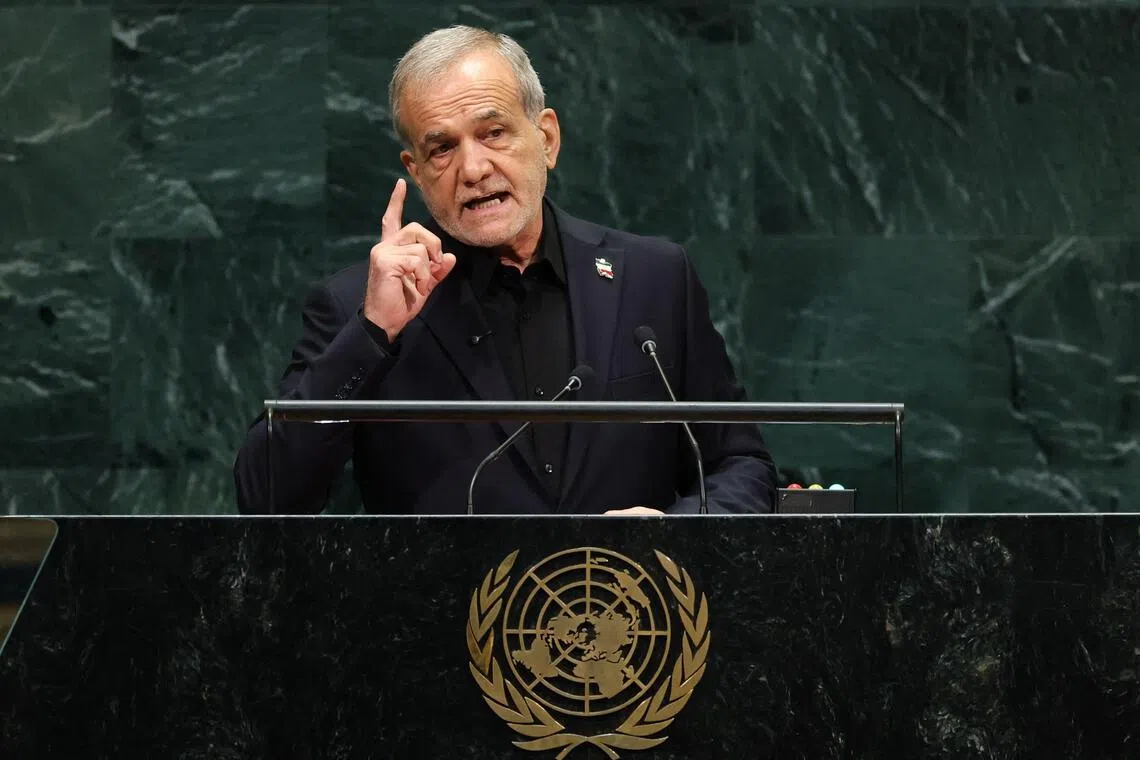
In unrelated developments, Iranian President Masoud Pezeshkian met with US media at the UN General Assembly, where he denied Iran's nuclear ambitions while offering to dilute its enriched uranium and allow inspections under international law. He also blamed Washington for ongoing conflicts in the Middle East. The International Atomic Energy Agency (IAEA) estimates that Iran has over 440 kilograms of uranium enriched up to 60%, raising concerns despite Pezeshkian's denials.
Taiwan's representative, Ambassador Alexander Yui, clarified during an interview on CBS’s "Face the Nation" that while Taiwan was discussed between Trump and Xi, it wasn't a major focus. He emphasized there has been no change in US policy towards Taiwan amid recent tensions with China.
Written for “Taiwan Iran Us Relations Midterms” on 2026-10-05,
grounded in this article and the 386 other(s) covering the same event.
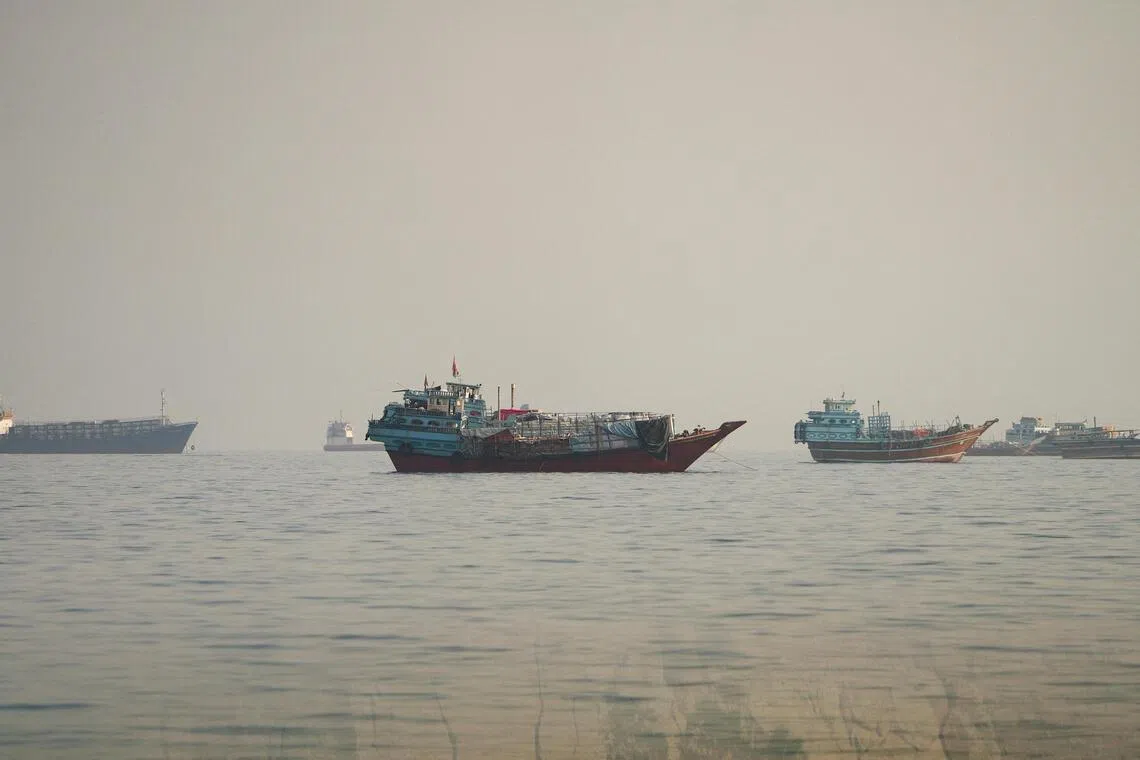
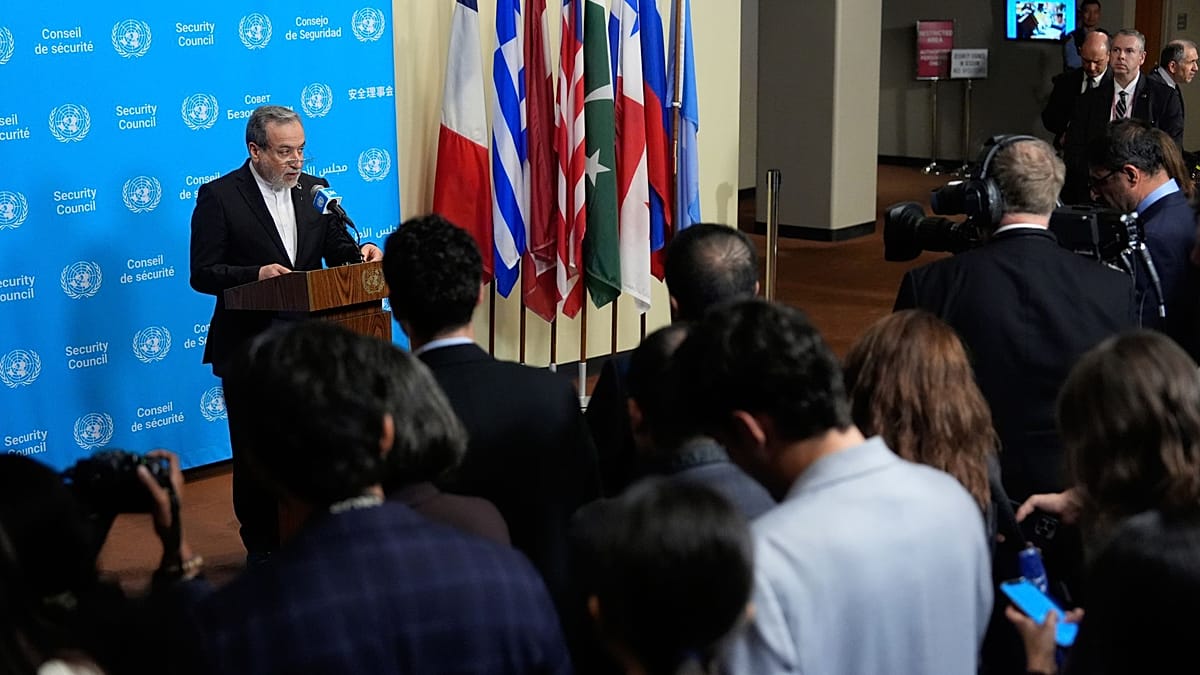
Iranian Foreign Minister Abbas Araghchi said his country is prepared to resume fighting with the United States but has not yet abandoned diplomacy after President Donald Trump publicly rejected a proposal to reopen the Strait of Hormuz.
asserted
Trump → say → Hormuz
“We are fully prepared for the war to be resumed.
asserted
war → resume → ?
We stand firm in the face of any new aggression, even if it comes to a doomsday war,” Araghchi told NBC News’ “Meet the Press” on Sunday, when asked about a Wall Street Journal report that Trump could seek to resume bombing after the U.S. midterm elections.
uncertain
Trump → stand → elections
“At the same time, we stand ready for diplomacy.
asserted
we → stand → diplomacy
It is up to President Trump to choose.”
asserted
It → choose → Trump
Iran this week had offered a deal to reopen the strait and resume normal maritime passage through the critical global oil chokepoint within seven days, as part of a plan conveyed to the U.S. through mediator Qatar on the sidelines of the United Nations General Assembly in New York.
asserted
Iran → offer → York
Trump said Saturday that he had turned down that proposal, telling reporters: “I rejected their deal.
asserted
I → say → deal
They want to make a deal where they open the strait immediately because they’re losing so badly.”
asserted
they → want → strait
Araghchi told moderator Kristen Welker on Sunday that despite Trump’s public comments, the rejection had still not been officially communicated to Iran via mediators.
asserted
rejection → tell → mediators
He reaffirmed that Iran was ready to reopen the strait as part of an agreement to end the conflict, adding that in return, “we want our monies, our assets, which are illegally frozen, to be released.
asserted
which → reaffirm → return
We want to be able to sell our oil.”
asserted
We → want → oil
Araghchi said the conditions were “not new” and were things the U.S. has already committed itself to previously, referring to the memorandum of understanding that the two countries signed in June that laid out plans for a temporary ceasefire.
asserted
that → say → ceasefire
That agreement collapsed within days after fresh strikes were exchanged.
asserted
strikes → collapse → days
“If you ask us, there is no reason why we should go back to diplomacy,” Araghchi said.
asserted
Araghchi → ask → diplomacy
“But I am still trying diplomacy because I think we shouldn’t miss any chance for peace.”
asserted
we → try → peace
“We don’t care about U.S. midterm elections,” the Iranian official added.
asserted
official → care → elections
“We care about our national interests.”
asserted
We → care → interests
Prior to Araghchi’s interview, U.S. Ambassador to the United Nations Mike Waltz told “Meet the Press” that the deal was rejected for a “a number of reasons,” suggesting the U.S. could not permit Iran “to have access to billions in frozen funds.”
uncertain
U.S. → tell → funds
Waltz said: “I think this was a pretty cynical attempt to put something on the table that they knew was unacceptable, to ask for the release of the blockade, the sanctions, international sanctions, and access to billions in assets.”
asserted
they → say → assets
He also questioned “who’s calling the shots in Iran right now,” adding that the country had violated the past memorandum of understanding by attacking international shipping.
asserted
country → question → shipping
“I think it’s kind of common sense that the president doesn’t have a lot of confidence this time after we just tried a few months ago,” Waltz added.
asserted
Waltz → think → confidence
“What I can tell you is the president will leave all options on the table to ensure the world is safe from Iran holding the world hostage with a nuclear weapon.”
asserted
Iran → tell → weapon
Asked what deal Trump would accept, Waltz said: “I’m not going to negotiate for the president.”
asserted
I → ask → president
“This is about keeping the next generation safe from Iran threatening the world with a nuclear weapon,” he added.
asserted
he → keep → weapon
Earlier this week, Trump said he was still considering whether to “annihilate” Iran or make a deal.
asserted
he → say → deal
“I believe we’ll make a deal right after the election because it doesn’t make sense for them not to,” Trump said.
asserted
Trump → believe → sense
“They’re waiting to see how I do in the midterm election.”
asserted
I → wait → election
Polls show Democrats with an advantage heading into the November midterms.
asserted
Democrats → show → midterms
The latest NBC News Decision Desk Poll found 31% of respondents approved of Trump’s handling of the Iran war, while 69% disapproved.
asserted
% → find → war
 The Aporia