How Taiwan’s ‘silicon shield’ has kept it safe from China, indispensable to US

Read the original at Times of India ↗
Times of India · collected 2026-09-26 · by Ayush Pandey

Quick Summary

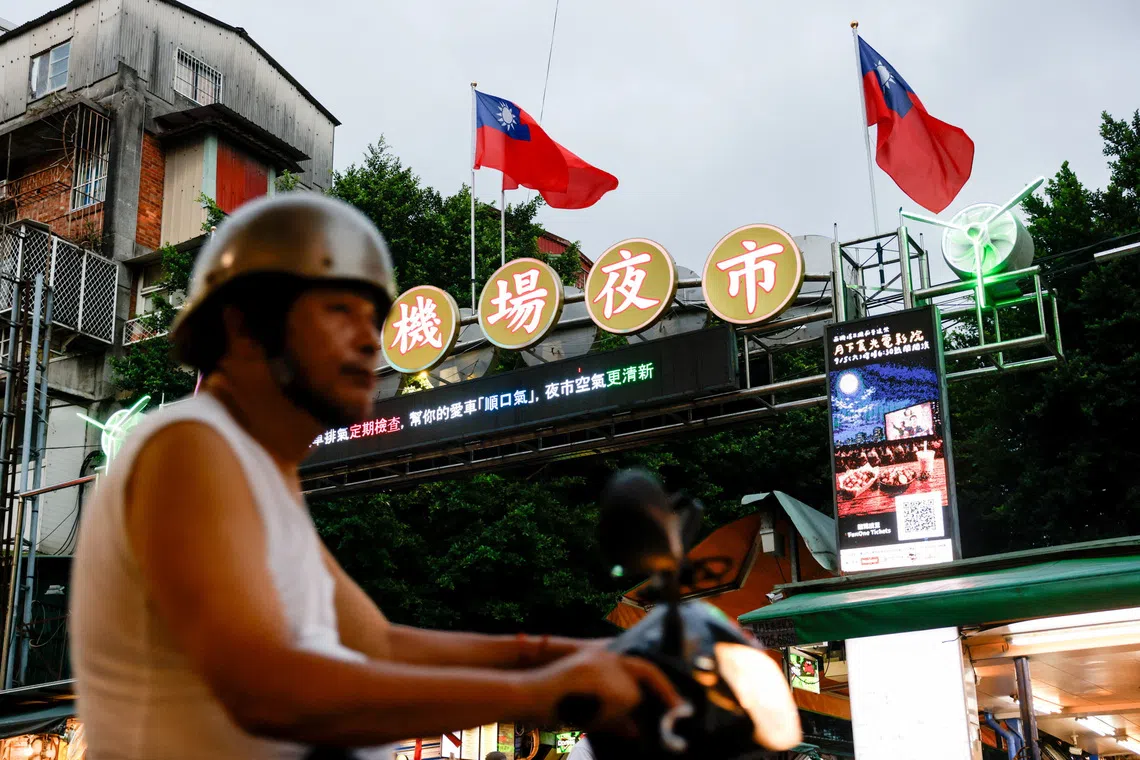
The article discusses Taiwan’s strategic importance in the global semiconductor industry and its implications for geopolitical tensions between the US and China. Specifically, it highlights that Taiwan produces over 60% of global chip production and nearly 90% of advanced chips, with TSMC being a dominant player. This concentration makes Taiwan crucial to the technology supply chain, influencing both economic stability and military capabilities worldwide.
Written locally by qwen2.5:14b on 2026-09-26, using this article's own text rather than the other coverage of the same event (that is the story summary below).

AI analysis runs on qwen2.5:14b, locally

Story summary

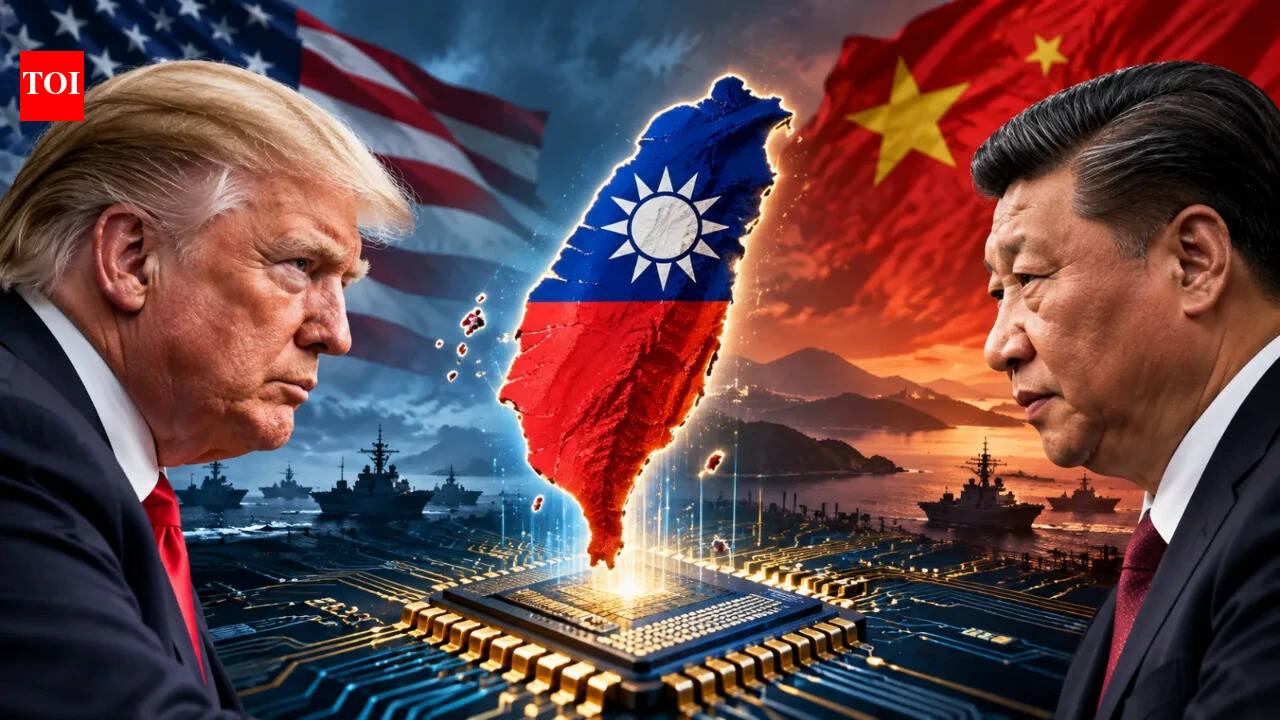
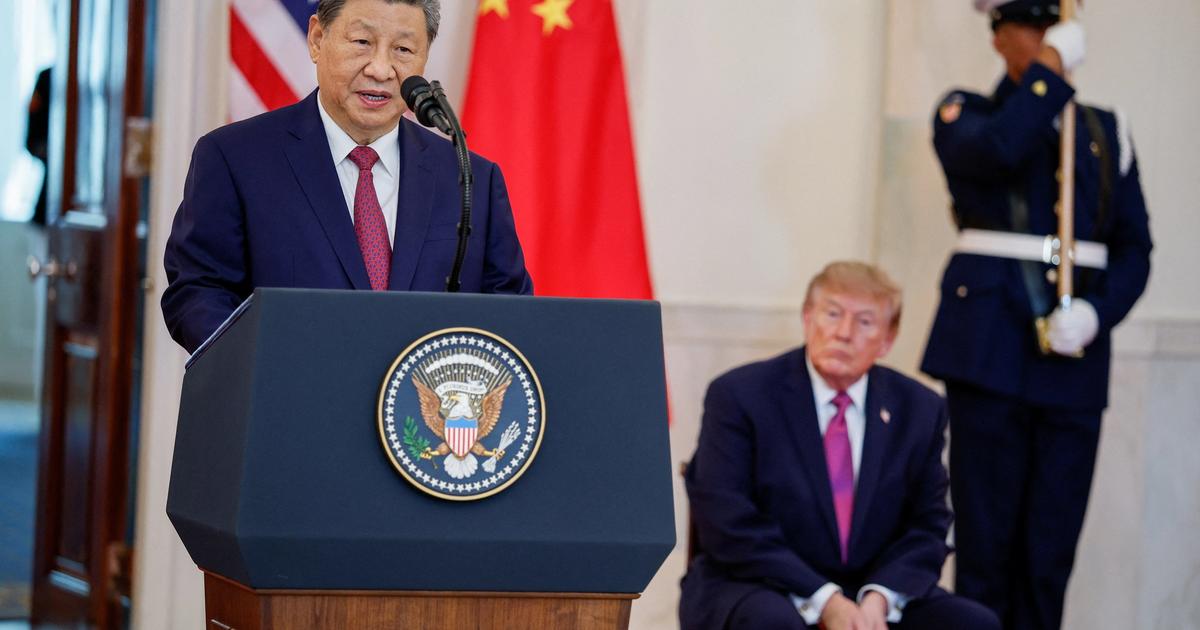
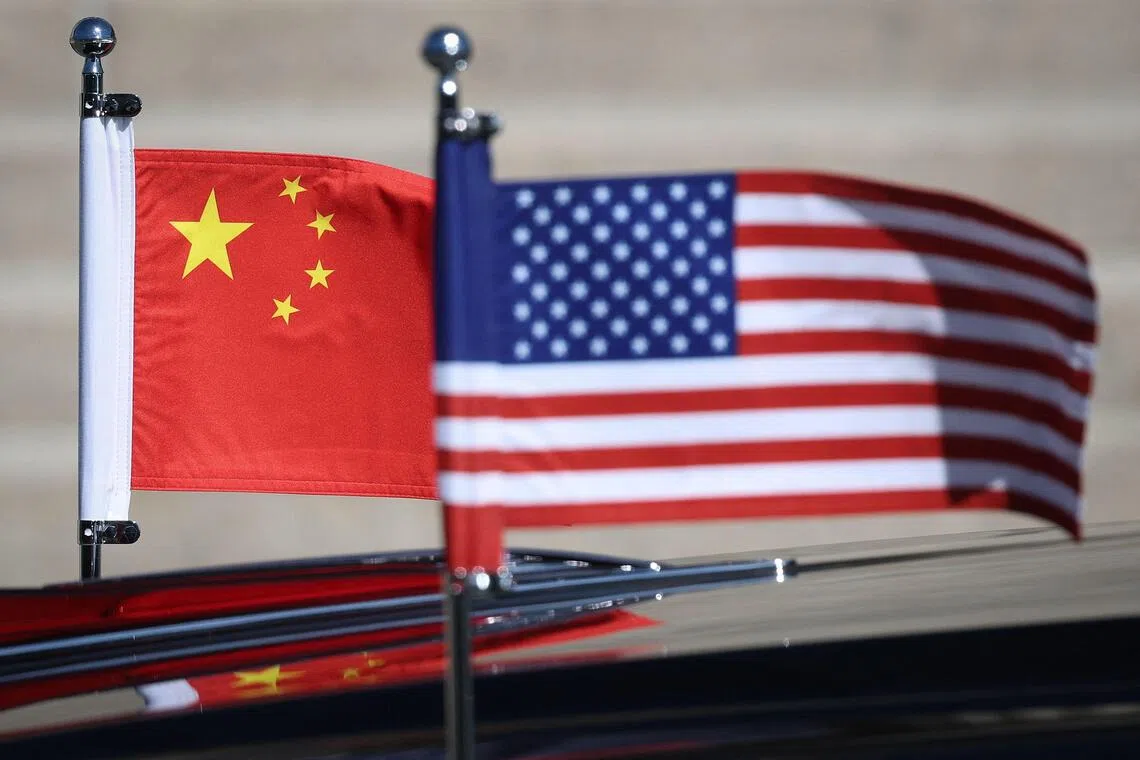
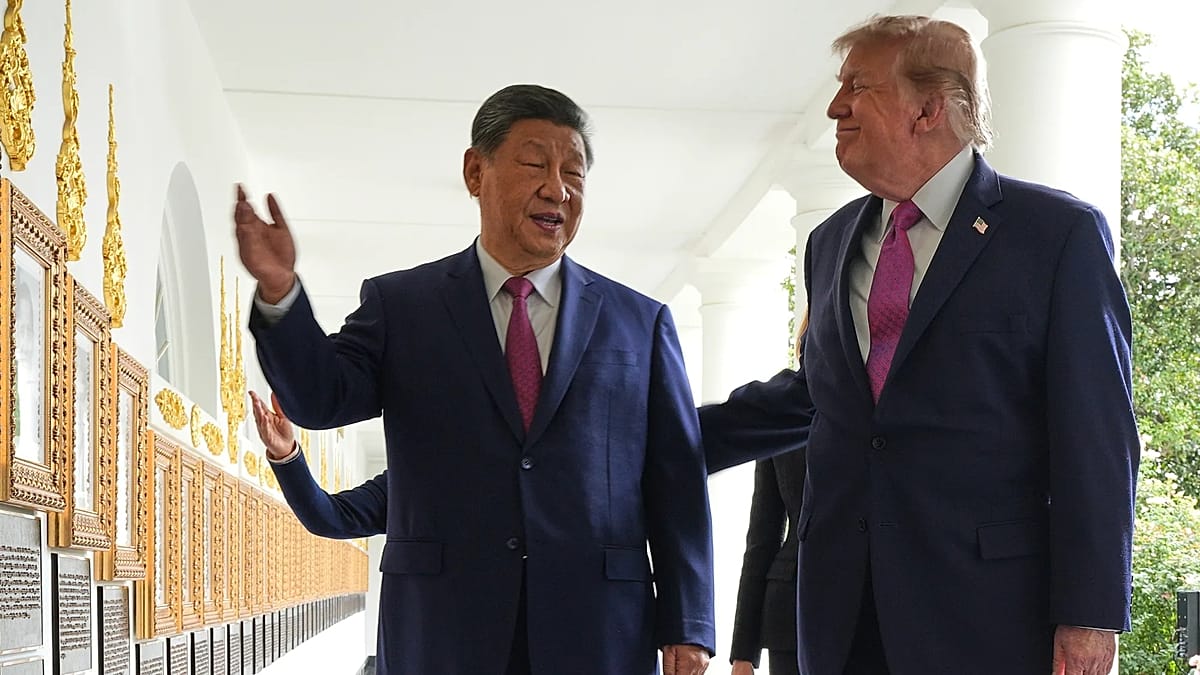
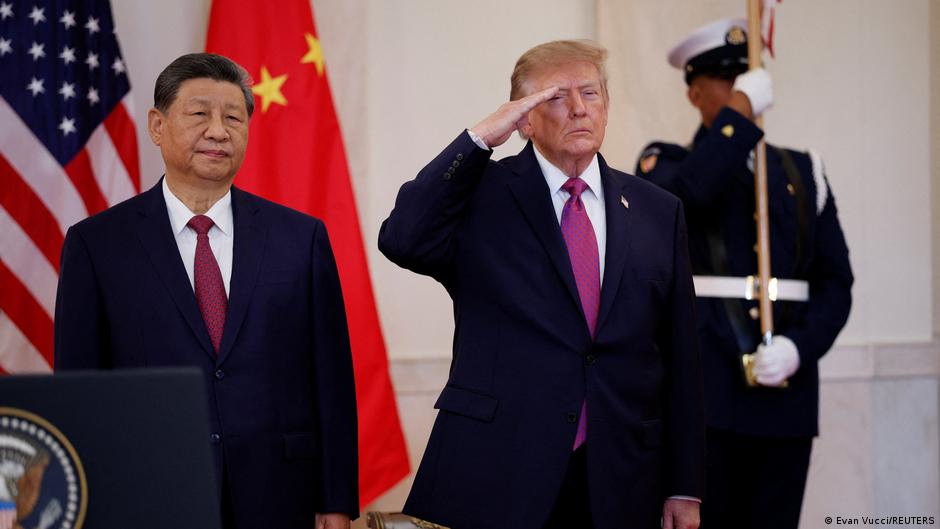
US President Donald Trump met with Chinese President Xi Jinping, where Xi pressed Trump to adopt Beijing's stance against Taiwan independence, which Taiwan rejected outright. Meanwhile, Taiwan is crucial for global tech and economy due to its leading semiconductor production; TSMC alone produces the majority of advanced chips that power smartphones, AI systems, and more. As Stanford Hoover fellow Eyck Freymann noted, economic disruption from a conflict over Taiwan would be severe.

In unrelated developments, Iranian President Masoud Pezeshkian met with US media at the UN General Assembly, where he denied Iran's nuclear ambitions while offering to dilute its enriched uranium and allow inspections under international law. He also blamed Washington for ongoing conflicts in the Middle East. The International Atomic Energy Agency (IAEA) estimates that Iran has over 440 kilograms of uranium enriched up to 60%, raising concerns despite Pezeshkian's denials.

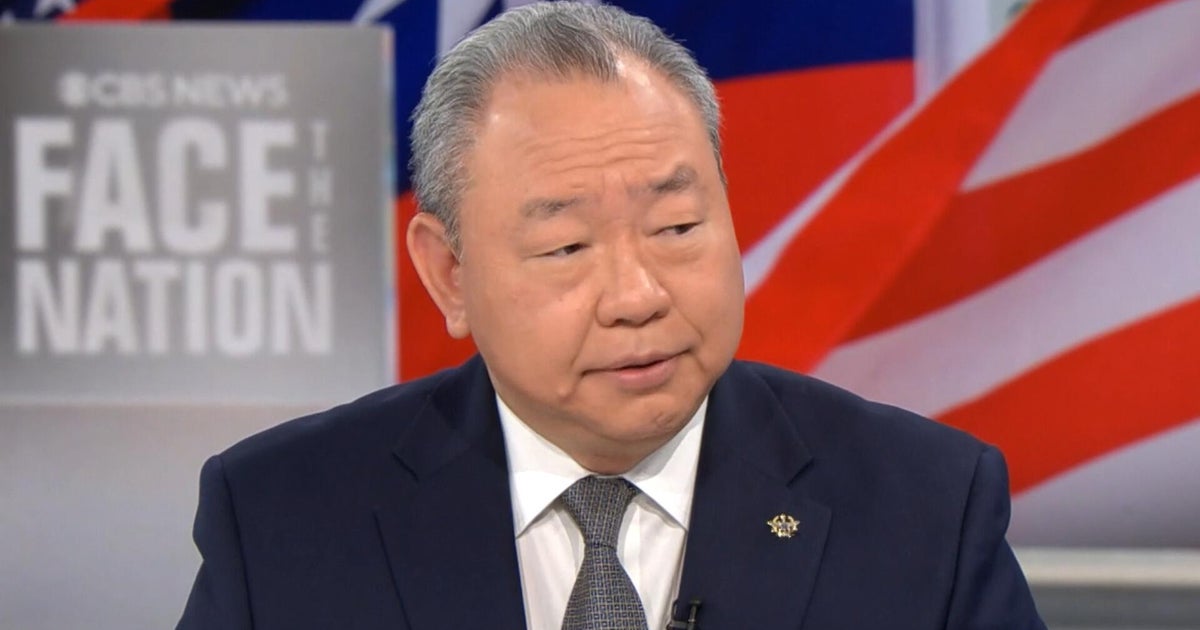
Taiwan's representative, Ambassador Alexander Yui, clarified during an interview on CBS’s "Face the Nation" that while Taiwan was discussed between Trump and Xi, it wasn't a major focus. He emphasized there has been no change in US policy towards Taiwan amid recent tensions with China.

Written for “Taiwan Iran Us Relations Midterms” on 2026-10-05, grounded in this article and the 386 other(s) covering the same event.

Signals How these are calculated →

Claims extracted
166
claim-shaped sentences
Uncertain
5%
9 of 166 hedged
Leaning
Leans left
of the writing, not the subject · beta estimate
Correction & hedging signals
59.1
corrections and hedging in what we collected; not a measure of accuracy
Outlets on this story
387
Politics
Narrative spread
1
articles carrying this framing
Analyzed 2026-09-26 · how these are computed

Story

📰 Taiwan Iran Us Relations Midterms
Politics · 387 article(s) covering the same event. See how they differ ↓

How this is being covered How these are calculated →

Article leaning vs. publisher reliability
Source leaning vs. consistency

Compared with similar articles

This article reads leans left and hedges 5% of its claims. Each row says how that neighbour differs.
Washington Examiner
⚖️ Leans left 🔴 0% hedged 0 of 36 📰 publisher trust 72
“Article A discusses a geopolitical meeting and stance on Taiwan, while Article B is an opinion piece using historical analogy to discuss broader themes about technology and culture in China.”
CBS News
⚖️ leaning not scored 🔴 0% hedged 0 of 1 📰 publisher trust 66
“Both articles discuss the stance of the US regarding Taiwan during a visit by Chinese President Xi Jinping, indicating the same diplomatic context and outcome.”
Semafor
⚖️ leaning not scored 🔴 0% hedged 0 of 6 📰 publisher trust 95
“The articles discuss different aspects of US-China relations, with Article A focusing on Xi Jinping's call for healthy competition in AI and Article B highlighting the impact of the meeting on Taiwan's status.”
The Straits Times
⚖️ leaning not scored 🔴 0% hedged 0 of 16 📰 publisher trust 59
“The articles describe related discussions between US and Chinese leaders regarding Taiwan policy but refer to different points in time and different spokespersons. Article A covers the meeting itself, while Article B reports on a follow-up statement by an envoy.”
The Straits Times
⚖️ Leans right further right than this 🔴 21% hedged 3 of 14 📰 publisher trust 59
“The articles discuss related geopolitical tensions and commitments regarding Taiwan, but describe different meetings or statements: one between Trump and Xi, and another involving Senator Wicker with Alexander Yui.”
Al Jazeera
⚖️ leaning not scored 🔴 10% hedged 6 of 63 📰 publisher trust 60
“Article A describes the initial state visit and truce extension, while Article B discusses the aftermath of the meeting focusing on Taiwan's stance.”
Euronews
⚖️ leaning not scored 🔴 10% hedged 2 of 20 📰 publisher trust 60
“Article A describes Trump and Xi's initial meeting during a state visit, while Article B discusses the context and implications of their talks regarding Taiwan.”
South China Morning Post
⚖️ Leans right further right than this 🔴 0% hedged 0 of 4 📰 publisher trust 67
“The articles discuss related geopolitical tensions but cover different aspects and meetings involving US, China, and Taiwan.”
Dawn
⚖️ leaning not scored 🔴 8% hedged 2 of 24 📰 publisher trust 77
“Article A covers a general trade truce and summit between US and China, while Article B focuses specifically on Taiwan's role in the geopolitical rivalry during the meeting.”
Deutsche Welle
⚖️ Leans right further right than this 🔴 13% hedged 5 of 38 📰 publisher trust 95
“The articles describe different aspects of the meeting: Article A focuses on Xi's demand regarding Taiwan independence, while Article B does not mention any discussion about Taiwan and instead highlights historical cooperation between China and the US.”

Publisher

Times of India · 1702 article(s) · 1 correction(s) detected
Running correction rate · 1 correction(s)
2026-10-04
Tennessee prison chief Frank Strada resigns after Christa Pike's botched execution

Who wrote this

Ayush Pandey
1 article(s) here · 1 carrying a prediction
🔮 As Stanford University Hoover fellow Eyck Freymann told Rest of World, “The economic shock from a serious Taiwan disruption would dwarf anything we’ve seen in the postwar period.”
The only article under this byline in the corpus.

Topics

Beijing Chinese TSMC Taiwan Washington

Subjects

Taiwan GPE · 16× TSMC ORG · 5× Beijing GPE · 3× China GPE · 2× Chinese NORP · 2× Japan GPE · 2× Washington GPE · 2× Donald Trump PERSON · 1× Trump PERSON · 1× Xi Jinping PERSON · 1×

Narrative

Taiwan is also becoming more important to AI The rapid expansion of artificial intelligence has made Taiwan's position even more important. AI systems require enormous amounts of computing power, and the most advanced AI accelerators depend on leading-edge semiconductor manufacturing and advanced packaging.
framing: assertive · carried by 1 article(s) · first seen 2026-09-26
🔮 As Stanford University Hoover fellow Eyck Freymann told Rest of World, “The economic shock from a serious Taiwan disruption would dwarf anything we’ve seen in the postwar period.”

Claims (166 extracted, 9 hedged)

The latest meeting between US President Donald Trump and Chinese President Xi Jinping has once again put Taiwan at the centre of the world's most consequential geopolitical and technology rivalry. asserted
meeting → put → rivalry
Xi pressed Trump during their Washington talks to adopt what Beijing calls the "correct position" of opposing Taiwan independence, according to a Chinese readout. uncertain
Beijing → press → readout
Taiwan rejected the demand, saying Beijing had no right to determine the island's future. asserted
Beijing → reject → future
The exchange came as Washington continues to balance its longstanding support for Taiwan with its broader effort to manage relations with Beijing. asserted
Washington → come → Beijing
The Taiwan question, however, is about more than territory, military power or competing political claims. uncertain
question → compete → territory
Taiwan produces the overwhelming majority of the world's most advanced chips, with Taiwan Semiconductor Manufacturing Company, or TSMC, at the centre of that ecosystem. asserted
Taiwan → produce → ecosystem
These chips power smartphones, artificial intelligence systems, high-performance computers, data centres, automobiles and increasingly sophisticated military technologies. asserted
chips → power → smartphones
As Stanford University Hoover fellow Eyck Freymann told Rest of World, “The economic shock from a serious Taiwan disruption would dwarf anything we’ve seen in the postwar period.” asserted
we → tell → period
The question is therefore not simply what would happen if China and Taiwan entered a military confrontation. asserted
China → happen → confrontation
It is why Taiwan became so important to the global chip industry, why TSMC is so difficult to replace, why the company depends on technology and suppliers across several countries, and why the US, China and India are all trying to reshape the semiconductor supply chain. asserted
US → become → chain
The world’s top semiconductor manufacturers powering everything from smartphones to AI data centres The island that became a semiconductor chokepoint Semiconductors are the building blocks of modern electronics. asserted
Semiconductors → power → electronics
They allow computers to process information, smartphones to function, vehicles to operate sophisticated electronic systems and AI data centres to perform enormous numbers of calculations. asserted
computers → allow → calculations
But semiconductor manufacturing is not concentrated in one country. asserted
manufacturing → concentrate → country
The supply chain is divided among economies with different strengths. asserted
chain → divide → strengths
The US has major capabilities in chip design, software and electronic design automation. asserted
US → have → design
Taiwan dominates advanced manufacturing. asserted
Taiwan → dominate → manufacturing
EUV lithography is at the heart of the race to control the world’s most advanced chips Taiwan's importance comes from the concentration of advanced manufacturing on the island. asserted
importance → control → island
Government data says Taiwan accounts for more than 60% of global chip production and nearly 90% of advanced chips. asserted
Taiwan → say → chips
TSMC's scale illustrates why it is difficult to replace. asserted
it → illustrate → ?
In 2025, the company manufactured 12,682 products using 305 process technologies for 534 customers. asserted
company → manufacture → customers
Its chips served sectors including high-performance computing, smartphones, automobiles, the Internet of Things and consumer electronics. asserted
chips → serve → Things
Its manufacturing capacity exceeded 17 million 12-inch equivalent wafers during the year. asserted
capacity → exceed → year
The company therefore sits between some of the world's largest technology companies and the physical production of their chips. asserted
company → sit → chips
TSMC sits at the centre of Taiwan’s semiconductor ecosystem and the global advanced-chip supply chain How Taiwan built its semiconductor advantage Taiwan's position was built over decades. asserted
position → sit → decades
In the 1970s, Taiwanese policymakers recognised that the island could not immediately compete with the US and Japan across the entire technology industry. uncertain
island → recognise → industry
Instead, it focused on specialised manufacturing capabilities and technology transfer. asserted
it → focus → capabilities
The Industrial Technology Research Institute, or ITRI, was established in 1973. asserted
Institute → establish → 1973
Taiwan subsequently acquired semiconductor technology from the US through licensing arrangements and trained engineers overseas. asserted
Taiwan → acquire → engineers
The development of the Hsinchu Science Park, established in 1980, added another crucial component. asserted
development → establish → component
Hsinchu brought together semiconductor companies, research institutions, universities, engineers and suppliers. asserted
Hsinchu → bring → companies
Over time, this geographic concentration created an ecosystem in which companies could access skilled workers, equipment, suppliers and technical expertise. uncertain
companies → create → workers
The decisive change came in 1987, when Morris Chang founded TSMC. asserted
Chang → come → TSMC
Chang's idea was to separate chip design from chip manufacturing. asserted
idea → separate → manufacturing
Instead of designing and selling its own branded chips, TSMC would manufacture chips designed by other companies. asserted
TSMC → design → companies
The model became known as the pure-play foundry model. asserted
model → know → model
TSMC's business model allowed companies such as Nvidia and Qualcomm to concentrate on chip architecture and design without having to build and operate their own advanced fabs. asserted
companies → allow → fabs
At the same time, TSMC could focus entirely on manufacturing. uncertain
TSMC → focus → manufacturing
The model also reduced concerns among customers that their manufacturing partner would compete with them in the chip market. asserted
partner → reduce → market
TSMC says its exclusive focus on manufacturing customers' products was central to the pure-play foundry model. asserted
focus → say → model
That division of labour helped create the modern fabless semiconductor industry and made TSMC a central manufacturing partner for some of the world's most valuable technology companies. asserted
TSMC → create → companies
…and 126 more, not listed.

💬Give feedback
🕘History 🎫Support