25 Years After 9/11, Muslims Are Still Politicians’ Favorite Scapegoat

The Intercept · collected 2026-09-04 · by The Intercept Briefing
Read the original at The Intercept ↗

Summary

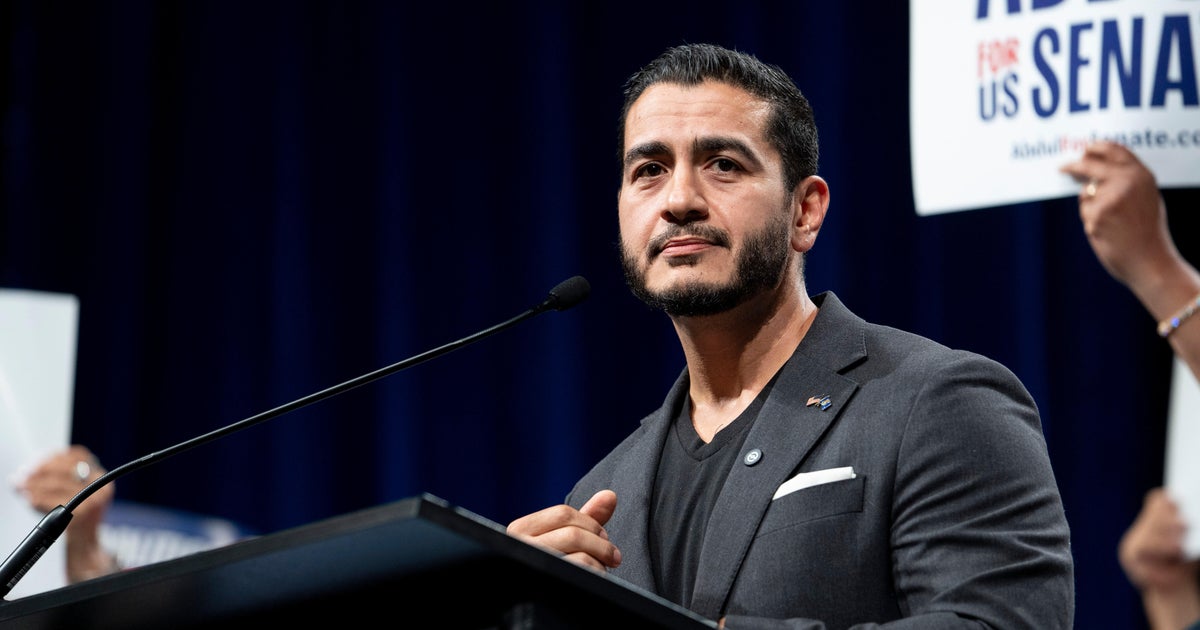
This opinion piece discusses how Islamophobia has persisted and intensified over the past quarter century, with notable incidents including attacks on Democratic Senate nominee Abdul El-Sayed and New York City Mayor candidate Zohran Mamdani. Journalist Rozina Ali argues that Islamophobia peaks during election season in the US, allowing politicians to use racist rhetoric as a distraction from policy discussions. She warns that the current trend of portraying Islam as a "political ideology" could lead to efforts to outlaw the religion altogether, a policy shift that began with Trump's call for a Muslim ban. Ali cites specific examples of anti-Muslim surveillance and convictions under ambiguous laws.
Written by the local model on 2026-09-06, using this article's own text rather than the other coverage of the same event (that is the story summary below).

Signals How these are calculated →

Claims extracted
345
claim-shaped sentences
Uncertain
5%
16 of 345 hedged
Leaning
Leans strongly left
of the writing, not the subject
Publisher trust
97.0
red-flag proxy, not a credibility rating
Outlets on this story
1
Politics
Narrative spread
1
articles carrying this framing
Analyzed 2026-09-06 · source text last changed 2026-09-06 · how these are computed

AI analysis (generated at analysis time, not now)

Story summary

Twenty-five years after the September 11 attacks, many Americans have failed to learn from the past, with politicians and pundits continuing to use anti-Muslim rhetoric to distract from real issues. President George W. Bush's "war on terror" launched in response to the attacks has left a legacy of Islamophobia, which is still being exploited today. The Department of Homeland Security and Guantánamo Bay prison remain active, and politicians are again using anti-Muslim sentiment to discredit candidates like Abdul El-Sayed, a Muslim nominee for the U.S. Senate, who is being labeled as a terrorist sympathizer by pro-corporate super PACs. In New York City, local media has suggested that Zohran Mamdani, the city's first Muslim mayor, should not attend the World Trade Center commemoration, implying that his presence would be an insult to victims and their families.

Written for “Post 9/11 Muslim Backlash” on 2026-09-05, grounded in this article and the 0 other(s) covering the same event.
Why this leaning score
The article's own words the score was based on. Each is quoted verbatim and was checked against the article text before being stored, so you can find it in the original.
Score -0.75 Confidence high
Leaning score -0.75 for article 3669 (high confidence, 4 verified quotes) · logged 2026-09-06

Story

📰 Post 9/11 Muslim Backlash
Politics · 1 article(s) covering the same event. This is the one the site leads with.

How this is being covered How these are calculated →

Article leaning vs. publisher reliability
Source leaning vs. consistency

Compared with similar articles

This article reads leans strongly left and hedges 5% of its claims. Each row says how that neighbour differs.
Zeteo
⚖️ Leans left further right than this 🔴 0% hedged 0 of 9
“Article A discusses the current state of Islamophobia and its connection to 9/11, while Article B focuses on a historical analysis of Islamophobia in the US dating back to the 1940s”
Home - CBSNews.com
⚖️ Leans strongly left 🔴 14% hedged 6 of 43 📰 publisher trust 59
“Article A discusses the potential scrutiny of Abdul El-Sayed's past remarks at a Sept. 11 commemoration, while Article B discusses the ongoing phenomenon of Islamophobia and its role in current politics”
When McCarthyism Hit My Family different event · 90%
Zeteo
⚖️ leaning not scored 🔴 10% hedged 1 of 10
“Article A refers to an incident in January 2026 where deportation goons killed protesters Renee Good and Alex Pretti, while Article B mentions the September 11 attacks as a historic example of anti-Muslim hatred and eroded civil liberties, with no mention of the specific event or date”
The Intercept
⚖️ Leans strongly left 🔴 5% hedged 4 of 81 📰 publisher trust 97
“Article A discusses CBS News tying Abdul El-Sayed to the 9/11 attacks as an anti-Muslim scandal, while Article B mentions the aftermath of the September 11 attacks and Islamophobia in general”
Just In
⚖️ Leans left further right than this 🔴 5% hedged 8 of 171 📰 publisher trust 96
“Both articles mention the September 11 attacks, but Article A focuses on the aftermath and Islamophobia, while Article B discusses the impact of the attack itself”

Publisher

The Intercept · 31 article(s) · 0 correction(s) detected
SignalValueWeight
Correction rate 0.000 0.4
Uncertainty density 0.060 0.25
Assertive mismatch rate 0.000 0.35
No corrections detected for this publisher. That may mean careful reporting, or simply that nothing has been checked.

Who wrote this

The Intercept Briefing
3 article(s) here · 1 carrying a prediction
🔮 A quarter century after the September 11 attacks emboldened then-President George W. Bush to launch the “war on terror,” many Americans might like to think they’re wiser than the politicians and pundits who unleashed a flood of anti-Muslim hatred and eroded civil liberties through warrantless wiretaps and racist deportation campaigns.
🔮 But it will impact you.”
2026-08-28 · assertive framing · Right-Wing Trans Hate Comes for the WNBA
🔮 “They don’t have even the basic sort of guarantee that there is a cloak of security allowing them to operate in the traditional ways that they would like to.”
2026-08-24 · assertive framing · What American Doctors Saw in Gaza
Also by The Intercept Briefing
Right-Wing Trans Hate Comes for the WNBA
2026-08-28 · The Intercept
What American Doctors Saw in Gaza
2026-08-24 · The Intercept
Nothing else under this byline is closely related to this article, so these are simply their most recent.

Topics

American Muslim U.S. anti-Muslim the September 11 attacks

Subjects

Ali PERSON · 5× Muslim NORP · 4× U.S. GPE · 3× Akela Lacy PERSON · 2× American NORP · 2× The Intercept Briefing ORG · 2× anti-Muslim NORP · 2× Americans NORP · 1× Bush PERSON · 1× George W. Bush PERSON · 1×

Narrative

As you’re talking, I can’t help but think about the irony of trying to frame Islam as a political ideology, while the rise of the Christian far-right as an actual political ideology is completely undergirding the Trump administration and its policy priorities across disciplines — and redirecting attention away from what is a very real manifestation of religion as a political ideology toward this scapegoated community that is not just a distraction, but is causing actual harm.
framing: assertive · carried by 1 article(s) · first seen 2026-09-04
🔮 A quarter century after the September 11 attacks emboldened then-President George W. Bush to launch the “war on terror,” many Americans might like to think they’re wiser than the politicians and pundits who unleashed a flood of anti-Muslim hatred and eroded civil liberties through warrantless wiretaps and racist deportation campaigns.
2026-09-06 · The Intercept
25 Years After 9/11, Muslims Are Still Politicians’ Favorite Scapegoat · assertive framing

Claims (345 extracted, 16 hedged)

A quarter century after the September 11 attacks emboldened then-President George W. Bush to launch the “war on terror,” many Americans might like to think they’re wiser than the politicians and pundits who unleashed a flood of anti-Muslim hatred and eroded civil liberties through warrantless wiretaps and racist deportation campaigns. uncertain
who → embolden → wiretaps
But some of the most notorious Bush-era advents — like the Department of Homeland Security and the prison colony at Guantánamo Bay — don’t appear to be going anywhere. asserted
some → appear → Bay
Nor does the phenomenon of Islamophobia, which is playing a major role in the current political cycle. asserted
which → do → cycle
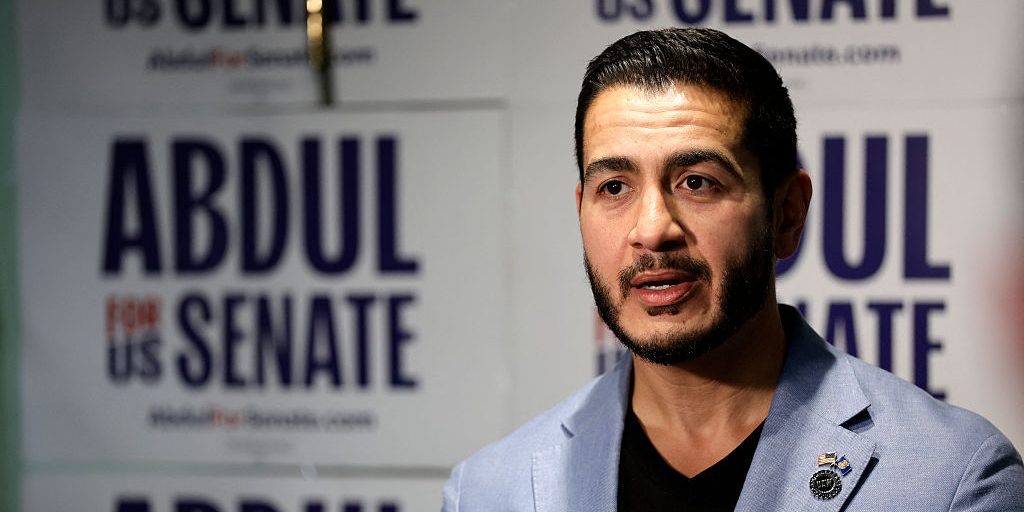
Michigan Democratic Senate nominee Abdul El-Sayed — who, if elected, would be the first Muslim U.S. senator — has been called a terrorist, a radical Islamist, and a threat to national security, as pro-corporate and pro-Israel super PACs spend millions on ads that paint him as a terrorist sympathizer. asserted
that → elect → sympathizer
In New York City, meanwhile, local media has suggested that the city’s first Muslim mayor, Zohran Mamdani, should not attend the commemoration of the World Trade Center attacks, as if to do so would be an insult to the victims and their families. uncertain
do → suggest → victims
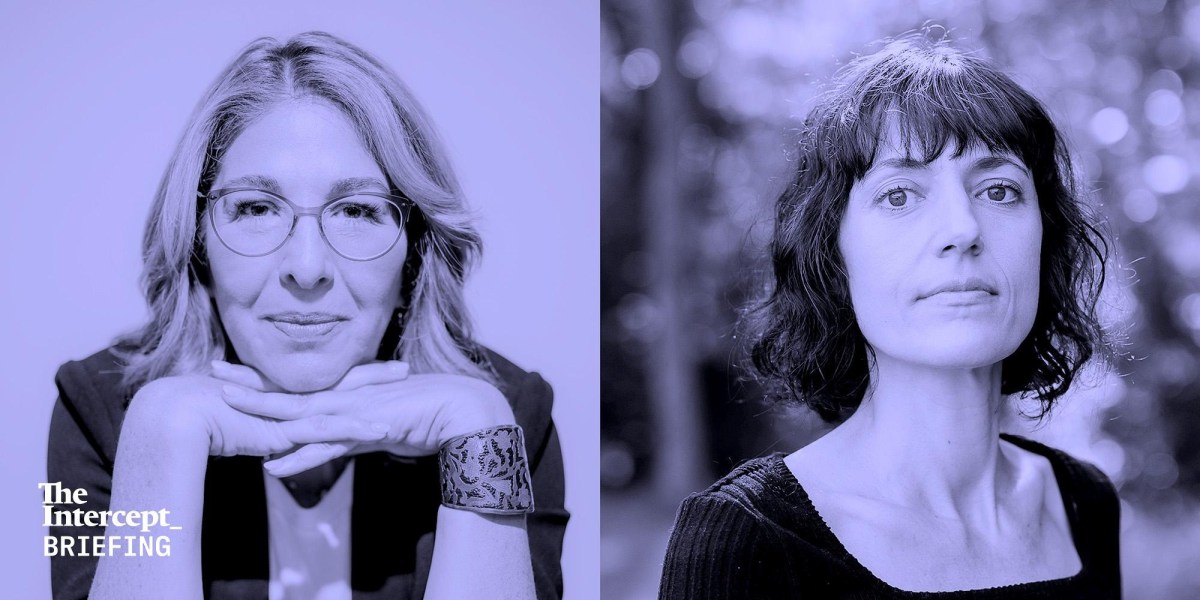
“Islamophobia actually becomes more rampant during election season — not necessarily after a terrorist attack, but actually during election season in the U.S.,” journalist Rozina Ali tells The Intercept Briefing. asserted
Ali → become → Briefing
“What’s happened over the last three decades is that Islamophobia has become a feature of American politics. … asserted
Islamophobia → happen → politics
When you can’t actually discuss the policies, when we’re not willing to engage in facts, it’s really easy to throw racist rhetoric at people.” asserted
it → discuss → people
“The fight that we’re seeing now is whether we are willing to accept all forms of religion in this country. asserted
we → see → country
And as much as I want to say this is just more of what we’ve seen in the past, I think what does frighten me is how quickly we are moving to a place where some governor or some local official might try to outlaw Islam altogether. uncertain
governor → want → Islam
And mind you, this is even a policy shift from 10 years ago when Trump called for a Muslim ban,” says Ali. asserted
Ali → mind → ban
“What has been happening recently is that the rhetoric … has been shifting toward, ‘Islam is not a religion, it’s a political ideology.’ asserted
it → happen → ?
This is not a new talking point, but it is becoming institutionalized. asserted
it → become → ?
There are efforts to make it into law, which is a frightening place to be.” asserted
which → be → law
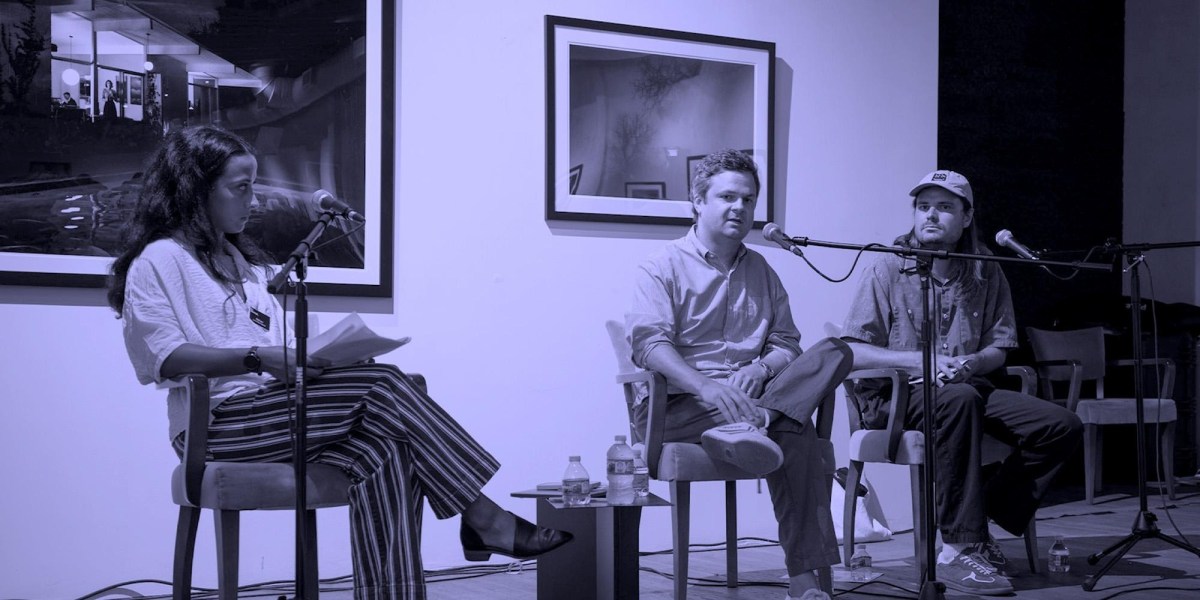
This week on the podcast, host Akela Lacy speaks to Ali about how anti-Muslim rhetoric and policies are on the rise and have endured, or even worsened, in the post-9/11 world, as well as her new book, “Seasons of Fury: Four Families and the Rise of Islamophobia in America.” asserted
rhetoric → speak → America
Ali shares the first case in which the NSA admitted to spying on a U.S. citizen, Arab American attorney Abdeen Jabara, as well as the story of imam Yassin Aref, a victim of a controversial sting operation who served 15 years in federal prison due to the ambiguous “material support” for terrorism law first passed in the ’90s. asserted
who → share → 90s
It was the same charge used to convict anti-ICE protesters at Prairieland Detention Center to decades in prison this year. asserted
It → use → prison
“This was something lot of civil rights lawyers and activists were warning about even back then, because they recognized that this law and this war on terror can be used to attack dissidents and eventually will be used to attack a lot more people than the Muslim community. asserted
law → warn → community
And that is what we’re seeing now,” says Ali. asserted
Ali → see → what
“Because we’ve given so much power to the executive branch, because we’ve given so much power to the government over the last 25 years, the government gets to decide who they consider enemies, who they consider terrorists, and what they consider support for terrorism,” says Ali. asserted
Ali → give → terrorism
“The Trump administration can say, ‘I now consider leftists terrorists,’ and unfortunately, there are laws in the books that allow him to do that.” asserted
him → say → that
For more, listen to the full conversation of The Intercept Briefing on Apple Podcasts, Spotify, YouTube, or wherever you listen. asserted
you → listen → Podcasts
Welcome to The Intercept Briefing, I’m Akela Lacy, senior politics reporter at The Intercept. asserted
I → welcome → Intercept
Jessie, it’s Labor Day weekend. asserted
it → ’ → ?
Unless you’re a summer-truther like me, this marks the end of summer for most people. asserted
this → ’re → people
And accordingly, things are taking a hard pivot toward November. asserted
things → take → November
I’m going to run through a few things that caught my eye in the last few days: ICE is planning to pay $5 million to create a national voter database, per reporting from Wired. asserted
ICE → go → Wired
Nothing to see there, I’m sure. asserted
I → see → ?
The Trump administration is also deploying hundreds of Department of Homeland Security agents to conduct a witch hunt for unspecified voter fraud, despite lacking evidence that that’s a real issue. asserted
that → deploy → evidence
In Congress, Democrats are considering whether to punish two lawmakers who sided with Republicans this week to advance a key procedural vote. asserted
who → consider → vote
And they’re weighing new rules for the caucus that worry progressives and several other caucuses across the ideological spectrum. asserted
that → weigh → spectrum
But progressives in particular are worried that these new rules, if passed, could ice out the new class of socialists who are on track to take office in January. uncertain
who → worry → January
Separately, but perhaps most importantly, the United Nations said we’ve basically lost any chance to stop the worst of global warming. asserted
we → say → warming
OK, I’m really going to avoid making a heat joke. asserted
I → go → joke
But I will say that August in Washington is officially over and that means not only is the weather getting a little bit cooler, although, I guess, we’ll see. asserted
we → say → Washington
It also means there is a lot more news to cover. asserted
It → mean → ?
Although, I would say it is hard to argue we’ve gotten much rest this last month. asserted
we → say → rest
In Massachusetts on Tuesday night, Democratic Sen. Ed Markey easily defeated his challenger, Democratic congressman Seth Moulton. asserted
Markey → defeat → challenger
Moulton had run on his relative youth, but was hamstrung by people’s perception that he was both inauthentic and far too conservative for the state. asserted
he → run → state
After the 2024 presidential election, Moulton had made this very public appeal to the right, arguing that protecting transgender children had harmed Democrats electorally and that it made them seem out of touch. asserted
them → make → touch
…and 305 more, not listed.
💬 Give feedback
🕘 History 🎫 Support