Washington Examiner
· collected 2026-09-25 · by Naomi Lim and Timothy Nerozzi
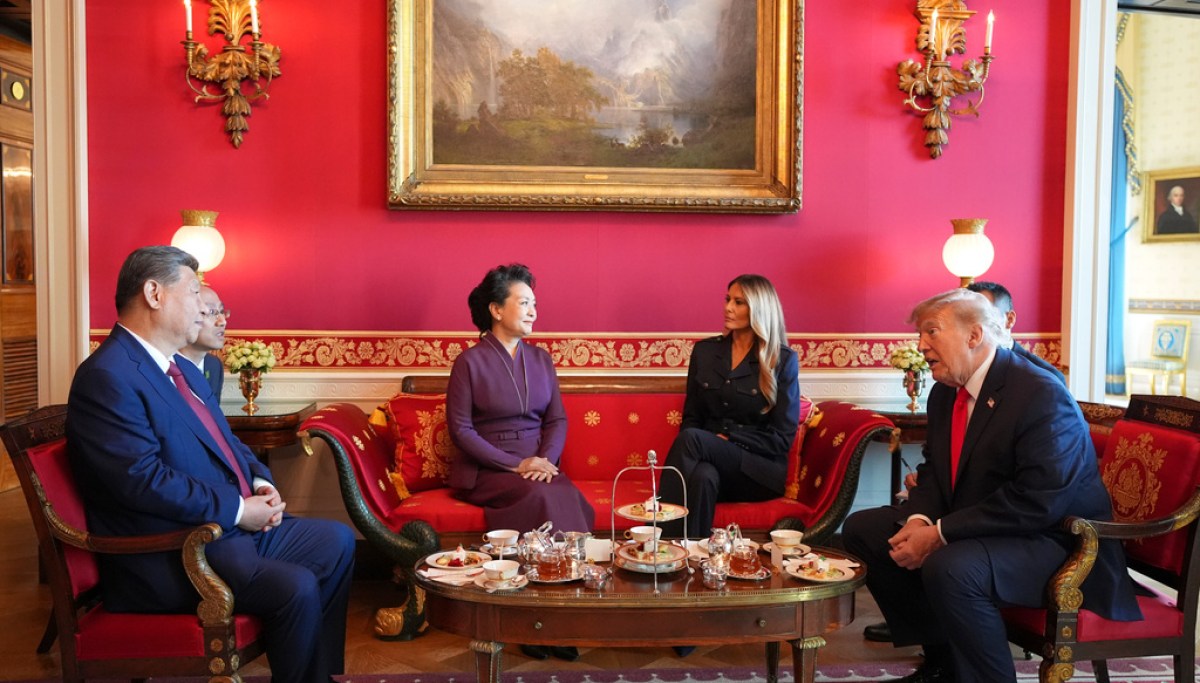
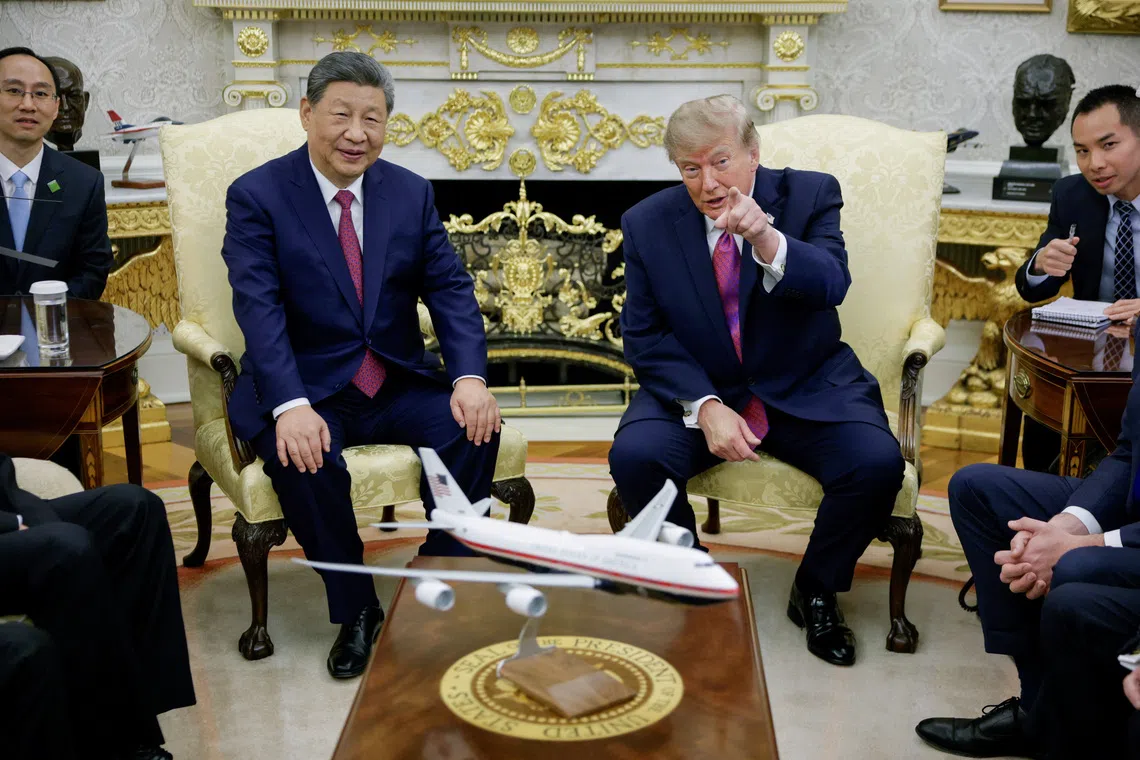
U.S. Ambassador to China David Perdue told CNBC that President Trump communicated to Chinese leader Xi Jinping during his visit to Washington a demand for China to cease all aid to Iran, both direct and indirect. Perdue claimed that China assured the U.S. they would stop such assistance, though he acknowledged past instances of support from Beijing to Tehran. The meeting between Trump and Xi did not produce immediate official developments but included discussions on Iran, with Trump affirming they had spoken about it.
Written locally by qwen2.5:14b on 2026-09-25,
using this article's own text rather than the other coverage of the
same event (that is the story summary below).
Story summary
Before the Xi-Trump summit last week, analysts expected soybeans to be included in tariff-reduced arrangements between China and the U.S., but China excluded them from a tariff-reduction list released on September 28, 2026, despite cutting tariffs on other agricultural goods like corn, wheat, meat, and dairy. This decision disappointed American farmers, such as John Bartman, an Illinois-based soybean farmer who called it "a missed opportunity." U.S. soybeans still face an additional tariff of 10%, which traders say is too high for private crushers to absorb, even as Chinese state buyers have stepped up purchases. Despite this exclusion, both sides agreed to form a trade council to discuss reciprocal tariff cuts on $30 billion worth of products and stabilize economic ties.
Written for “US-China Tariff Cuts Deal” on 2026-10-05,
grounded in this article and the 283 other(s) covering the same event.
The United States is demanding that China cease any aid to the Islamic Republic of Iran, and the U.S. ambassador claimed Beijing is playing ball.
asserted
Beijing → demand → ball
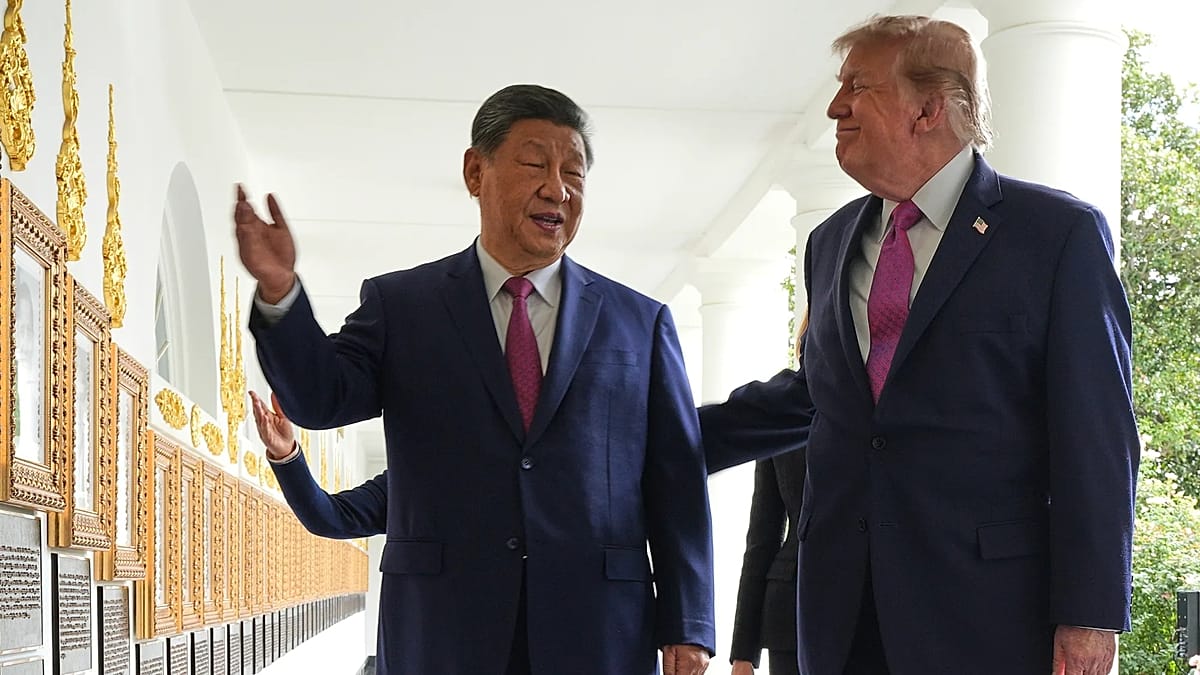
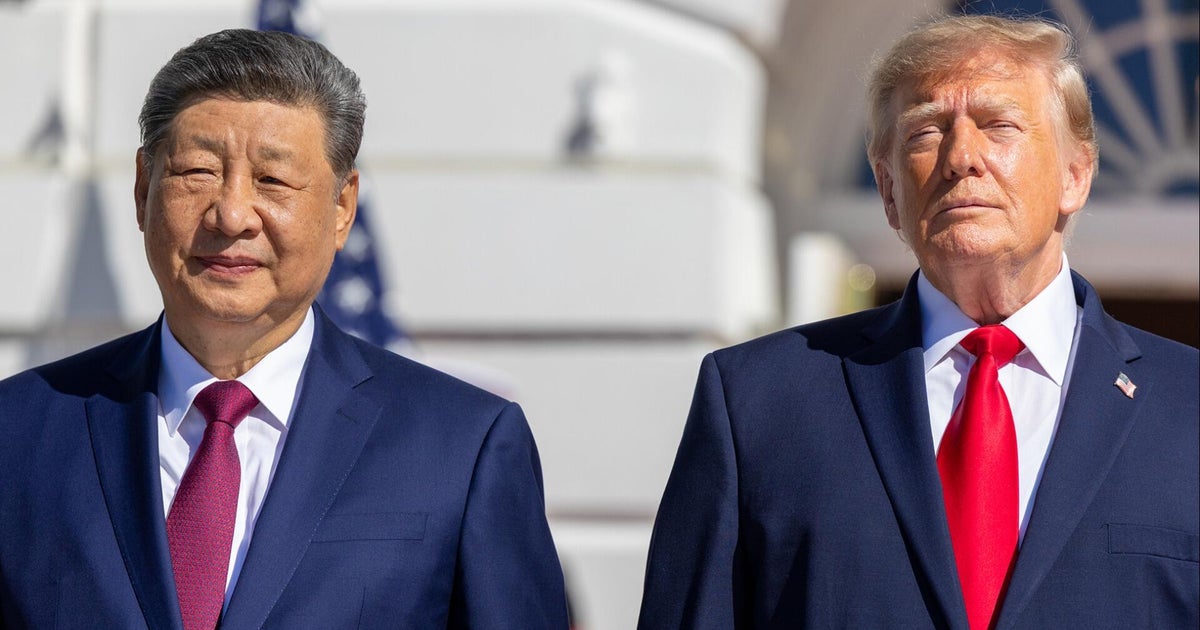
Ambassador to China David Perdue told CNBC in a Friday interview that President Donald Trump has communicated this request for weeks but revisited the issue during Chinese President Xi Jinping’s visit to Washington.
asserted
Trump → tell → Washington
“We made it very clear to them weeks ago that any help that they would give Iran — whether it be direct or indirect, whether it be intelligence or parts or military equipment — was totally unacceptable,” Perdue said.
asserted
Perdue → make → Iran
“President Trump made that very clear again yesterday.”
asserted
that → make → ?
Asked in a separate interview with Fox News’s America’s Newsroom whether the U.S. government actually expected the Chinese Communist Party to follow its demand, Perdue said officials have “seen movement on that already.”
asserted
officials → ask → that
“That’s what the commitment is.
asserted
commitment → ’ → ?
They assured us yesterday they’re not doing that,” Perdue said, acknowledging that “in the past, there was some intel and some potential parts that went to [Iran] either directly or indirectly.
asserted
that → assure → Iran
There was much speculation about what the two world leaders could announce by the end of their highly anticipated summit.
uncertain
leaders → be → summit
Iran was among the most prominent issues heading into the meeting, as Iran relies heavily on Chinese oil purchases and indirect support to keep its crippled economy functioning.
asserted
Iran → head → economy
But thus far, few official developments have emerged.
asserted
developments → emerge → ?
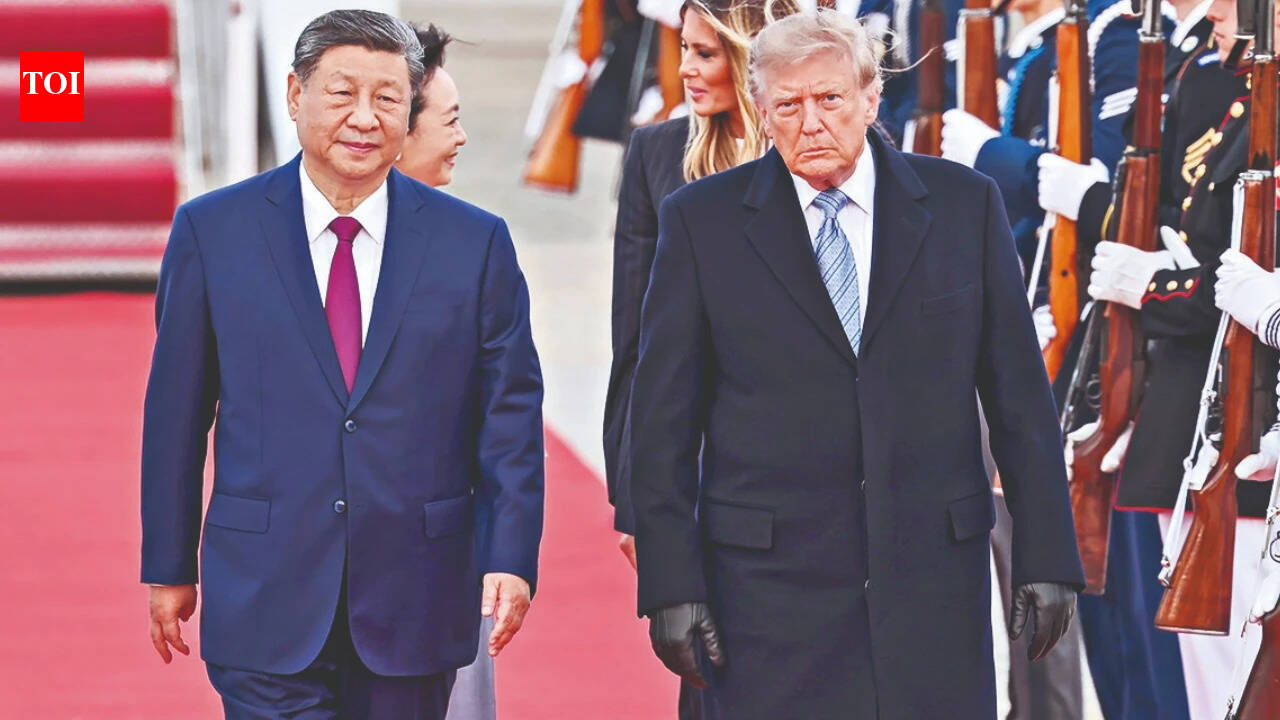
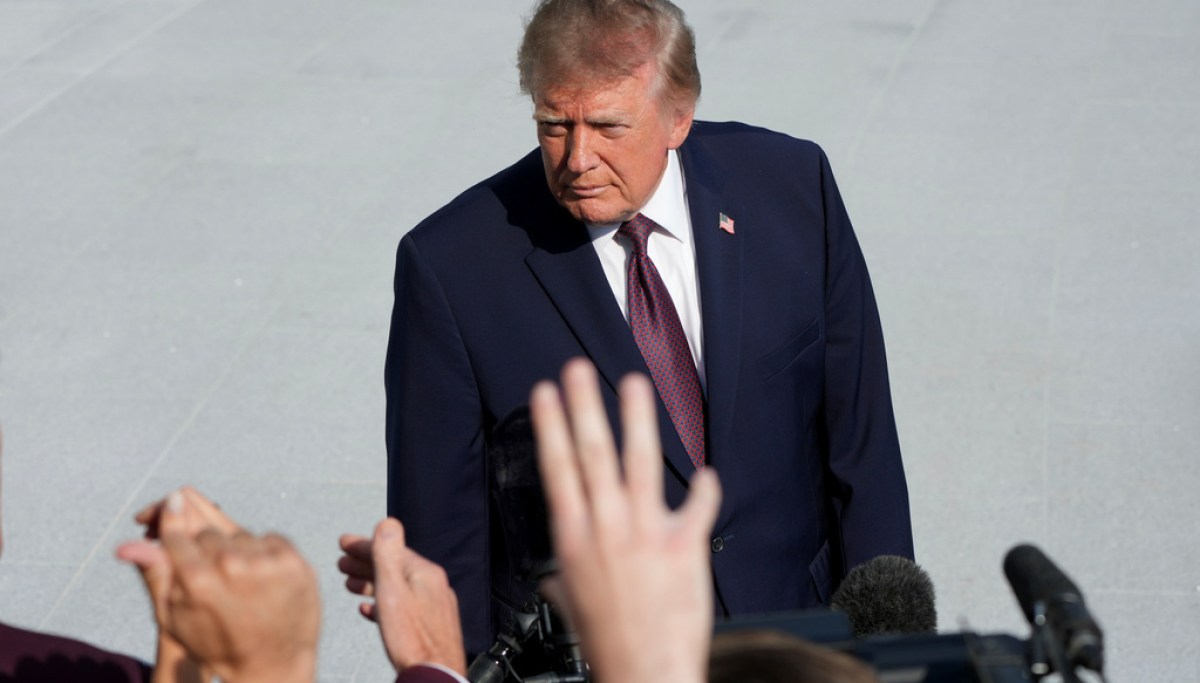
As the two leaders walked near the press pool on Friday, Trump was asked whether he had spoken with Xi about the situation in Iran.
asserted
he → walk → Iran
Trump affirmed “we did” before responding to a follow-up question about the Strait of Hormuz by stating “I think we’re going to do great.”
asserted
we → affirm → Hormuz
A U.S. official told the Washington Examiner on Friday that American negotiators are “having positive and constructive discussions through the mediators.”
asserted
negotiators → tell → mediators
“The United States is in a very strong position with control of the Strait of Hormuz, so we are not in a rush,” the official said.
asserted
official → say → rush
“Over the last 48 hours, nearly 40 million barrels of oil have transited the Strait.”
asserted
barrels → transit → Strait
The Iranian delegation to the United Nations offered a scorched-earth address this week that accused the U.S. of “genocide” and “terrorism” against its people for launching Operation Epic Fury earlier this year.
asserted
that → offer → Fury
“We will never bow our heads or bend our knees,” said Iranian President Masoud Pezeshkian.
asserted
Pezeshkian → bow → knees
“We are ready for dialogue, diplomacy, and negotiations, but will never accept the language of force.”
asserted
We → accept → force
Richard Goldberg, senior adviser at the Foundation for Defense of Democracies and a former director on countering Iran for the White House National Security Council, told the Washington Examiner that the Iranians are seeking to navigate their treacherous situation by deflecting their own crimes and twisting the knife on how the war has affected the global energy market.
asserted
war → counter → market
“Two things can be true at once: the current strategy of squeezing the regime is working for us, while the tightness in the refined product market is worrisome — with other factors like Ukraine and shrinking domestic capacity playing an outsized role there,” Goldberg said.
asserted
Goldberg → squeeze → role
“It makes for good media fodder, which was perhaps their intention,” he said of the Iranian speech at the U.N. “Either attempting to use the election season to pressure Trump or distract the conversation from a delegation of people representing a regime that mass slaughtered 50,000 civilians.
asserted
that → make → civilians
In the end, they know they can’t keep this up beyond Election Day — either Trump will escalate, which they fear, or the regime may financially collapse, which they also fear.
uncertain
they → know → which
China has attempted to keep a low profile and political distance from the conflict with Iran, an ally that has at times proved to be a liability for international relations.
asserted
that → attempt → relations
Beijing has instead rendered aid and supported the Iranian regime under the table with black market oil refineries, intelligence sharing, and cooperation on technologies.
asserted
Beijing → render → technologies
“Although China has largely refrained from selling weapons directly to Iran since the mid-2000s, Beijing’s support for Tehran has continued in other forms,” the U.S.-China Economic AND Security Review Commission stated in a report this month.
asserted
Commission → refrain → report
“China has provided significant economic, technological, and diplomatic support that has helped Iran mitigate international sanctions, sustain oil exports, and acquire dual-use technologies necessary for Iran’s drones, ballistic missiles, and other weapons.
asserted
Iran → provide → drones
”
If China were to genuinely cease direct and indirect aid to Iran, it would be a catastrophic blow to the Islamic regime’s long-term viability.
asserted
it → cease → viability
 The Aporia