CBS News
· collected 2026-09-23 · by Melissa Quinn, Jacob Rosen, Stefan Becket
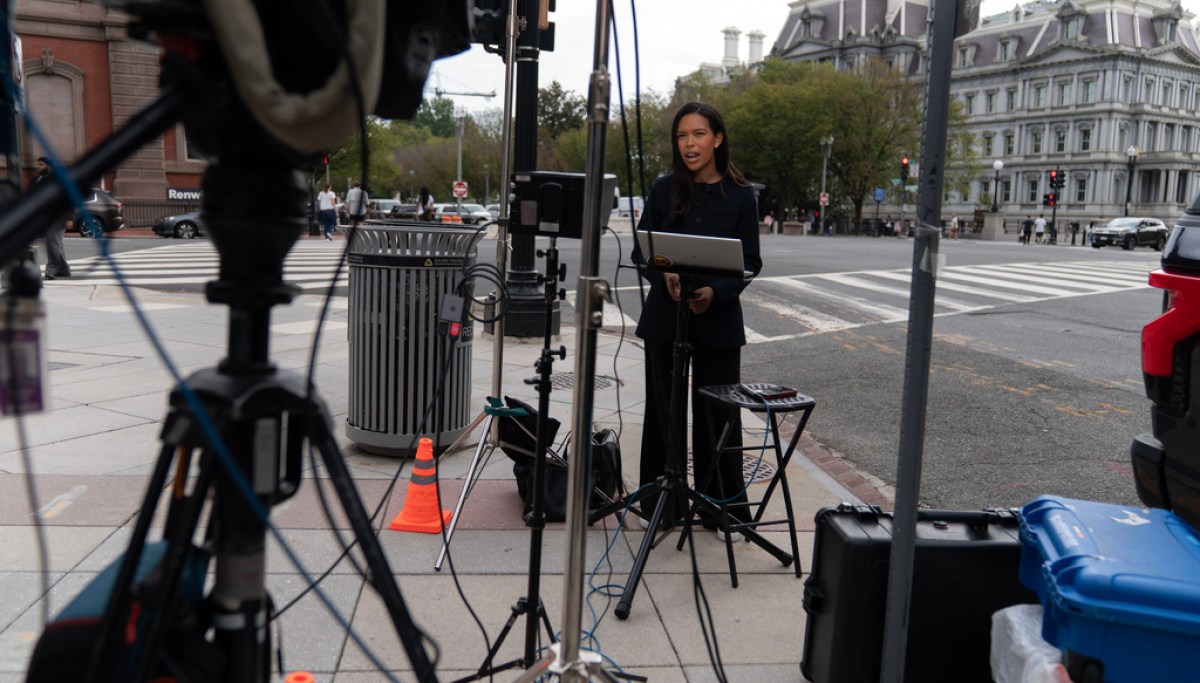
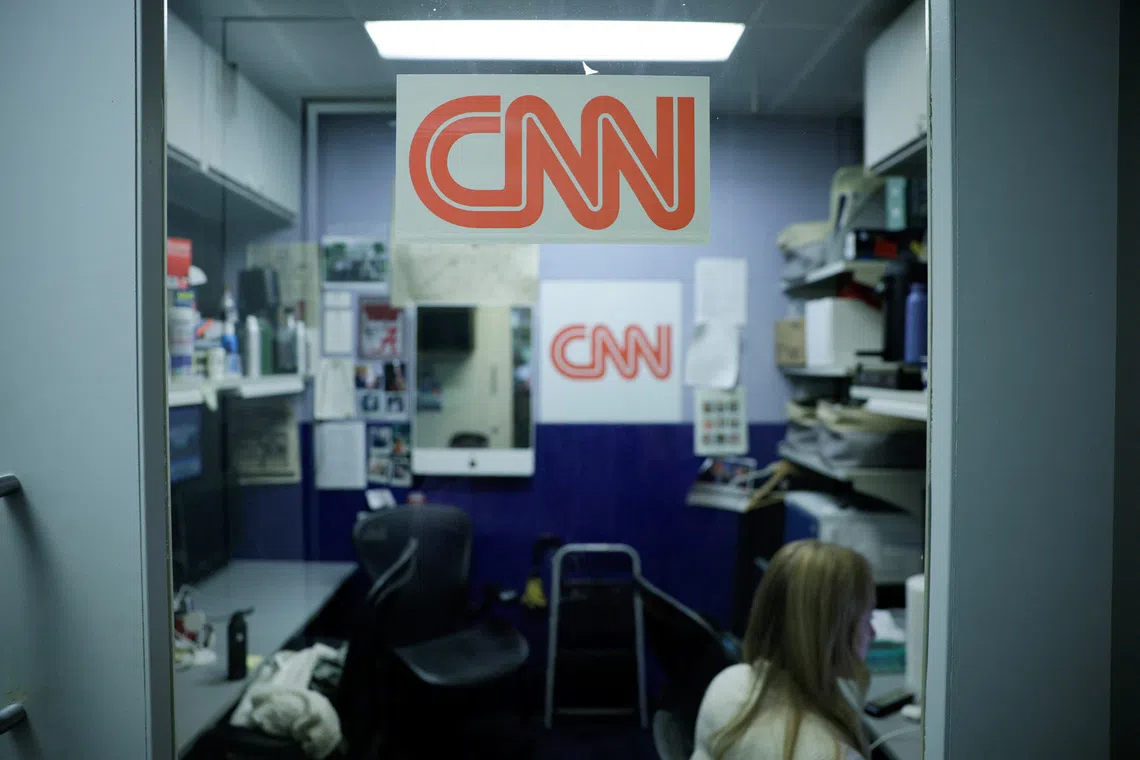
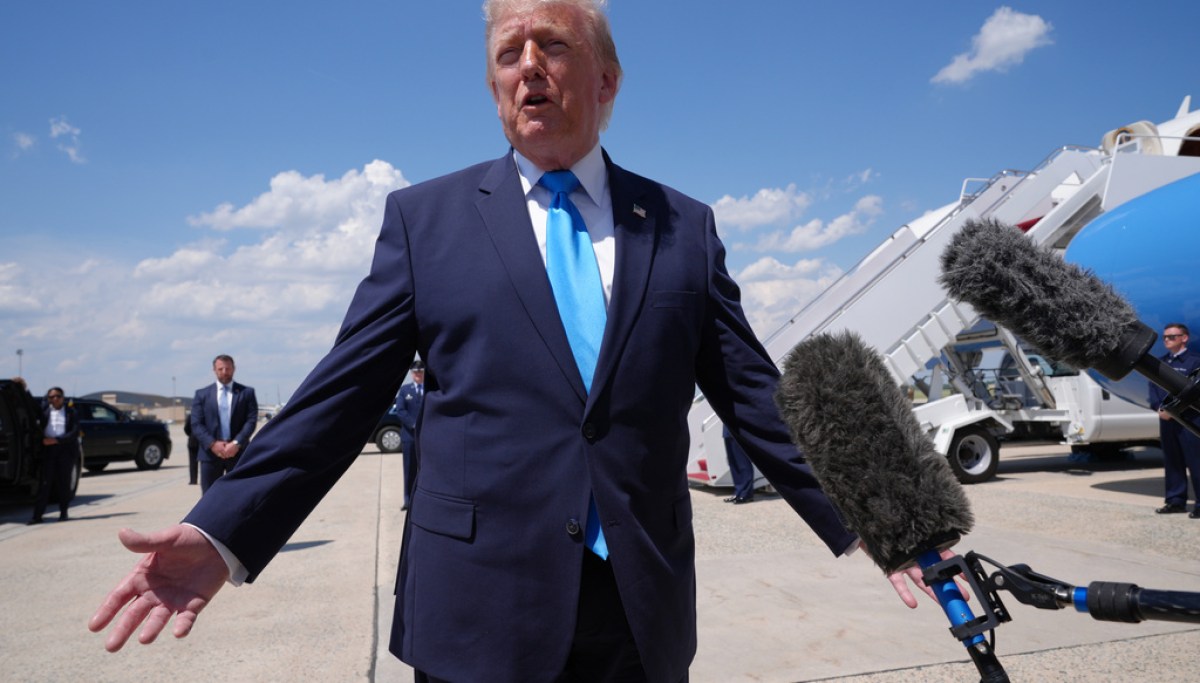
Judge Timothy Kelly of the U.S. District Court for the District of Columbia expressed skepticism towards President Trump’s decision to ban CNN, MS NOW, and Politico from the White House grounds last week. During a hearing on Wednesday, Kelly noted that the news outlets were not given due process before their access was revoked, citing two previous cases in the D.C. Circuit Court as precedent for requiring proper procedures when revoking press credentials. The Justice Department argued that letters sent to the media organizations after they lost their access detailed violations of professional standards, but Judge Kelly questioned the timing and legitimacy of these communications, suggesting they did not provide adequate notice or opportunity to respond prior to the ban.
Written locally by qwen2.5:14b on 2026-09-24,
using this article's own text rather than the other coverage of the
same event (that is the story summary below).
A federal judge on Wednesday signaled he is skeptical of President Trump's
from White House grounds, saying in a hearing that the outlets were not given due process before their access was cut off.
asserted
access → signal → process
Judge Timothy Kelly of the U.S. District Court for the District of Columbia heard arguments from the attorneys for the news outlets and the Justice Department in the dispute.
asserted
Kelly → hear → dispute
Mr. Trump announced last week that the outlets were banned from the White House for their reporting.
asserted
outlets → announce → reporting
All three filed suit on Monday and sought a temporary restraining order, asking Kelly to immediately restore their employees' access to the White House complex.
asserted
three → file → complex
Kelly pointed to two cases in the U.S. Court of Appeals for the D.C. Circuit that serve as precedent: a case known as Karem v. Trump from 2022, and another known as Sherrill v. Knight that was decided in 1977.
asserted
that → point → 1977
Those cases established the precedent that the Fifth Amendment's right to due process applies when the White House tries to revoke a journalist's access.
asserted
House → establish → access
"I think it is fair to say" that the process laid out in those two cases "wasn't followed here," Kelly said in Wednesday's hearing.
asserted
Kelly → think → hearing
In a
late Tuesday ahead of the hearing, the Justice Department said government lawyers submitted letters to the three outlets telling them their access was revoked.
asserted
access → say → them
The letters claimed that the news outlets have "exhibited behavior in violation of the standards of professionalism and decorum expected of those given access to the White House Complex, including by trafficking in verifiable falsehoods about national security and other issues, and publishing sensitive or classified information.
asserted
outlets → claim → information
"The White House press office gave each of the news organizations until Friday at 5 p.m. to respond to the decision to revoke their credentials.
asserted
office → give → credentials
But Kelly pressed the Justice Department about the timing of the letters, noting that the news outlets only received notice about appropriate conduct after losing their credentials.
asserted
outlets → press → credentials
"I don't know how a letter that they got after the pass was revoked could provide them with the kind of standards that they would have to conform their conduct to.
uncertain
they → know → conduct
It's a piece of paper they got saying, 'You've already violated this,'" the judge said.
asserted
judge → say → this
Ted Boutrous, an attorney representing the news outlets, told the judge that the letters "completely do not reflect what the president himself has said" and did not "even [come] close to conforming with due process or the First Amendment."
asserted
president → represent → process
"The letters announced after-the-fact standards," Boutrous said.
asserted
Boutrous → announce → standards
Boutrous also took issue with the government's notion that there are national security issues at play, saying that assertion was a "post hoc" justification and "not legitimate."
asserted
assertion → take → play
He said the government views national security as a "talisman" and "magic words."
asserted
government → say → talisman
"They're literally arguing that reporters shouldn't scrutinize national security decisions and activities by the government," he said, referring to the Justice Department's argument.
asserted
he → argue → argument
"That's what the First Amendment baked into the Constitution — that journalists and the press could hold government officials accountable, serve as a check on them."
uncertain
officials → bake → them
Boutrous noted that Mr. Trump only mentioned national security as a justification for revoking the journalists' access on Monday after the news organizations filed their lawsuit, saying it was like a "lightbulb went off" to raise it as an issue.
asserted
lightbulb → note → issue
But Michael Velchik, a lawyer at the Justice Department, argued that "access to the White House is a privilege, not a right," and rejected Boutrous' argument that the president was discriminating against the news outlets based on the content of their coverage.
asserted
president → argue → coverage
He noted that Mr. Trump frequently criticizes members of the media, including from outlets like ABC News and the New York Times, which continue to have access to the White House.
asserted
which → note → House
Reporters "can't have a get-out-of-jail-free card" if they can find a social media post criticizing them, Velchik said.
asserted
Velchik → have → them
Velchik also argued that the president should be allowed to "take immediate action" to protect national security by swiftly banning the reporters.
asserted
president → argue → reporters
Kelly closed the hearing without issuing a ruling from the bench, but said he would make a decision "as soon as I can."
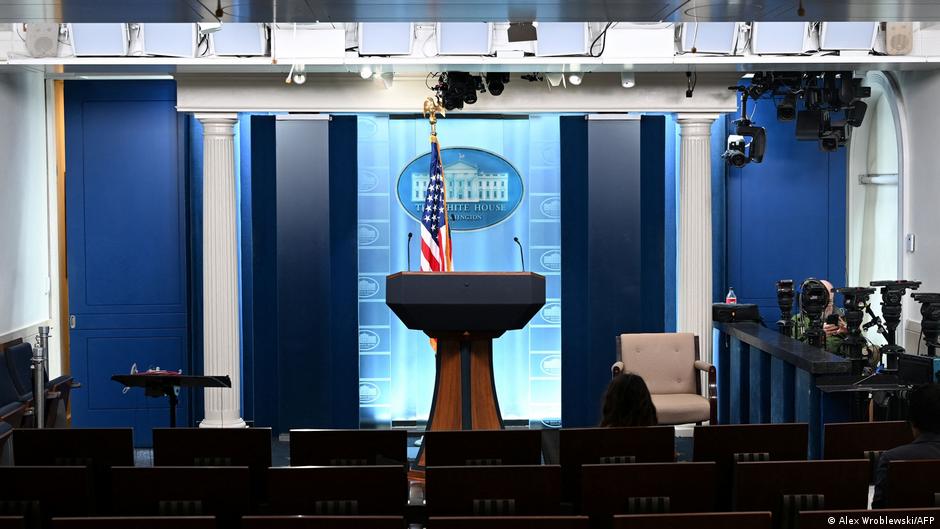
Mr. Trump's ban had an immediate impact not only on each outlet's ability to access the White House grounds, but also CNN's participation in the White House television pool, which also includes four other outlets: CBS News, ABC News, NBC News and Fox News.
asserted
which → close → outlets
CNN was supposed to travel with Mr. Trump to New York on Monday for the United Nations General Assembly as part of the
, but was removed from the trip because of the ban.
asserted
CNN → suppose → ban
five-network television pool captures footage of the president that is then distributed to the other members of the TV pool and their affiliates and subscribers.
asserted
that → capture → pool
Only these networks have set up and maintained the physical infrastructure to transmit footage from the White House and when traveling with the president to affiliates.
asserted
networks → set → affiliates
Chinese President Xi Jinping is set to arrive in Washington, D.C., later Wednesday, but the major television networks in the pool are not providing coverage of Mr. Trump's activities because of the ban.
asserted
networks → set → ban
 The Aporia