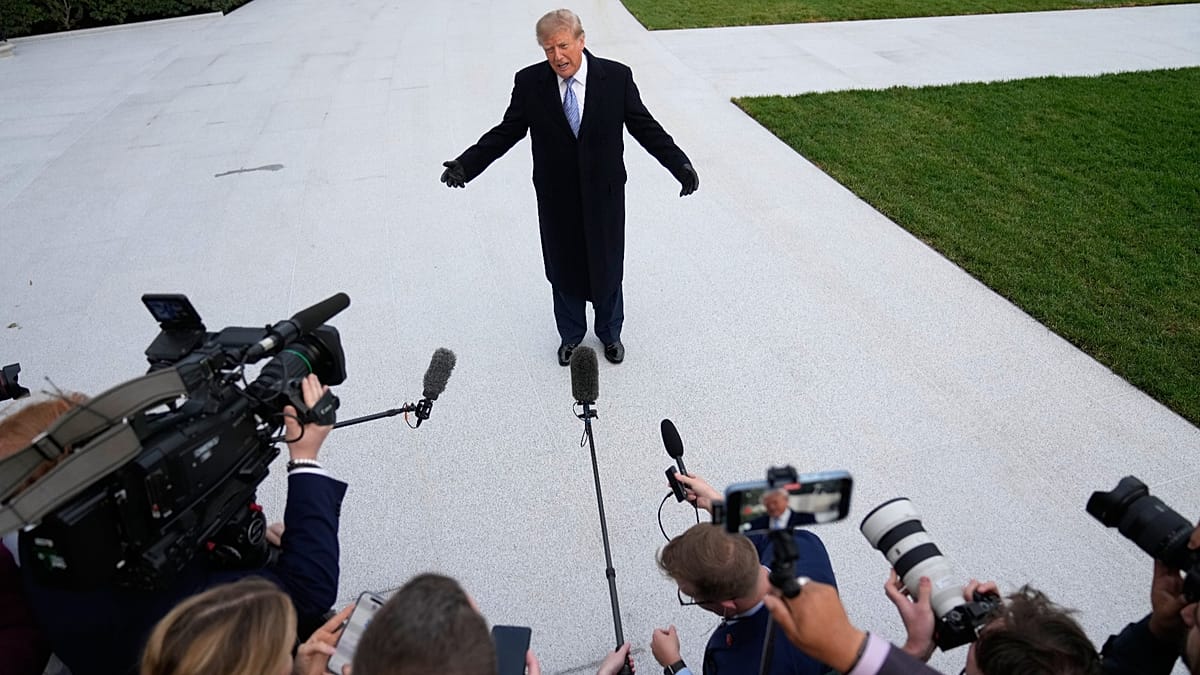
CNN, MS NOW, and Politico are suing the Trump administration after being barred from the White House due to negative coverage of President Trump's actions. The news organizations notified the administration on Monday and requested a federal court in Washington to restore their access immediately, arguing that the move violates their First Amendment rights. Journalists from these outlets were denied entry starting Saturday, with some having press credentials confiscated and being prevented from using designated camera locations at the White House.
Written locally by qwen2.5:14b on 2026-09-21,
using this article's own text rather than the other coverage of the
same event (that is the story summary below).
Story summary
On September 25, US TV networks resumed coverage of President Donald Trump’s events at the White House after a judge ordered the administration to lift its ban on CNN, MS NOW, and Politico. The ban was imposed last week due to what Trump described as unfavorable press coverage. Despite the reinstatement, tensions remain high; the networks ceased filming White House events in solidarity with banned outlets earlier in the week, resulting in no pool footage during Chinese President Xi Jinping's visit on September 24-25. The court battle continues, and CNN was barred from traveling with Trump to Tennessee for a weekend trip, though reasons were not officially provided by the administration.
Written for “White House Press Access Controversy” on 2026-10-05,
grounded in this article and the 182 other(s) covering the same event.
CNN, MS NOW and Politico are suing the Trump administration after journalists are barred from White House, arguing that the move violates their First Amendment rights.
asserted
move → sue → rights
The three news organisations notified the administration on Monday that they were taking legal action and asked a federal court in Washington to restore their access.
asserted
they → notify → access
The case could lead to hearings and arguments over the White House's decision as early as this week.
uncertain
case → lead → week
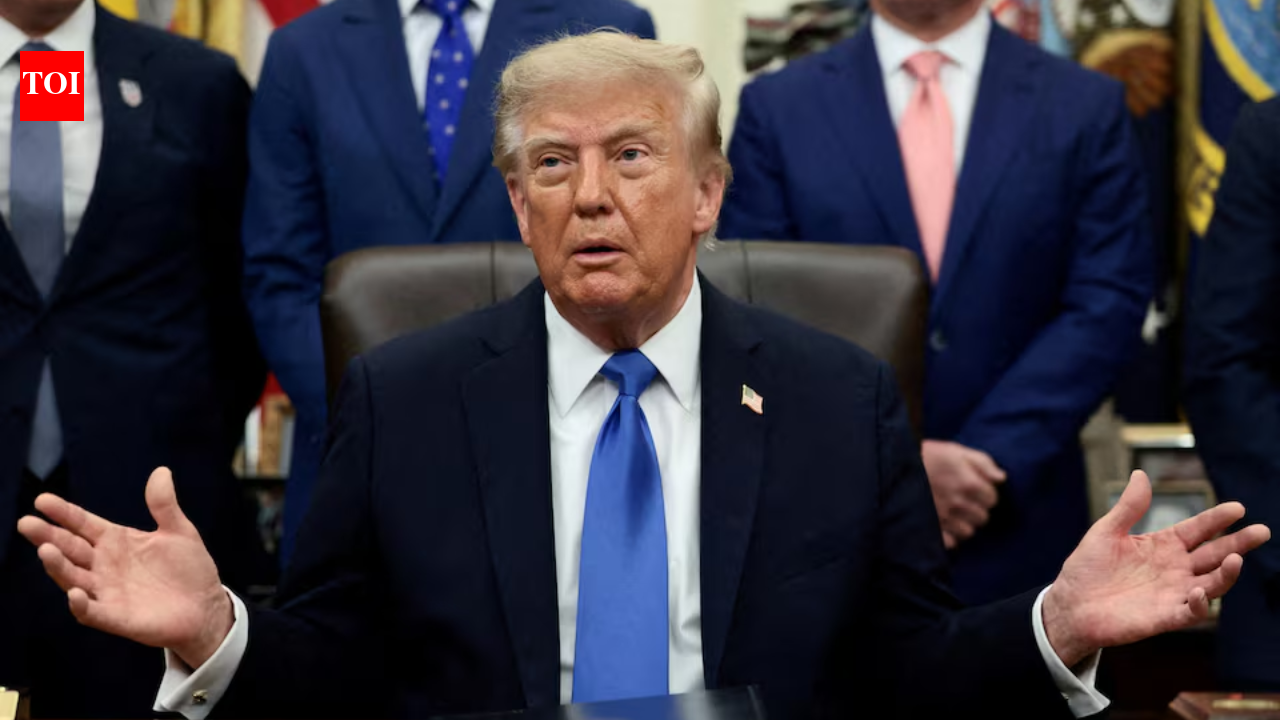
The lawsuit follows President Donald Trump's announcement on Friday that the three outlets would be barred from the White House over coverage he described as negative.
asserted
he → follow → coverage
Trump also indicated that other news organisations could face similar restrictions.
uncertain
organisations → indicate → restrictions
Reporters denied White House entry
The restrictions were enforced on Saturday when reporters from the three organisations arrived to cover the administration.
CNN's Betsy Klein, MS NOW's Akayla Gardner and Politico's Cheyenne Haslett were denied entry to the White House grounds and had their press credentials confiscated, according to reports.
uncertain
credentials → deny → reports
CNN and MS NOW have also been prevented from using their television equipment and designated camera locations at the White House.
asserted
CNN → prevent → House
CNN was subsequently removed from its scheduled television pool duties, including coverage involving the president's travel.
asserted
CNN → remove → travel
The three organisations said the administration revoked their journalists' credentials without notice or a process for challenging the decision.
"This morning, we notified the government that we are filing a lawsuit today to protect our First Amendment rights and defend the principle that the government does not decide what the press reports or publishes," the outlets said in a joint statement.
asserted
outlets → say → statement
They added that the action threatened press freedom and the public's access to independent journalism.
asserted
action → add → journalism
At the centre of the case is whether the government can restrict journalists' access to the White House because of the content or viewpoint of their reporting.
asserted
government → restrict → reporting
The outlets are expected to argue that Trump's stated dissatisfaction with their coverage amounts to viewpoint discrimination.
asserted
dissatisfaction → expect → discrimination
Courts have previously considered restrictions on White House press access in cases involving journalists and news organisations.
asserted
Courts → consider → journalists
A 1977 ruling by the US Court of Appeals for the DC Circuit involved The Nation reporter Robert Sherrill, whose White House press credentials had been revoked.
asserted
credentials → involve → Sherrill
The court held that denying a White House press pass based on the content of a journalist's speech or discriminatory treatment of protected speech could violate the First Amendment, CNN reported.
uncertain
CNN → hold → Amendment
That precedent has featured in later disputes involving White House press access.
asserted
precedent → feature → access
During Trump's first presidency, CNN reporter Jim Acosta, Playboy correspondent Brian Karem and The Associated Press also faced restrictions on access, with courts siding with journalists in several cases.
asserted
courts → face → cases
Ted Boutrous, a First Amendment lawyer who represented CNN during its 2018 legal dispute with the Trump administration over Acosta's access, is representing the three organisations in the latest case.
asserted
who → represent → case
The administration, meanwhile, has pointed to its authority over access to the White House.
asserted
administration → point → House
At least one Trump administration official has argued that a 1965 Supreme Court ruling concerning passport restrictions could support the president's position.
uncertain
ruling → argue → position
The three news organisations have said they will continue covering the Trump administration despite being denied physical access to the White House.
asserted
they → say → House
 The Aporia