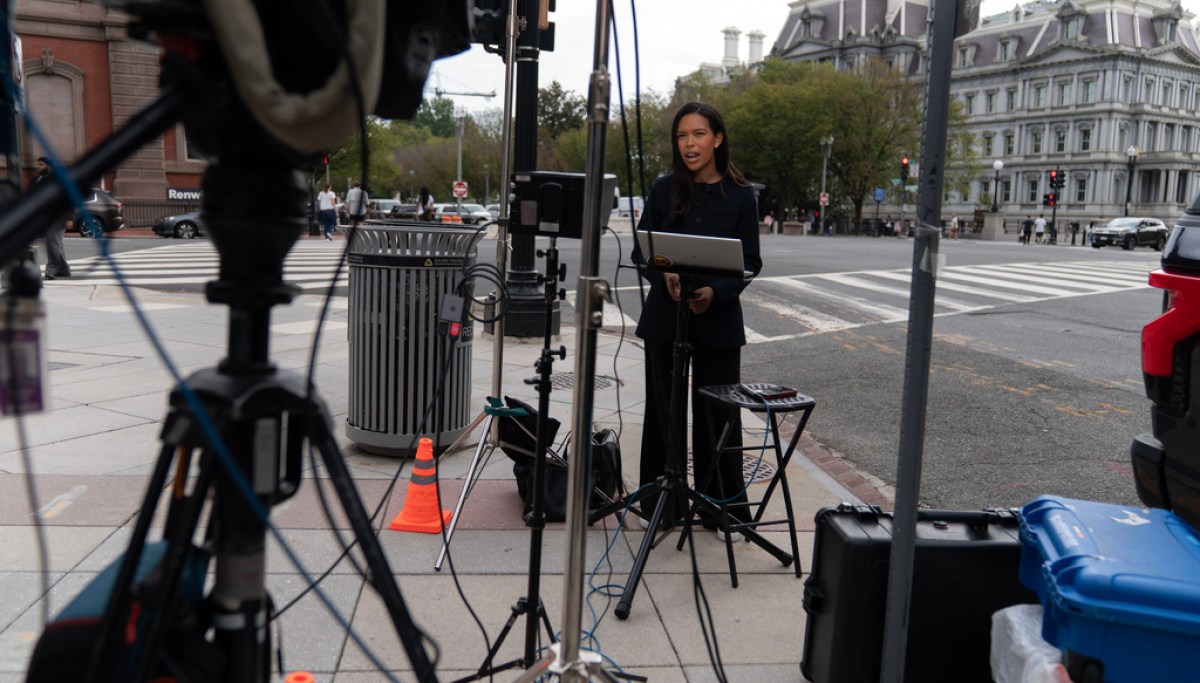
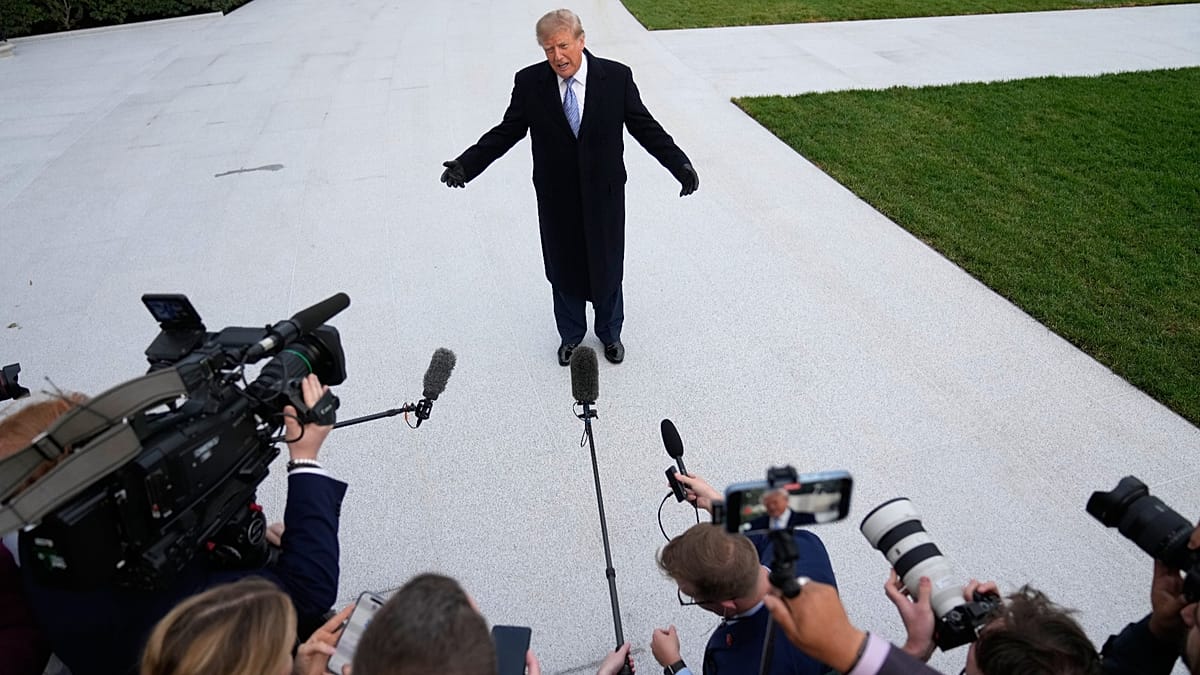
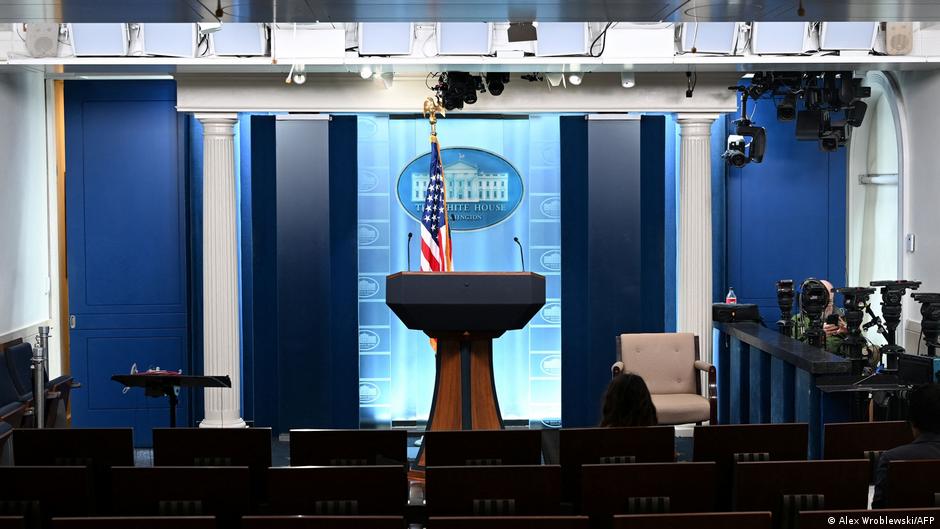
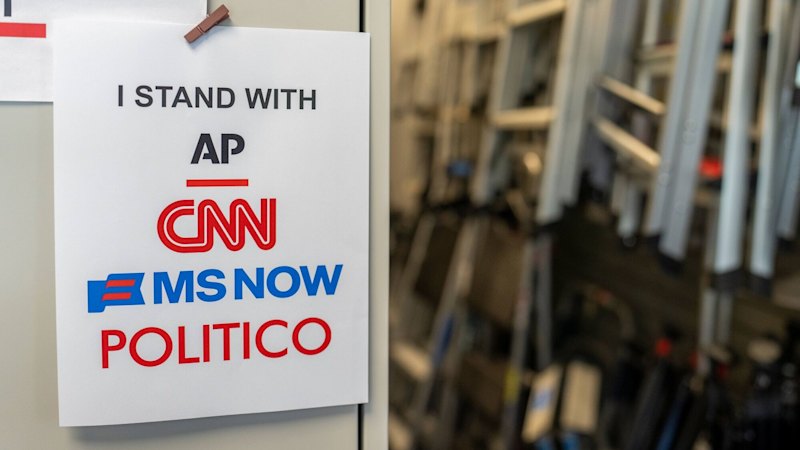
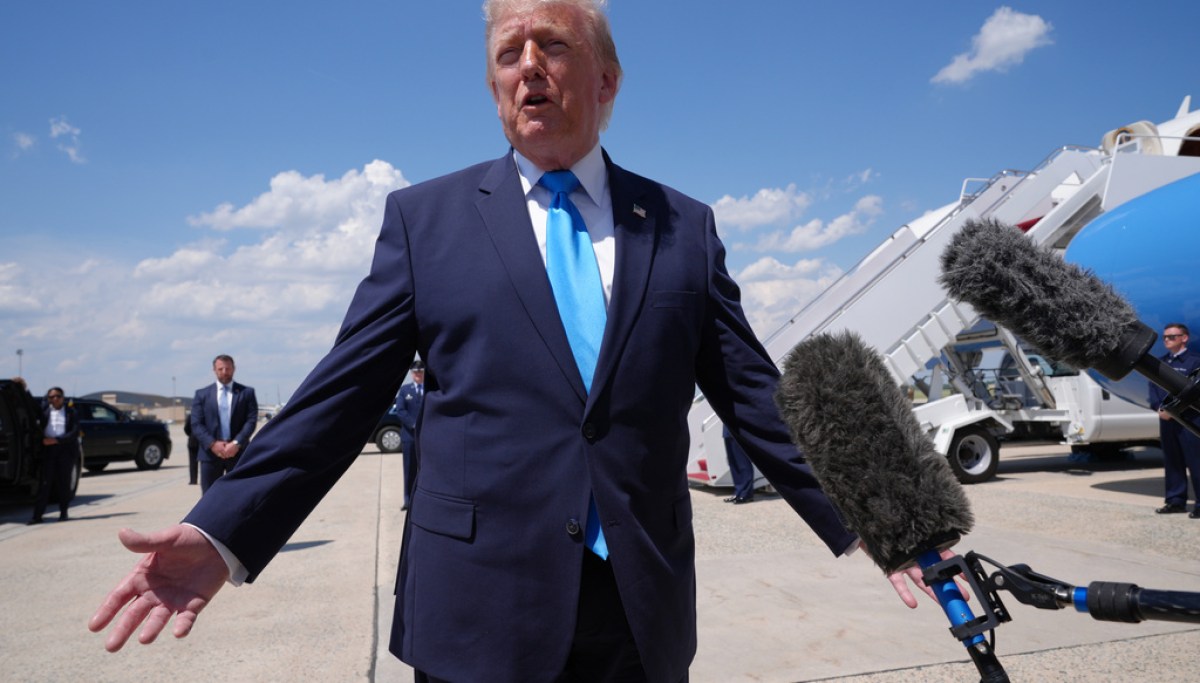
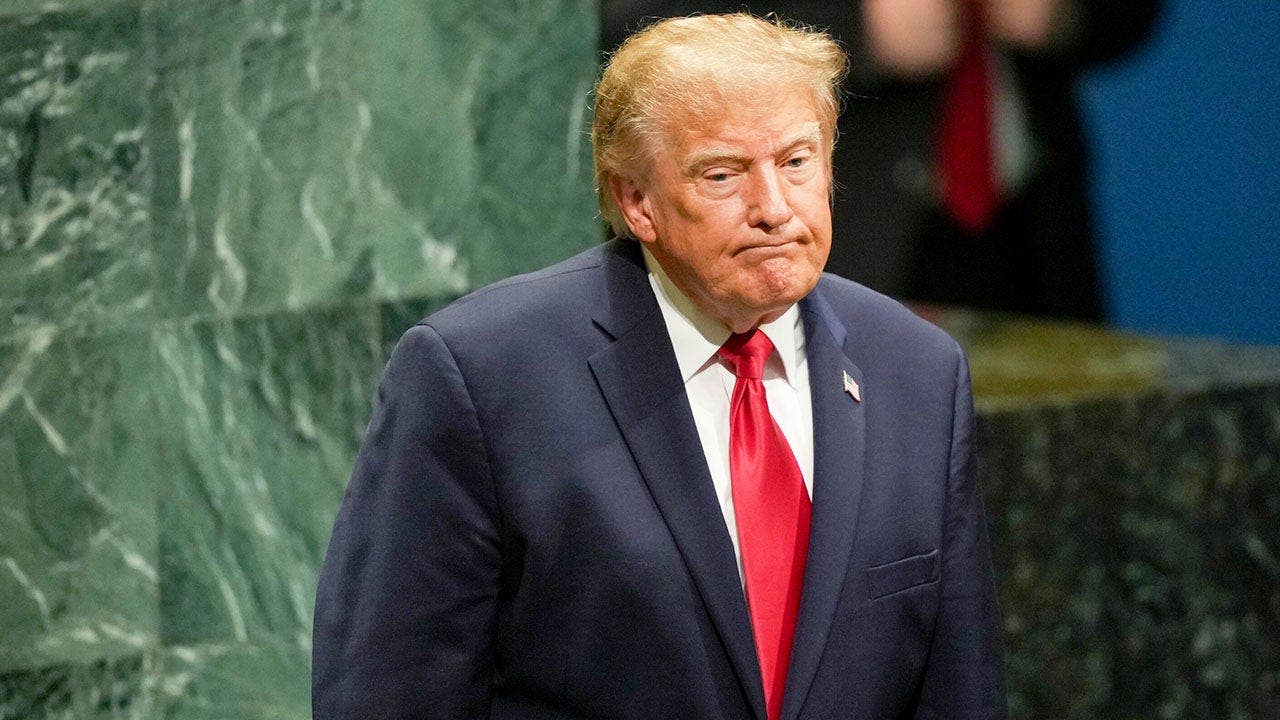
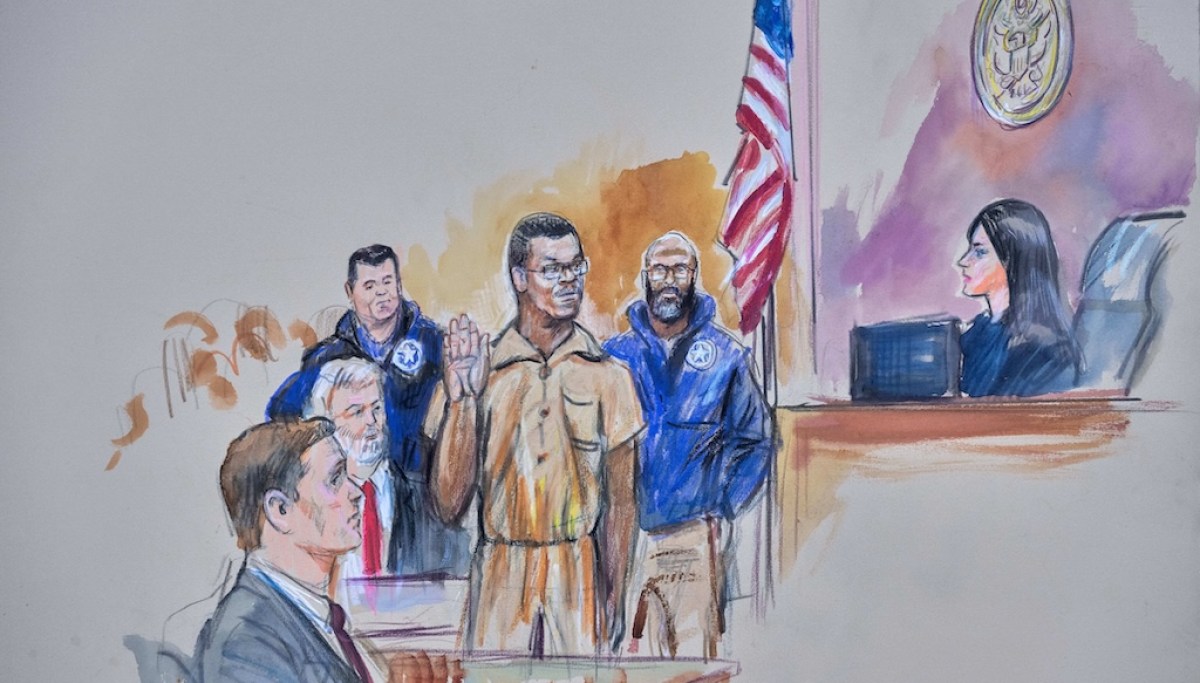
A federal judge will weigh Wednesday afternoon whether President Donald Trump can bar CNN, MS NOW, and Politico from the White House after saying their coverage was unfair and amounted to “fake news.”
asserted
coverage → weigh → news
The decision by the judge, which could have a quick turnaround following Wednesday’s hearing, is likely to turn less on the president’s broad authority to control access to secure White House spaces than on why he used it against these three outlets.
uncertain
he → have → outlets
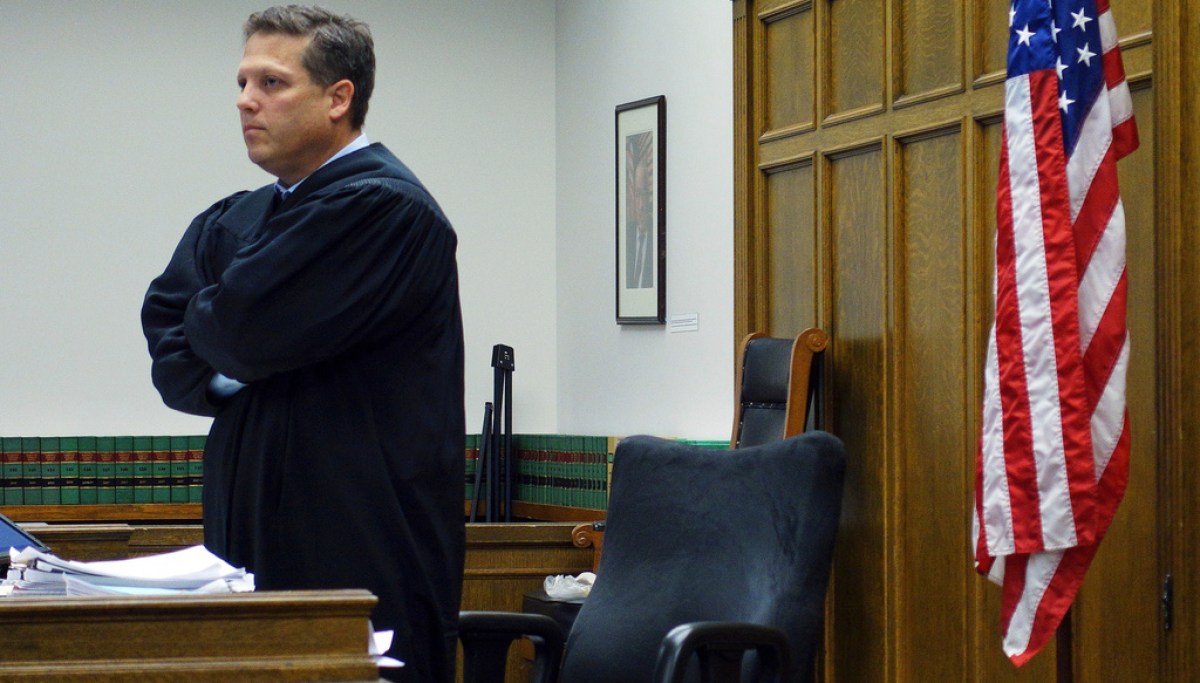
CNN, MS NOW, and Politico filed suit Monday and are asking U.S. District Judge Timothy Kelly, an appointee of Trump, to temporarily restore their access while their lawsuit moves forward.
asserted
lawsuit → file → access
The hearing will take place at 3:30 p.m. EDT in Washington, D.C., on Wednesday, and the judge has made a call-in number available for remote access.
asserted
number → take → access
The outlets say the White House violated the First Amendment and their due process rights after reporters were blocked from the grounds and their access badges were disabled.
asserted
badges → say → grounds
Trump has argued that White House access is a privilege and said inaccurate or malicious reporting can create national security concerns.
asserted
reporting → argue → concerns
The administration is likely to stress that the president is not required to give every outlet access to every event, particularly in cramped or secure settings.
asserted
president → stress → settings
The White House has considerable discretion over who enters the Oval Office, travels on Air Force One, or attends smaller events.
asserted
who → have → events
And based on historic precedent, a judge is unlikely to order the administration to provide unlimited access to every reporter who seeks it.
asserted
who → base → it
But the legal question becomes more complicated if the restrictions were imposed because officials objected to the content or viewpoint of an outlet’s reporting.
asserted
officials → become → reporting
Trump announced the ban in a Truth Social post Friday, saying he was “banning Fake News” who “constantly report FICTION and LIES.”
asserted
who → announce → FICTION
In Associated Press v. Budowich, U.S. District Judge Trevor McFadden, another appointee of Trump, ruled that the White House could not exclude Associated Press journalists from press-pool and limited-access events based on the organization’s decision to continue using “Gulf of Mexico.”
uncertain
House → rule → Mexico
McFadden’s ruling did not require the White House to admit all journalists to all events.
asserted
ruling → require → events
It also did not prevent officials from selecting reporters for interviews or choosing which questions to answer.
asserted
It → prevent → questions
But he concluded that when the government opens an event to some journalists, it cannot exclude another news organization because of its viewpoint.
asserted
it → conclude → viewpoint
A divided D.C. Circuit panel later stayed much of McFadden’s preliminary injunction while the appeal proceeded.
asserted
appeal → stay → injunction
The appellate dispute highlights a difficult question in cases involving restricted presidential events, which surrounds how much constitutional protection applies when access to the event itself is discretionary.
asserted
access → highlight → event
The Associated Press case gives the three outlets a useful framework.
asserted
case → give → framework
Their strongest argument is not that the White House must give them a permanent right of entry.
asserted
House → give → entry
It is that the government cannot use access as punishment for journalism it dislikes.
asserted
it → use → journalism
In 2018, he ordered the White House to restore the hard pass of CNN correspondent Jim Acosta after the credential was revoked following a contentious press conference.
asserted
credential → order → conference
Kelly’s decision rested largely on due process, including the absence of clear standards and notice before the credential was taken away.
asserted
credential → rest → standards
The outlets also cite the D.C. Circuit’s 1977 decision in Sherrill v. Knight.
asserted
outlets → cite → Knight
That case held that once the White House creates a press-pass system, it cannot deny credentials arbitrarily and must provide procedural protections.
asserted
it → hold → protections
George Washington University Law professor Jonathan Turley stated in a Sunday blog post that the White House “appears ready” to seek a possible reversal of the Sherrill precedent, but warned that the consequences of the litigation could actually amount to bolstering that precedent.
uncertain
consequences → state → precedent
“The White House is not without good-faith arguments to make in the coming litigation,” Turley said, adding that he personally lamented the ban.
asserted
he → make → ban
“The White House is not a public forum, and it can deny access for reasons such as security.”
asserted
it → deny → security
Turley, however, said it is nonetheless “a risk since a countervailing decision could cement and even amplify the Sherrill standard in a Supreme Court opinion.”
uncertain
decision → say → opinion
Meanwhile, a new D.C. Circuit decision released Tuesday could add another point of reference.
uncertain
decision → release → reference
In a case involving access to the Capitol’s East Steps, the court held that the location was a nonpublic forum.
asserted
location → involve → Steps
That means the government can impose meaningful limits on the use of the space.
asserted
government → mean → space
Yet the court, in an opinion by U.S. Circuit Judge Neomi Rao, a Trump appointee, also said restrictions in a nonpublic forum must be viewpoint neutral, based on objective and workable standards, and not leave officials with unbridled discretion.
asserted
restrictions → say → discretion
The Capitol steps ruling does not automatically seal the fate of the White House media case.
asserted
ruling → seal → case
It does, however, restate a principle likely to matter before Kelly.
asserted
It → restate → Kelly
Even where the government has substantial control over access, it cannot wield that control to suppress disfavored viewpoints.
asserted
it → have → viewpoints
That could make the factual record particularly important at Wednesday’s hearing.
uncertain
record → make → hearing
The news outlets are expected to point to Trump’s own public statements, which link the ban to his objections to their coverage.
asserted
which → expect → coverage
The administration will likely argue that it has legitimate security and operational reasons to determine who gets access to the president.
asserted
who → argue → president
At this early stage, Kelly will not be deciding the case’s ultimate outcome.
asserted
Kelly → decide → outcome
But he will be weighing whether the outlets are likely to succeed, whether they face irreparable harm without immediate relief, and whether the balance of equities and public interest favors an injunction.
asserted
balance → weigh → injunction
…and 5 more, not listed.
 The Aporia